


Self-Storage
ocated on the western edge of Montreal, Kirkland is one of Quebec’s most desirable communities to call home, offering a blend of residential neighborhoods, major retail corridors, corporate campuses, and convenient highway access. To top it off, the new Montreal REM light rail system is reshaping the area’s transportation network. In short, Kirkland checked all the boxes for self-storage development and Pandora Self-Storage was ready to plant its flag.
To date, Vineberg has developed more than 1.6 million square feet of self-storage and managed more than $1 billion in real estate transactions. However, he’d spent the past decade focused on industrial, commercial, data centers, and other real estate asset classes. To mark his return to the industry, he wanted an ambitious project.
The land he was eyeing sat along the TransCanada Highway, one of the busiest roadways in the country, which would make the facility hard to miss. Pandora lives by the motto “See the Walmart, smell the McDonald’s,” and Vineberg could certainly see the retail: Walmart, Staples, Winners, a grocer, and the largest Canadian Tire in Quebec were all within throwing distance.
But finding the right parcel was just the beginning.
Pandora eventually secured a first zoning change that allowed self-storage, but the square footage was less than half of what the company hoped to build. That opened the door only slightly. To gain additional density, Pandora focused on education as much as design. The team worked to ensure municipal officials understood the self-storage business model, in particular the Pandora approach and how it serves businesses and residents. The inclusion of coworking space and a commitment to greenspace also helped reinforce community benefits. That eased concerns and laid the groundwork for a second zoning change, which ultimately allowed the project to be built as it stands today.
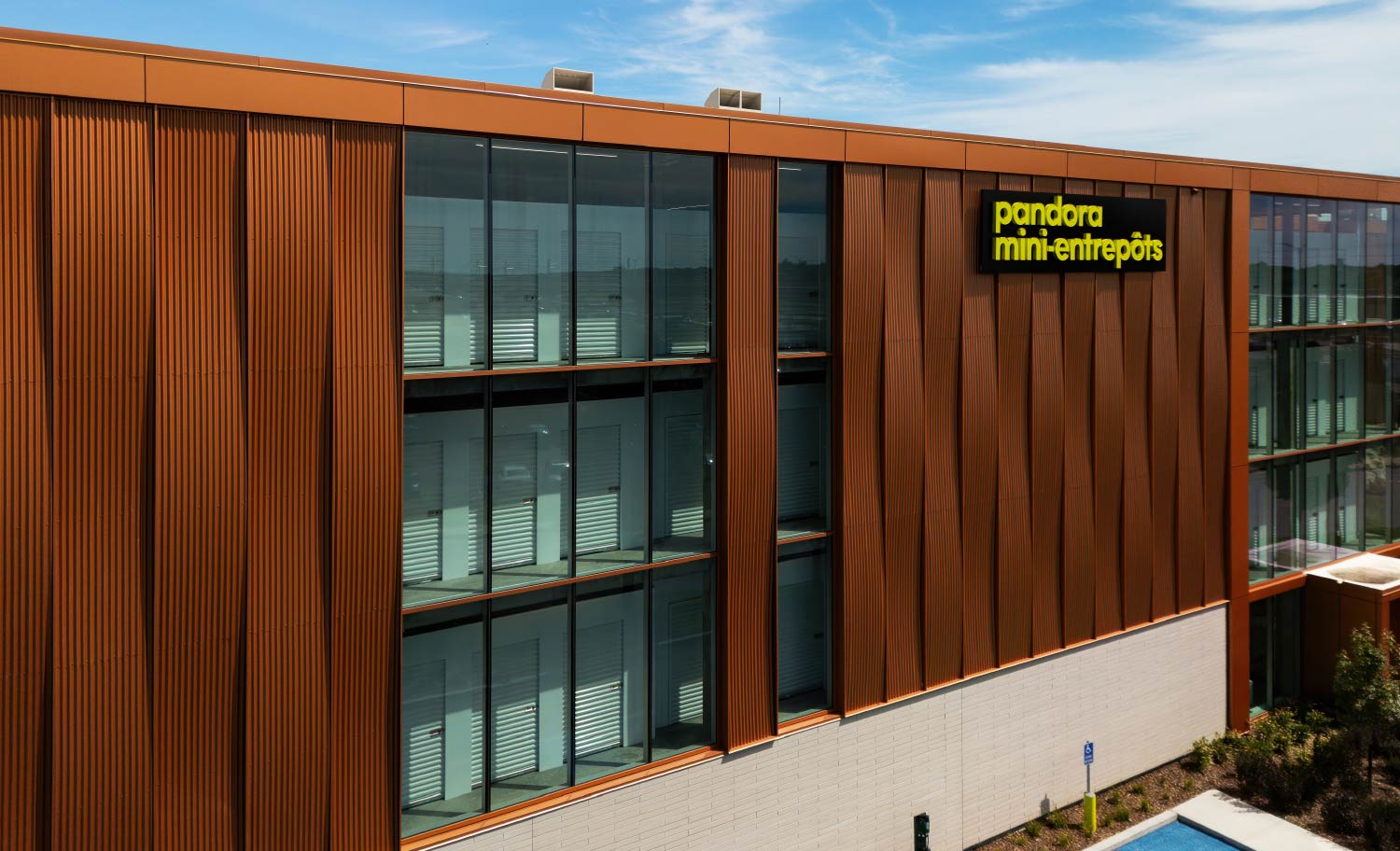
Working with GKC Architecture & Design, the team created a bespoke design that aimed to be highly visible, functional, attractive, and future-ready all at once. The result is a facility wrapped in contemporary, custom-fabricated, copper-colored panels and curtain wall glazing; as the light shifts throughout the day, the façade plays with shadow and reflection, giving it the appearance of a modern commercial building rather than a conventional storage facility.

“Realistically, that sort of conversion will probably never happen, but designing it this way also results in a better building with more height and a feeling of openness,” says Vineberg. “Many purpose-built storage facilities can feel cramped. This approach creates a more comfortable environment. It also makes financing easier. Banks and investors prefer buildings that have a second life because it provides an exit option if needed.”
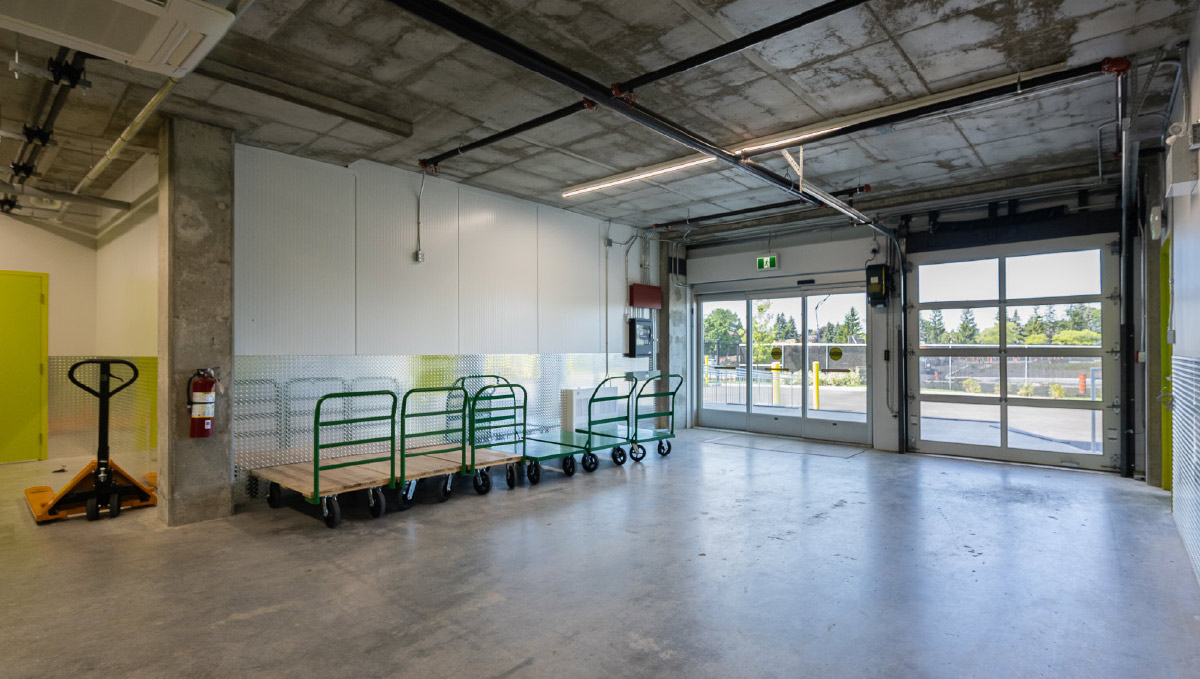
The Kirkland facility was carefully laid out for ease of access as well. Two separate high-security gates at either end of the site create a unidirectional traffic pattern and the entire property is access controlled with restrictions by floor, improving both security and efficiency. Its loading docks are set at 24 inches high, making them workable for most personal vehicles while also allowing trucks to line up flush or ramp down as needed. A large ramp provides grade-level access while ensuring full handicap accessibility.
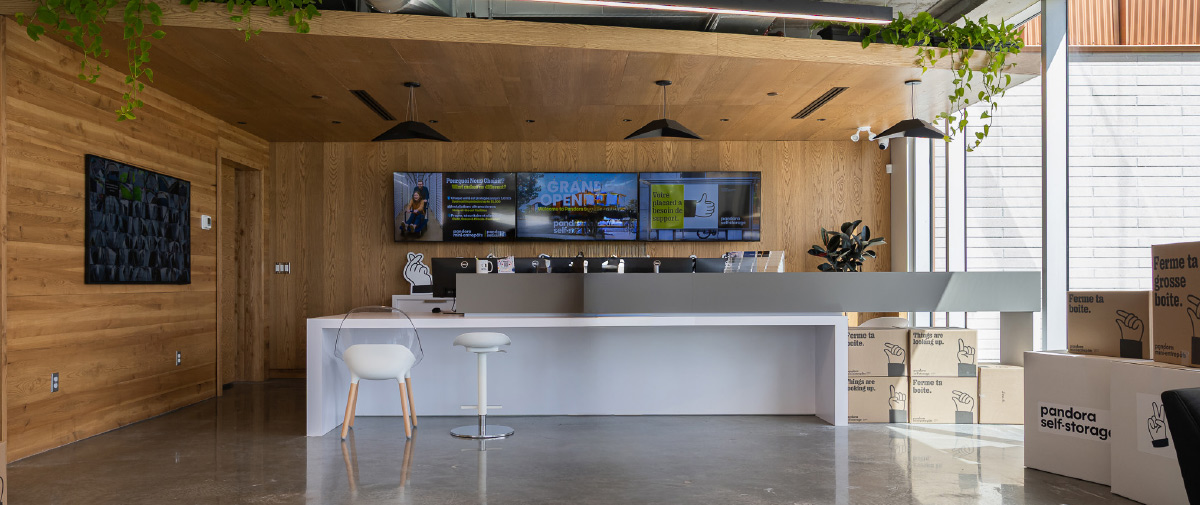
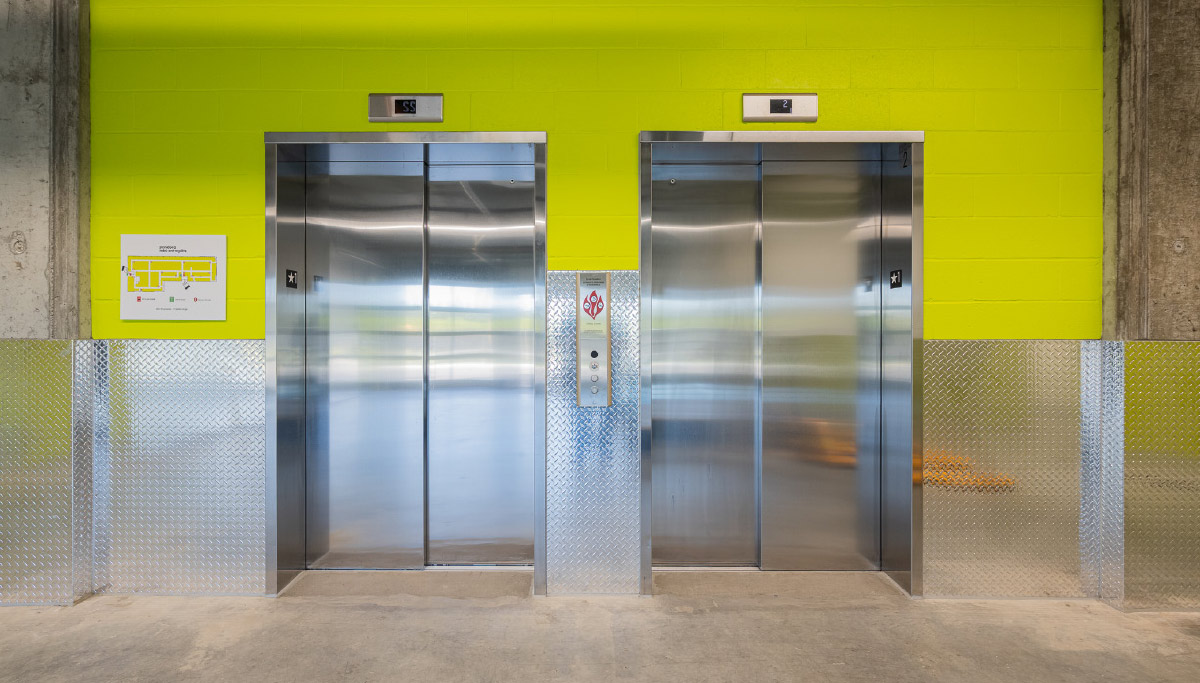
Inside, customers have access to two high-speed, high-capacity KONE elevators in a large loading zone equipped with complimentary carts, jiggers, and washrooms. The coworking component adds another layer of service for small and medium-sized businesses, tying back to Pandora’s broader vision of supporting local entrepreneurs “one door at a time.”
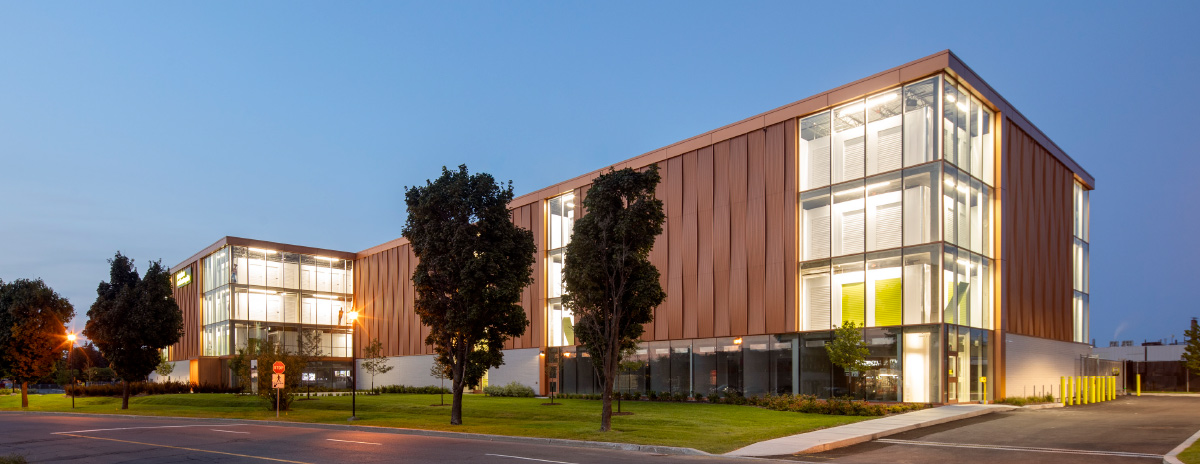
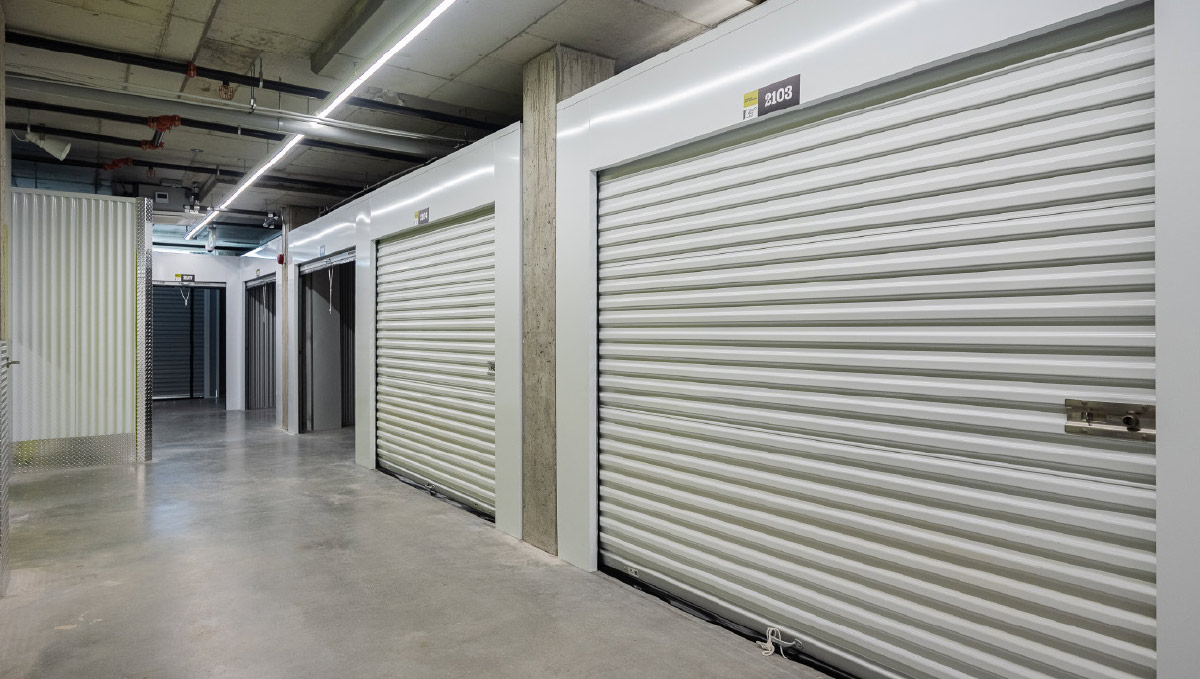
The top floor uses steel, reducing weight on the foundations and helping with rooftop water retention requirements, an important consideration in the region. Meanwhile, the fully electric facility features high-efficiency VRF climate-control systems, humidity control, heating, DLC Premium motion-activated lighting, and a reflective TPO roof membrane. The property is Zero Carbon Design Certified, and Pandora says its investment in green technology is expected to generate nearly $40,000 in annual operational savings, in addition to utility rebates and improved financing terms through a green loan.
Even the ground beneath the building posed challenges. The soil lacked the bearing capacity to support a project of this size, requiring piles. The building also includes a basement level that features the same design considerations as the upper floors. Pandora designed an expansive French-drain network tied into redundant pumps and a permanent standby generator to ensure the building remains dry at the desired humidity levels.
Building from the ground-up presented several advantages. “One advantage of starting from scratch is that our leadership team could take their collective experience of successes and failures and apply them to our platform,” says Vineberg. “There were no legacy systems or procedures we were forced to live with.”
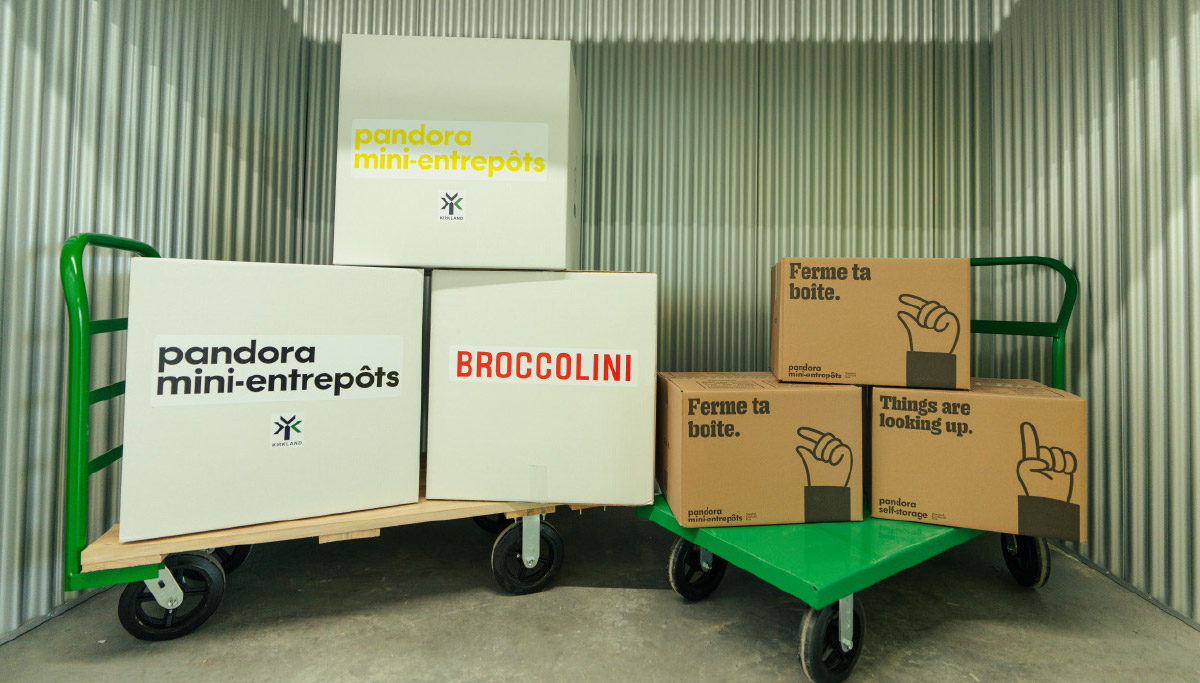
That philosophy extends to both operations and marketing. Pandora emphasizes employee training, professional development, and a collaborative culture, while its marketing strategy combines digital best practices, social media, community involvement, and advertising with a little tongue-in-cheek humor. “You should see the ideas that never make it through,” Vineberg says with a laugh.
With a prominent location, a distinctive design, strong sustainability credentials, and a carefully considered customer experience, Pandora Self-Storage has made an ambitious debut in Kirkland. More than just the company’s flagship, the facility represents a new chapter for self-storage in a market that once refused to allow it at all.