


elf-storage is, in many ways, a numbers game. You have square footage, occupancy rates, rental rates, cap rates, NOI, ROI, and so on. So why have we spent the last two months talking about psychology and emotions? Because understanding tenant disposition—the reasons they can’t let go of their belongings—allows you to serve them better while boosting your bottom line. But now it is time to delve into the data. Through the lens of disposition, you’ll find that attachment isn’t just something people talk about. It appears in what they choose to store, why they rent units, and how long they remain tenants.
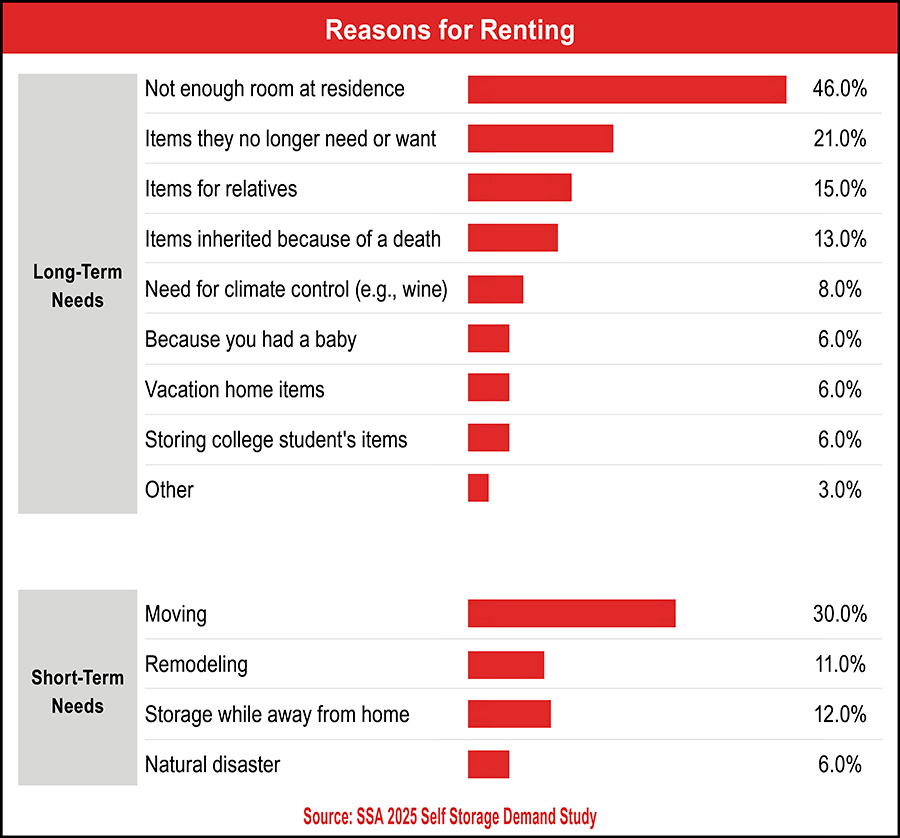
Twenty-one percent of renters admit they’re storing items they no longer want or need—that’s one in five tenants. That’s more likely an emotional attachment than a space problem. In addition, another 15 percent are storing belongings for relatives who have experienced a change in living situation and 13 percent are storing possessions inherited after the death of a loved one. Those numbers suggest many customers aren’t simply running out of space but rather postponing difficult decisions.
It’s a pattern that parallels what Dr. Russell Belk, research professor and author of Possessions and the Extended Self, described in first two parts of this series. People don’t always keep possessions because they’re valuable. They keep them because the objects have become extensions of memory, identity, relationships, or obligation. Sometimes, paying monthly rent is simply easier than deciding what stays and what goes.
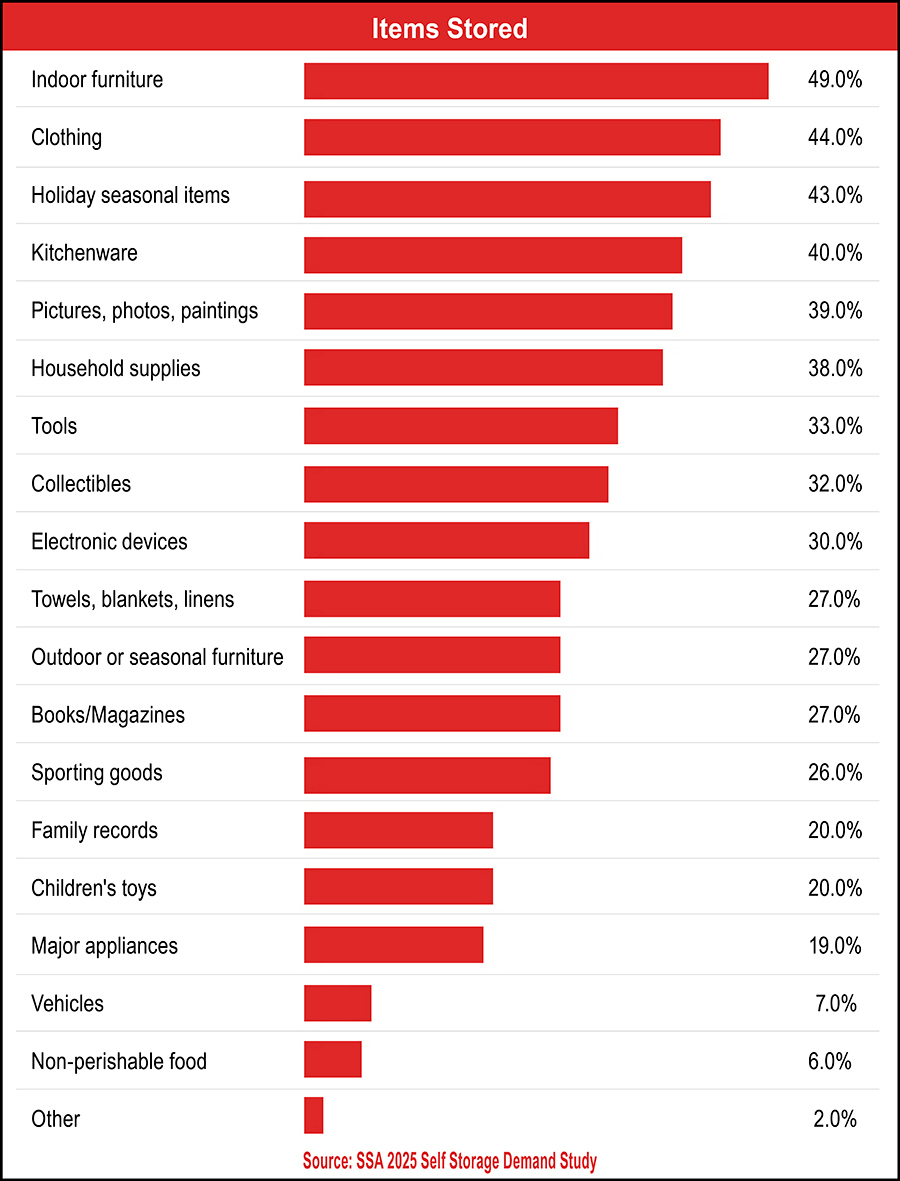
Individually, these items don’t seem notable, but when you apply disposition, they paint a different picture. Furniture often represents homes people once lived in, holiday decorations may connect families to traditions, and photographs preserve moments that can never be recreated. These aren’t just possessions but physical reminders of memories.
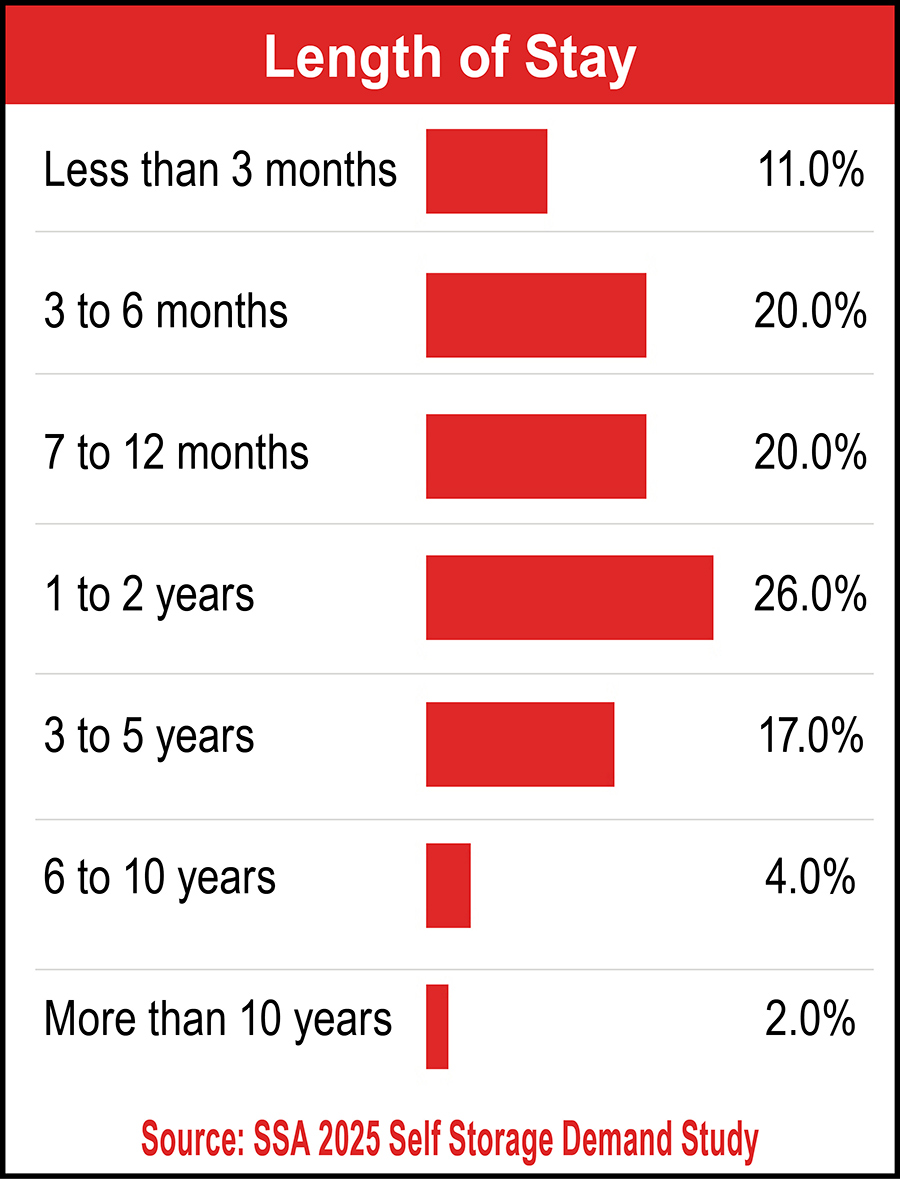
The same demand study reveals that the largest group of customers (26 percent) remain tenants for one to two years. Another 17 percent stay between three and five years, while six percent remain with a storage company for six years or longer. Only 11 percent move out within the first three months. If storage were purely a matter of available space, many of those rentals would end once the crisis passed.
M. Anne Ballard, who examined customer behavior in 2017 while leading Universal Storage Group, observed this trend for years. In an MSM report, she notes that more than half the company’s customer base rents for more than five years. Ballard recognized the importance of knowing what brought the tenant to the facility, writing, “Understanding how the population uses our product and the drivers for length of stay are paramount to keeping them happy and in place while still growing income and NOI.”
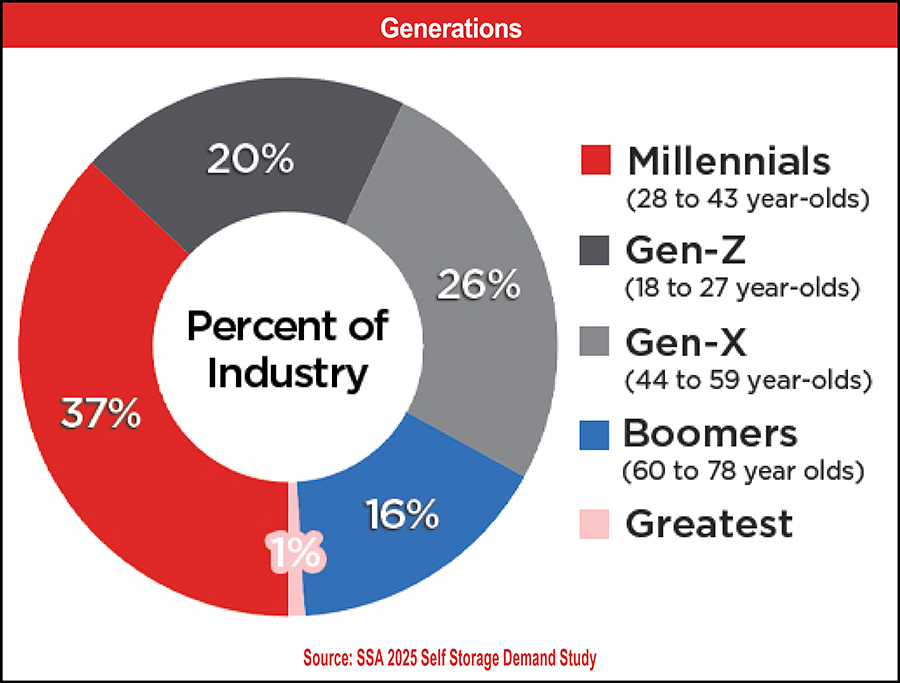
Belk would likely agree. “Older people tend to keep things, probably more so than the younger people, because they have accumulated things that have memories attached to them. Younger people store things that they tend to use, like sports equipment and so forth,” he says, all of which prove true in the data.
Last but not least is Gen X, which accounts for another sizable percentage at 26 percent. Their storage use is attributed largely to family transitions, including divorce and downsizing as children leave home. Add aging parents and inherited possessions to the mix, and that’s basically a four Ds collision course.
Self-storage manager Chad Coker also noted that many customers arrive during one of life’s four Ds, requiring managers to approach each situation with empathy. He recalled helping a man going through a divorce who needed a unit quickly but lacked an alternate contact required for the lease. Coker helped him identify a former co-worker. “After that, I was able to get him into a unit that day,” he said.
Taken together, the industry’s data and its operators tell the same story: Storage isn’t simply a business built around stuff, but a business built around necessity, identity, and delayed decisions.
Brad Hadfield is MSM’s lead writer and web manager.
The 2025 Self Storage Demand Study revealed that of stored items, collectibles make up 32 percent and sporting goods make up 26 percent. It is natural to assume these items, and other stored items, are tucked away due to lack of space or just occasional use. But Dr. Russell Belk, a research professor who’s been on this disposition journey with us since part one of this series, thinks there could be more to it.
“Some facilities are pretty luxurious … they’re air conditioned, secure, and safe,” says Belk. “They can therefore become more of a shrine than a storage space, where people put valuable items on shelves just to look at them, so there may be a way to appeal to that [tendency].”
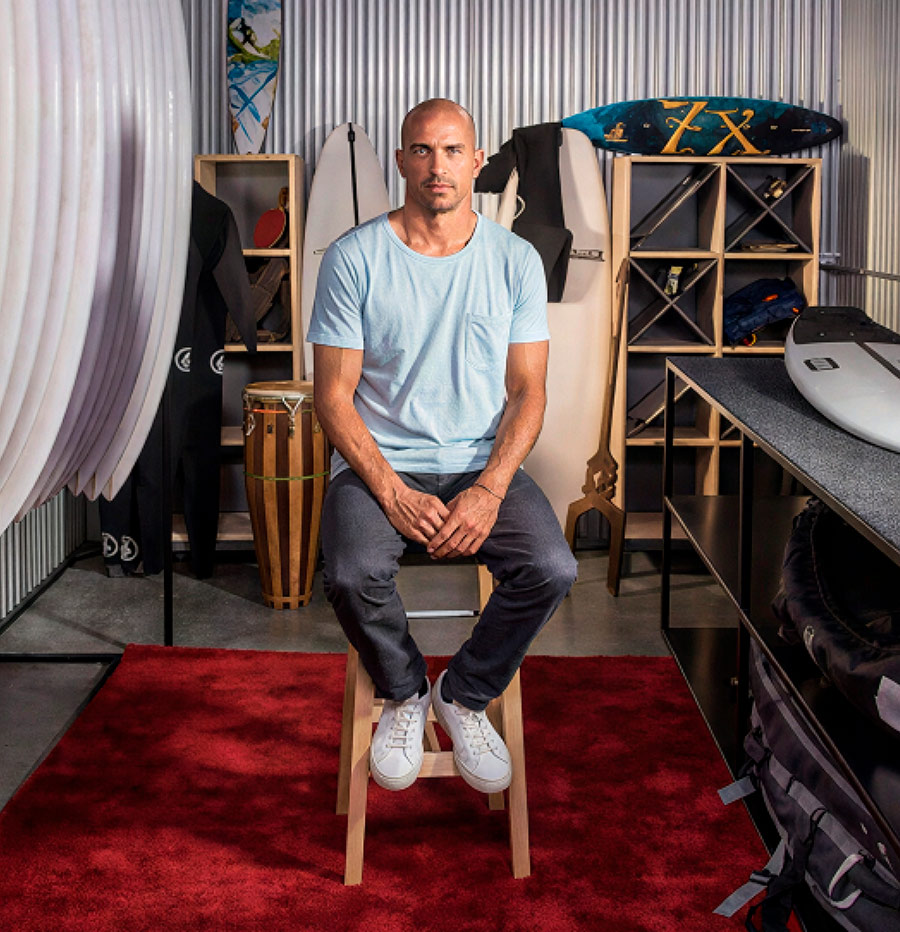
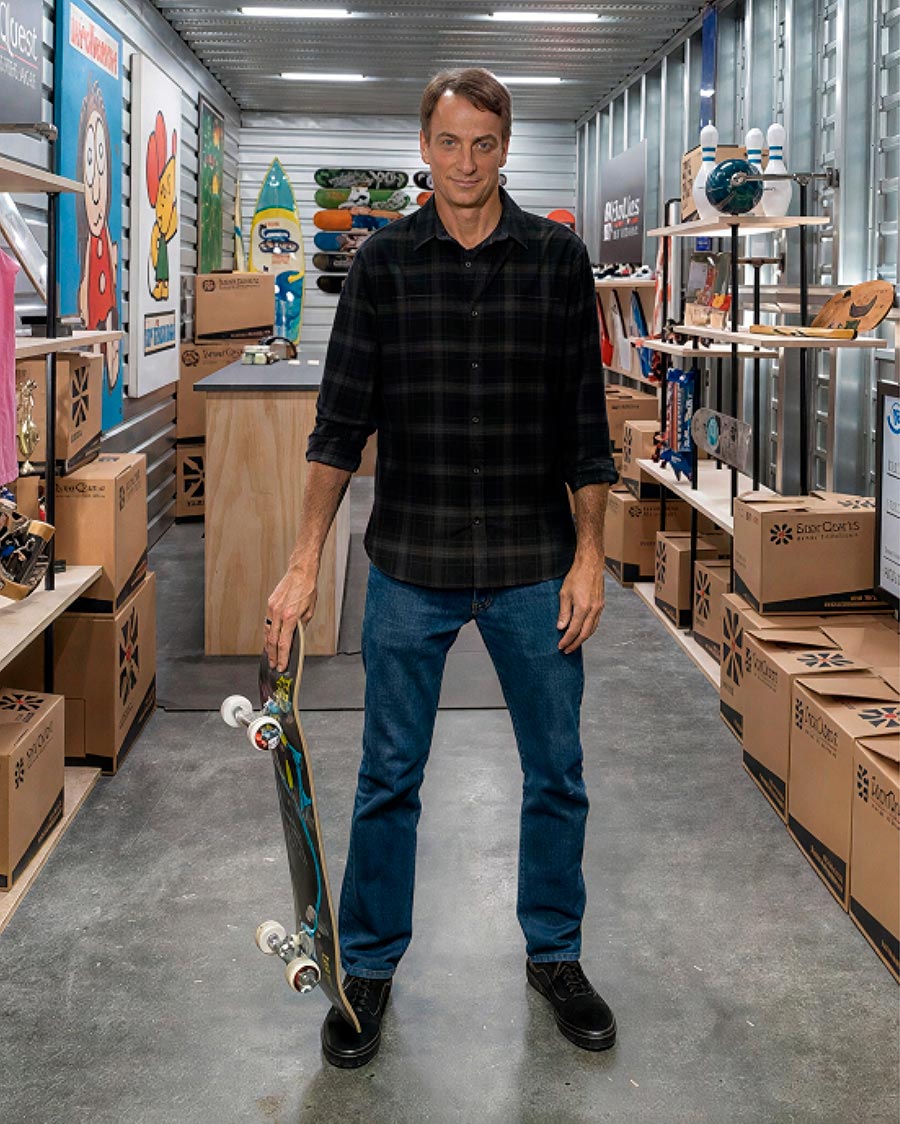
This concept was proven true when MSM put StorQuest Self Storage in the spotlight in a feature about their lifestyle branding two years ago. The company had sought out “Questors,” people who not only lived an adventurous life but also actively used self-storage. They found that in World Champion Skateboarder Tony Hawk and World Champion Surfer Kelly Slater.
“To me, this isn’t a collection of stuff; it’s a collection of experiences. Each piece tells a story—places I’ve been, things I’ve done,” said Tony Hawk, who stores awards, trophies, and long-since-retired skateboards and sneakers on well-organized shelves. “I’m thankful to have it all on display here.”
Surrounded by dozens of surfboards, Kelly Slater had a similar take. “My unit is great; I actually come in here and just smile. This is the most organized anything in my life is.” Why not keep these items on display at home? “I feel it’s safer here than in my own house,” he adds.
Using a unit as a shrine is certainly a unique way to think about self-storage, but maybe that’s the point. If possessions carry identity, memory, and accomplishment, then the place where they’re kept becomes important too.