



he self-storage industry provides a vital service to business owners, homeowners, and tenants across the U.S., but like many major industries, the sector has faced some turbulence in recent years. Factors like a frozen housing market and inventory oversupply have created a challenging environment for many facility operators, leading to slowing demand and rising operational costs.
In 2026, as the U.S. housing market begins to stabilize and rent growth slows across many major metros, the outlook for facility operators is looking more positive. While revenue growth remains low and supply remains high, evolving tenant demands are presenting new scaling opportunities.
For self-storage facility operators looking to grow past recent turbulence and develop plans built to meet future needs, understanding where the market is headed is key. With this in mind, we’ll analyze the 2026 self-storage landscape via shifts in consumer demand across major metros.
As of March 2026, total self-storage inventory eclipsed 2.1 billion square feet, almost 300 million of which consists of spaces built in the last five years, with the market valued at around $47 million.
While oversupply remains a significant challenge, experts are confident that the surplus supply rate is decreasing beyond 2022’s peak. As new supply pipelines slow to around 2.4 percent of total inventory and demand for specialty facilities grows, facility owners are adjusting key operations. Alongside unit mix and pricing, operators are also modernizing site infrastructure, with many replacing traditional gate codes and padlocks with a keyless entry system for business sites to support self-service access and remote oversight.
Alongside unit mix and pricing, operators are also modernizing site infrastructure, with many replacing traditional gate codes and padlocks with a keyless entry system for business sites and deploying license plate recognition camera systems to support self-service access, vehicle monitoring, and remote oversight.
To gain a good understanding of where the industry is headed, and the needs that self-storage facilities must address to meet evolving demands, here are some critical insights to consider:
- Consumer Demand – Thirty-three percent of Americans use self-storage and 18 percent plan to use it in the future; demand is driven by space limitations (29 percent) and moving support needs (25 percent).
- Occupancy Rates – Occupancy rates have stabilized at around 82 percent, signifying a settling of rental levels and the beginnings of a more balanced market with fewer rent price drops.
- Tenant Length Of Stay – Average stays have increased to around 19 months, helping to lessen cash flow problems for many operators and raising the potential value of facilities.
- Street Rates – The average street rate for a standard 10-by-10 unit sits at $135 per month as of June 2026, up 0.7 percent from May, suggesting a slight rise in demand relative to supply.
- New Supply Completions – New construction pipelines have slowed in recent months, with expected new square footage declining by almost 8 percent compared to 2025 deliveries.
However, given the significant variability in consumer demand across specific regions, national figures may not always provide actionable insights to help preempt emerging operational trends.
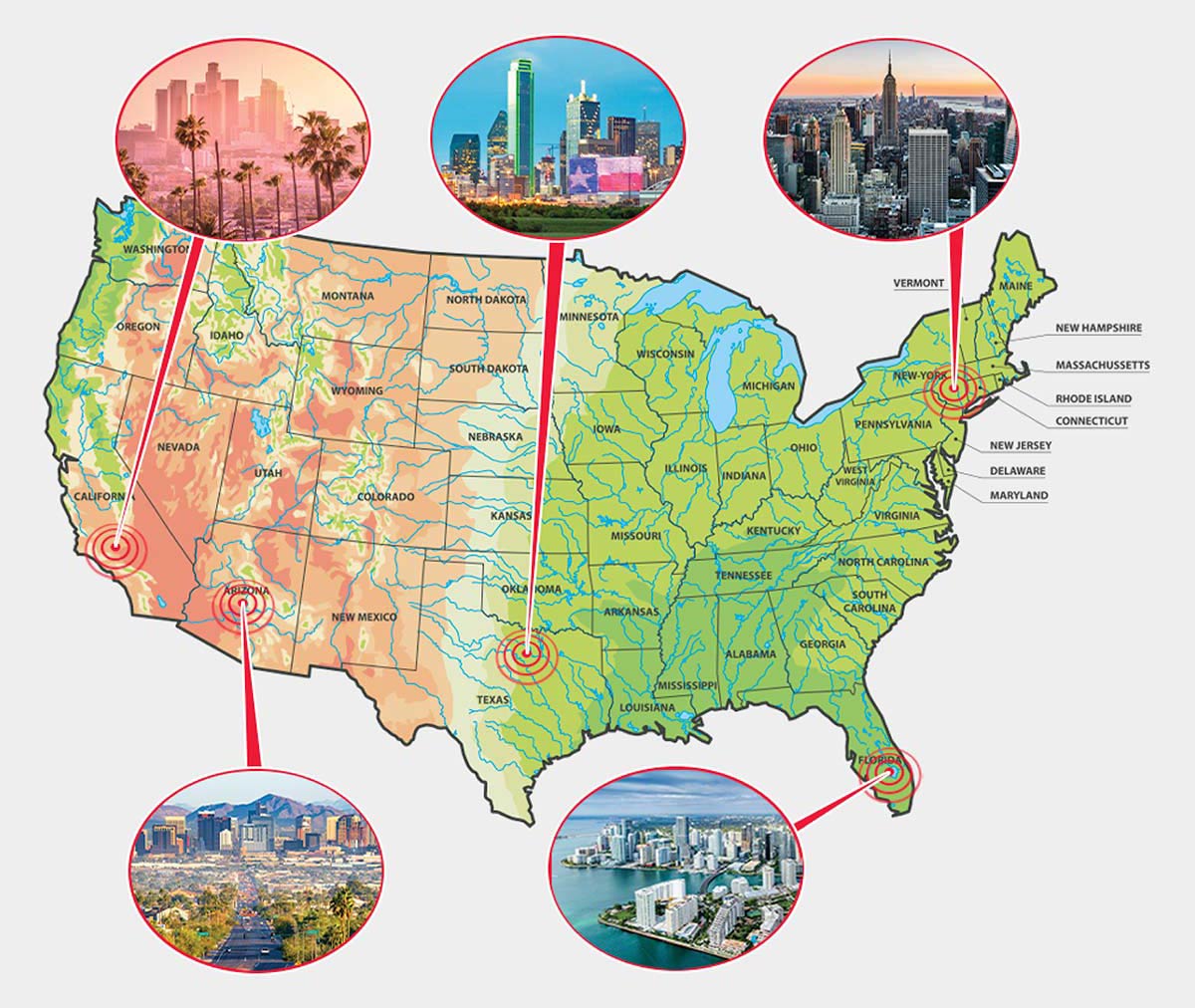
To best understand how the 2026 self-storage landscape is likely to impact future operations in specific markets, it’s wise to analyze emerging shifts in consumer demand across major metros.
As of 2026, average 10-by-10 unit prices in the area sit between $90 to $109 per month, below the national average and representing a year-over-year rate decrease of 1.7 percent. While high local supply has brought street rates down, consistent population growth of over 1 percent year over year between 2022 and 2025 has seen consumer demand for self-storage infrastructure remain high.
Driven by population growth, renters in the region are pursuing smaller apartments, leading to an increase in demand for self-storage infrastructure. As the nation’s fastest-growing metro area for incoming residents, increasing inventory levels are continuing to be matched by stable demand, helping to create an attractive and competitive market for consumers and facility operators alike.
With the Miami metro area experiencing an annual population growth rate of almost 0.9 percent, a continuing influx of new residents is helping to keep self-storage demand relatively high. For operators in the region, a combination of high rents driving tenants toward smaller residential properties and rising demand for specialty, climate-controlled units is facilitating market stability.
While factors like slowing local job growth and regional population decline are acting to slightly soften self-storage demand, climbing rents and low space availability across rental units in New York City are helping to stabilize the market and keep demand relatively high on a regional scale.
As a result of supply and demand imbalances, average rates for a 10-by-10 unit in the metro area can reach as high as $260 per month. These factors, alongside slowing supply deliveries and strict zoning laws, are facilitating an attractive market for existing self-storage businesses and an increasingly challenging market for newcomers and facility operators planning to scale.
Average rates for a 10-by-10 unit in the area can climb as high as $278 per month, around 60 percent above the national average. Despite this figure appearing high on a national scale, it represents a slight decrease in regional rates—a decline of 2.8 percent compared to 2025 to be exact.
Consumer demand in Greater Los Angeles is driven both by traditional moving and residential storage needs, as well as rising commercial client demand. High regional costs for commercial real estate are pushing local businesses to explore self-storage infrastructure as an alternative to on-site storage facilities, with many viewing self-storage as a comparatively low-cost solution.
Downsizing is emerging as a major driver of self-storage demand in the region, as an ageing population looks to transition to low-maintenance housing. Influenced by structural limitations, like the low commonality of attics and basements in local homes, older residents with the funds required to navigate the housing market are leveraging self-storage to meet downsizing needs.
While demand may be relatively high in the region, increasing inventory supply is keeping street rates fairly low. As of June 2026, the average street rate for a 10-by-10 unit sits at around $110 per month, representing a year-over-year decline of 5.2 percent and a surprisingly challenging market.
To best-navigate the modern landscape, facility operators must focus on region-specific trends, ranging from rising demand for climate-controlled units to the capturing of emerging downsizing markets. As supply pressures continue to ease and residential asking rents cool, existing facility operators are likely to be afforded actionable opportunities to meet shifting consumer demands.