


Self-Storage
Self-Storage
Grandpa, tell me about the good old days.” The Judds classic song is about simpler times in the face of a world that is changing so fast. When that song came out in 1986, it hit all the right notes and brought a strong sense of nostalgia. Today it’s becoming clearer by the day that we can’t stay in the past. We must press forward in our ever-changing environment, particularly with regard to technology. Oh, but our self-storage industry held on to the good old days for a long time, didn’t we? Embracing the belief that “this is working just fine” really ended up holding many operators back. Thankfully, some forward-thinking industry operators began opening the door and peeking into the world of technology and automation a few years ago, and now, as we enter the “Agentic AI” era, the options and opportunities have broadened dramatically in all aspects of the industry.
While operators large and small and in many different markets are implementing various levels of technology, there is still a sense of hesitation when using these products and services, particularly when it’s customer facing and in a rural market. Have you heard anyone saying things like “The way I’ve been doing it is fine,” or “The people around here don’t even have cell phones,” or “My customers don’t do (insert unthinkable technology feat here)”? Ultimately, thinking like this will prevent you from being a better operator and giving your tenants important, modern tools of convenience. Everybody likes convenience, right?
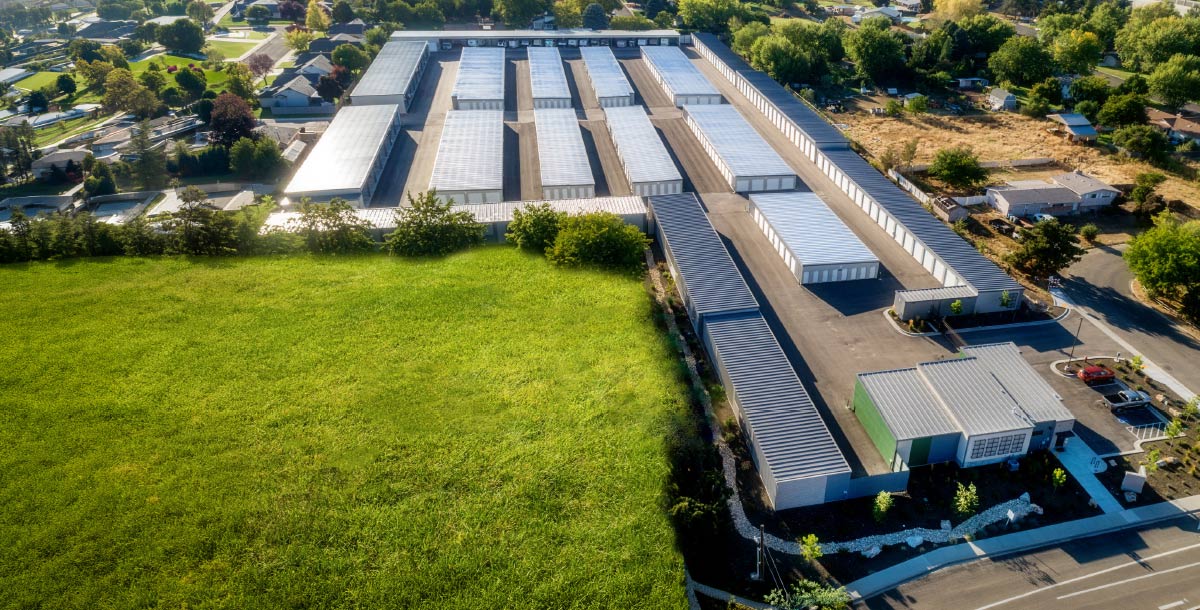
When our company acquired a property in a rural market a couple of years ago, we heard all those sentiments from the previous owner and his management team. The site was about 550 units and running about 92 percent occupancy. They did have some basic technology in place—things like an automated gate system coupled to the old stand-alone version of Sitelink and a basic website but without rental or payment capabilities. There wasn’t a lot of competition; in fact, there weren’t any competitors within three to five miles and things just seemed to run smooth as-is, so why change anything? What impact could we, as the new owner/operators, make?
After digging a little deeper, it became clear that there was room for improvement in a number of areas. Previously, the property was staffed by one manager who was also responsible for tasks outside of the self-storage business, setting the stage for inconsistent operational practices and general disorganization and poor documentation, including missing or incomplete paper rental agreements. Additionally, there were little to no revenue management practices in place. Tenants didn’t consistently receive rate increases, dynamic pricing based on demand and supply wasn’t in place, nor had the base street rates been adjusted in a long while. Delinquency was high, with over 60 tenants more than 30 days past due. These deficiencies were largely the result of a manual collections program and infrequent auctions, allowing tenants to become severely past due before action was taken. To top it off, tenants were not offered storage insurance or protection plans, representing both a revenue opportunity loss and an exposure to risk.

Within the first year, there were significant improvements made across virtually all key metrics. Digitized tenant files with updated contact information combined with the automated collections protocol reduced delinquency to 5 percent, with only 14 tenants over 30 days past due at the end of year one. Our review of rate discounts identified an excessive number of complimentary units, prompting corrective actions to minimize revenue leakage. At the same time, professional call center performance drove occupancy to 99 percent, exceeding expectations but pushing occupancy to a less-than-ideal level. This overly high occupancy set the stage for an aggressive rate management approach, including dynamic pricing strategies, consistent rent increases, and effective collections procedures resulting in almost a 20 percent year-over-year increase in income from rent and fees. Following the introduction of a tenant protection program, enrollment reached 74 percent in the first year, generating a new revenue stream while providing customers with a greater peace of mind.
All of the above was accomplished while maintaining tenant trust, as evidenced by a significant increase in positive online reviews, pushing the facility’s overall rating to over four stars, so don’t assume that a rural customer base, which may be perceived as less sophisticated, is not willing to embrace change if it is largely beneficial and presented properly. Our success with the foregoing programs at this location has opened the door to future implementation of other operational enhancements as well, like smart locks/hasps, enhanced gate/access systems, and other products and services that go way beyond the antiquated operational approach utilized by the previous management.
While a small percentage of customers may prefer to do business the traditional way, adopting modern technologies is essential to meeting the evolving expectations of most customers and to driving long-term facility performance improvements and asset value, even in rural markets.