



Ivy League Alumni Become Self-Storage Entrepreneurs
Ivy League Alumni Become Self-Storage Entrepreneurs
Alex Hartman and Peter Smyth
Ivy League Alumni Become Self-Storage Entrepreneurs
he self-storage industry is full of stories about characters who have stumbled upon this space, like a real estate investor who suddenly discovered the pot of gold or a business loan processor who decided to dabble in the industry after seeing clients flourish in it. They’re all fascinating, and they tend to have a common denominator: people who didn’t set out to work in storage but took the opportunity and their lives are so much better for it.
This month’s cover story features many eye-opening insights. It’s also based on the kind of good-natured friendship everyone needs in their lives. White Label Storage has been around since 2022, but its origins started much earlier.

Alex Hartman and Peter Smyth
“It was just the two of us. We understood it was a risk, and there was an opportunity cost that accompanied it, but we also knew we felt confident we could fall back on a career path.”
Meanwhile, Smyth was born and raised in Baltimore, where he grew up watching his dad be an entrepreneur. “He often talked to my brother and I about the business,” he says. “I admired that he’s always done his own thing.” Having him as a role model served him well in his own desires to develop that entrepreneurial spirit. And just like Hartman, he had some real-world experience right out of college. His first job was in real estate at Hines in D.C. Then he moved to private equity at Federal Capital Partners.
While they both had positions at enviable places, they knew they wanted to do more. And as serendipity would have it, their paths led to Harvard.
The men met and became good friends. Their surrounding environment created fertile ground for both of them to start creating lofty goals. “That was the first place I had been in where everyone was ambitious and wanted to do important things,” says Hartman. “It helped change my mentality about what is and isn’t possible.”
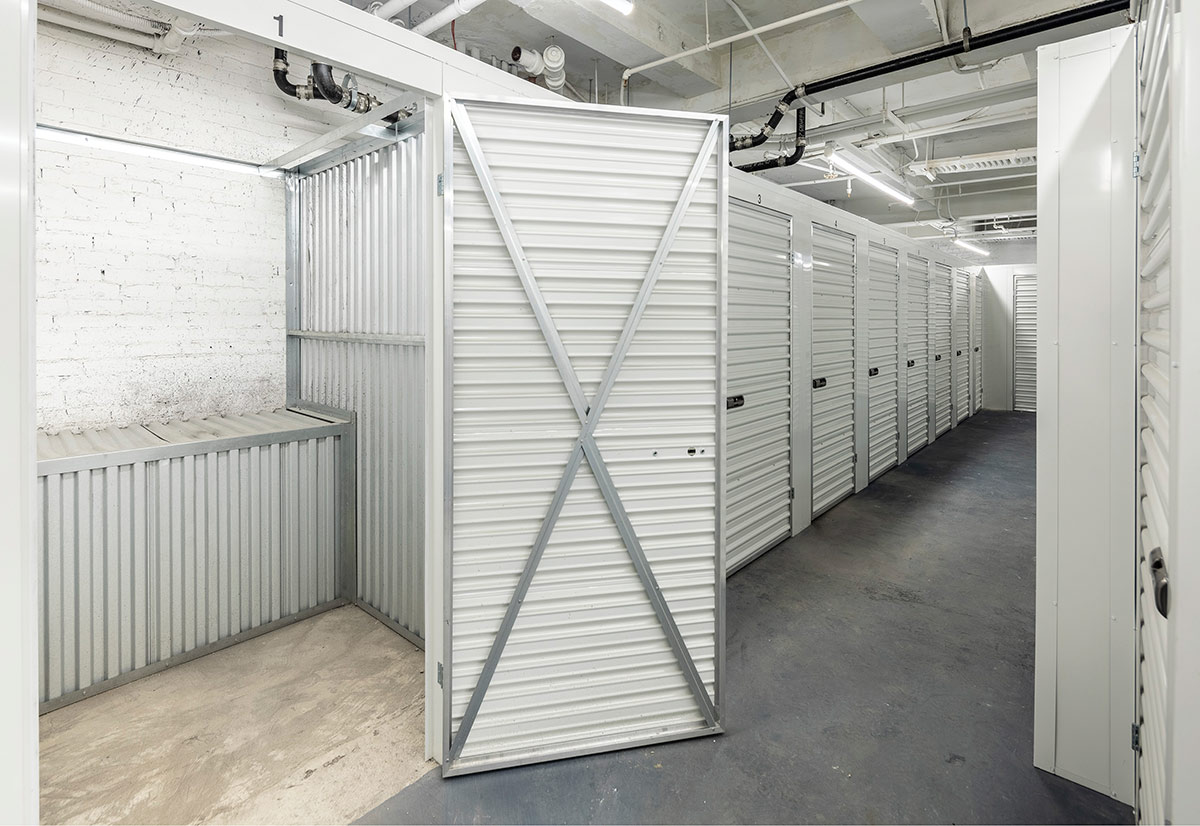
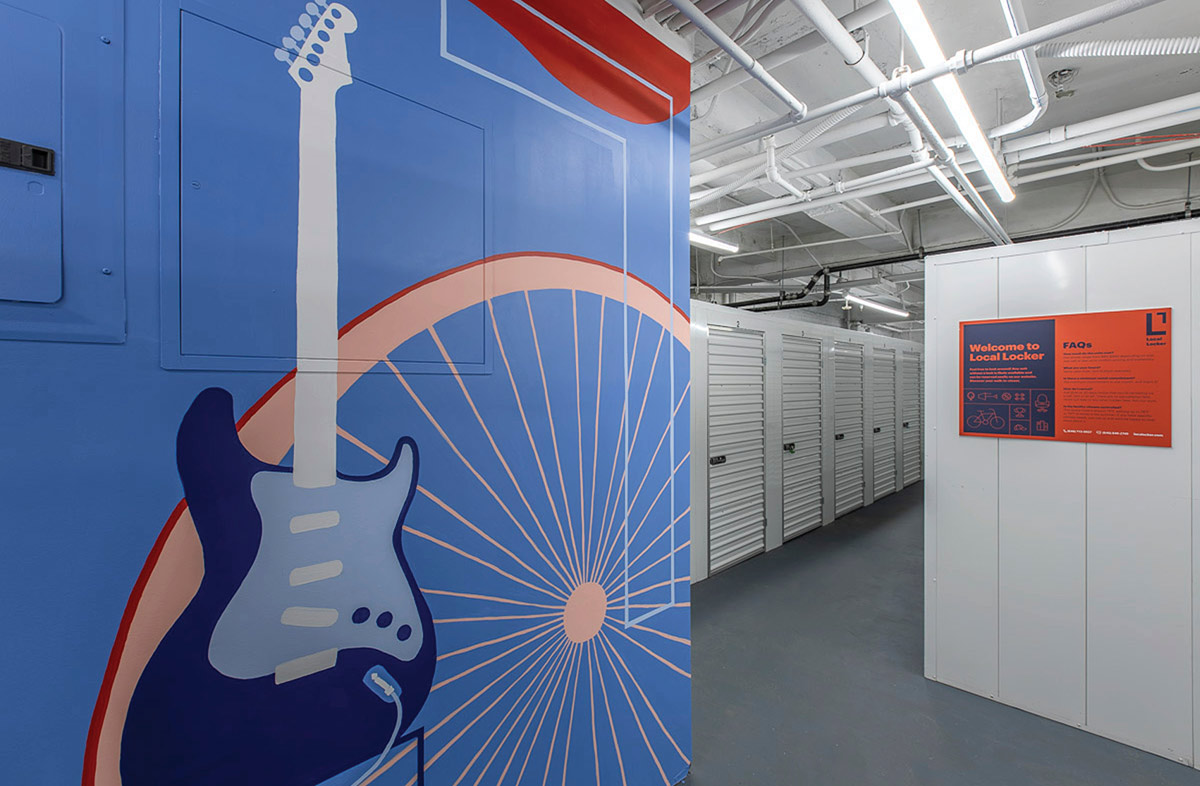
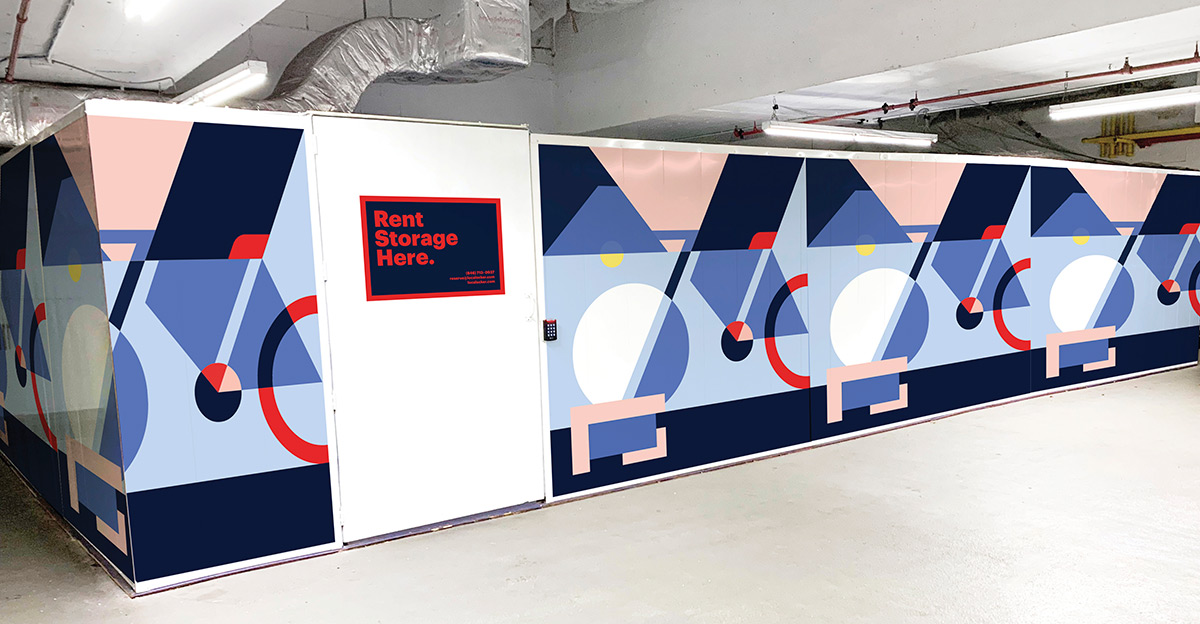
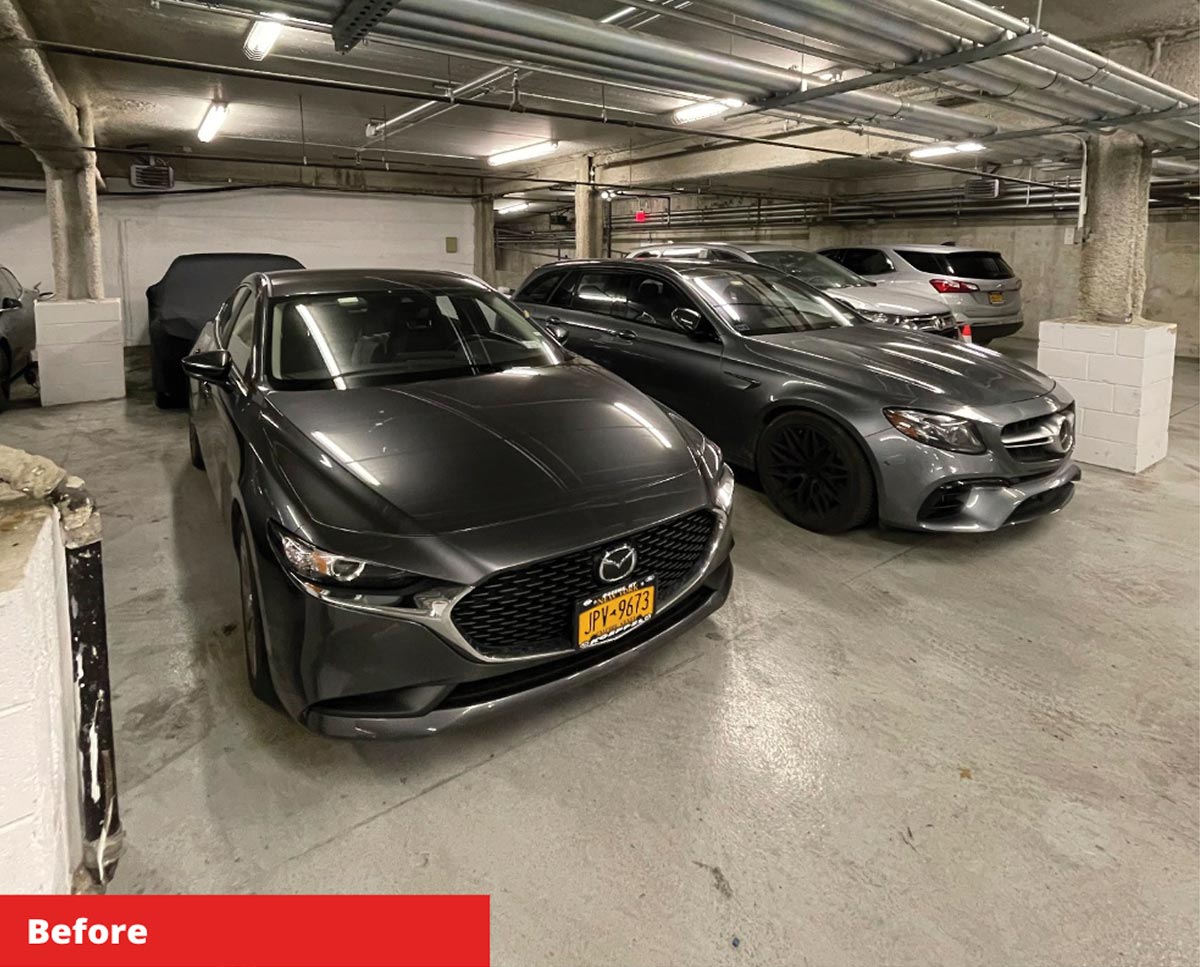
When discussing business ideas, Smyth pitched one: finding unused space in dense cities and turning them into storage units for people living above and around them. “In New York City, people don’t tend to have cars,” Hartman explains, “and we’d give them this convenient option, especially for people living in studio apartments.” This is how their first business venture, Local Locker, was born.
They started with very limited resources. “It was just the two of us,” says Smyth. “We understood it was a risk, and there was an opportunity cost that accompanied it, but we also knew we felt confident we could fall back on a career path.”
The friends got to work, and they worked hard. “The two of us would answer the phones, clean everything, set up the security cameras, and were the only ones working on site,” Smyth says. “We didn’t have the capital to have someone else do it, but it was also important for us to learn the trade. Also, I was way better in customer service than Alex was. I was picking up the phones faster!”
Hartman laughs. “I’m OK with calls going to voicemail,” he says. “Peter has a tick where he has to answer immediately.”
Doing things this way paved the road for them to become aware of the challenges of running storage operations. They recognized the feeling of accomplishment that comes from running a business, but they also understood why operators could grow tired of the day-to-day details. This is how their second business idea started to sprout.
The gears started turning. There clearly was a gap in the market, and Hartman and Smyth thought they could meet it. This time around, they were in a significantly better position to start a new business venture. “We started Local Locker with only one location and grew it to more than 50 of them, mainly in New York City and Washington, D.C.,” says Hartman.
Exterior of Local Locker Storage on Riverside Boulveard in New York, N.Y.
The pair had seen how the minutiae of daily business operations could distract you from focusing on creating real value. In order to benefit White Label and its clients, they understood technology would have to be a major component. “We were thinking about how to do this in a tech-forward way,” says Hartman, “in terms of managing facilities as well as conducting our internal operations.” The pair also recognized their competitive advantage: While there were plenty of legacy providers that have enjoyed longevity in the third-party management market, they tend to have a cost model that does not allow smaller stores to use them.
“We knew that the only way to do things effectively was with good technology,” says Smyth, “so we started thinking how we could serve that smaller market and charge a fee that wouldn’t destroy the facility’s value and would also be profitable for us.”
Since they had cash flow from Local Locker, as well as capital from outside investors, Hartman and Smyth were able to hire engineers. “Something managers struggle with is keeping up with changing rates,” says Smyth. “It’s time-consuming, but if you don’t do it, your facility is always behind and you’ll miss opportunities to increase rates in higher demand months, so we said, ‘Let’s build it’—automate a lot of the work to do it efficiently and deliver a high-quality product for our clients.”
And they’ve continued to build. In fact, they develop most of the technology they use to run facilities. “The most integral piece of the tech stack is the facility management software (FMS). That’s the backend database that houses all the tenant data, processes payroll, and integrates with third-party technology like access control, security cameras, and customer service software. We are not replacing the FMS,” says Smyth. “We build all our tools on top of the FMS: websites, revenue management, dashboards, and AI agents. We are in the process of rolling out a delinquency management tool called StorBill that reaches out to tenants and gets them back on autopay. It’s all about reducing friction and ensuring our managers are no longer tied up in these activities.”
Part of their appeal is integrations of every platform on their tech stack. A lot of these tools exist piecemeal, but they’re each an additional line item that the facility owner bears. They tend to be either too expensive or not customizable. White Label Storage removes these issues. “We build tools to make our team more efficient, while eliminating the additional line items for our clients. That’s our approach,” says Smyth.

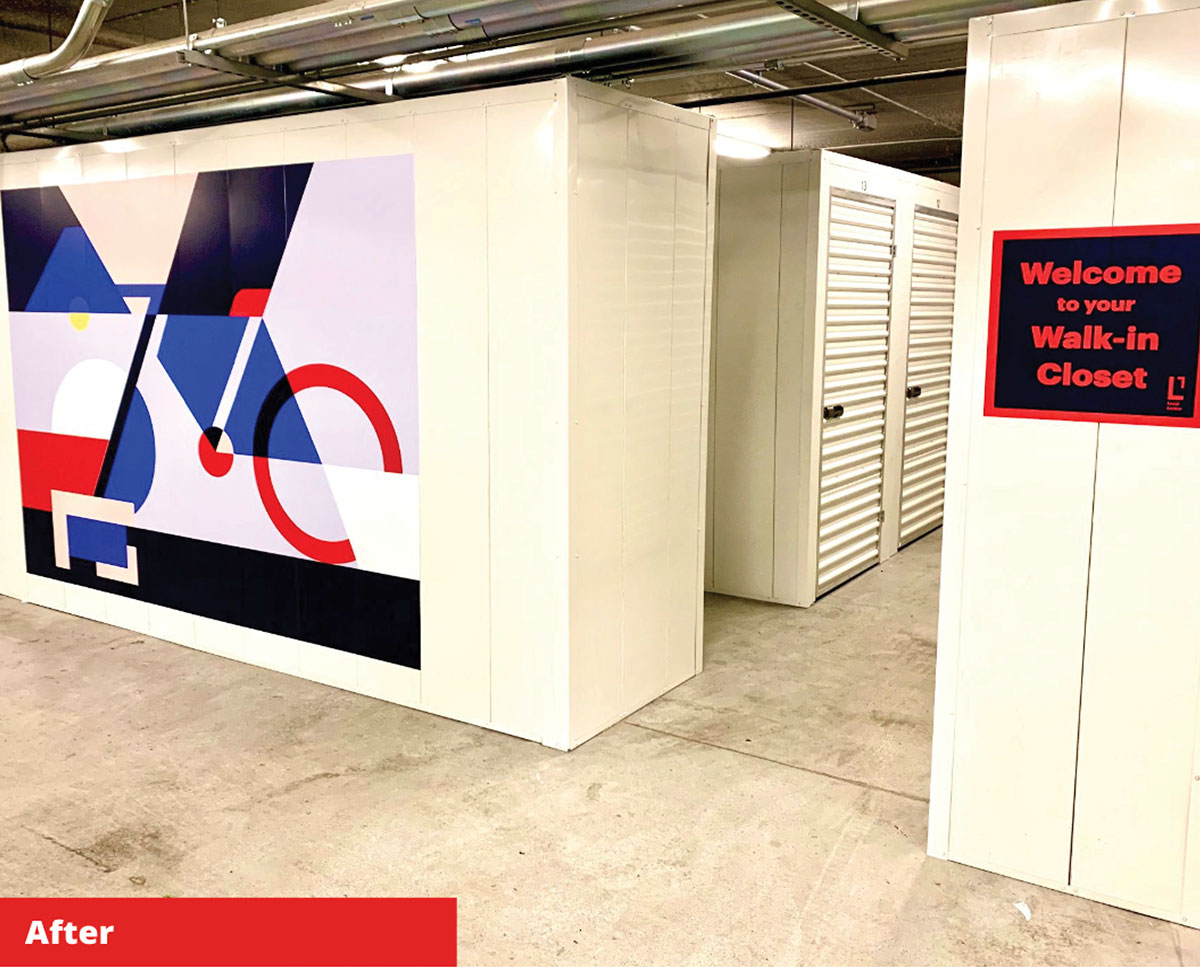
That right balance also changes depending on when the new hires come onboard. “As you hit new milestones, you have different priorities,” adds Hartman. “Going from zero to 50 clients presents a different set of challenges than going from 50 to hopefully one day 500.”
Smyth chimes in, saying, “Depending on the role, we try to identify people with a higher growth experience. We often like bringing in people who can take pieces of the playbook from other industries and cultures, then do that here at White Label.”
As examples, Hartman mentions implementing AI in their call centers, but he’s also mindful of maintaining a human element. “We think it’s a really good product, but it can’t answer every type of call right now. The tech is not there. If it does get there, it’s not going to be a self-storage manager or a REIT that figures it out. It’ll be large language model companies. So, it’s unclear where it’s going, but it’s an opportunity for most businesses.”
For his part, Smyth points out that even as technology advances, it’ll always be crucial to maintain human oversight. “There’s a lot of noise about AI and automation, but at the end of the day, the buck still has to stop with someone. A software company that says they will manage your facility has to include that component.” He notes that the typical owner is not going to accept software running their entire store. “From that standpoint, what will change are the tools, but our relationship with the client will remain the same.”
“Our value proposition and our promise to our clients remains the same as it’s always been,” says Hartman. “We don’t sell technology. We sell ‘managing your facility well.’ We’ll always do our best to maximize our clients’ profits, and we’ll do it at a competitive price. The allocation between technology and humans has changed, but it’s not ultimately what we offer our clients. That original promise is what we hold ourselves accountable for.”

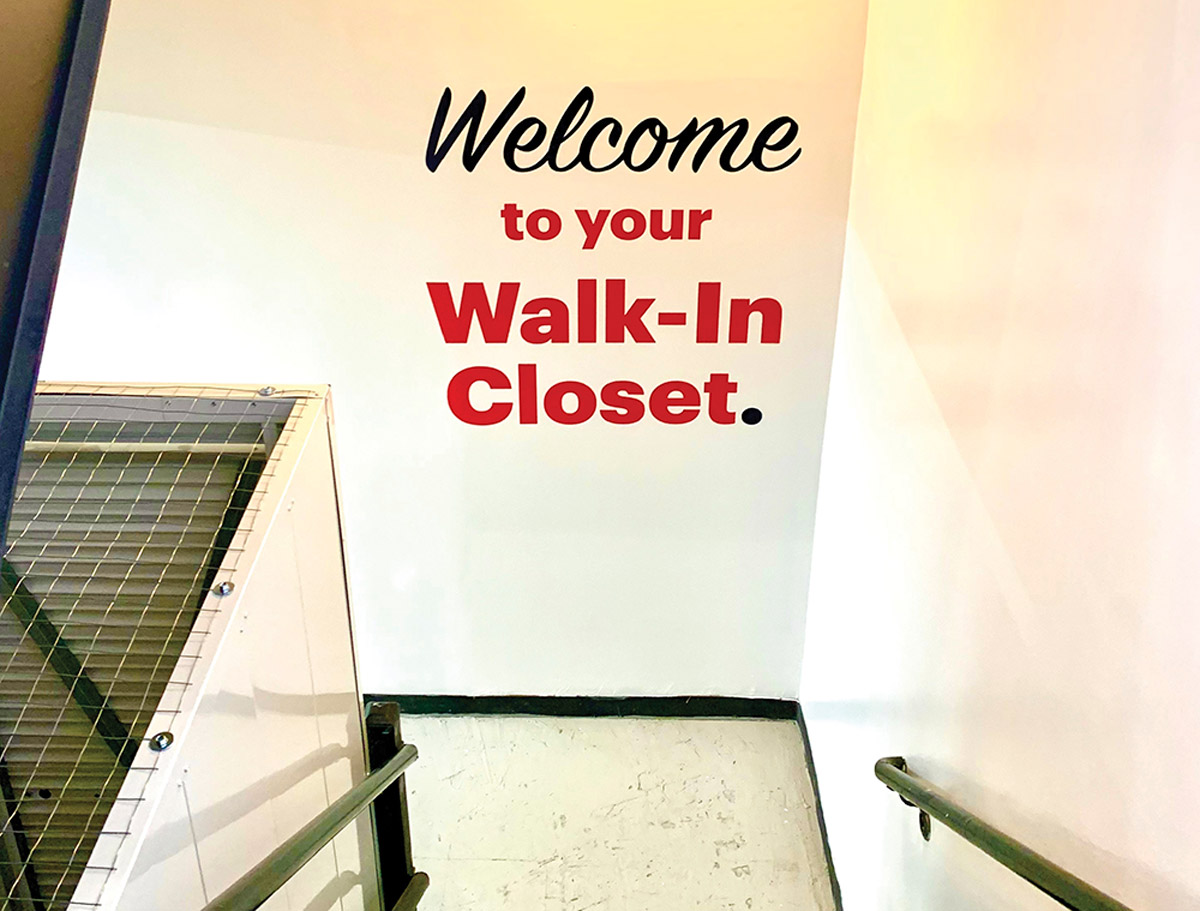
Stairwell of a location managed by White Label Storage
Hindsight is 20/20, and having all this experience gives the co-founders good insights about starting any kind of business. “Good opportunities come from some strategic advantage, whether it’s a lead on land or really good data on a specific market,” Smyth says. “We go to so many conferences where they discuss the state of the market, but even when taken within the context of averages, there are always markets that are way overperforming—and on the flip side as well. The people who do well stick to a strategy that’s unique to them.”
Hartman believes that it’s crucial to look into things on a much deeper level. “If you’re taking an SBA loan to purchase a facility that’s at 60 percent occupancy, thinking you’ll get it to 95 percent occupancy, you have to ask, ‘If it didn’t get there before, what’s going to be different now?’ Good management would be helpful, but a lot of people don’t have the details planned out. This has caused many business owners to get burned and leave the market. Self-storage is simple, but there are also non-obvious components to it as well, and you have to thoroughly understand what they are.”
All things considered, several things are evident. Smyth and Hartman have the acumen to identify great opportunities and bring them to life. They have also become industry experts precisely because they rolled up their sleeves and learned the ropes on their way to the top. And their friendship has surely made the journey more enjoyable. “Alex thinks that Josh Allen is better than Lamar Jackson, but Lamar has two MVPs and Josh Allen only has one,” Smyth quips.
“Pete was a division 1 athlete 14 years ago, but he likes to talk about it every day,” Hartman replies without missing a beat. “At least I ran my last marathon 18 months ago. He was a college athlete when George W. Bush was president.”
The banter goes back and forth for a while, and it’s certainly entertaining to listen. It’s also a reminder that individuals thrive when they’re in the right place—and with the right people.
“Without business school, I wouldn’t have been comfortable starting my own business,” says Hartman. “It would’ve been too foreign; but being around others doing it, your mindset changes, and you feel comfortable thinking about it.”