


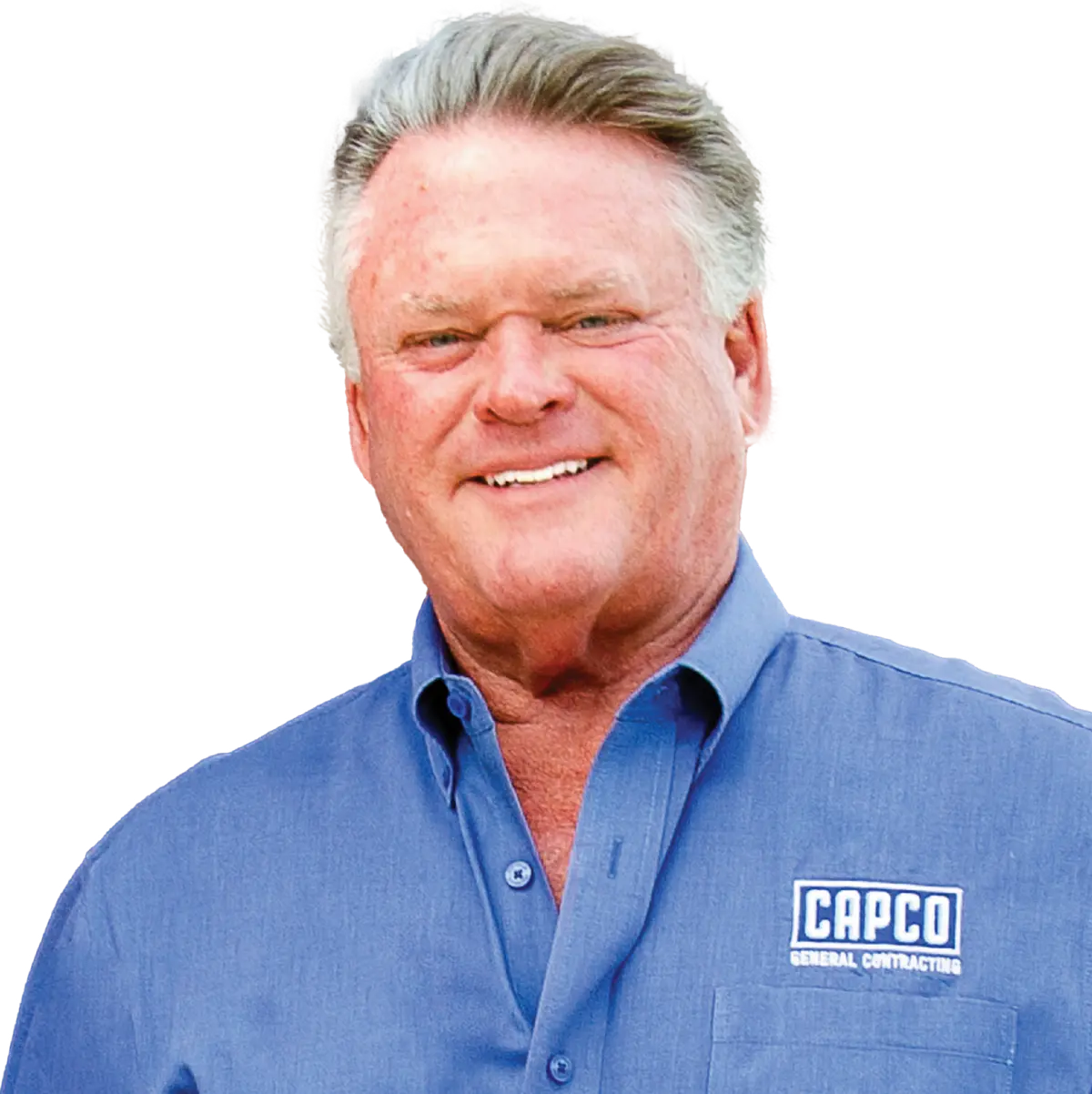
hen you’ve been in the self-storage industry for nearly four decades, you’re likely to learn priceless lessons about the business and how to weather any economic climate. That’s the kind of experiential knowledge Charles Plunkett, CEO Capco General Contracting and Capco Steel, Inc., who founded Capco Steel in 1985, brings to the table and candidly shares with new developers.
“With being in business for 38 years, there have certainly been many ups and downs,” Plunkett says. “I have been through so many cycles of economic growth and shrinking.”
And anytime there’s volatility, he’s asked one question on the regular: Is this a good time to build or develop self-storage?

- Interest rates are up “significantly.”
- The costs of building materials have escalated.
- Steel is more expensive.
- Shipping and delivery fees are higher.
- Labor costs have increased.
Although these statements are accurate, Plunkett points out that he’s been having the same discussion for 38 years. “Costs shouldn’t be the deciding factor. Costs will only continue to increase over time. They zig zag up,” he says, adding that any line item would create a stair-step graph. Even when costs decrease, “they never quite go down to where they were” before they increased.
All things considered, Plunkett says that potential developers should “assume it will never be less expensive than it is now. It’s difficult to time a ‘sweet spot’ without a crystal ball.”
Instead of wondering if costs and interest rates will recede enough to make their proposed projects more lucrative, or waiting around for better values that may never come about, he advises developers to determine whether the development would meet their minimally acceptable return on investment with the present-day pricing.
“It’s always a good time if the projected returns are there,” Plunkett says about building or developing self-storage. “Does it work today? If it will work today, there’s no reason not to move forward with it.”
What’s more, as Plunkett explains, “There’s aways upside to the business.” Populations, rental rates, and values all grow alongside construction costs.
For those seeking an industry average for cost analysis, Plunkett says, “We currently have projects with all-in construction budgets ranging from the low $70 per gross square foot to well over $100 per square foot. The average ranges that we see are roughly $75 to $90 per gross square foot.” These averages apply to projects they are building throughout Texas, as well as the lower Midwest and some along the East Coast and Southeastern U.S.
According to Plunkett, location can significantly impact costs in several ways. For starters, the cost of land will vary depending on the project’s location. Obviously, land within a primary market will be more expensive than land in a tertiary market, but the difference could make the project unfeasible.
“Location is a big factor in cost adjustment,” he says. “… if you are building in Houston, Texas, you have that regional cost. However, if you are building in New York City or San Francisco, those are two completely different circumstances. It could be as much as 50 percent higher, or even double the cost or more, to build in these areas. These costs are driven by cost of labor, unions, and many other factors. In my experience, there is always a parallel between the cost of construction and rents. Basically, this means that if you are building in an area where the cost of housing, cost of living, cost of land, and costs of construction are high, the rental rates in that area are also going to be high as well.”
And, as he knows all too well, some areas require extensive foundational work. “Across the country, there are many varying types of soil conditions,” says Plunkett. “Along the coast lines you can have sandy soil with the water table very shallow below the top of the soil, or bay mud that is not supportive of structures. You can have very rocky soil or even hard flint rock to deal with, or you can have highly expansive clay soils. All of these require different types of procedures to provide a suitable sub-grade to build on.”
He goes on to say, “The additional cost to repair the soil condition could range from an added $3 to $7 per square foot of gross building. So, if you are developing a three-story, 120,000-square-foot building, this could cost an additional $360,000 to $840,000 for your project depending upon the procedure necessary. If you are not aware of this potential expense, you may be in for a very big surprise.”
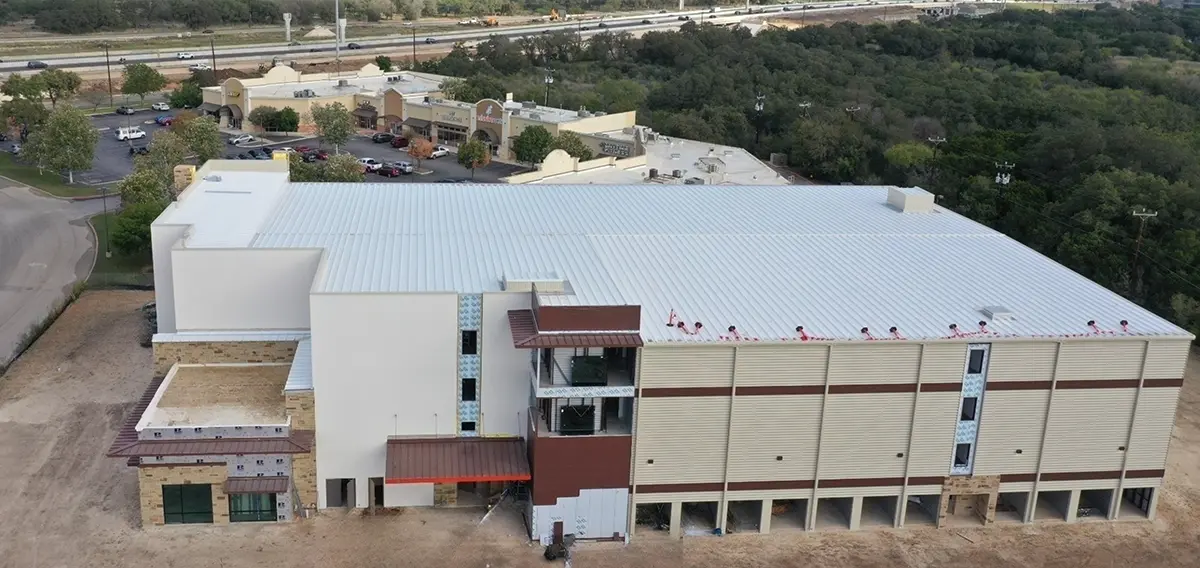
Building in phases is a strategy that has helped many developers get their projects across the finish line. Typically, phasing includes building a multistory, climate-controlled facility first, then constructing additional buildings as (or after) the first building leases up. Income from the climate-controlled rentals can be used to fund future phases.
When it comes to modifying the original design, Plunkett says to “tailor it to the market but really look at it” because the design may include unnecessary elements. As an example, he recommended that one developer redesign his project to include one multistory facility instead of two buildings. By doing so, they essential cut costs in half as fewer stairs, elevators, walls, etc. were required. Eliminating the covered, drive-thru loading bay also helped make the project pencil. Moreover, developers can dial back on the finishes and build less extravagant offices to save money; you can build an appealing property without going over the top with glitz and glamor.
“Temper the dream,” he says, adding that developers should question what’s driving the project. “What’s most important to the project? Be willing to compromise. Eighty percent of something is better than 100 percent of nothing.”
On another note, while it was previously considered more costly to build multistory projects, Plunkett states that the costs to build single-story and multistory facilities are comparative. Multistory facilities require elevators and stairs, but single-story facilities need more land, paving, site work to prep the earth, and cement slabs.
“Analyze the costs and demand,” he says. “Look at all the elements and how the costs compare to the revenue it will produce. There is a market for drive-up storage in most markets, but climate-controlled storage produces more revenue.”