


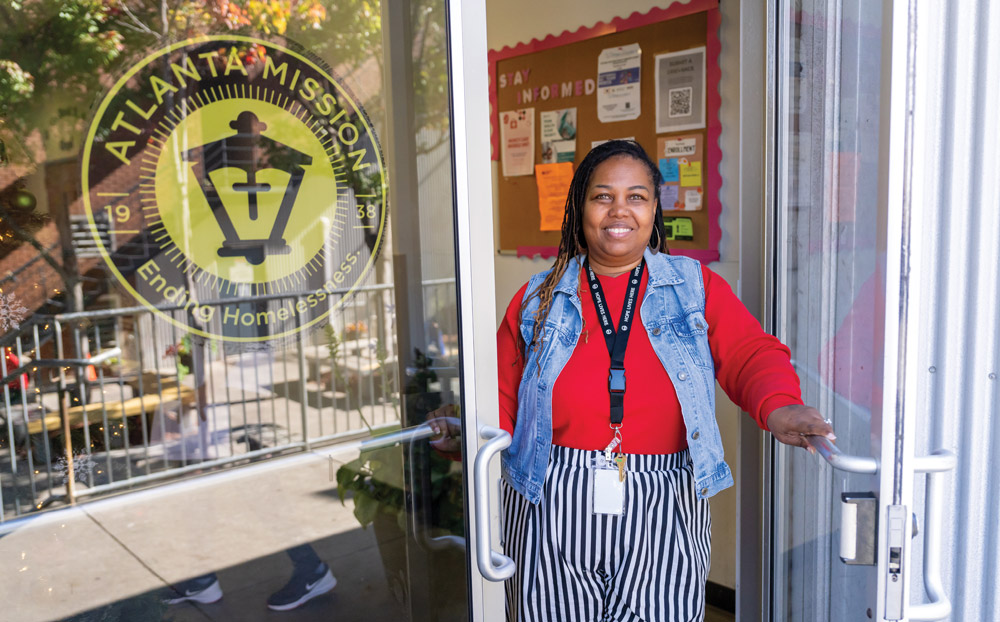
he roar of the 1920s came to an abrupt halt at the end of the decade when the stock market crashed, plunging the nation into the Great Depression. As factories closed and businesses went bankrupt, millions of Americans lost their jobs, savings, and even their homes. In 1938, as the country continued to struggle through the depression, Atlanta Mission opened its doors as a small soup kitchen and 20-bed shelter.
Today, Atlanta Mission is the city’s largest and longest-running provider of services for those experiencing hunger and homelessness. However, Atlanta Mission’s work now extends far beyond providing food and shelter. Through counseling, addiction recovery, education, career development, and spiritual support, the organization equips people with the tools they need to rebuild independent lives. In 2025 alone, the nonprofit served more than 773,000 meals, provided nearly 260,000 bed nights, conducted approximately 4,200 counseling sessions, and enrolled 695 individuals in addiction recovery services.
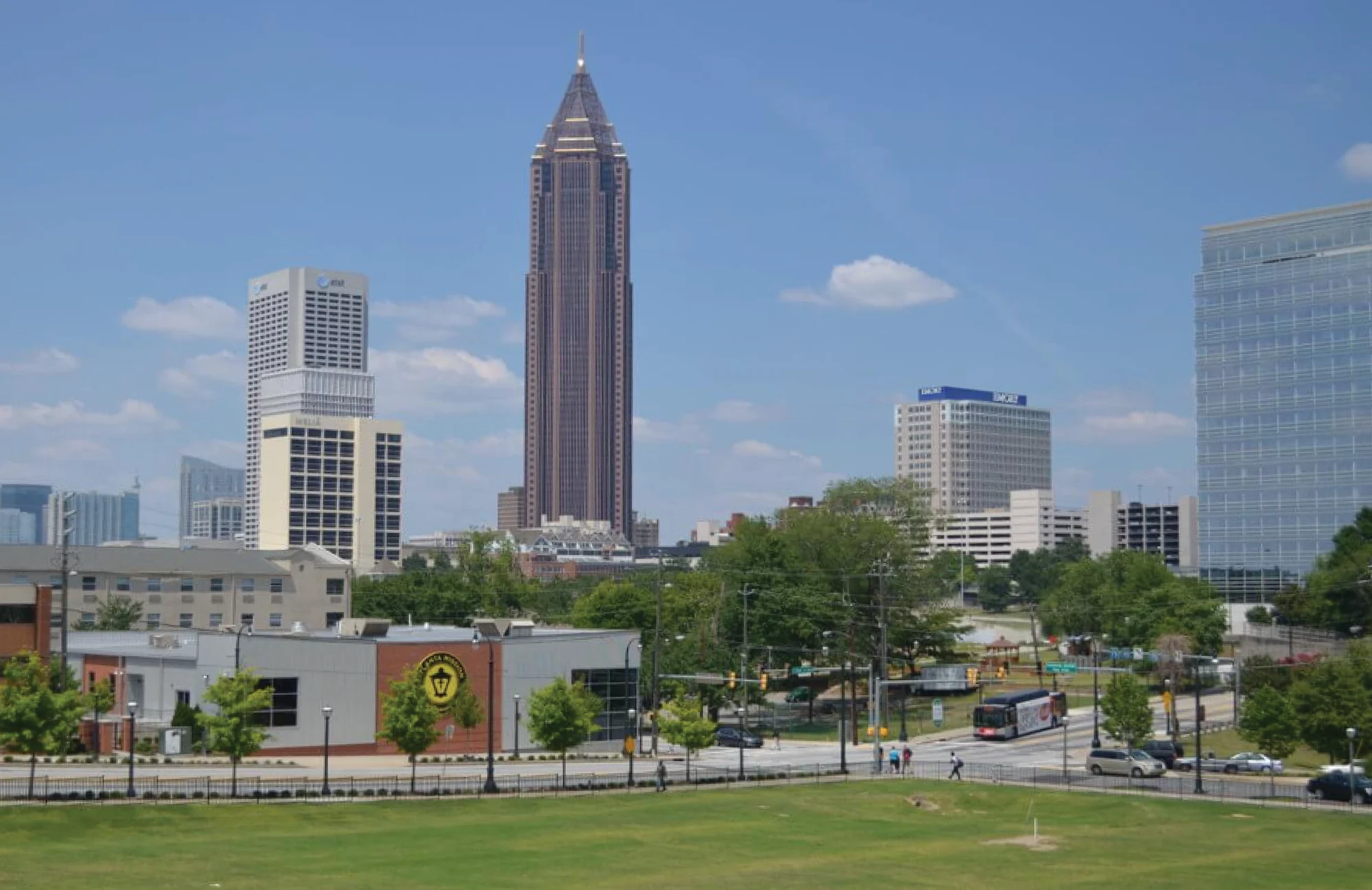
“At Atlanta Mission, we believe the future worth building is one centered on human dignity, where efficiency, scale, and systems exist to serve people, not the other way around,” says Tensley Almand, president and CEO of Atlanta Mission. “So, when I think about Atlanta’s future, I don’t just picture new buildings popping up along the skyline—I picture people.”
he roar of the 1920s came to an abrupt halt at the end of the decade when the stock market crashed, plunging the nation into the Great Depression. As factories closed and businesses went bankrupt, millions of Americans lost their jobs, savings, and even their homes. In 1938, as the country continued to struggle through the depression, Atlanta Mission opened its doors as a small soup kitchen and 20-bed shelter.
Today, Atlanta Mission is the city’s largest and longest-running provider of services for those experiencing hunger and homelessness. However, Atlanta Mission’s work now extends far beyond providing food and shelter. Through counseling, addiction recovery, education, career development, and spiritual support, the organization equips people with the tools they need to rebuild independent lives. In 2025 alone, the nonprofit served more than 773,000 meals, provided nearly 260,000 bed nights, conducted approximately 4,200 counseling sessions, and enrolled 695 individuals in addiction recovery services.
“At Atlanta Mission, we believe the future worth building is one centered on human dignity, where efficiency, scale, and systems exist to serve people, not the other way around,” says Tensley Almand, president and CEO of Atlanta Mission. “So, when I think about Atlanta’s future, I don’t just picture new buildings popping up along the skyline—I picture people.”
According to Atlanta Mission, one of the most common misconceptions is that homelessness is a choice. In reality, most people desperately want stable housing but have been derailed by circumstances such as job loss, medical emergencies, domestic violence, or the rising cost of housing.
Addiction and mental illness are often assumed to be the primary causes of homelessness. While both are challenges for some clients, per Atlanta Mission, they are frequently symptoms of deeper issues, including trauma and relational poverty. In Atlanta, fewer than one-third of people experiencing homelessness struggle with substance abuse, and roughly one in three reports living with a serious mental illness.
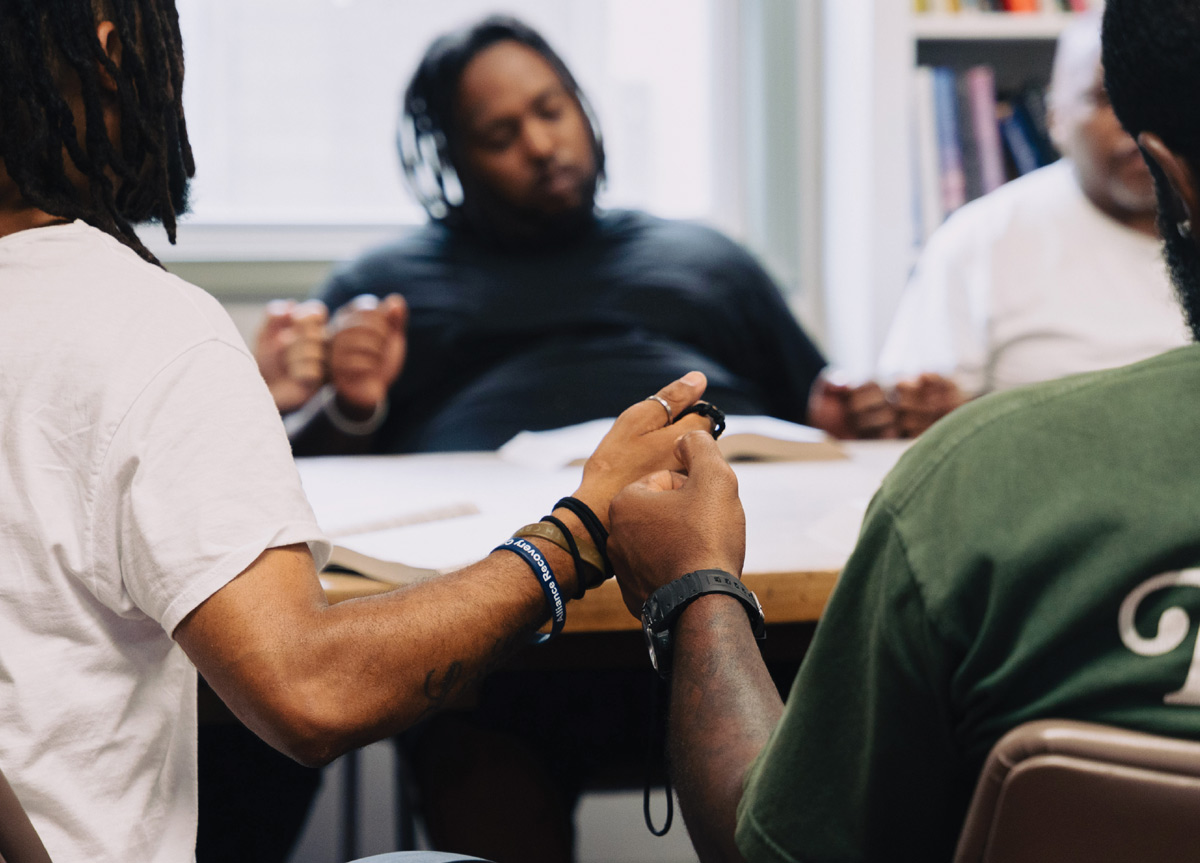
The face of homelessness is also far more diverse than many people realize. While single men are often the most visible, Atlanta Mission serves families with children, military veterans, women escaping domestic violence, and countless others whose housing insecurity may be largely invisible to the public. Some sleep in their cars, while others move from couch to couch, hidden in plain sight.
“One of our goals is to break the stigmas surrounding homelessness,” says Almand. “We also don’t ever want homelessness to define who someone is. We see it as a circumstance, one that people can overcome with the right support, relationships, and opportunities.”
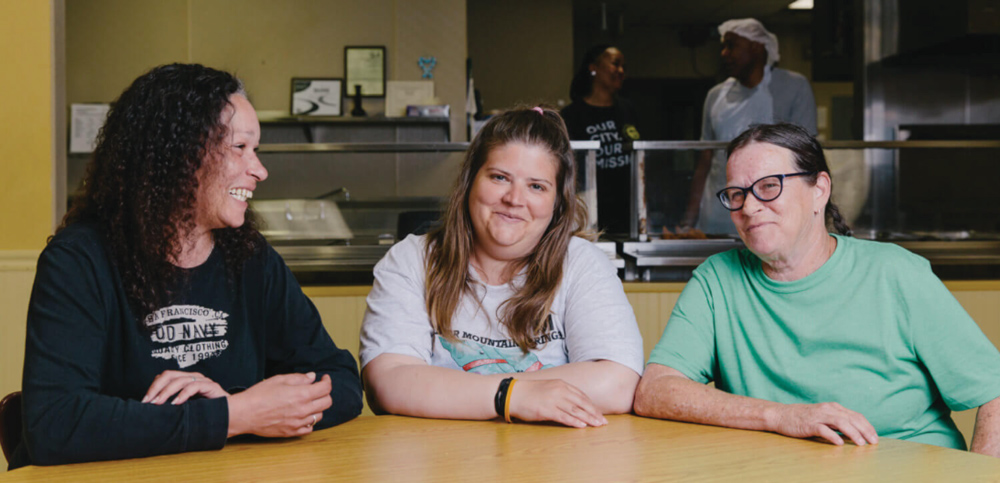
Next comes “Find Hope,” where relationships begin to form. Social workers sit alongside clients to better understand challenges such as addiction, mental health, employment history, and housing instability. Rather than rushing people through the system, Atlanta Mission focuses on identifying the barriers that have prevented long-term stability.
The most significant step is “Choose Help.” Clients who decide they are ready to pursue lasting change meet with an ambassador, who conducts a comprehensive assessment over multiple one-on-one conversations. Together, they determine whether the individual is ready to enter Atlanta Mission’s long-term residential transformation program known as “Make Progress.”
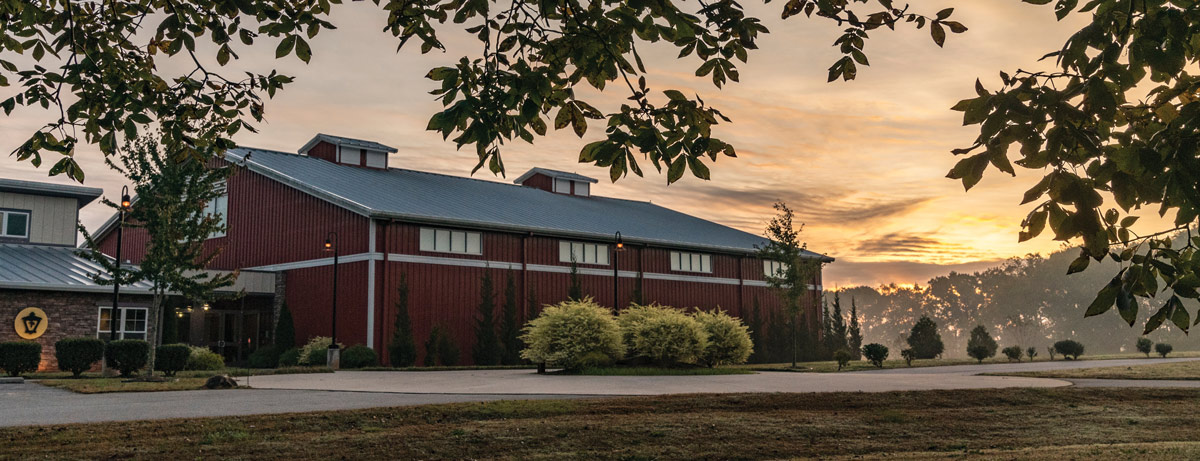
Those accepted into Atlanta Mission’s residential transformation program begin rebuilding their lives on campus, where housing, childcare, meals, clothing, counseling, and other essential services are provided at no cost. Residents remain there throughout the program, focusing on recovery, personal growth, and preparing for employment.
Atlanta Mission also works to keep families together whenever possible. Because the children of its residents often arrive behind in school, the Mission offers tutoring, counseling, and academic support to help them catch up while their parents rebuild stability.
Launched in 2019, Next Steps prepares Atlanta Mission clients for careers, helps them find work, and then supports them long after they’ve been hired. “Before Next Steps, clients received some vocational training, but there was no official program in place,” says Julie Stokes, director of vocational services. “We knew we needed something better, but none of the external resources we looked into were a good fit until we found Cara Collective.”
Cara Collective is a nationally recognized nonprofit that helps organizations develop career programs for people overcoming homelessness and poverty. After studying more than 30,000 job placements, the organization identified a common pattern: Technical skills may help someone get hired, but soft skills are often what determine whether they stay employed.
Stokes says, “There are five that get people fired: time management, teamwork, conflict management, communication, and professionalism.”
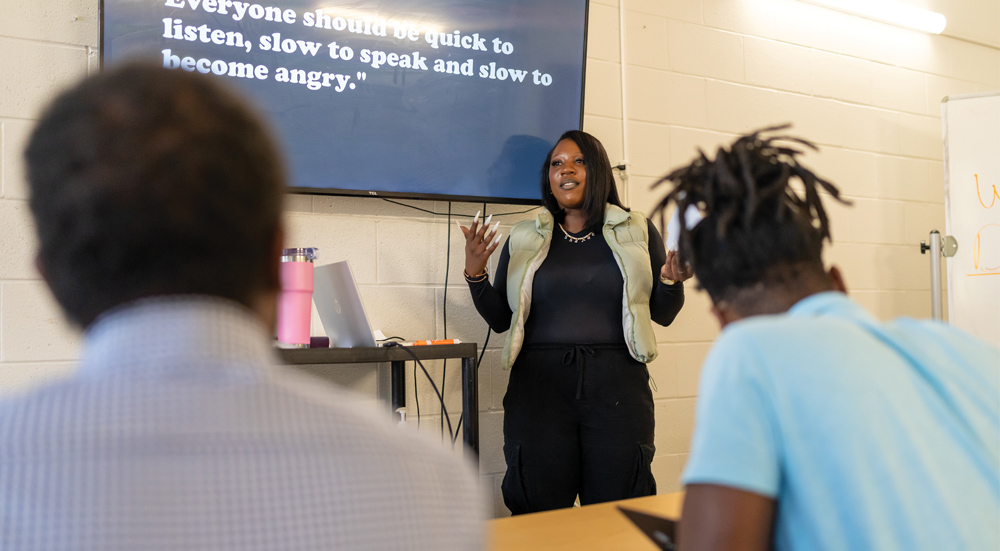
Those five workplace habits form the foundation of Next Steps’ four-week curriculum, which consists of 64 classes designed to help clients recognize and break patterns that have often followed them from job to job. Along with classroom instruction, participants practice real-world scenarios before graduating and being paired with a job search coach who helps refine résumés, prepare for interviews, and identify employment opportunities.
To help overcome that obstacle, every graduate is assigned a retention coach who stays with them for an entire year after they’re hired. Rather than solving problems for clients, coaches help them navigate the everyday challenges that can threaten employment, from workplace conflicts and childcare issues to transportation problems and difficult conversations with supervisors. “Anybody can help you create a résumé. Anybody can help you job search,” says Stokes. “It’s in those moments of conversation, of push and tug and pull, where a client finally says, ‘I haven’t told anybody else this, but …’”
For Stokes, those conversations are what make the program successful. Many clients arrive carrying years of trauma and self-doubt, possibly even criminal records, making trust just as important as résumé writing or interview preparation. “We like to say that what we do in Next Steps is the bridge between a client being stable and a client actually seeing opportunity,” she says. “It’s where they first begin to think, ‘I actually can do this.’”
After seven years, the results have been encouraging. Approximately 71.5 percent of participants who complete the program secure employment and remain on the job for at least a year, a figure Stokes believes reflects the program’s emphasis on long-term success rather than simply finding work. “We find that a good majority of those who finish that first year end it with promotions,” she says. “We’ll get phone calls three or four months in saying someone has been moved into a lead role or taken on additional responsibilities.”
Stokes credits those successes to the workplace habits clients spend weeks developing, from communication and professionalism to conflict resolution and time management. “It’s really about getting clients to think beyond the next paycheck,” she says. “We want them thinking about where they’ll be a year from now, what opportunities they’ll have, and what their future can look like.”
Ultimately, she says, the goal isn’t simply employment. “It’s really about getting clients to believe in themselves.”
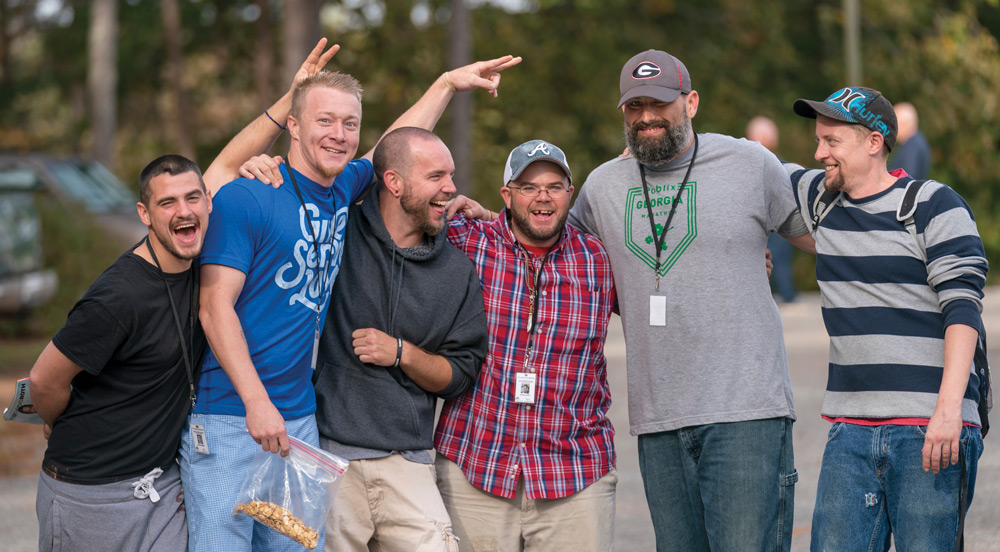
“Everybody’s got different trauma and different issues they’re coming in with,” says Stokes. “We’ve had people come in with no job experience, and we’ve had them come in with doctorates. We had a CFO stay with us once. Our clients come from all walks of life.”
That diversity is one reason Next Steps focuses less on teaching technical trades and more on developing workplace habits that apply across virtually every profession. “The soft skills apply in any role that you’re in,” says Stokes.
She recalls preparing a volunteer to conduct mock interviews with two clients on the same day. The first was a young mother in her early 20s applying for a fast-food position, where scheduling around childcare would be a major consideration. The second was a man who had spent two decades working in cybersecurity and information technology before finding himself at Atlanta Mission. “Everybody has a different set of needs,” says Stokes, “and they’re all looking for something different.”
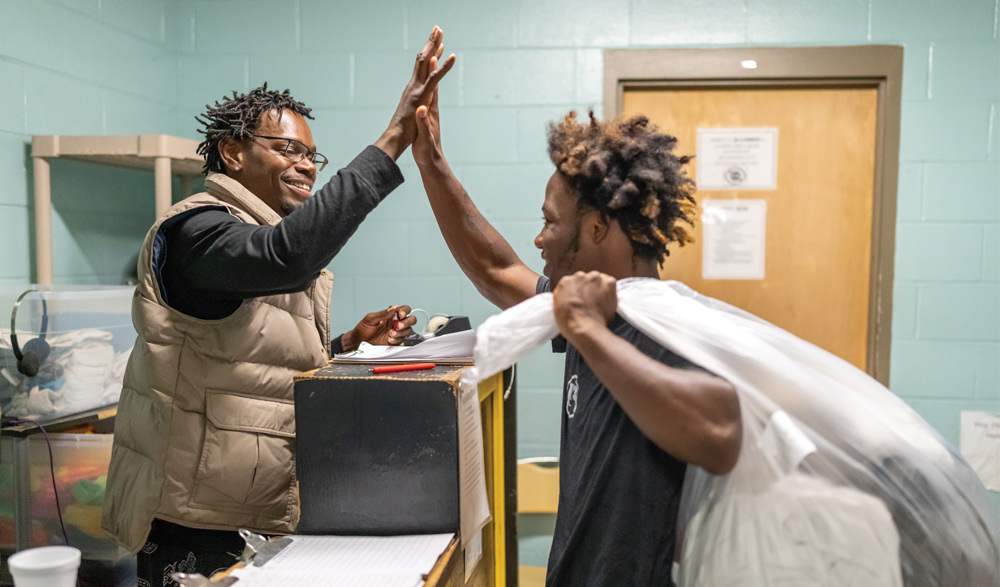
While faith is central to Atlanta Mission’s identity, participation in religious activities is not a condition of receiving services. Faith-based classes, prayer, and chapel services are available, but participation is voluntary, and clients are never denied assistance because of their race, religion, sexual orientation, or personal beliefs. “Nothing is forced,” says Stokes. “If you want to talk about faith, great. If you don’t want to talk about it, that’s OK. The goal is to get you employed.”
Support extends well beyond financial contributions. Atlanta-area residents can donate furniture, clothing, and household goods through the Mission’s thrift stores, with proceeds helping fund its programs. Businesses frequently organize drives to collect hygiene kits, cleaning supplies, and other essentials that help clients transition into permanent housing, while volunteers serve meals, conduct mock interviews, teach classes, and assist with special events throughout the year. “There are all kinds of ways to get involved,” says Stokes. “It really depends on your passion and what you feel comfortable with.”
Whether through financial gifts, donated supplies, or volunteer service, every contribution helps Atlanta Mission continue the work it began nearly 90 years ago, restoring hope and creating pathways to independence for thousands of men, women, and children.
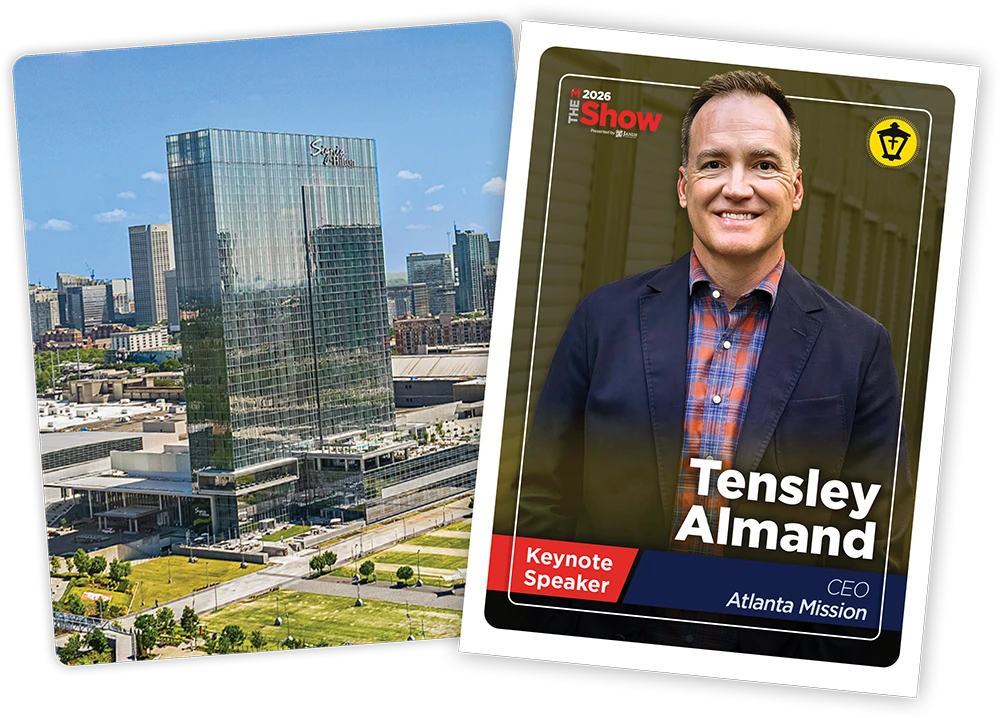
MSM is thrilled to support Atlanta Mission and the amazing work they do by making the organization the official charity of THE Show, coming to Atlanta Nov. 4 to 6. “Atlanta Mission was a perfect fit for us,” says Travis Morrow, CEO of MSM. “Many self-storage operators have had the heartbreaking task of removing homeless individuals and even families from units they’d been living in. Atlanta Mission offers these people an alternative and a chance to rebuild their lives.”
Morrow met with the organization at one of their campuses and was inspired by what he saw. “The facilities are incredible, the staff is wonderful, and I saw a lot of energy surrounding the program. You could tell they were excited about their journey ahead.” In next month’s story, we’ll highlight one Atlanta Mission client who had been staying in a storage unit and is thriving today.
To give back to the local community, THE Show is encouraging its sponsors, exhibitors, and attendees to donate financially and/or bring in-kind items. Donation boxes will be set up throughout the Georgia World Congress Center where the event will be held. Although Atlanta Mission accepts most donations, below are a few items that would have the most meaningful impact for the individuals and families the organization serves:
- Gently worn business and business casual clothing for participants of Atlanta Mission’s job placement program
- Reusable water bottles (for clients during intake)
- New throw blankets
- Mouthwash
- Bus passes or public transportation gift cards
Click the button below for a complete Atlanta Mission donation wish list.
“Every donation, no matter the size, directly supports individuals and families in our community as they work toward stability,” says Cara Adams, the in-kind donation partnership manager. “Thank you for your generosity!”
Catch Tensley Almand at THE Show. His keynote address will be held Thursday, Nov. 5 from 4:30 to 5:30 p.m.