


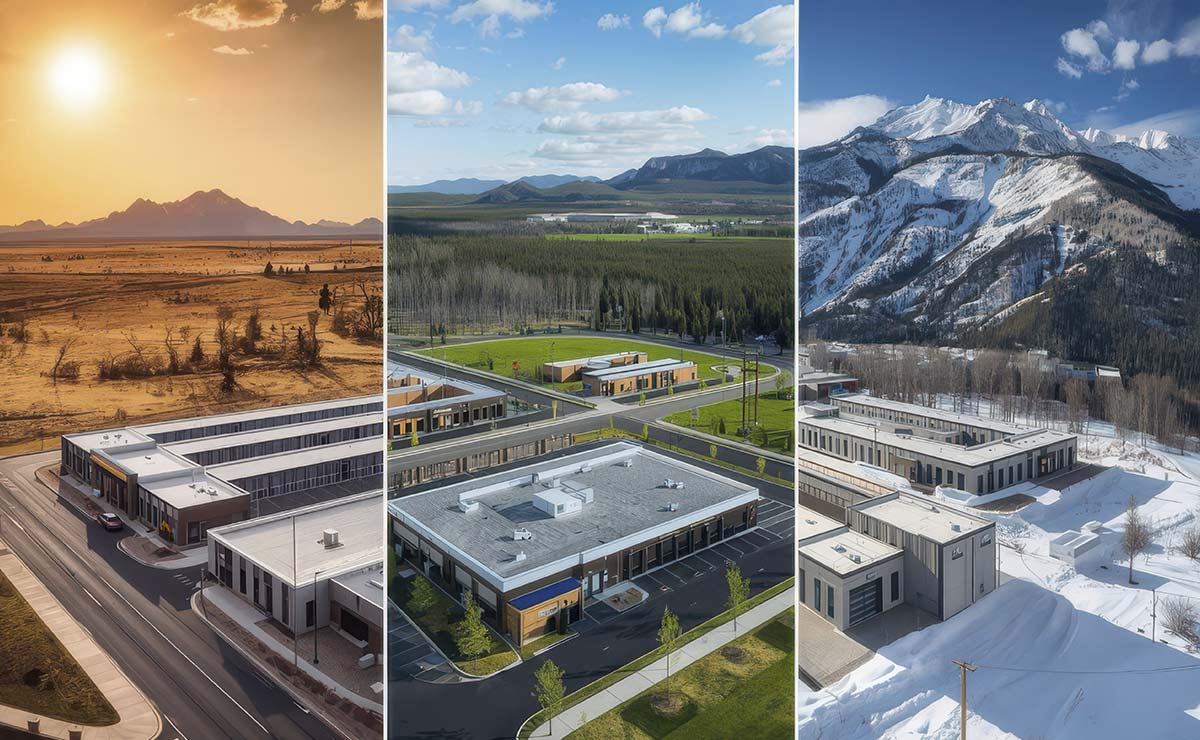
elf-storage demand is shaped by far more than square footage and unit mix. Climate patterns, population densities, age groups, and regional lifestyles all influence how facilities operate and what types of customers they serve.
When a portfolio spans multiple states, these differences become clear. Each region brings its own challenges and advantages, pushing operators to refine strategies, customize offerings, and stay flexible enough to meet varied customer needs.
Working across diverse markets reveals patterns that can help any operator strengthen performance. Whether the region is humid or dry, growing or stable, suburban or rural, understanding local conditions has a direct impact on occupancy, pricing, marketing, and day-to-day management. These lessons create a much stronger foundation for operators seeking more resilient, adaptable, and efficient storage portfolios.
Hot and Humid Regions
In warm, humid climates, customers often see climate control as essential rather than optional. High temperatures and moisture can negatively affect furniture, electronics, documents, photographs/film, and household goods. Demand for climate-controlled units is typically higher in these regions, and customers are willing to pay more for the protection. Operators who invest in reliable, efficient climate-control systems generally see stronger occupancy and fewer customer complaints.
Cold And Snow-Prone Regions
Facilities in colder regions face another set of challenges. Snow on roofs, fluctuating temperatures, freeze-thaw cycles, and icy drive aisles make winter operations more demanding. Key considerations include:
- seasonal maintenance scheduling,
- durable roofing and drainage systems,
- snow removal logistics and equipment,
- weather-resistant exterior materials, and
- extended gate hours to accommodate shorter daylight.
Operators must also communicate proactively during storms to reassure customers and maintain trust.
Dry Or Desert Markets
Dry, desert-like regions often see higher demand for outdoor parking, especially for RVs, trailers, and boats. These climates allow for more exterior storage options without the same moisture-related risks found elsewhere. Understanding how weather shapes certain customer habits ensures each facility offers relevant features rather than a uniform, less-effective set of amenities.
Suburban Markets
In suburban communities, customers typically have more belongings, larger homes, and more frequent life transitions related to family growth. Suburban renters often seek:
- 10-by-10, 10-by-15, and 10-by-20 drive-up units;
- RV, boat, and trailer parking; and
- long-term rentals tied to home renovations, relocations, or downsizing.
Customer service expectations tend to be moderate, with convenience and access ranking as top priorities.
Urban-Adjacent Areas
Markets near large cities attract a different customer base. Renters include apartment dwellers, students, military, and people in transitional housing situations. These customers often prioritize:
- smaller unit sizes like 5-by-5 and 5-by-10,
- strong digital tools and online rentals,
- short-term contracts, and
- extended access hours.
Operators in these regions may experience faster tenant turnover, requiring more frequent marketing and community engagement.
Rural Customers
In rural areas, customers often value affordability, simplicity, and long-term reliability. They may use storage to:
- house seasonal equipment,
- store recreational vehicles,
- hold tools or small machinery, or
- keep items related to farming or land use.
Because rural customers often expect to stay for years, operators benefit from lower turnover and reduced marketing cost. Rural markets may require more education around modern storage features or digital tools.
Hot Regions
Hotter markets often benefit from:
- a higher percentage of climate-controlled units,
- covered or shaded RV and boat parking,
- wide drive aisles for large recreational vehicles, and
- units designed to support long-term household storage.
Customer willingness to pay for climate control also means operators can introduce premium tiers without significant resistance.
Northern Markets
Cold-climate markets often value drive-up units more, especially when customers need quick access to tools, winter equipment, or vehicles. These renters may prefer:
- exterior drive-up units in multiple sizes,
- 24/7 access to navigate
- winter schedules,
- strong lighting and security, and
- units large enough to store ATVs, snowmobiles, or utility trailers.
Operators who expand drive-up options typically see stronger demand in colder regions.
Rural Markets
Rural customers frequently need:
- 10-by-20, 12-by-30, and larger contractor-style units;
- outdoor parking for trucks, trailers, or farm equipment; and
- simple, durable construction over aesthetic finishes.
These units attract long-term tenants such as independent tradespeople, small-business owners, and recreational enthusiasts.
Hot Markets
In warm climates, climate-controlled units often carry a wide pricing gap above non-climate-controlled options. Customers see the value clearly, especially when storing sensitive items. Operators may use tiered pricing to differentiate climate, interior, drive-up, and premium climate.
Regions with heavy tourism or high seasonal population shifts also support dynamic pricing models.
Cold Or Rural Markets
In colder and rural markets, customers often prioritize stability over premium features. Operators may see more consistent results with steady annual increases instead of frequent dynamic changes, bundled pricing for long-term renters, and promotions that highlight accessibility rather than aesthetics.
Understanding local tolerance for rate adjustments leads to more sustainable revenue planning.
Suburban Renters
These customers respond well to marketing that emphasizes:
- extra space during life transitions,
- easy drive-up access,
- secure storage for household goods, and
- long-term reliability.
Rural Renters
Rural renters respond to practical, straightforward messaging; rural marketing tends to perform better when it focuses on:
- affordability,
- equipment storage,
- vehicle parking, and
- long-term dependability.
Community connections and local partnerships also matter more in smaller towns.
Urban-Adjacent Renters
Renters near larger cities want digital convenience and often choose the facility that offers:
- instant online rentals,
- automated gate access,
- digital customer support, and
- easy unit sizing tools.
Modern, seamless online experiences are often more important than physical amenities.
Standardization Helps but Flexibility Wins
Core systems such as maintenance schedules, customer service protocols, and lease management benefit from consistency. However, flexibility must exist in unit mix, pricing, promotion timing, amenity investments, and staffing models.
Operators who tailor these elements to each market perform better across the board.
Weather-Driven Maintenance Planning Is Crucial
Hot regions require HVAC upkeep and pest control. Cold regions need snow removal, drainage management, and freeze protection. Coastal or humid regions demand moisture monitoring and corrosion-resistant materials. Facilities that anticipate seasonal demands avoid emergency repairs and ensure customer satisfaction.
Staffing Needs Vary by Market
Customer expectations differ with demographics. Some areas require heavy digital support, while others value in-person interaction. Rural markets may benefit from long-time local hires who build community trust, while urban-adjacent facilities often run efficiently with lean, tech-driven staffing models.
Successful operators do not rely on a single formula. Instead, they adapt, observe, and tailor each facility to the realities of its market.
The ability to scale across varied markets is not just a strategic advantage. It is quickly becoming a necessity in a storage landscape defined by rapid change, shifting populations, and evolving customer expectations.
Andrew Bonnis is a content specialist at StorIQ, a digital marketing firm specializing in helping storage operators generate more move-ins. As a self-storage investor himself, with 84,000 square feet under management, he focuses on practical insights for owners and operators.