


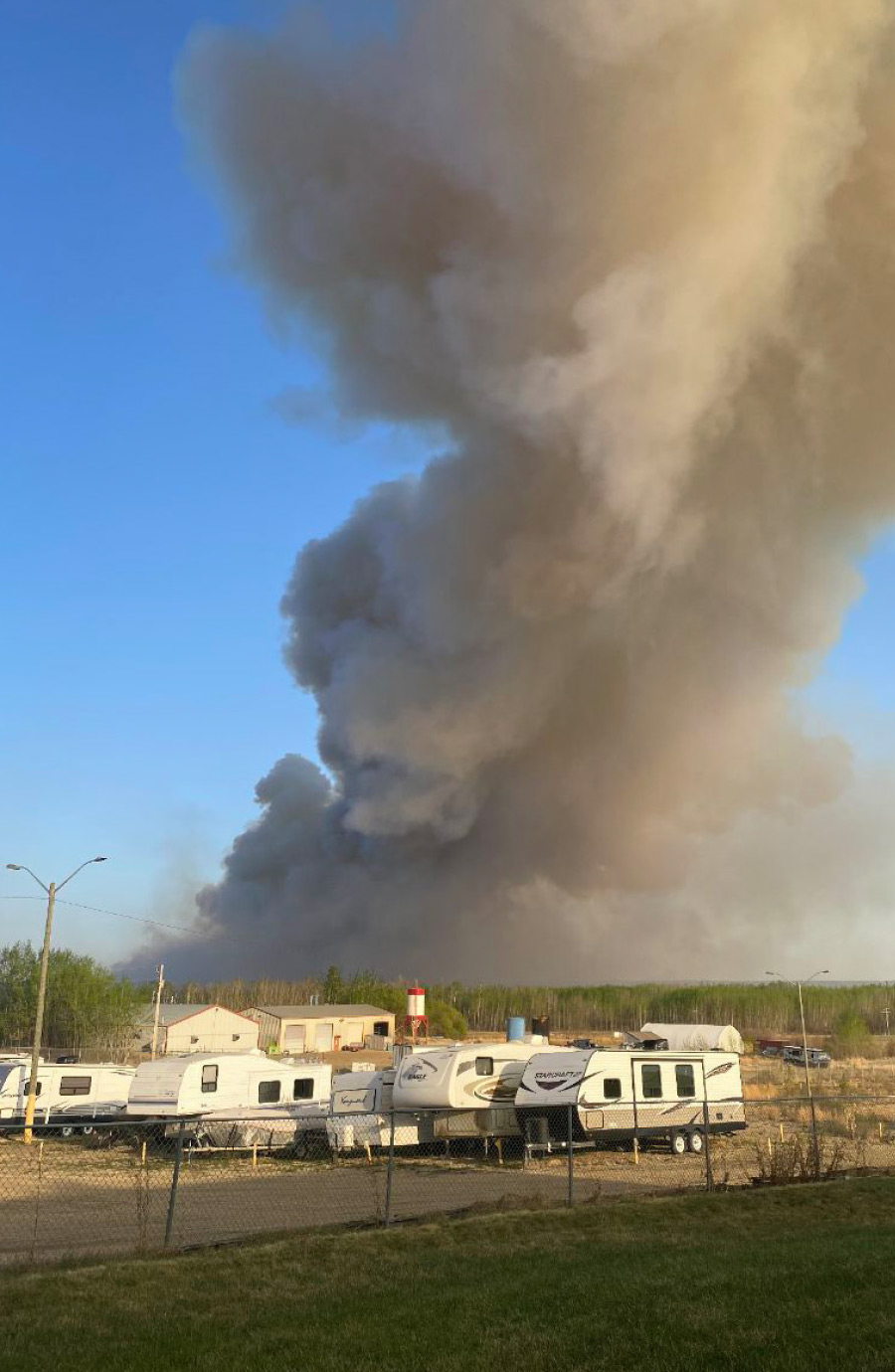
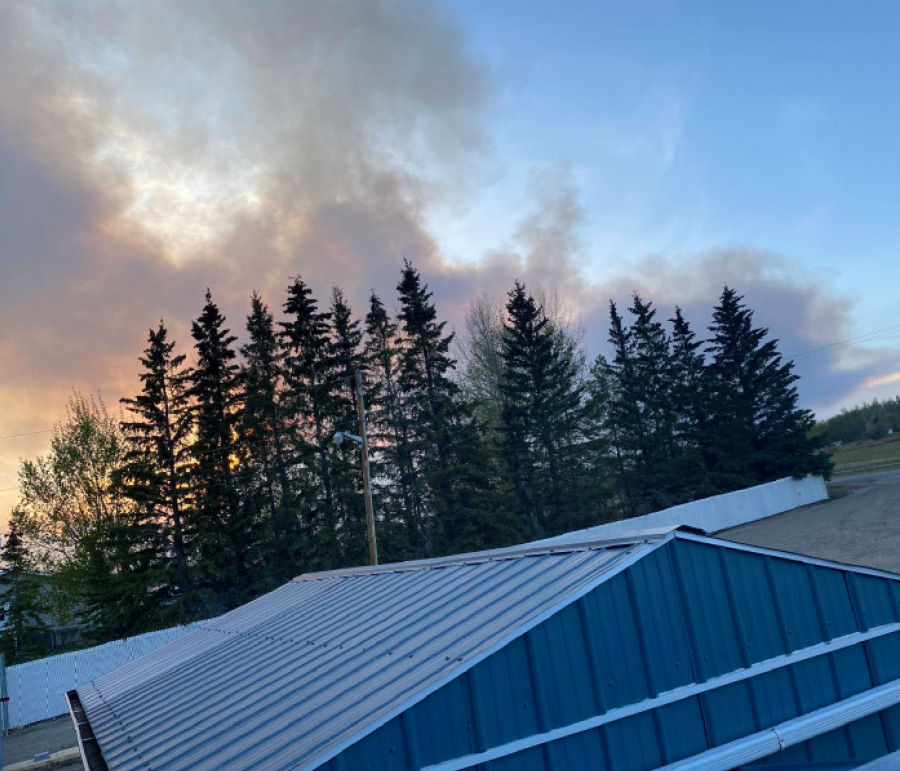
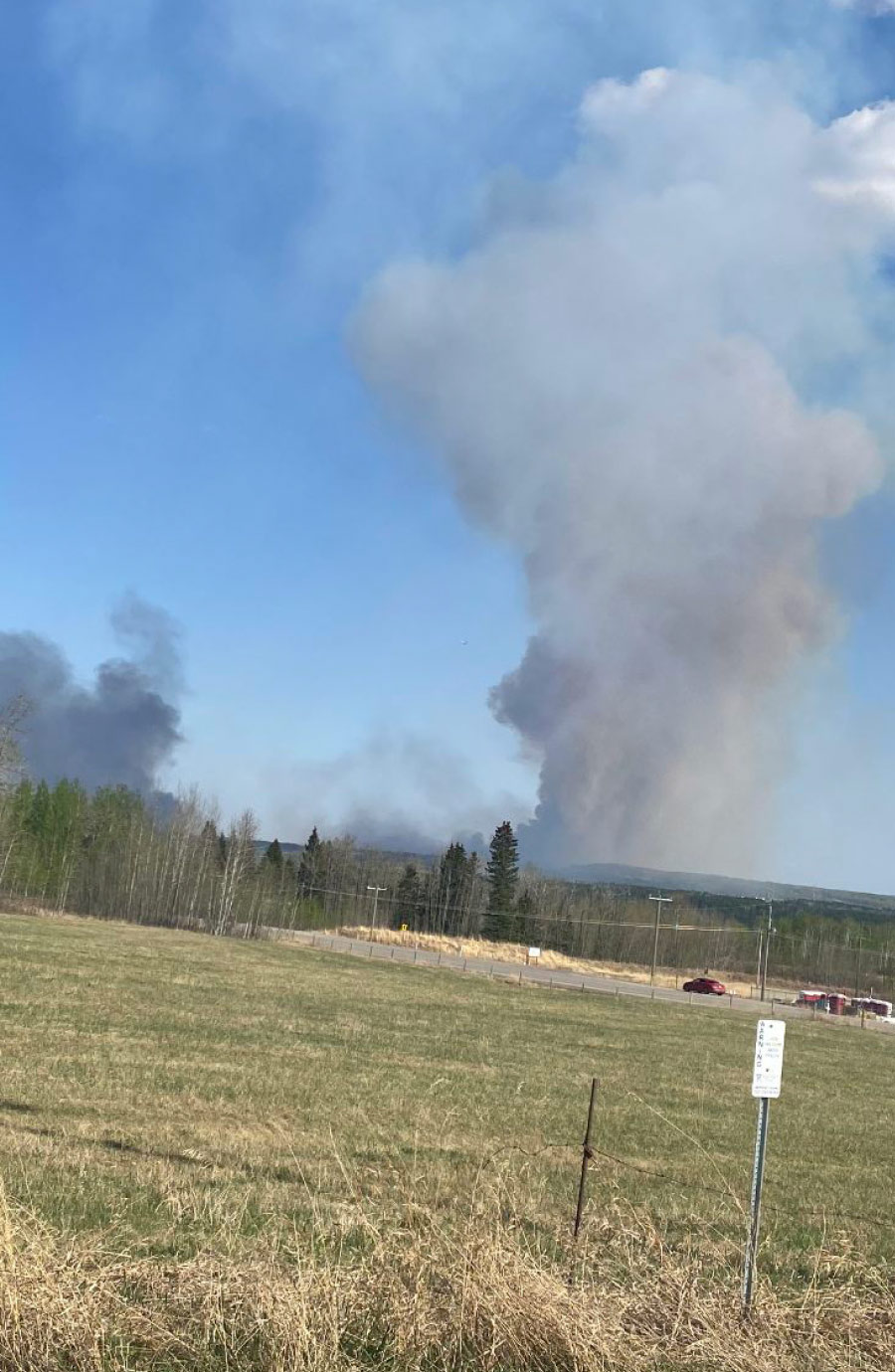
ildfire season has arrived once again, officially spanning from April 1 to Oct. 31 each year. The concerning trend of increasing wildfire occurrences has become evident over the past few years. While wildfires have always been a part of Canada’s landscape, their intensity and frequency are now reaching unprecedented levels.
This rise can be attributed, in part, to the warmer and drier winters experienced across most of the country, likely influenced by phenomena such as El Niño. Continual shifts in climate patterns suggest that the incidence of wildfires will persist in growing.
Last year marked Canada’s most devastating wildfire season on record, with over 15 million hectares scorched. More than 600 fires have already been recorded this year, significantly surpassing the 10-year average of 430 for this period.
As we gear up for the climax of this fire season, it’s crucial to ask ourselves this question: Are we adequately prepared?
Last year, numerous wildfires spiraled out of control, leading to the evacuations of 48 communities and more than 38,000 individuals in Alberta. These evacuations underscore the critical importance of having a comprehensive plan in place for such emergencies.
Evacuation orders can be issued swiftly and with little notice. Are you prepared to vacate your facility for an unknown duration? Can your operations seamlessly transition to remote functionality?
- Establish clear communication channels with ownership in the event of evacuation.
- Develop an exit plan for leaving offices unmanned, outlining pre-evacuation tasks.
- Create a checklist for essential tasks, ensuring continuity of day-to-day operations remotely.
- Enable key staff to access facility and gate software remotely.
- Provide staff with clear directives for crisis management and customer communication.
- Implement a detailed communication plan with customers, including regular updates and reassurances.
- Utilize social media to provide live updates and reassure customers about the safety of their belongings.
- Define communication timelines and manager responsibilities during evacuation.
- Develop remote work protocols for staff to manage inquiries and payments.
- Ensure remote access to email and software, securely storing passwords.
- Stay informed through local news and emergency services to relay timely updates to customers.
By proactively addressing these points, businesses can better navigate the challenges posed by wildfire evacuations and ensure the safety and confidence of their customers.
Being prepared for wildfires is crucial for effectively managing evacuations if the need arises. If you’re situated in a wildfire-prone area, take advantage of the abundance of resources at your disposal. Start by exploring government websites at both the federal and provincial levels, as they offer valuable information. Additionally, many provinces provide wildfire apps for download, allowing you to stay informed about any fire threats to your facility(s).
In addition to accessing government websites and wildfire apps, there are several other proactive measures you can take to enhance your wildfire preparedness.
- Conduct regular drills. Practice evacuation procedures with your staff to ensure everyone knows their roles and responsibilities in the event of a wildfire.
- Create a wildfire emergency kit. Assemble a kit containing essential items such as water, non-perishable food, flashlights, batteries, first-aid supplies, and important documents. Keep this kit easily accessible in case of evacuation.
- Maintain defensible space. Clear vegetation and debris from around your facility to create a buffer zone that can help slow the spread of wildfires and protect your property.
- Invest in fire-resistant materials. Consider using fire-resistant building materials and landscaping techniques to make your facility more resilient to wildfires.
- Develop relationships with local authorities. Establish connections with local fire departments and emergency services to stay informed about wildfire risks in your area and receive timely updates and alerts.
- Train staff on fire prevention. Educate your staff about wildfire prevention measures, such as proper disposal of cigarette butts, and the importance of reporting any signs of smoke or fire immediately.
By taking these additional steps to enhance your wildfire preparedness, you can better protect your facility and mitigate the risks associated with wildfires.