



Lindau goes on to say, “Towns want retail to live, but it’s not living very well these days. An empty building makes a blighted neighborhood. When you have a building that’s been empty for a couple of years, they’d like anything in there. That’s why they allow self-storage into places they normally wouldn’t, especially if it’s been empty for two, three, even five years—you can get a good location where others can’t and it will be more likely to get approved.”
Besides better locations, conversions may be more economical. “Sometimes these buildings are sold fairly cheaply,” says Lindau. “A big benefit of a conversion project is you will be able to get in at a lower cost base than building a new facility from the ground up. The power is already in, the bathrooms are in, everything major is already in, so you could get a less expensive per-square-foot build. Therefore, your break-even is less. If the cost per square foot is low, you look more profitable.”
Although there is an undeniable benefit of sustainability, rescuing abandoned buildings and giving them new life can carry financial benefits. “Sometimes you will also get tax increment financing (TIF) money or financial abatement on property tax,” Lindau says. “It can sometimes help make a deal work, when you run the numbers with for example three years of no property tax. Woo, let’s go! Now your break-even is lower, because for the government, it’s in their best interest to keep a community feeling vibrant and alive and avoid security issues.”
Lindau continues, “It’s expensive to rip these buildings down and then build new. We’ve rebuilt strip malls into storage, which I never thought we’d see. I’ve seen them repurpose everything—dead Kmarts, all the dead Toys R Us, Borders, and there are more on the horizon. And what is very strange is I’ve seen malls now repurposing their shuttered anchor stores, rather than see them sit as empty boxes, to make the mall seem more alive. Macy’s went out of business at Beaver Valley Mall in Pittsburgh and U-Haul moved in.”
In an era where zoning is becoming increasingly challenging and new policies and restrictions seem to spring up each week, the benefit of grandfathered zoning designation cannot be underestimated.
“The game has changed a little bit. In my town, where zoning is very hard, my best chance of ever building another mini-storage is doing a conversion,” says Lindau. “The properties are already there in the desired location, and you don’t have to fight the new laws coming in. You don’t have to meet the ‘Is this the highest and best use of this property?’ bar. That question goes away when there’s a building already there which is dead and unoccupied. It affects the property values to have empty buildings. It’s not good for the community, safety, security, and can lead to problems, so you find a situation where storage can be welcomed.”
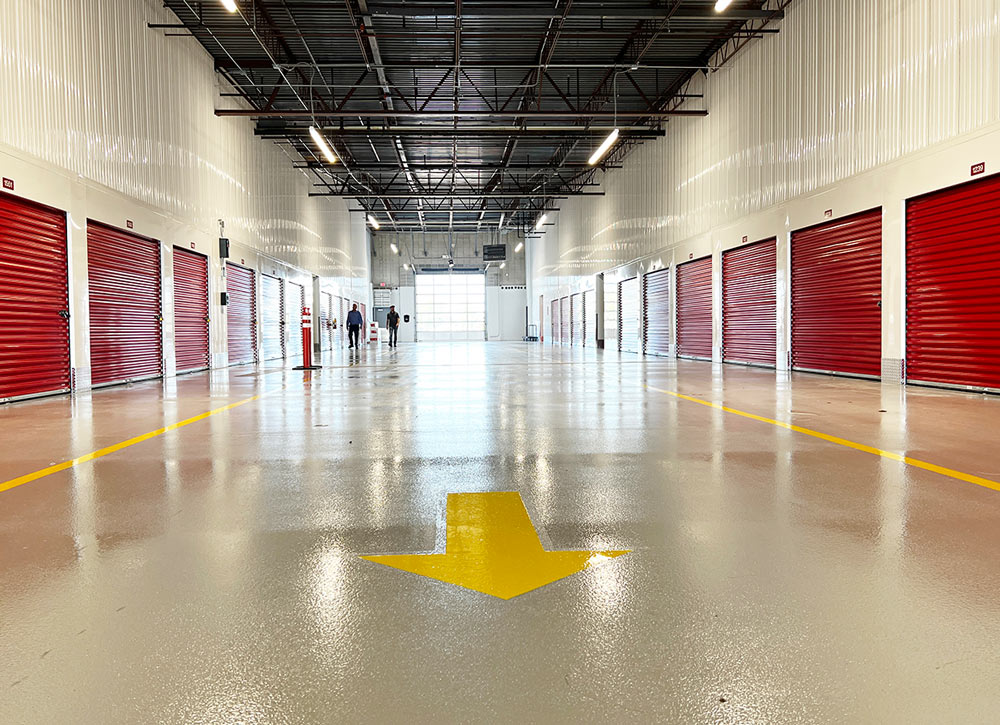

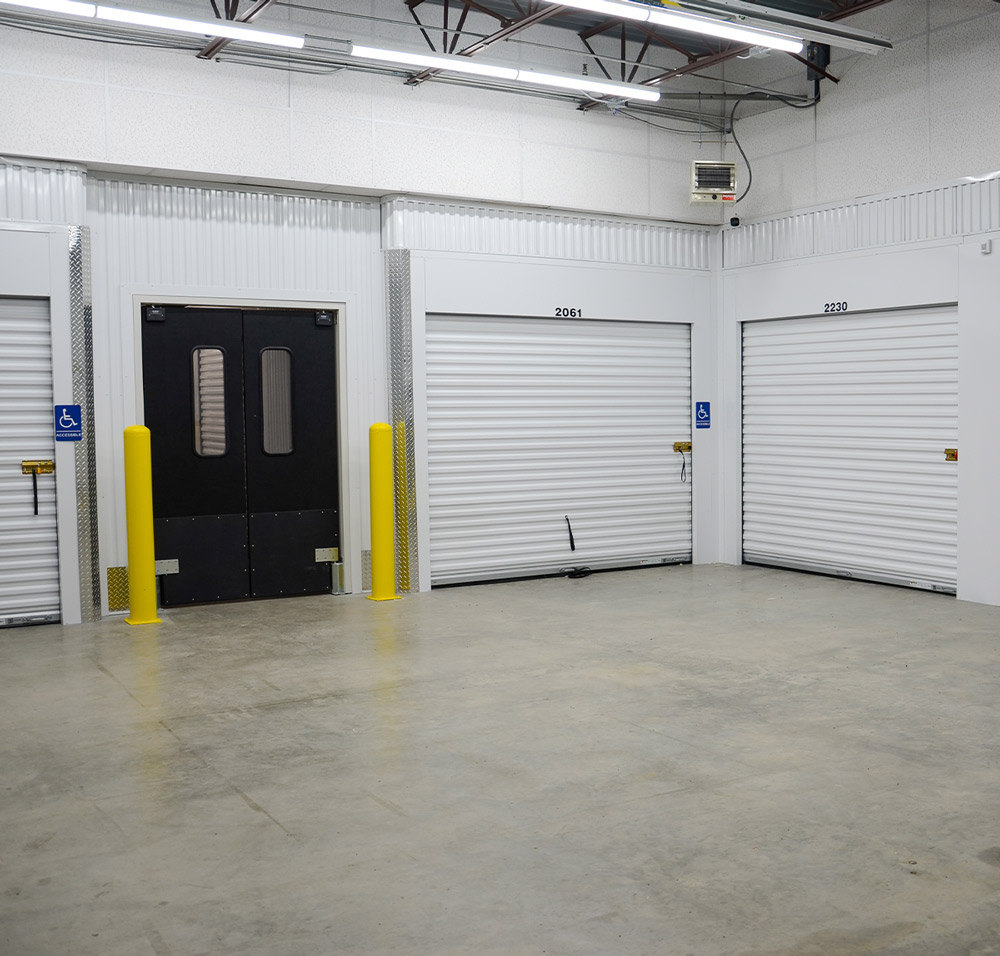
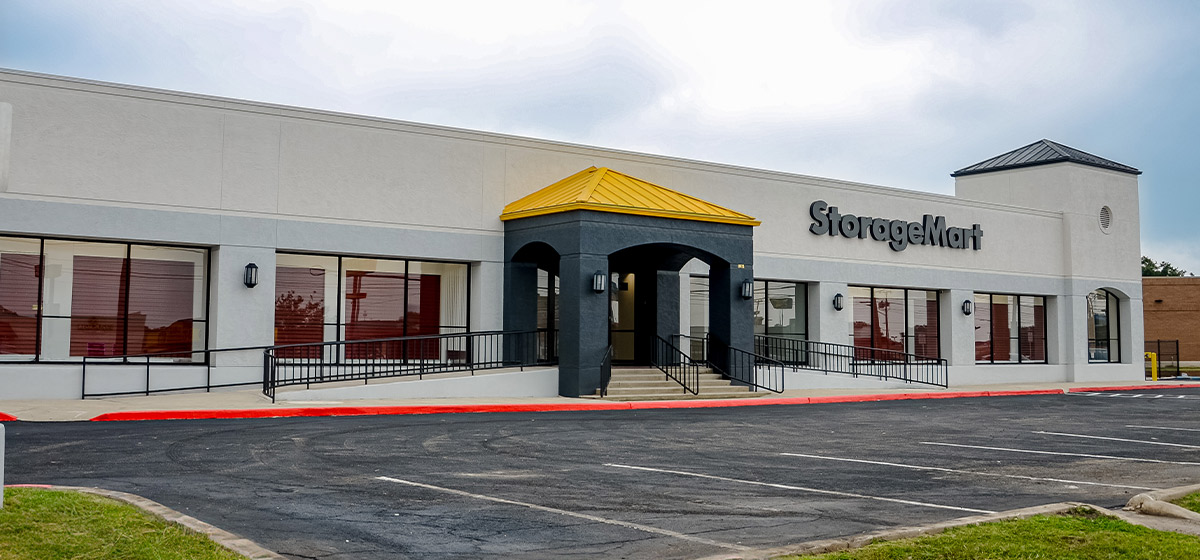
“The dangers of opting for a conversion is that there might be asbestos in the building,” says Lindau. “The roof might be bad; the sprinkler system could be bad. So, your due diligence is to check for these things. I’ve seen asbestos in the roof, asbestos in the floor tiles, and asbestos around pipes. From a banker perspective, they would want a clean bill of health on the building just like they want a clean bill of health on your land before you can build.”
It’s not always just a case of dangerous materials or heavy investment into bringing an older building up to code. Modern building practices take into account aspects like sustainability and have improved products to manage energy consumption that not only have a big impact on environmental concerns but financial results as well.
“I remember a mistake of one new owner,” says Lindau. “They did a conversion of a building built in 1962 when they didn’t add much roof insulation. It was a climate control, very successful mini-storage, but he wishes he would have spray-foamed the roof with more insulation from the underside before he built it out. His expenses would be far cheaper for heating and cooling, but you want to do that before anything has been converted and customers have moved their things in. They could have done a simple two-inch thick spray foam and he missed an opportunity to save for years to come.”
“One of the keys for a successful conversion is to make sure you get very easy access for the customer to get into the building to unload their things,” says Lindau. “The superior ones are buildings that have a drive-thru that allows customers to drive through the building and unload inside, whether it’s something they can back into and then drive straight out or actually drive through the structure. You bypass weather and concerns about introducing mold and moisture.”
“Multistory conversions are tough because of the heavy code-driven load requirements of self-storage,” says Tarik Williams, president of TLW Construction, Inc., a full-service commercial general contractor. “Loading areas are not designed as storage friendly and may require extensive thought and modification. I think many developers are surprised by the heavy code-driven structural loads in storage and how much of a struggle [it is] to work with other commercial users and the CC&Rs to get approval for the storage use. Confirmation of usable clear height is an important consideration if there is a desire to install multiple levels of storage within an existing building.”
“The No. 1-plus when seeking a conversion is if the permitting process provided is zoned for storage,” says Nicholas Bergmann, COO and partner at Capco General Contracting. “The permitting process to do a conversion is a lot shorter than the permit process to do a ground-up construction. And that’s huge. In some jurisdictions, to do ground-up construction, permitting can take a year. When you compare that to doing a conversion, which is about five months, the permitting time is cut in half. That’s big to our customer base.”
“When you’re buying an existing building, more likely than not, the utilities are already in place up to the building, meaning the water supply, the sewer, and electrical,” says Bergmann. “Nine times out of 10, those utilities to the building are sufficient for the conversion project. Therefore, the customer doesn’t have to go out and pay new impact fees or pay the city for new meters and connections. That’s big. That could be over $100,000 savings in impact fees just by buying an existing building. It is huge. I see anywhere from $30,000 to $300,000, depending on the jurisdiction. They might have to do tree mitigation, so you’re paying to clear the trees. There are the impact fees and also the entitlement process and the extended time involved in getting utilities to the building.”
Williams adds, “Another pro, in addition to a more brief permitting process and an abbreviated construction schedule as the building shell and site work are essentially complete, is that sometimes reduced parking requirements will often free up land to carve out retail pads.”

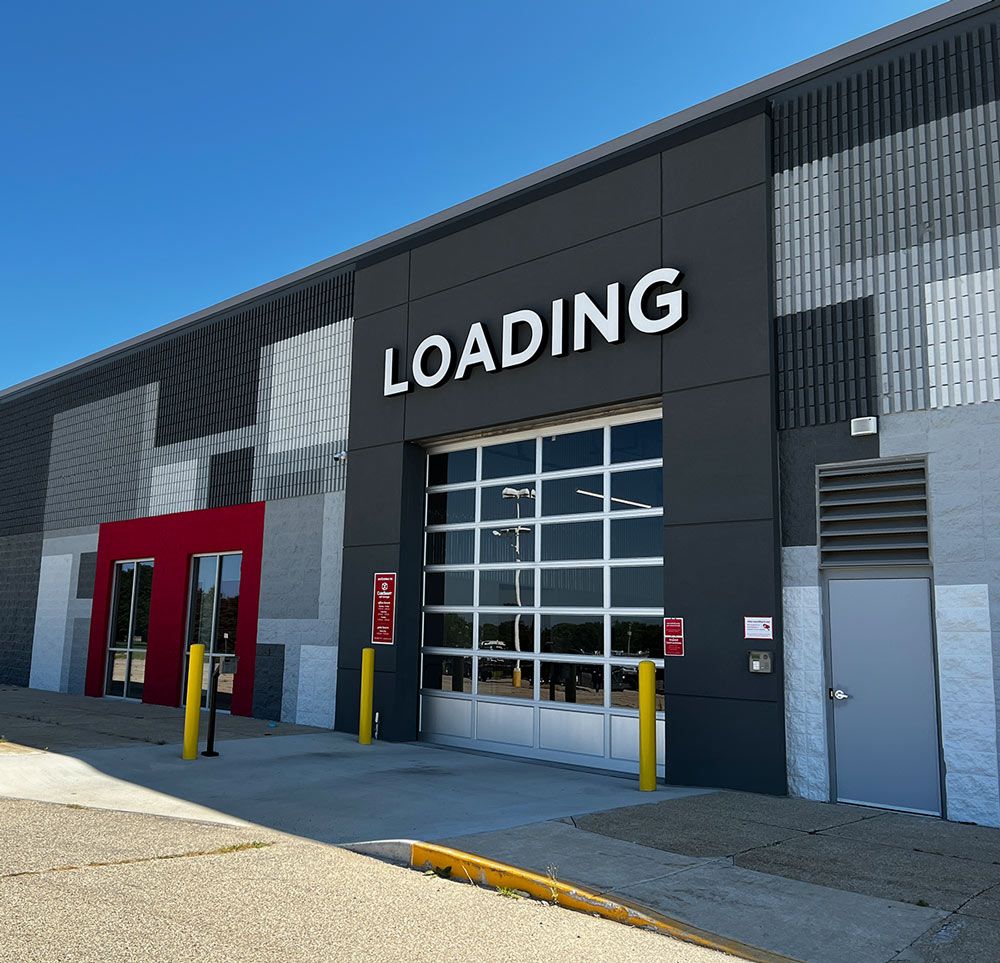
Many of the security systems used for storage facilities already rely on remote monitoring and motion detecting camera arrays, which can be more reliable and comprehensive than physical attendance or traditional security patrols. With customer-specific PIN codes for locks on exterior doors and vehicle entry gates, a full-time manager can become obsolete for smaller scale businesses.
“Normally, you would need 50,000 square feet minimum to build or you couldn’t afford a manager,” Lindau says. “This changes the dynamic of which buildings will be workable to be able to make money. Even a 30,000-square-foot property could work. The huge players won’t do it, but the small mom-and-pops will, because it’s a good return on their money. By doing a smaller property using a conversion, they can move into better locations which couldn’t accommodate the larger build. For example, they can convert a building that’s 40,000 gross square feet. They usually lose 20 percent of it, leaving 32,000 net rentable square feet. That’s what you can get paid on. In the old days, that would not be enough to have a manager. But now, if you operate it remotely, it becomes a viable business.”