



s the self-storage industry continues to expand and evolve, so do the financing options available to prospective owners and operators. Self-storage facilities present an attractive investment opportunity due to their low operational costs, high profit margins, and minimal business risks. Financing for these facilities comes in a variety of forms, with options tailored to diverse needs, rates, terms, and levels of flexibility. In this article, we dig into the diverse loan options available for relocatable self-storage units, offering insights and practical advice from industry experts.
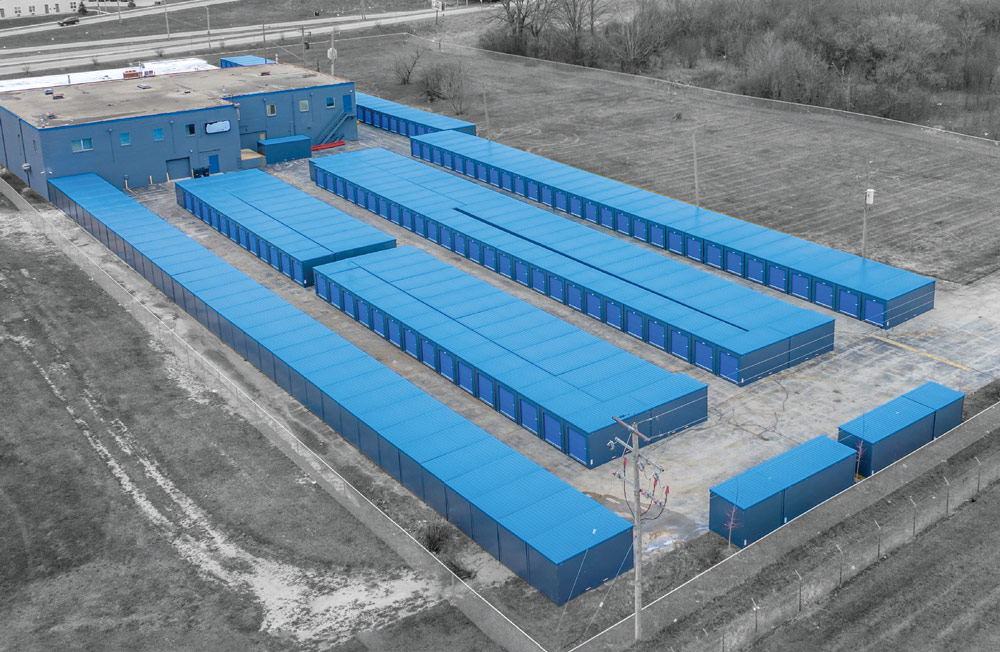
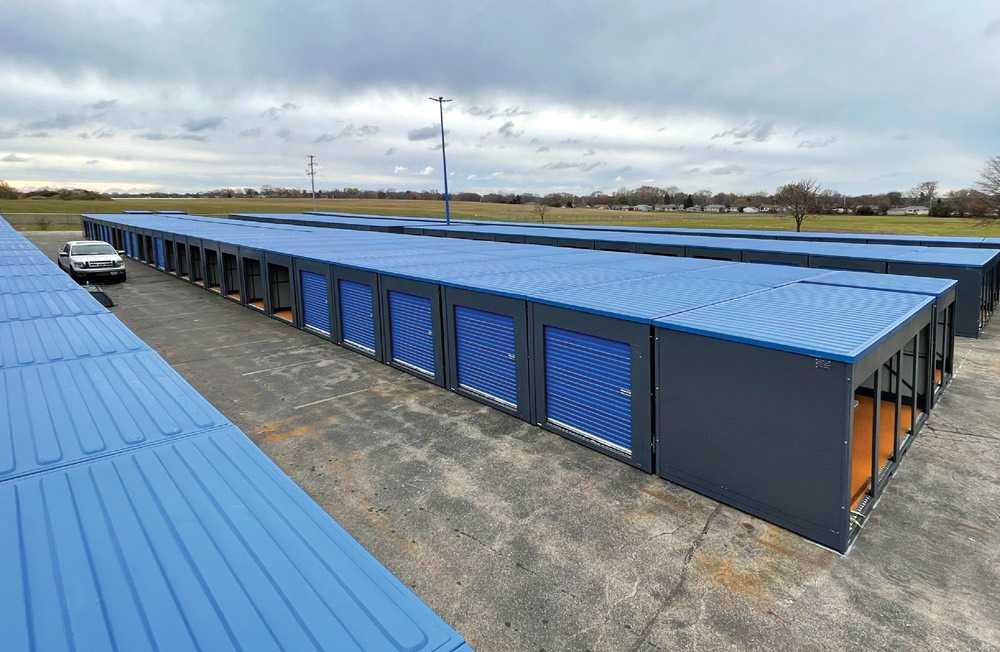
Relocatable self-storage units are gaining popularity for their unmatched flexibility and adaptability. Unlike traditional fixed structures, these units can be easily placed and moved to accommodate changing customer needs, offering enhanced customer experiences and catering to evolving market demands. Financing options for these units are diverse, with banks providing customized loan solutions based on clients’ credit profiles and specific requirements. From conventional loans to government-backed programs, owners and operators have a range of options to explore.
Self-storage businesses want to be profitable and sustain long-term success, so it is important to choose the right financing option. To get some ideas on how to secure financing for relocatable units, we interviewed several senior lenders from various financial institutions, including Dylan Towey of MMP Capital, Anne Mino of Live Oak Bank, and Will Buchly and Will Jackson of Georgia Banking Company. Each lender emphasized the importance of understanding clients’ needs to offer tailored financing solutions for several types of storage businesses. Whether financing hundreds of relocatable units for a new build or a smaller number to expand an existing facility, lenders can create customized solutions to meet diverse business goals. With thorough preparation, financing for relocatable self-storage units can be a straightforward process.
Dylan Towey, account executive at MMP Capital, underscores the importance of customization in self-storage financing. His bank offers a range of programs tailored to different credit profiles. For example, their custom 84-month financing program extends affordability for storage businesses and eliminates balloon payments. His advice for potential customers in the storage industry: “Be more willing to provide more information upfront. At the end of the day, if you were to go to your local bank, they would ask for a full financial package. So, for us, it comes down to needing information on paper, PDF filings, and things in that nature to where I could use the information provided to mitigate any risk that underwriting might see.” Additionally, Towey emphasized the advantages of a capital lease structure, which provides ownership of equipment from day one. He outlined a streamlined approval process at MMP Capital, highlighting quick turnaround times, especially for clients with strong credit profiles.
In our interview with Anne Mino, senior loan officer at Live Oak Bank, she discusses financing options for relocatable self-storage units. She sheds light on the fact that many people may not realize they can obtain loans for such ventures, however big or small. She breaks down the financing process into three types of projects: ground-up businesses using relocatable units, expanding existing businesses, and acquiring businesses. Mino goes over the nuanced self-storage loan structures. Along with the other lenders we interviewed, she emphasizes the importance of having a clear understanding of the funding needs and ensuring borrowers are not over-leveraged. “I think it’s really important to work with a knowledgeable lender that understands self-storage because we won’t let you get in trouble. I’m not going to structure a deal with so much debt that it doesn’t make sense.”
Will Buchly, senior lender, and Will Jackson, underwriter, both with Georgia Banking Company (GBC) also offer various financing options for self-storage owners and operators, including traditional commercial financing. They discuss the resilience of the self-storage industry throughout various economic cycles. “Owners of self-storage can reprice the rents as often as monthly … Those are things that investors and banks really look for.” Buchly underscores the importance of tailored loan strategies, which will depend on the property and the overall goal of the borrower. At GBC, they have seen owners create a full facility with relocatable self-storage units. And they have also seen owners add relocatable units to a current facility with excess land. Along with the other lenders we interviewed, they emphasize the importance of thorough planning and due diligence. Borrowers need to be prepared to provide detailed financial information and project specifics to secure financing.

The resilience of self-storage continues to make it a compelling investment, but we are not a one-size-fits-all industry. Relocatable self-storage units, with their inherent flexibility and adaptability, are increasingly becoming a preferred choice to meet dynamic market demands. As highlighted by the industry experts we spoke with, the key to successfully financing these units lies in understanding the diverse range of loan options available—from conventional loans to specialized programs like SBA loans—and tailoring them to fit specific business need. Therefore, be sure to engage with knowledgeable lenders who understand the intricacies of self-storage financing to secure favorable terms and ensure long-term success and investigate the tax advantages associated with relocatable units, such as those offered under Section 179, to provide further financial incentives. Thorough preparation, detailed business planning, and strategic financial decisions are crucial for leveraging the benefits of relocatable self-storage units and capitalizing on this growing trend within the industry.