



he first few self-storage facilities started to appear in Latin American countries in 1990, but according to Nancy Torres, creator of the Latin America Self Storage Association (LASSA), the market only really took off in the early 2000s.
Torres started her career working for the company responsible for constructing the first self-storage facility in Puerto Rico, making the best out of the experience by getting acquainted with all the steps in the self-storage construction process.
Years later, once she became savvy in all things storage, she was invited by Janus International to showcase their self-storage products to the Latin American market as director of business development, becoming actively involved in helping developers from 18 countries understand the concept of the business while guiding them step by step on the completion of their facilities.
Although borrowed from the U.S., the business model received alterations to better suit Latin American customers—one of the key differences being the implementation of customer service, a characteristic the population expects to be available from any business, no matter how big or small. This is how self-storage spaces in the region gained a bellboy to greet customers upon arrival at the facilities.
At the forefront of a pioneering industry, Torres began to realize what she needed to improve to grow the market in Latin countries. “The main problem was the lack of information in Spanish,” she says. “People had nowhere to go to find out about what self-storage was about and what they needed to do before building self-storage spaces, like market studies, visibility, and I had to learn these things in order to help my customers complete the process of zoning, permitting, financing, and more.”
The original Latin America Self Storage Association ceased to exist after five years of operations as it achieved its main goal. However, her passion for the teaching aspect of this business wasn’t over; to this day, she continues to work at the forefront of the industry she helped develop as a freelance business advisor, working alongside companies to develop their business and implementing the latest innovations.
The use of technology in the industry has also skyrocketed in Latin America. Now it is possible to make online reservations and access them via mobile device, but it wasn’t always like that. Some businesses didn’t understand the need to take such a physical business online until the COVID-19 pandemic. “The pandemic, in Puerto Rico, put basically all the facilities to maximum capacity. I can honestly say it helped businesses to adhere to the technology because we were kind of forced to,” Torres adds.
According to Torres, the costs of the new features tailored to the Latin market and the entire work put into it was worth it, as even when paired with the instability of the economy, the profit margin in self-storage business in Latin America is usually higher than that of the U.S. “To my surprise, the amount per square foot that was charged in Latin America was sometimes higher than in the U.S.,” she states.
The internationally acclaimed Mr. B’s Self-Storage follows the same reasoning. Their CEO Federico Rölz states the company partnered with Metro Self Storage back in 2017, but it has been in the business since 1997, having opened a total of eight facilities in their home country, Guatemala, as well as El Salvador, Costa Rica, Dominican Republic, and soon Mexico.
The company was born in 1997 under the name Mr. Bodeguitas, mainly catering to B2B clients by developing big warehouse spaces with large gates that allowed customers to maneuver and park inside, accommodating large semi-trucks and container trucks. “[It] accounted for probably 85 percent to 90 percent of our customer base,” Rölz states.
But between 2011 and 2013, they noticed the need to rebrand and reformulate the company, catering more to customers looking to rent a space for personal use. That’s when they changed their development efforts from patios on the outskirts of cities to constructing multilevel buildings in density-heavy city centers with the goal of marketing to people who rent small living spaces and need extra storage space.
After succeeding in their transition, they achieved a 50/50 customer base between business and personal users—a number they are proud to sustain to this day, with few deviations.
In 2017, they started their partnership with the U.S. company Metro Self Storage by selling a private percentage of their company to the owners of more than 85 locations in the U.S., followed by an official rebranding of Mr. Bodeguita to Mr. B, which involved the creation of a strong and consistent design for their new buildings, as well as updating the old ones to resemble their new spaces.
The next step in advertising came with the popularity of the internet: “We went deep into digital marketing early on. We worked with a few agencies throughout our history, but now we have been working with the same agency for a while, as well as an internal team. [Both] working together to interpret the expertise of the agency with the inside team that understands the business,” he adds.
The Argentine self-storage company MasMetros had a digital footprint from the beginning. It was created in 2009 by Jonathan Komarofsky, who was inspired to invest in the business during a work trip in the United States when he observed the proliferation of storage businesses in Florida. After conducting thorough market research, he found out self-storage was set to arrive and stay in his country for three key reasons: buildings were getting smaller, access to goods was increasing, and there was a growing number of businesses looking for third-party logistics spaces.
He went into business with his father-in-law and brother-in-law; they both had backgrounds in the parking business that was not doing well. “The company started with our first branch, which was essentially a parking lot with office spaces of around 700 square meters. This was our initial MVP test for MasMetros, using very basic Google AdWords at the time. We quickly reached maximum occupancy levels within a few months, which made us realize the business could be serious,” says Komarofsky.
For MasMetros, innovation is key. Besides the digital DNA they carry from the beginning, along with a fully operating website, they recently relaunched a 360-degree model responsible for collecting boxes at the customer’s house and organizing them into a storage unit. “While it’s not the most demanded service today, the advantages over traditional self-storage are substantial both for the company and the client. [For us], the key to business is in adding value to the square meter, and the physical possibilities here are limited,” Komarofsky adds.
An impact of the pandemic on the innovation-savvy business was how it accelerated the adoption of digital channels. “Our first experiment with the 360-degree service didn’t work for this reason: The client wasn’t yet ready to manage or make online requests for their objects. [The pandemic] allowed us to continue incorporating these types of services,” he says.
Komarofsky is also excited about merging artificial intelligence into the business; they’re currently experimenting with an online bot that operates 24 hours via WhatsApp, which is fed by their websites and historical queries. However, as of now, in 40 percent of cases, people still request human attention. They are also investing in the integration of AI in their back office. “We have measures through the integration of our ERP system, our website with a Power BI platform, where we monitor many KPIs on the financial and economic performance and also have very good marketing statistics regarding the origin of queries, conversion rates, recommended investment levels.”
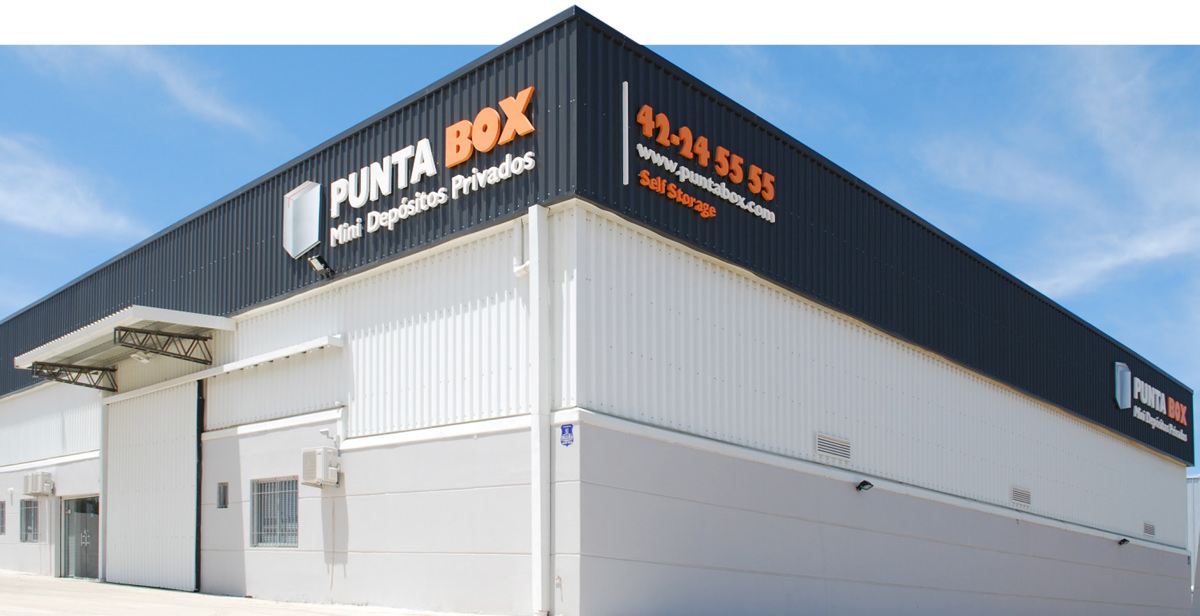
At the Uruguayan company Punta Box, around 80 percent of the advertising budget goes towards digital services, and that is where most of their customers come from.
After opening a few facilities in Punta, they soon expanded to Montevideo, where they got a space big enough to support containers, attracting clients such as DHL, which currently uses their facilities as a mini distribution center.
The main difference between the self-storage market in the two cities is that Punta is located on the seaside, a popular vacation destination that causes revenue to skyrocket during warm months and slow down once the seasonal movement dies down. In contrast, Montevideo is the capital of the country and a metropolitan city where revenue tends to be consistent year-round.
After 14 years in the business, personal use continues to be the driving force behind the company. “The personal use outweighs the companies a lot. It’s more of a 70 to 30 kind of thing. Pretty similar to the United States,” he adds.
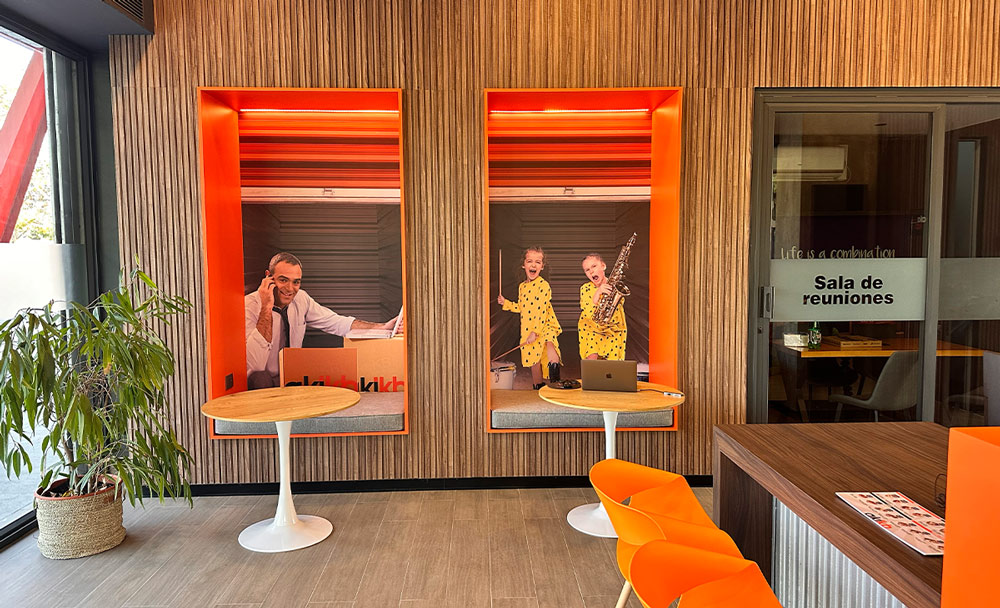
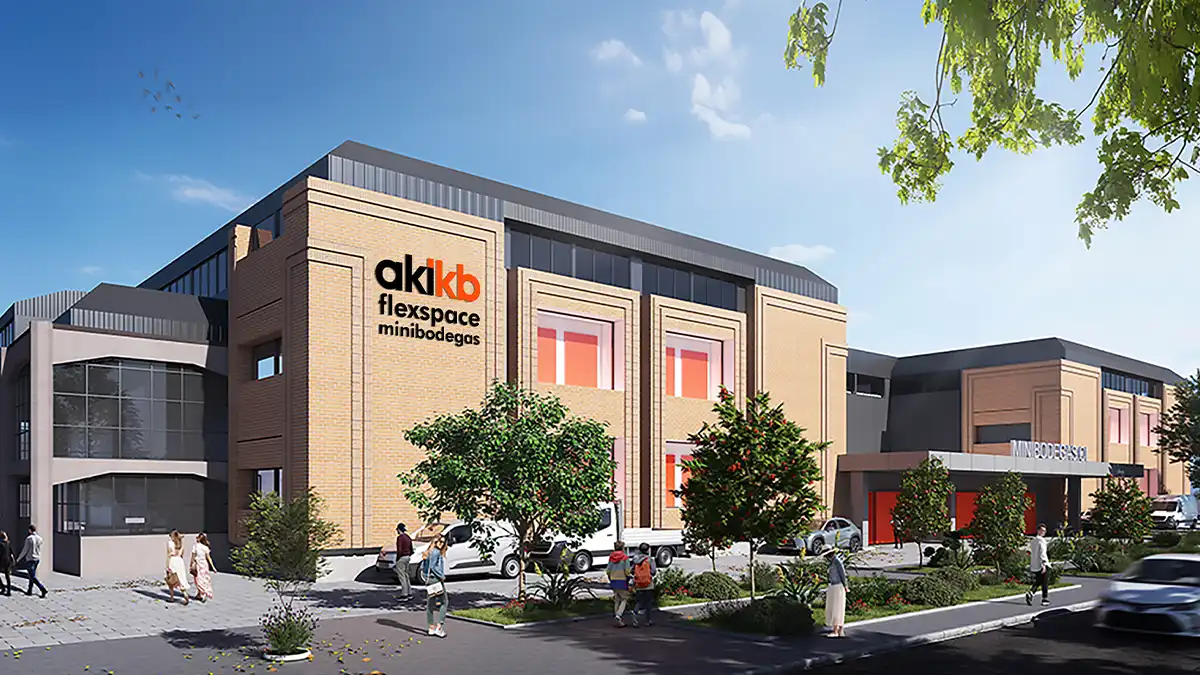
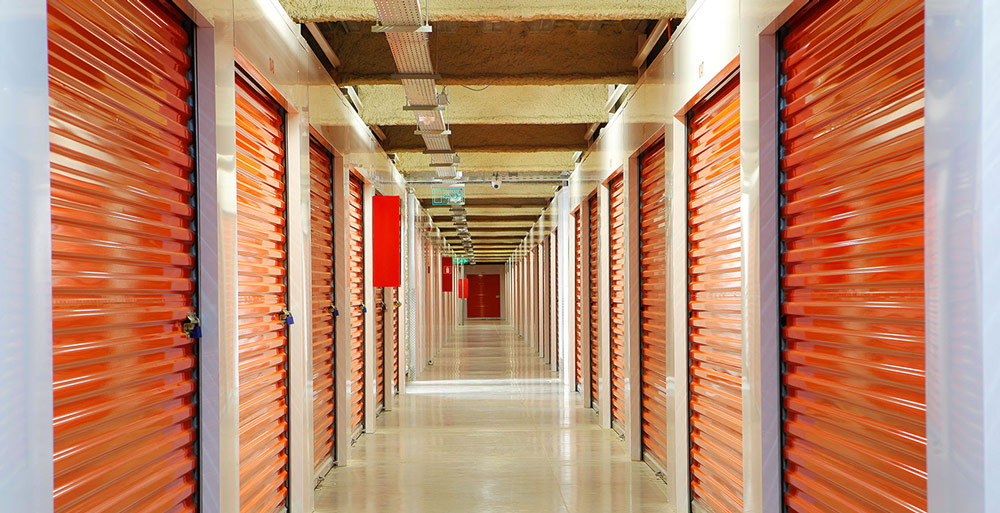
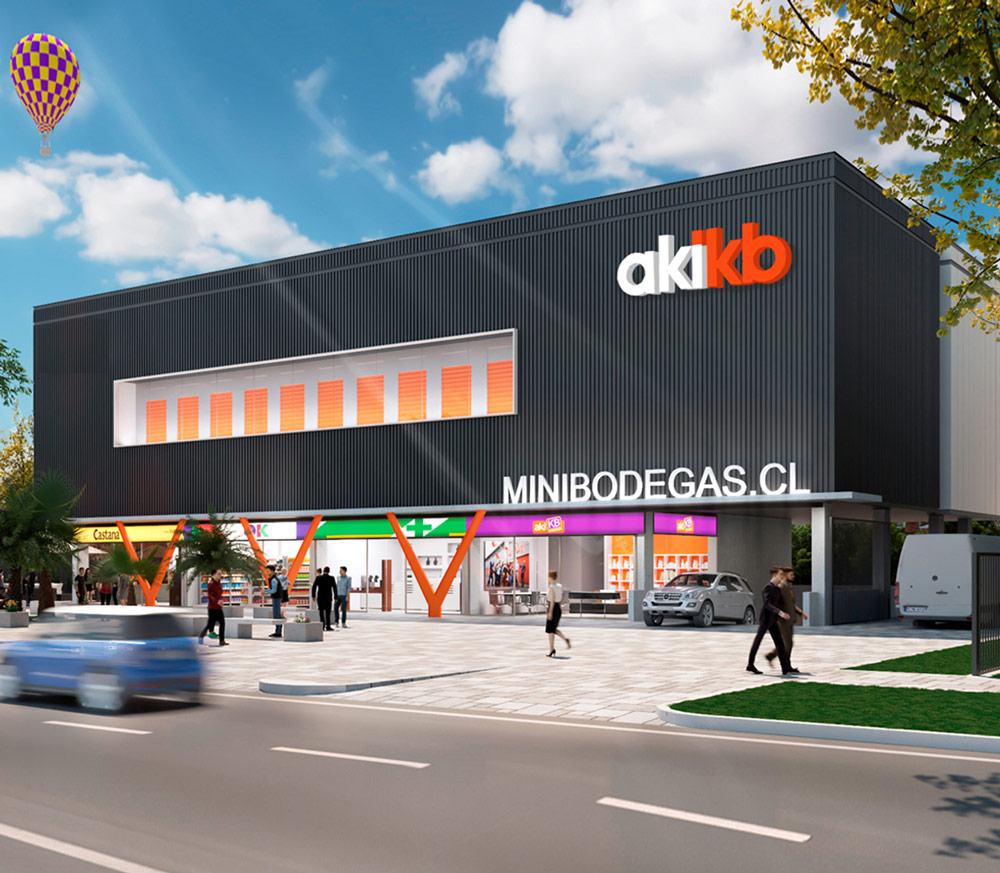
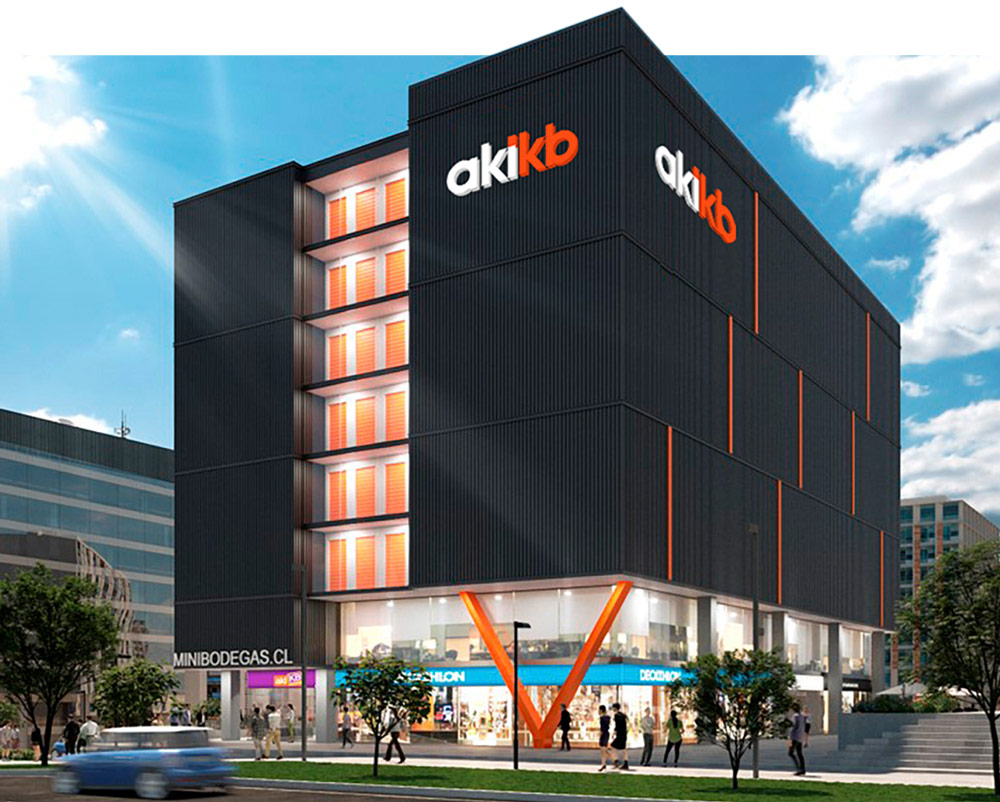
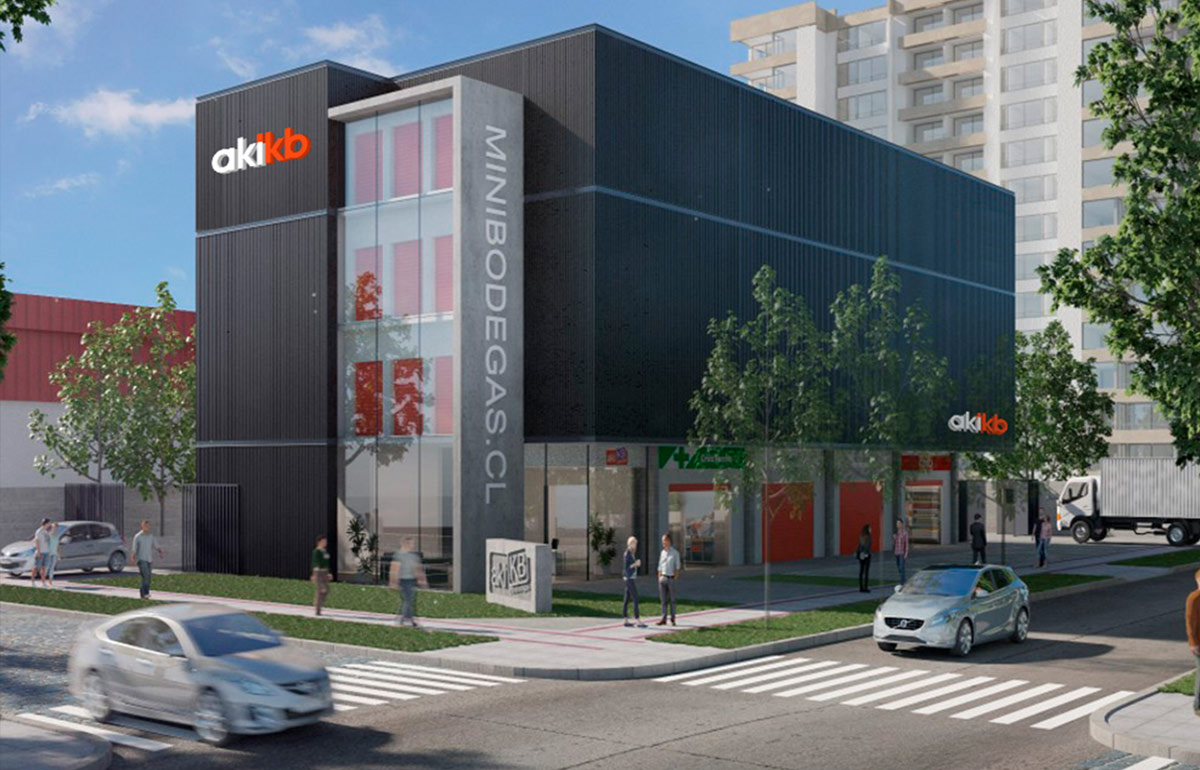
In Chile, the award-winning self-storage company Aki KB, opened by Arie Rezepka in 2003, has had a similar experience. Like Punta Box, personal-use customers make up to 70 percent of their annual revenue. The company was born when Rezepka, who worked as an architect for self-storage companies, noticed there was a demand for smaller spaces.
His architectural background played a big role when working on the marketing plan for the company; the building gained international traction, winning prizes like the International Facility of the Year award because of their distinct architecture—a choice that helped them become a reference point by locals.
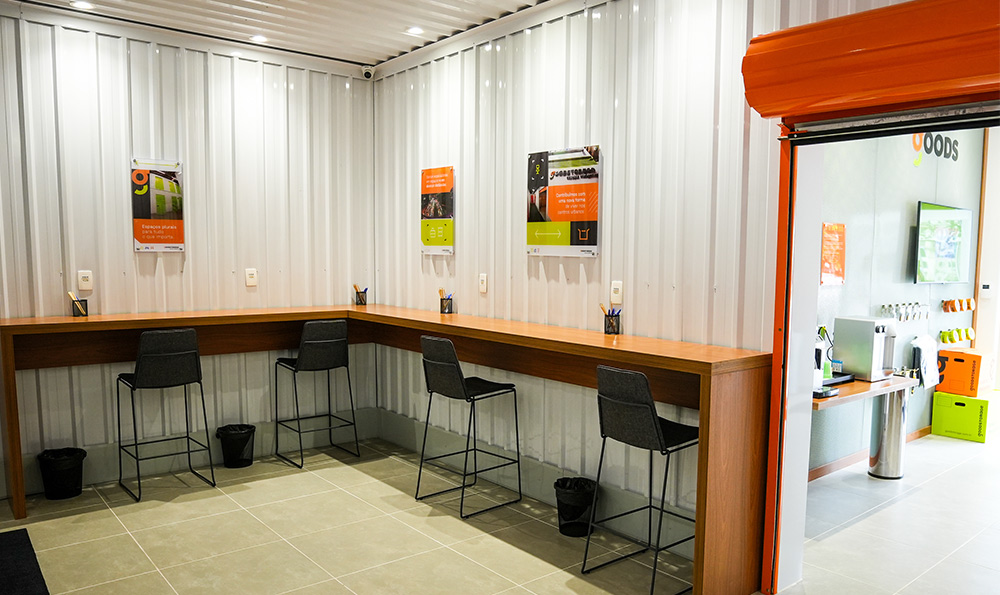
Rezepka’s goal from the start was to build facilities with a unique design that improved the quality of life and added value to the neighborhoods they were inserted into. Their efforts include adding solar panels, keeping their carbon footprint to a minimum, taking their parking lots underground, and adding convenience stores and cafés to their facilities to create hubs where locals can congregate.
Another innovation when it comes to marketing in Latin America is the company’s brand ambassador program, a strategy in which they partner with influencers and local celebrities to leverage the company in the long term in the minds of future customers.
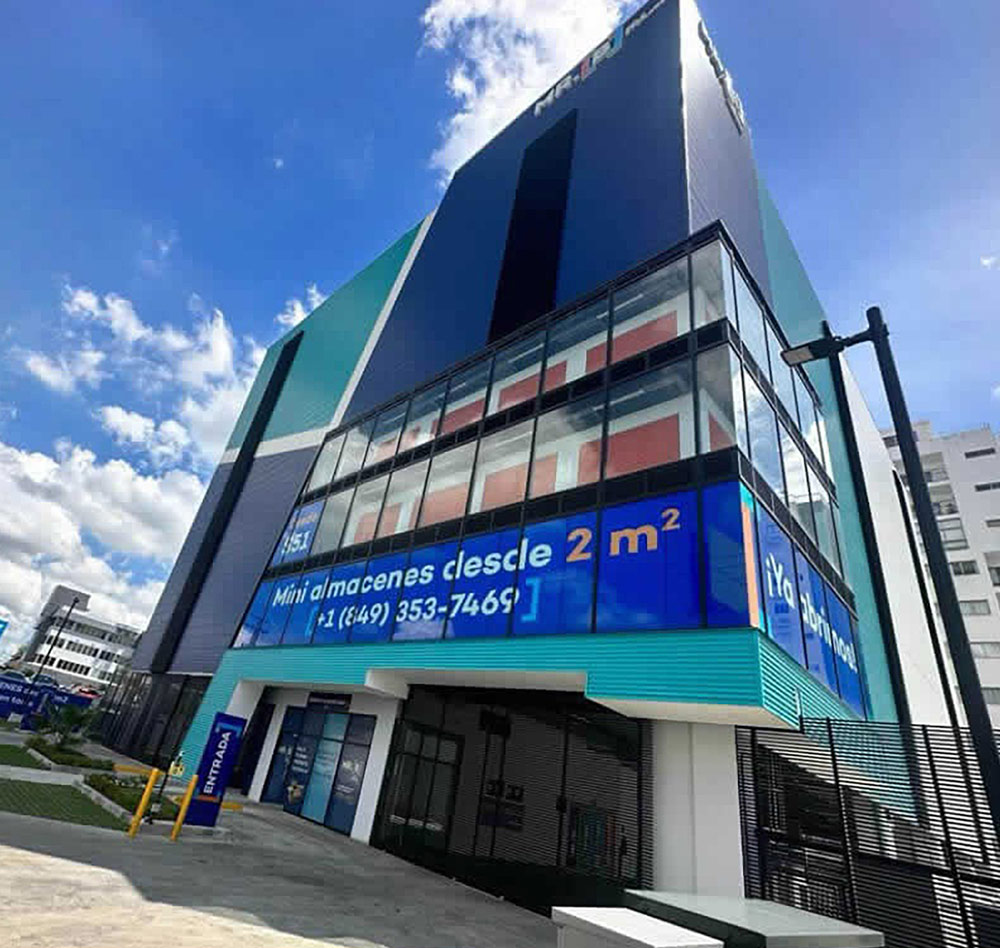
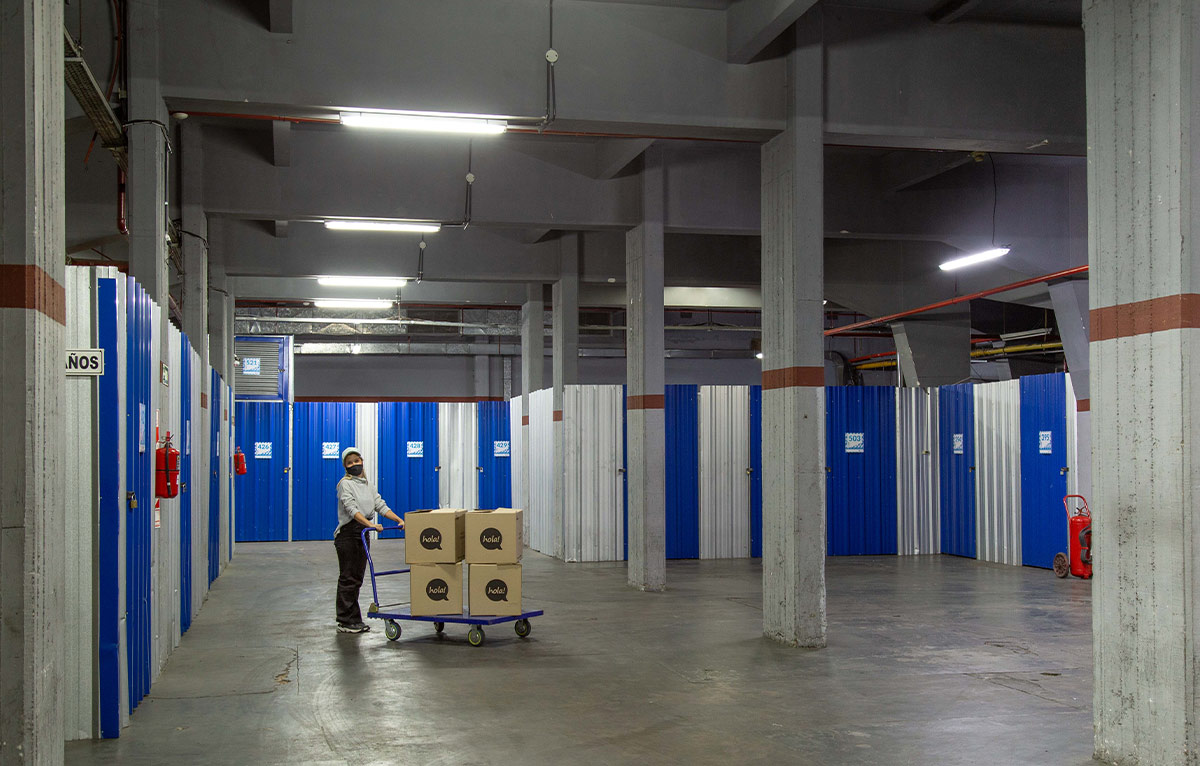
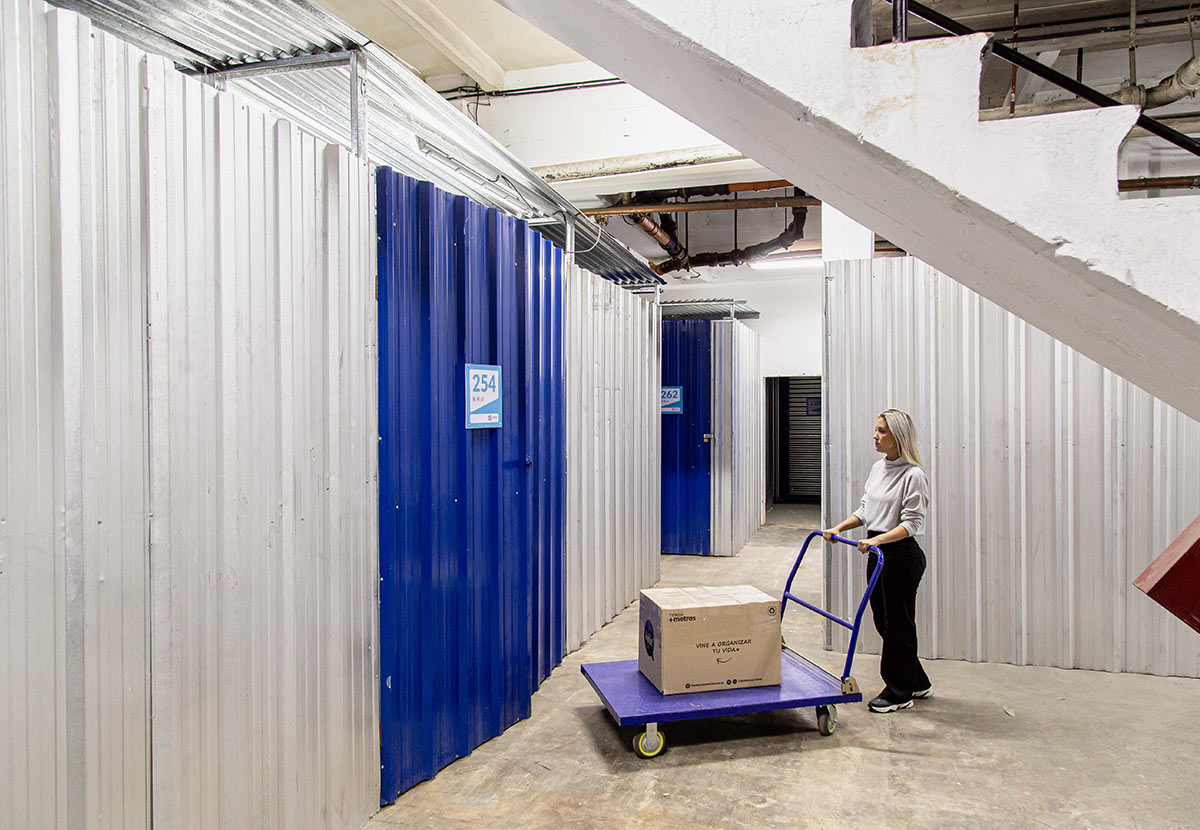
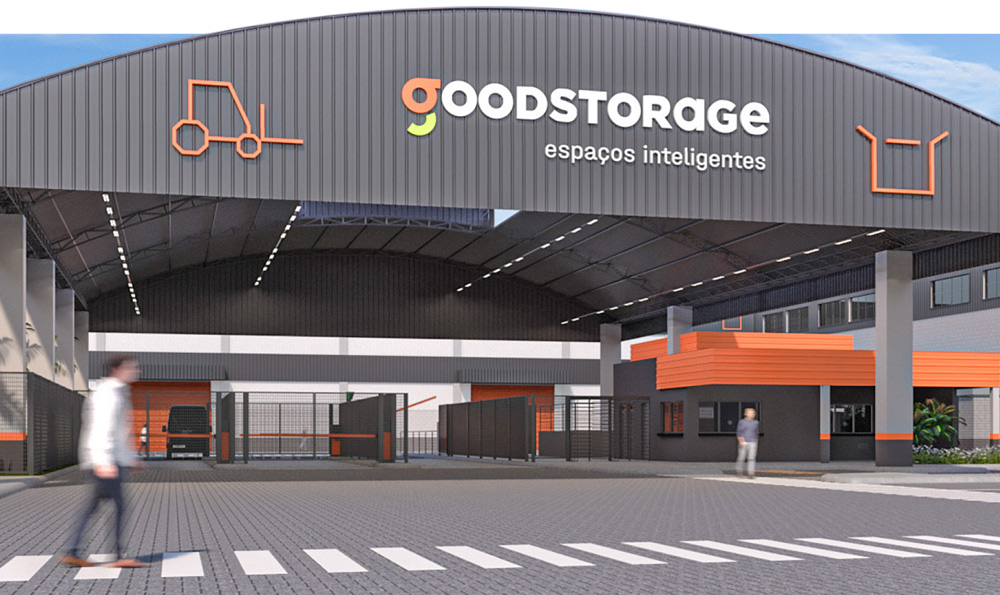
Aki KB’s Brazilian sister company is one of the most prominent in the country’s self-storage market. Good Storage was created by Thiago Cordeiro in 2013. He comes from a financial background, having already worked for major companies such as Credit Suisse Hedging Griffo and BTG Pactual.
He decided to invest in the market even after many financial analysts advised him against it, as it was considered a dead-end investment in the country at the time. However, he persisted, and his first personal business venture became a successful case that many tried to replicate.
While studying for his MBA at Northwestern University, Cordeiro decided to turn the business into a reality. After securing Hemisfério Sul Investimentos and Evergreen Investment Advisors as partners, which together invested a total of $150 million (USD), he was able to get the business off the ground in December 2013.
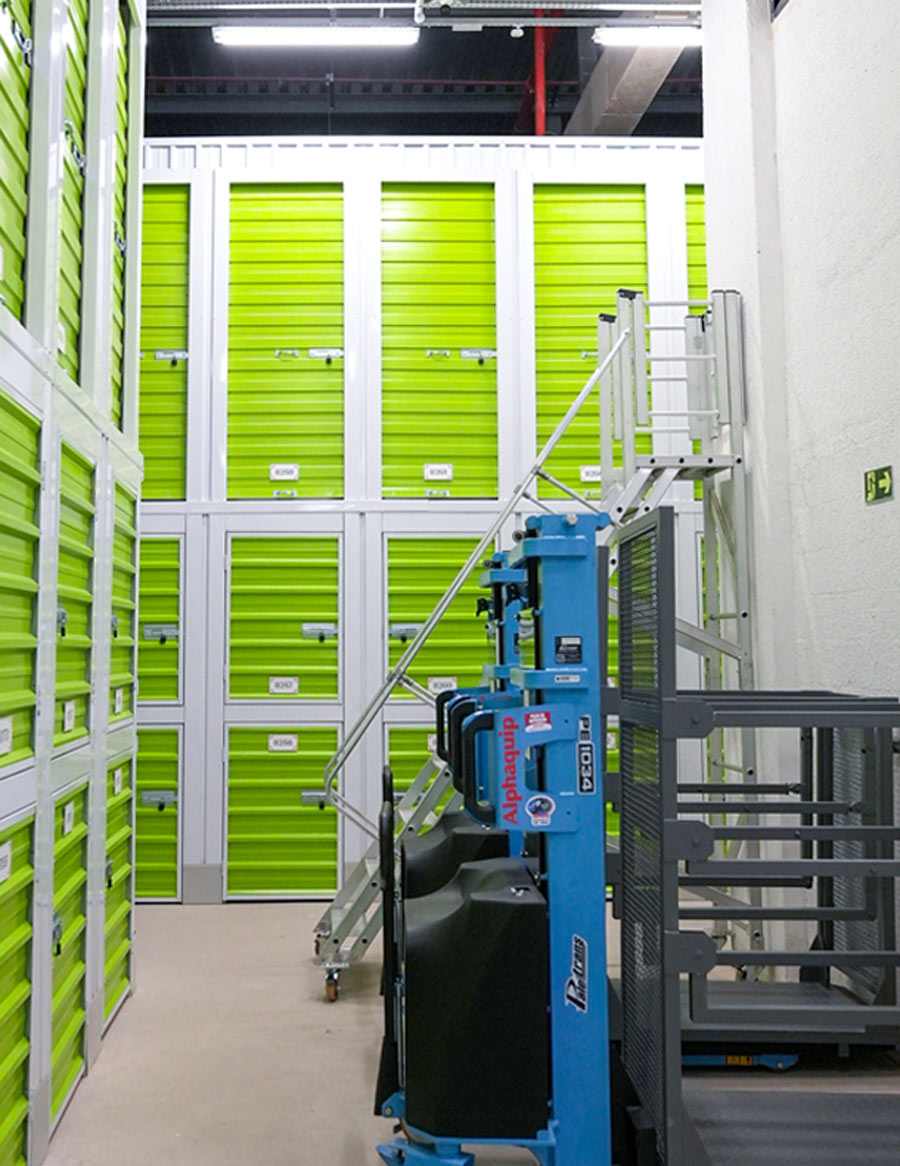
Now, with over 30 facilities around the city of São Paulo, the company is looking to attract more business customers through its recently launched flexible modules feature, which allows customers to customize their storage space, according to demand. “Currently, our audience is made up of 75 percent personal users and 25 percent companies,” says Cordeiro. “A decade ago, at the beginning of our operations, the proportion was 40 percent companies. This scenario reflected a market that was still developing, as there was a cultural challenge in explaining the concept of self-storage as an extension of the home.”
Cordeiro is currently the president of the Brazilian Self Storage Association (ASBRASS), which recently conducted research that concluded the market has been growing around 15 percent per year in the country, further proving the self-storage market is currently in its golden age in the country.