


he storage industry has long been a sound investment for the simple reason that people have a lot of stuff. You can offer different varieties of extra space, and there will always be people who are moving, downsizing, divorcing, and dying.
Innovation is just as constant as the need for storage. When times get tough, people get creative. They come up with new ideas to make money: starting a business, pursuing their side hustle full-time, or giving up their fancy offices in high rises for more cost-effective workspaces. Enter self-storage flex space.
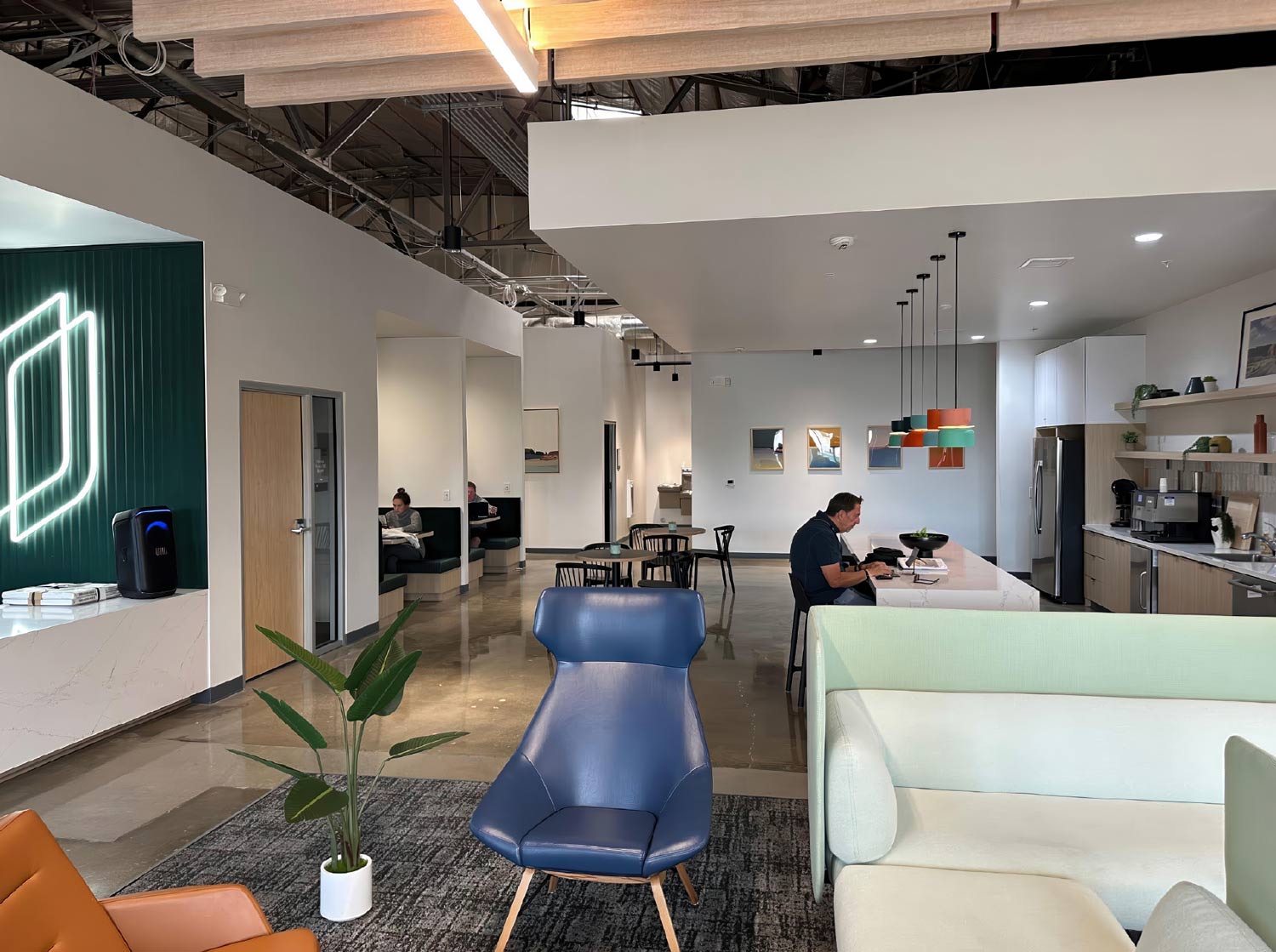
“Our model redefines what flexible space can be,” says Allira Cooper, head of design and development at FlexEtc. “We do so by blending co-warehousing and coworking into one community-first environment. For us, it’s an evolution beyond storing personal property by creating a workspace ecosystem for brands, entrepreneurs, ecommerce, and small businesses who want to create and scale under one roof.”
Carl Smith, business development manager at self-storage development company BETCO, agrees. “Flex space refers to versatile, multiuse areas that can be adapted to various purposes beyond self-storage units. It offers much more of a purpose for people who can work and play. Think warehouses, conference rooms, office workspace, as well as recreational areas.”


And it’s not just about providing coworking spaces. Cooper is clear that to entice tenants (whom FlexEtc calls members) long term, you should make a concerted effort to provide them exactly what they need. While this may vary from person to person, there are always common denominators. Many will need conference rooms, kitchen space, lounges, and networking with the local community. Personalizations can be addressed in the leasing contracts. “Our memberships start month to month for suites or coworking access, and everyone has access to the shared amenities,” says Cooper. “But because everyone’s situation is different, we offer a lot of flexibility for their small businesses. For example, since some businesses experience ebbs and flows depending on the season, FlexEtc makes it possible to scale up or down as they need. That agility is one of the greatest advantages we offer.”
Smith adds that developers should also be mindful about the different infrastructure tenants will need. “You want flexible floor plans and open layouts that allow for tenant reconfiguration, whether it’s for warehouse space or to put a mezzanine in,” he says. “There have been so many examples of startups initially renting a small unit, then outgrowing it exponentially and needing significantly more space. Enable that to happen. It goes a long way in increasing tenant retention.”
Smith specifically advises to install 14-foot to 24-foot ceilings and durable floors with 2,500 to 3,000 pounds per square inch (PSI) to support heavy loads and machinery. He also cautions that tenants don’t want to be walking in tight spaces and narrow hallways. In addition, he recommends having additional space where tenants can package and ship their products. “I’ve seen companies that have an entire shipping area, so that tenants have a place to drop off their goods, with a shipping manager on site. Everything is shipped accurately and on time.”
Smith recommends being mindful of having a well-designed welcoming area as well, so that prospects can have that warm, fuzzy feeling when they first visit your facilities.


For his part, Smith shares that he’s seen people bring in furniture, even a bed on mezzanines above the office space. “It’s not for full-time living,” he says, “but more like a man cave space. Ultimately, the tenant has the freedom to do what they want with that unit, and when they move, they can take down the mezzanines, or if the owner wants to keep it, they can work out a deal.”
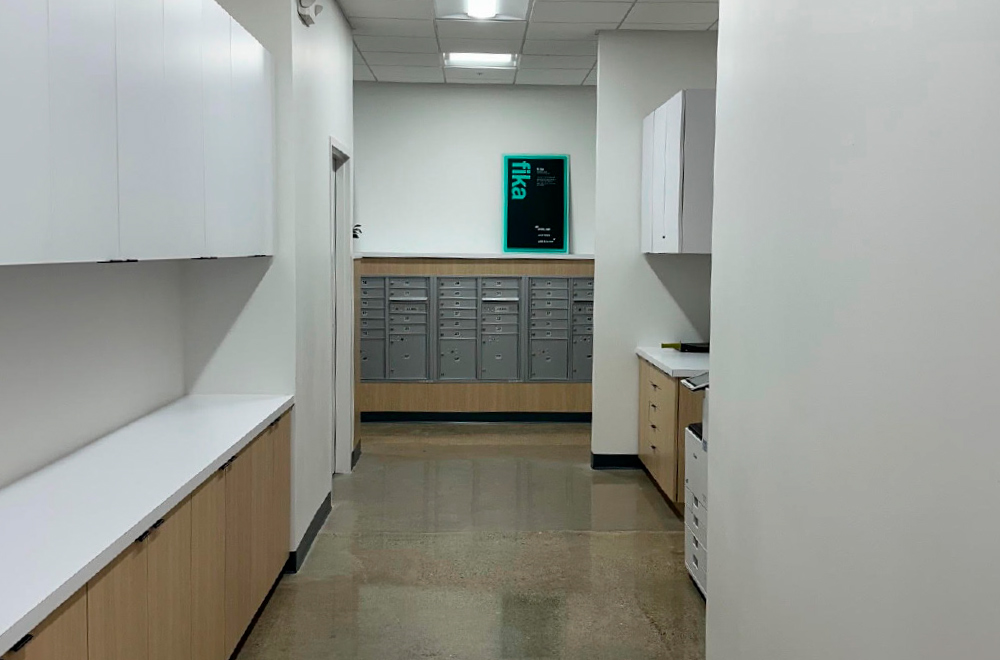
Since flexibility is the name of the game, having so many versatile uses can bring operators an extra source of revenue, such as providing a mail room with packing supplies or offering ancillary services for people who rent office space. “One company we developed had a photo studio that was used to take professional headshots,” Smith says. “Extra revenue generated out of nowhere.”
Once they learn about the benefits, they tend to be attracted to the concept—and stay long term. “Traditional storage can offer higher rental rates at the beginning, but flex spaces can offer other advantages,” adds Smith. “Faster build times, quicker leasing, and more appealing in certain markets if you strategize well; and since, on average, leases tend to be for several years, you have the security and peace of mind of that durability.”
Indeed, flex storage is more than just renting out facilities. “It’s a launch pad for small businesses and entrepreneurs,” says Cooper. “We exist for those people that don’t fit the traditional office or warehouse mold. We provide infrastructure, the design, and most importantly, the community. We’re building a village.”