

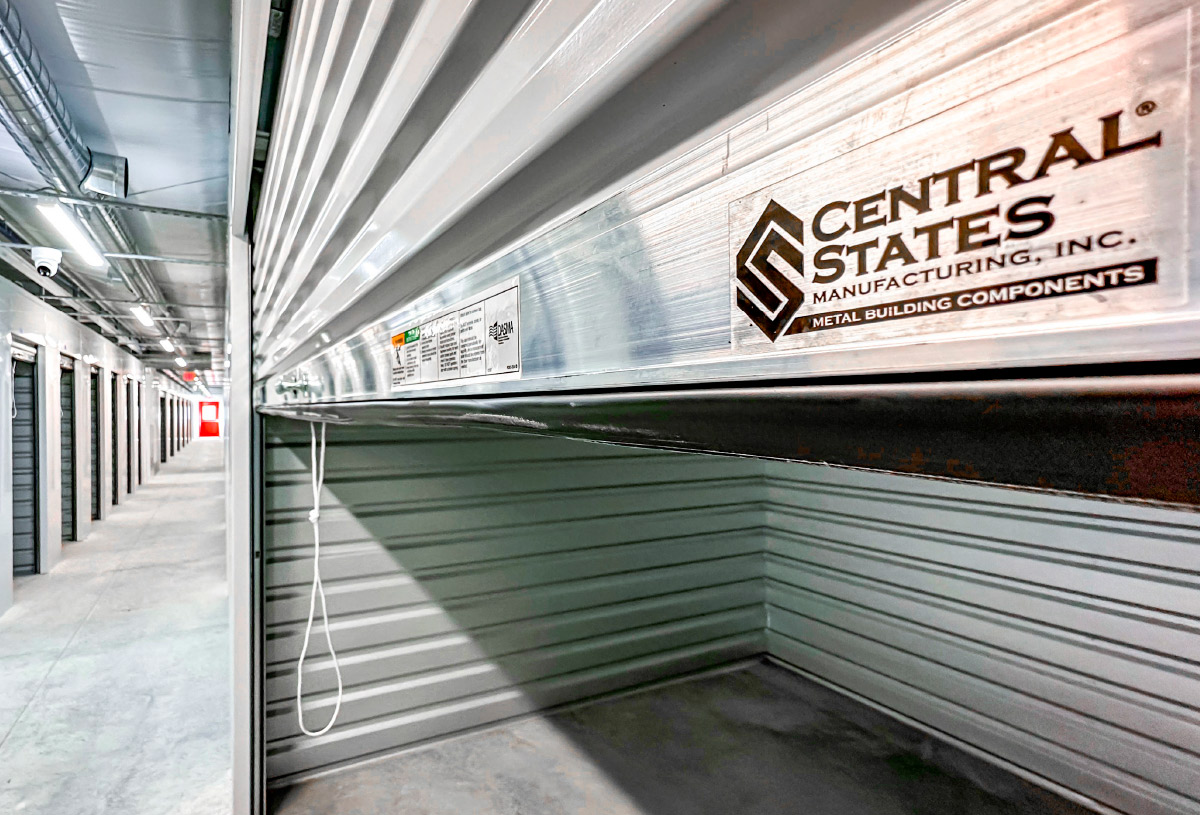
n the self-storage industry, profitability hinges not only on occupancy rates and rental pricing but also on operational efficiency and long-term durability. While many facility owners focus on marketing and expansion to drive revenue, the silent profit killer—maintenance—often goes overlooked. Every hour spent repairing doors, replacing springs, or troubleshooting hardware is time not spent serving customers or growing revenue. Fortunately, a wave of innovations in materials, design, and component engineering are helping operators shift from reactive maintenance to proactive profitability. These strategic upgrades reduce downtime, extend product life, and enhance customer experience, ultimately boosting your bottom line.
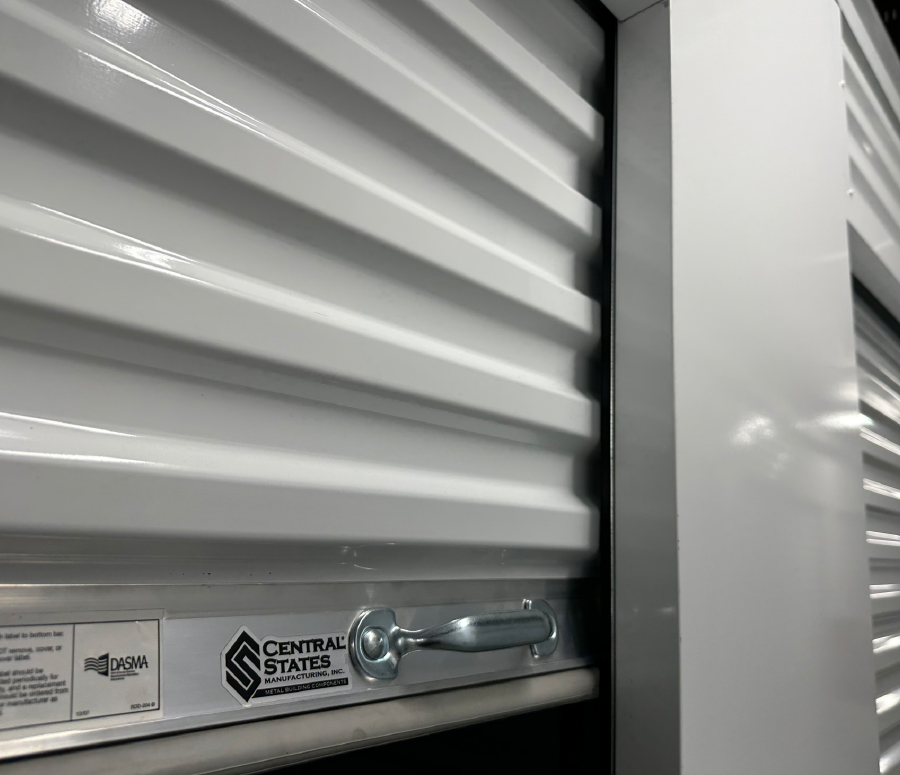
- Reinforced Bottom Bars – These are engineered to resist dents and deformation from frequent use or accidental impact. By maintaining door alignment, they reduce the need for realignment or replacement, keeping units rentable and secure.
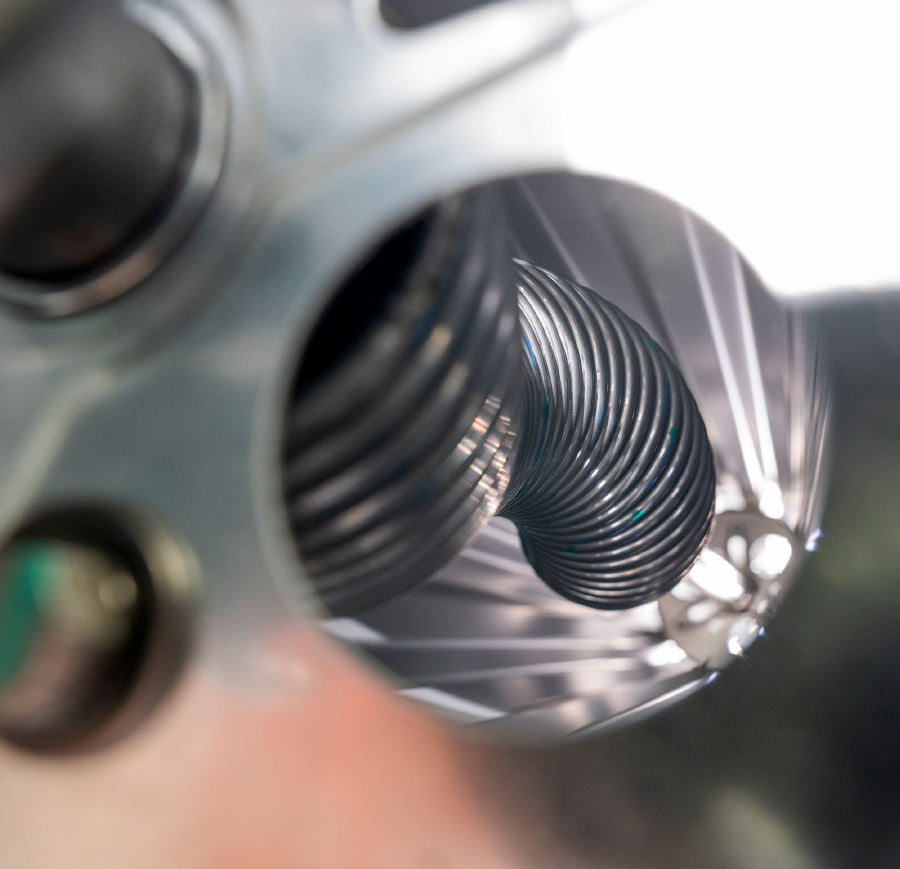
- Higher-Grade Steel Springs – Traditional roll-up doors often rely on standard springs that degrade over time. New innovations, such as ASTM 228 “music grade” wire springs, offer superior fatigue, shear, and tensile strength. These springs also demonstrate exceptional corrosion resistance, even under extended salt spray exposure, making them ideal for coastal or humid environments.
- Heavier Gauge Steel – Not all steel is created equal. Thicker, high-quality steel enhances weather resistance and longevity. Products like the Sentry door line feature double-seamed curtains and reinforced seams, setting a new standard for durability in the industry.
- High-Tension Springs – These springs maintain tension longer, reducing the need for frequent adjustments. This translates into fewer service calls and less downtime.
- No-Grease Springs – Thanks to higher grade materials, certain door springs now require no lubrication, even after 15,000 cycles. This innovation removes the common maintenance task, reducing mess and labor.
- Aluminum Components – While steel remains dominant, aluminum is increasingly used in areas prone to corrosion, such as bottom bars. Its natural resistance to rust makes it a smart choice for long-term reliability.
- Diamond Plate – Protect high-traffic areas like entryways, walls, and floors with a reinforcement that defends from dents, scratches, and other common forms of damage. Preventing this damage can be effective in reducing maintenance and replacements.
- Kick Plates – These important add-ons serve as a shield for lower wall surfaces, guarding them from the everyday bumps, scrapes, and dents caused by foot traffic, moving equipment, or shifting boxes. By absorbing these impacts, kick plates help prevent unsightly marks and structural damage, keeping your storage units looking new for longer.
- Burglar Bars – Break-ins can be both financially costly and tarnish the storage property’s reputation with prospective customers. Adding something as small as burglar bars to storage units can provide robust physical protection, deterring break-ins and theft by making it extremely difficult for intruders to gain entry. Their presence alone sends a clear message that your facility takes security seriously, offering peace of mind to tenants and property owners alike.
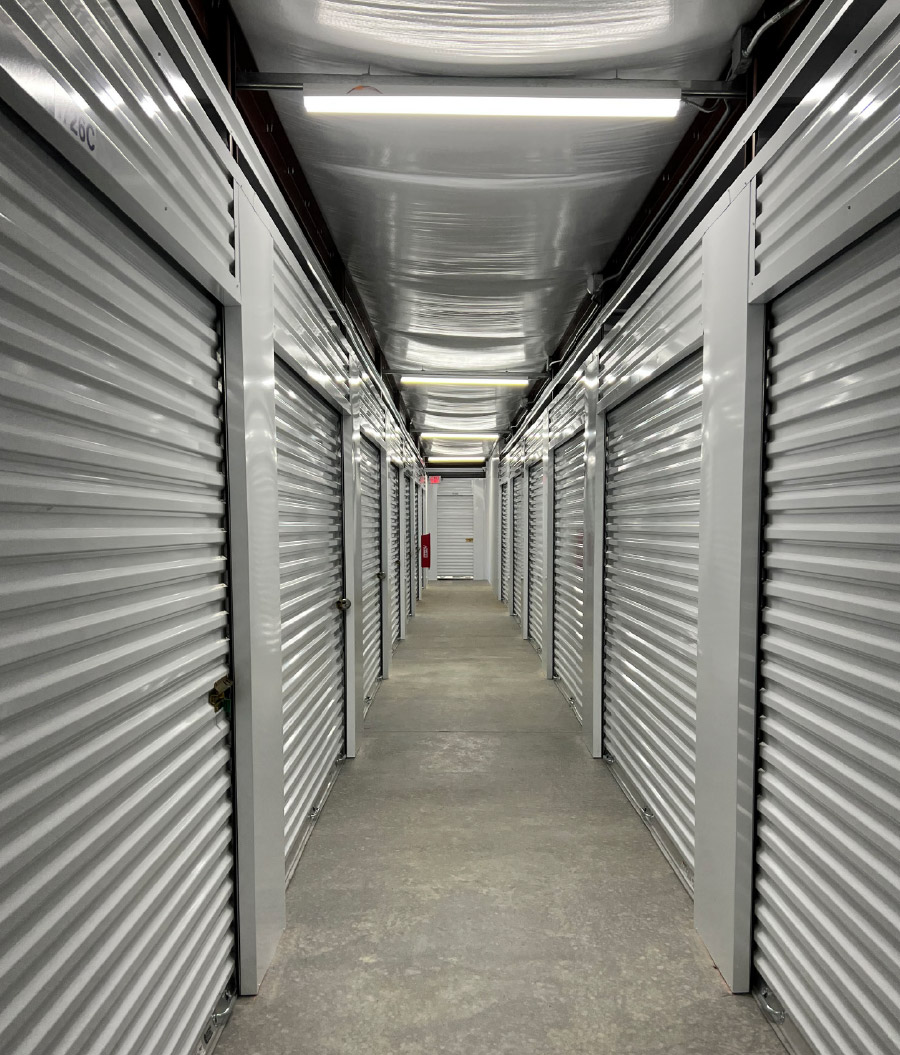
- Lockers and Swing Doors – Add locker doors above roll-up door units to extend usable space and create an additional revenue stream. Look for areas of the storage facility that are too small to accommodate a traditional roll-up door; instead, incorporate swing doors to maximize rentable space.
- Canopy Storage – Add valuable rental space by considering the addition of canopy storage for boat and RV storage. These units can be efficiently designed to maximize the number of vehicles covered, require fewer metal panels than traditional storage units, and fetch a premium price for the storage area.
- Advanced Paints – Modern coatings incorporate polyesters, resins, and polymers that resist scratches, fading, and UV damage. These additives help maintain a fresh, professional look year after year.
- Corrosion-Resistant Coatings – Galvanized and galvalume finishes are essential for facilities in humid or coastal regions. They prevent rust-related failures and extend the life of metal components.
- Extended Paint Warranties – Look for products offering 40-year warranties against chipping, peeling, and fading. These warranties not only protect your investment but also signal quality to prospective tenants.
- Universal Hardware – Fasteners and brackets that fit multiple components simplify inventory and reduce the need for specialized tools. This standardization speeds up repairs and lowers costs.
- Industry Standard Colors – Choosing widely used paint shades allows facility owners to source replacement parts more easily. It also ensures visual consistency across expansions or repairs. Choosing a paint color that is offered by multiple manufacturers can enable storage owners to get multiple quotes and shop for the best options for their projects. Keep in mind that some manufacturers upcharge for premium colors, while others have standard pricing.
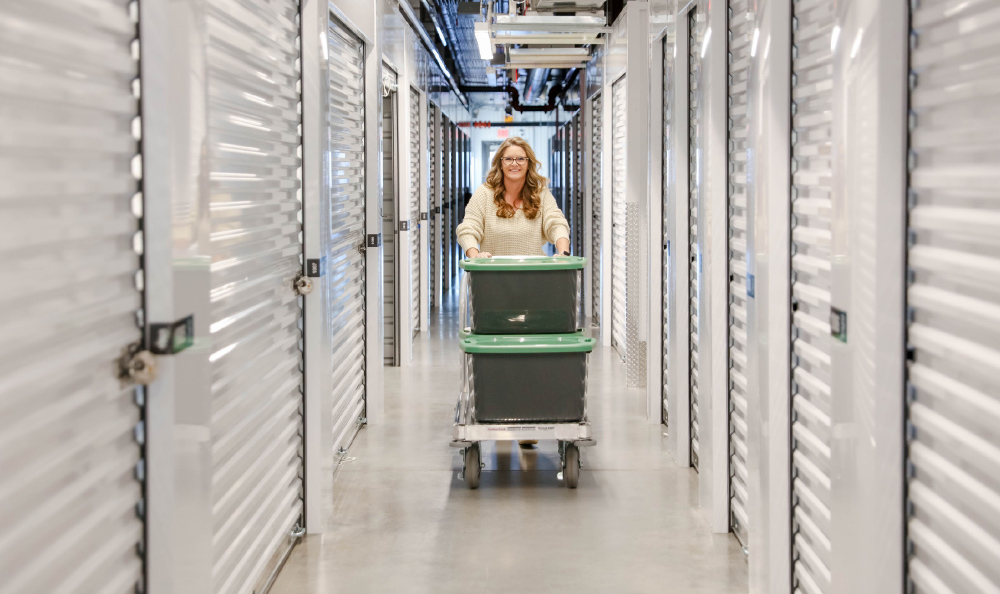
- Latches and Guides – These parts can be replaced in minutes, minimizing downtime and keeping units available for rent.
- Modular Framing Kits – Pre-engineered to fit together seamlessly, these kits eliminate the need for cutting, welding, or custom fabrication. They simplify structural upgrades and reduce labor costs.
- Maximize Uptime – Fewer repairs mean more rentable units and less disruption to tenants.
- Lower Labor Costs – Simplified repairs reduce the need for specialized technicians.
- Enhance Tenant Experience – A well-maintained facility builds trust and encourages long-term leases.
- Protect Capital Investments – Durable materials and extended warranties safeguard against premature replacements.
In a competitive market, these advantages can make the difference between a facility that merely survives and one that thrives.
In short, the smartest way to spend more time making money is to spend less time maintaining your buildings and their components.