



ow the president of Capco, Nicholas Bergmann entered the construction workforce earlier than most, spending every summer of his childhood around construction zones and working alongside his dad, a master plumber. “I grew up in the construction industry with my father being a master plumber. I used to work with him when I was a little kid on different job sites and some residential.”
He remembers the experience with fondness, as he mentioned working as a plumber between college and later joining the Navy. “[I joined] with a construction battalion of the Navy,” he says. “I was in the reserve unit in San Antonio for eight years, and in college I graduated with a construction management degree from UTSA.”
His first job after graduation was with a commercial contractor in Austin, where he was soon invited to move with the company to Houston as they opened a new office in the city. “I worked with that company for over 10 years. I got to do many different things in construction, starting off at the trade level, working my way up to a superintendent, project management, and then pre-construction manager.”
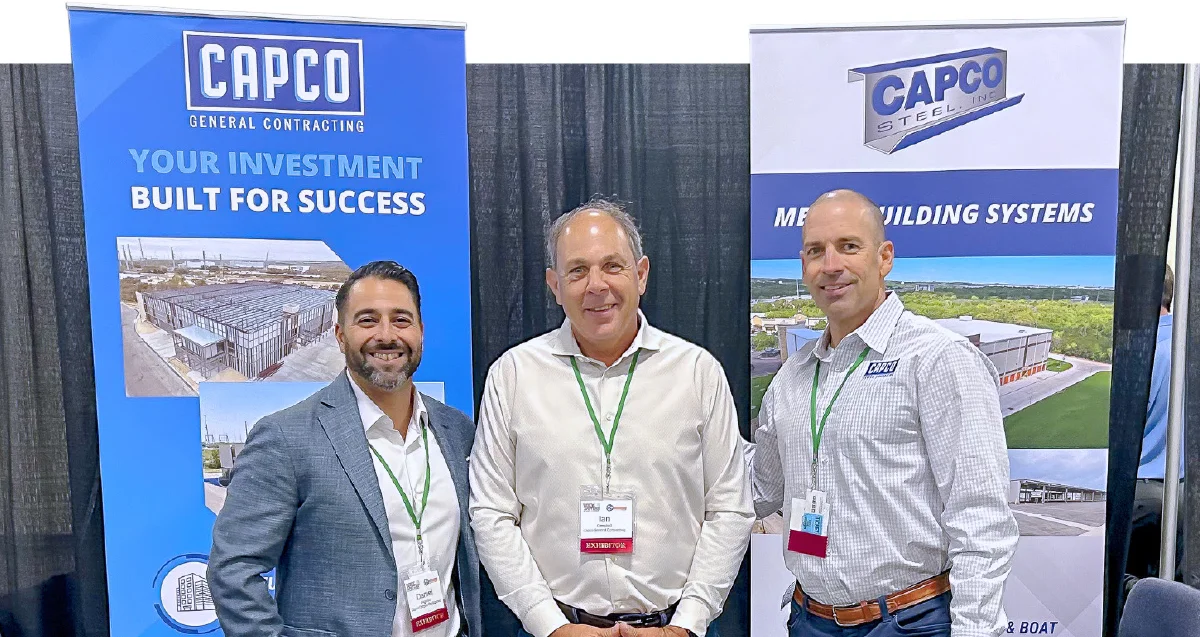
He joined the company back in 2014, and now he’s the owner of Capco. “I’m really proud of the company that we built here—our company, our core values, our integrity, dedication, and authenticity.”
For Bergmann, the greatest opportunities for growth lie in expanding the geographical footprint. “Historically, we worked in 38 different states for over 40 years. But we really consolidate operations down into the southern part of the country,” he says. “For one, winters aren’t as harsh, so we can work year-round. Plus, the overall business climate is friendly in those areas, and we are a very friendly company.”
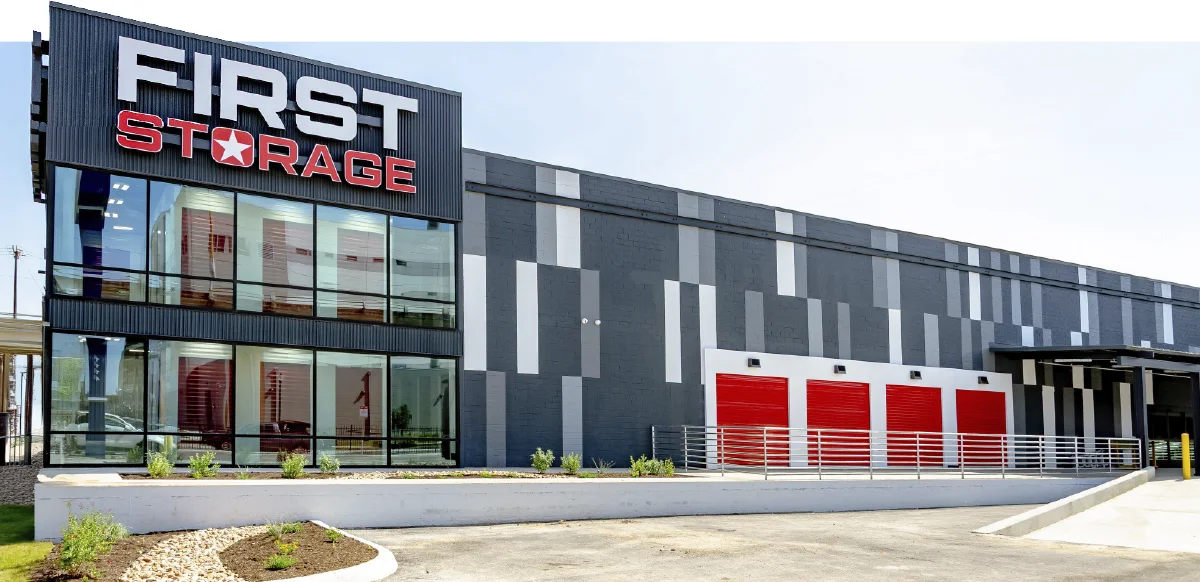
He goes on to say, “The other factor is the cost of capital. Capital interest rates have been elevated from a couple of years ago, and in my personal opinion, it’s here to stay. Having lower rental rates, construction costs being a little bit high, and the cost of capital high, it’s clear all three of those are challenges for our customers. A lot of our customers are figuring out how to navigate that.”
To effectively keep projects financially viable without compromising quality, he says communication and signing up within the early stages of the job on a design bill are crucial. “One of the strategies I think is the most important is communication and to sign early at the front end of the job on a design bill,” he says. “We’re able, through that course of design, to look at different drawings and to make recommendations. At Capco, we recommend architects and engineers with industry-specific experience who have a lot of knowledge about the industry and are able to provide that kind of assistance.”
Not having an architect and design team familiar with self-storage is also the most common mistake he sees peers make. “Some of the biggest mistakes I’ve seen are developers who will use architects or design teams that are not familiar with self-storage. They may be a great office building architect or a great retail architect, but if they haven’t done self-storage, and if they don’t bring in the contractor to help direct and guide that process, it can be very problematic,” he adds. “I remember a self-storage deal that we were asked to look at, and the owner had an office building architect design it. It was really beautiful on the outside, with a lot of fancy finishes, but the project was just too expensive for the developer to build, so that was a costly mistake, and we wish that they had come just a little bit earlier to us because we could have guided them through that process.”
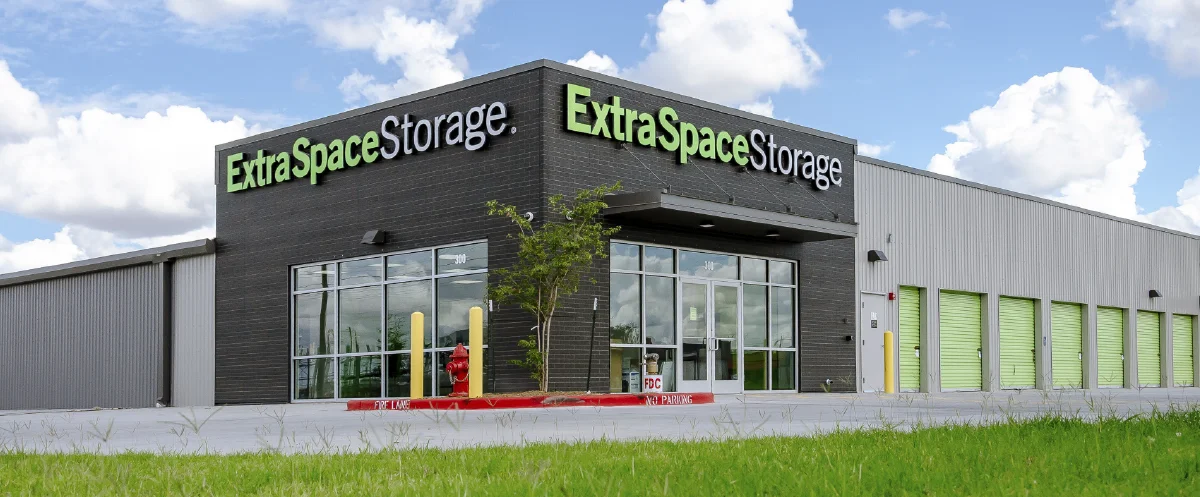
Bergmann affirms that most of the time, when working on a project, they will eventually face unexpected challenges and need to remediate quickly. “We did a project a few years ago in San Antonio, and we had to remove 10 feet of dirt that was going to be beneath the slab. Afterwards, instead of bringing in new dirt, we decided to install a basement, taking the product from three floors to four floors,” he says. “It was really insignificant, but we were able to save the owner a lot of money by reducing the amount of dirt work and also giving them a lot more rentable square footage.”
Pre-planning the project in advance can help construct it at a lower cost. “The longer we know about a project, the sooner we can start planning. We may be able to pre-purchase materials and sign up some subcontractors early so that we can get some price breaks on materials that are going to be used for their project. Another factor is material pricing; we’re always tracking and trying to study that and figure out ways to lock that up.”
Finally, when choosing a construction lot, he warns to keep an eye on traffic patterns. “The best areas have a lot of residential density, whether that be housing or whether that’s apartments, but there needs to be a lot of residential density around the self-storage project, and traffic pattern matters; you really want to have a self-storage that is easy to get into and easy to get out of.”