


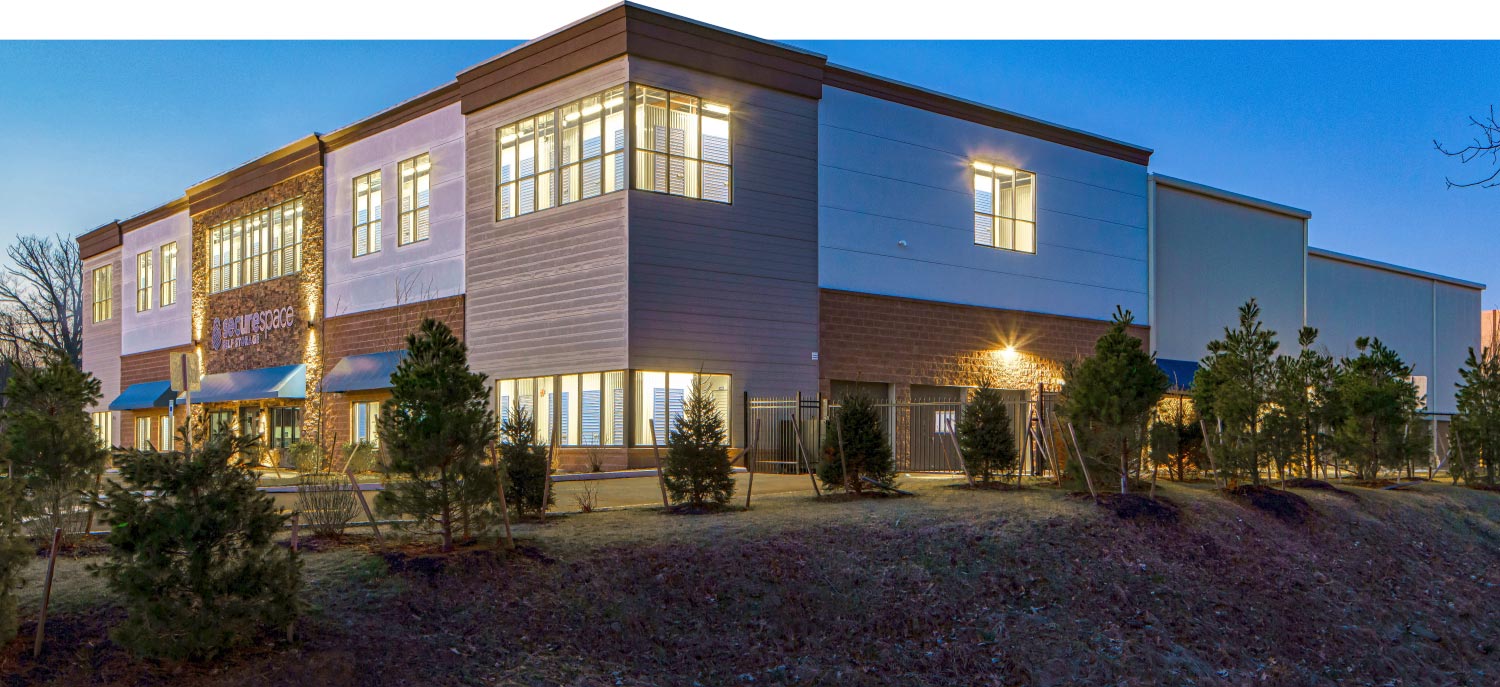
he idea of interior design often conjures images of redoing a kitchen or a spare bedroom in someone’s home. Whether you realize it or not, the practice of well-planned interior design in any business, like a self-storage facility, serves a much bigger function than just colors and patterns.
Interior design and finishing affect and influence functionality, comfort, effective use of space, safety, branding, and much more—on top of aesthetics. With all of that in mind, it can be easy to go over an interior finish budget in a construction project.
Storage Construction works with its clients to prevent that type of budget “overrun” by keeping the builders and the budget in mind during the design process. We refer to this as value engineering, a creative, organized, collaborative effort that analyzes the requirements of a project to achieve the essential functions at the lowest total costs over the life of the project.
In this article, I’ll focus on a few suggestions that my team offers building owners when it comes to aesthetic-, function-, and budget-minded decisions in the area of interior finishes.
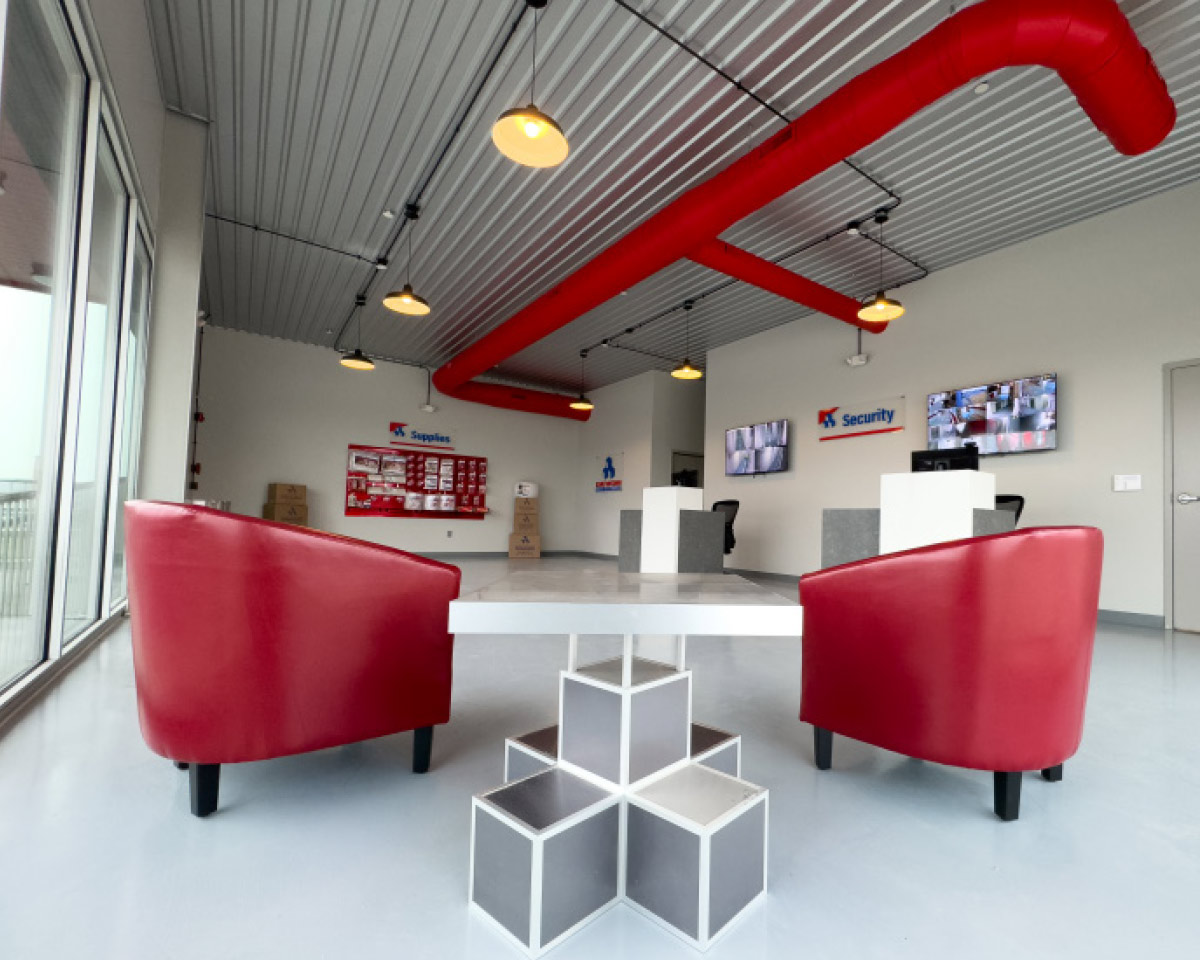
To that end, there’s no need to overdesign or overspend on office treatments and finishes. Here are just a few things to consider for the design of an office:
- Keep light fixtures simple.
- Plan for drop ceilings instead of drywall ceilings.
- Don’t use high-end wall treatments like ceramic or subway tile or LED back-lit wall panels. Just install drywall and paint it.
- Don’t plan for excess built-in cabinetry or storage.
- Use carpet tile or sealed concrete as floor finishing instead of porcelain/ceramic tile floors.
KEEP HALLWAY CEILINGS EXPOSED.
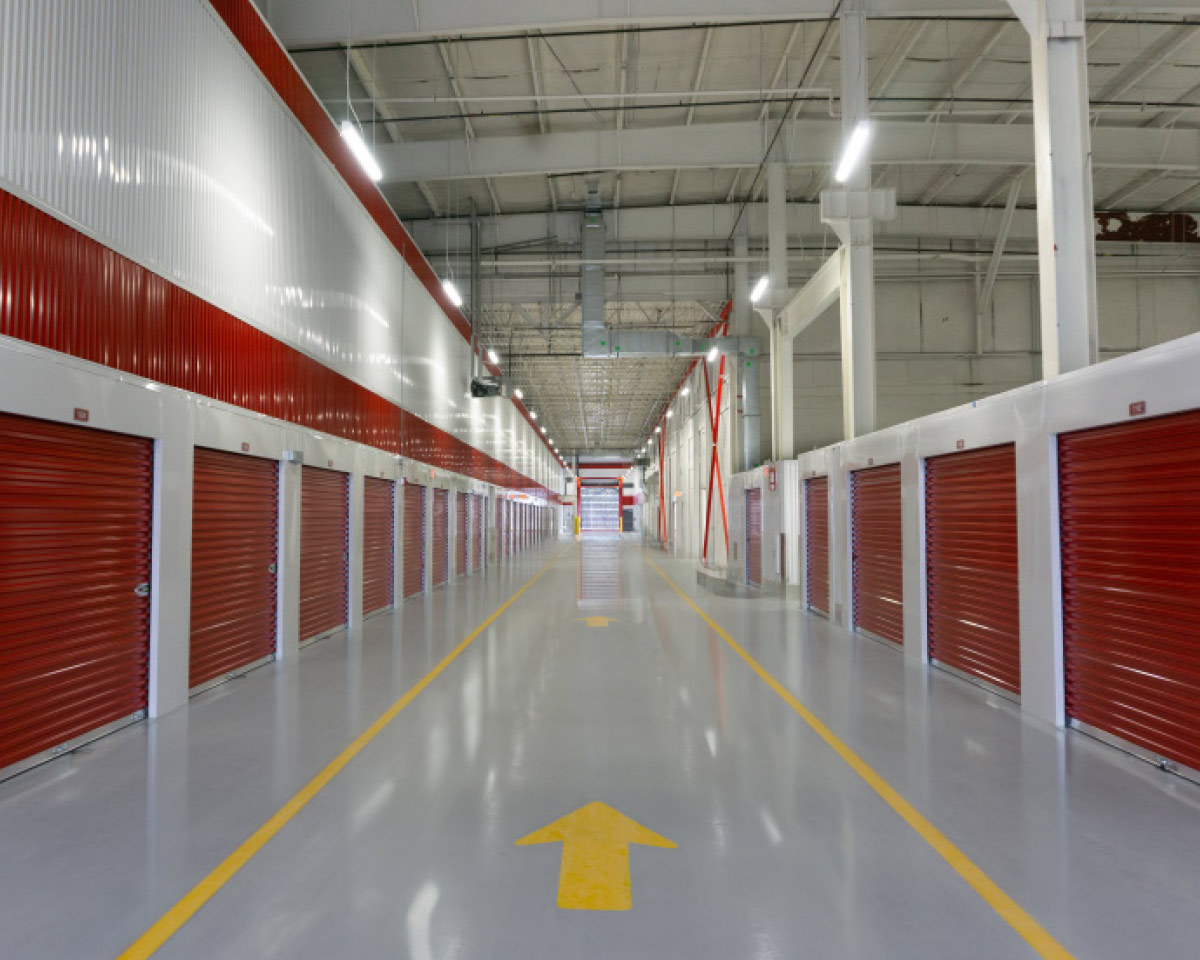
Open ceilings can give the sense of a more spacious facility, but they also cut down on costs. Installing a ceiling finish such as ceiling panels, soffit ceilings, or drop ceilings is expensive and can add time and complications to mechanical runs like HVAC ducting, sprinkler piping, lighting, and others.
STICK WITH CONCRETE FLOORING.
There is no need for carpeting or epoxy floor finishes in self-storage hallways. These hallways will see a lot of traffic and wear. Leaving the concrete exposed, perhaps with a sealant, will save costs down the road by eliminating or reducing the need to replace worn materials.
KEEP IT BRIGHT.
When choosing colors, we always suggest choosing bright white colors for the hallways. Even though some other colors aren’t an upcharge, many are an added expense. More importantly, bright white interior colors will brighten the overall structure for customers without the need for the installation of additional lighting.
For the interior hallway lighting, we recommend an 8-foot LED strip light with a built-in motion detector. Anything beyond this will expand your budget for both parts and installation, and built-in motion detectors can offer an additional reduction in costs for wiring and installation labor.