



an you believe that a huge part of the human population has suffered from hunger since the world began? Hunger is a condition in which an individual lacks the physical or financial capability to meet their nutritional needs. It leads to malnutrition, wasting, stunted growth, and death. Hunger kills more people than AIDS, malaria, and tuberculosis combined, and it is primarily prevalent in Africa and South America. In 1989, Mission Feeding began with a challenge to feed 5,000 starving children in Mozambique. Since then, Mission Feeding has expanded and became instrumental in helping save the lives of over 18 million children across Africa. Those who suffer most in these times of food crisis are the children. Malnutrition remains one of the leading complications in the deaths of children under the age of five in developing countries around the world. Every year, 3 million children lose their lives due to malnutrition, food insecurity, and starvation.
For more than 30 years, Mission Feeding outreach has been a proven answer to the nutritional needs of starving and malnourished children, saving lives by supplying much-needed food, nutrition, and aid to malnourished and starving children in areas of desperate need. Currently, Mission Feeding feeds more than 350,000 children daily in villages and areas across Africa. A big breakthrough came when a formula for a simple, nutritional porridge was developed. This allowed workers to bag and ship large quantities to villages with the greatest need. Every bowl of food has the vitamins and nutrients needed to stop the cycle of malnutrition and death and rekindle hope in the hearts of children, families, and villages in need.
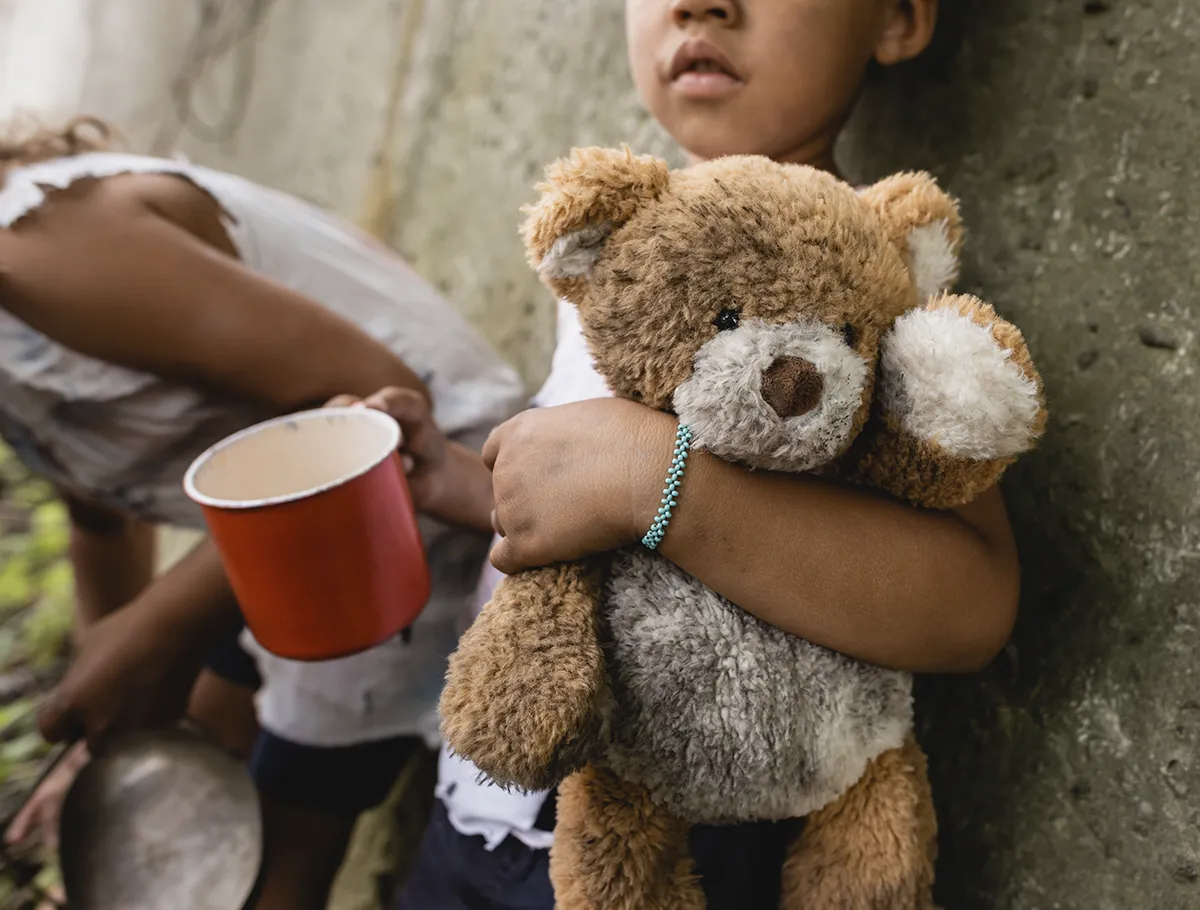
World Hunger Day is observed every May 28 to raise awareness about the over 820 million people living in chronic hunger and to encourage action to end this. The day aims to increase awareness of global hunger as our world and populations continue to grow. The website for World Hunger Day reveals various statistics on how hunger affects disadvantaged people around the world. The Hunger Project, the organizers of World Hunger Day, also hosts events and promotions to make these statistics public knowledge and garner action. The day hopes to contribute to helping reduce global hunger. It motivates and encourages organizations and individuals to contribute in one way or the other to reducing hunger in their communities. It also calls for action from governments to develop better food security policies. Along with increasing awareness and motivating others to get involved, World Hunger Day promotes global health. Undernourishment, which results from hunger, is a leading cause of death and disability worldwide. By driving efforts to deal with hunger, World Hunger Day invariably contributes to an improvement in global health.
After World War II, the newly formed United Nations began leading the fight against hunger. Following its establishment, the U.N. created FAO, W.F.P., and IFAD to promote food security and agricultural development. In the late 1970s, international organizations such as the I.M.F. and the World Bank began focusing on developing countries as starvation in countries like Ethiopia came into the global limelight. In the 20th century, the prevailing view was that hunger was a problem of demand surpassing supply. However, this view was ended by the research of economist Amartya Sen, who successfully proved that hunger in modern times was a distribution problem or caused by government policies in developed and developing economies. In 1998, Sen won a Nobel Prize for this research.

- Volunteer at your local food bank.
Food banks are charitable organizations that distribute food to those without the finances to buy enough for themselves. Volunteer at a food bank in various roles, including fundraising, social media management, organizing food drives, and awareness campaign management. Check online for a food bank close to you.
- Donate to charity.
If you don’t have the time or resources to volunteer, start donating a weekly or monthly token to a non-profit that focuses on hunger. That could be a food bank, a soup kitchen, or a hunger project. Research for one that fits your ideal, get their account details, and start making donations.
- Raise awareness.
Social media is usually the go-to platform for raising awareness about anything. Use your social media account to draw attention to the plight hungry people suffer around the world. Stress the importance of actions like sustainable eating to reduce food wastage, donating excess food items to soup kitchens or food banks, and tasking governments to do more to end hunger.