


s self-storage owner-operators exit the first quarter of 2026 and prepare for the busy season ahead, it is time to review your capital expenditure (CapEx) plans. But that doesn’t mean you can’t take some lessons learned in 2025 and turn them into strategies for success.
- Delayed repairs or remodels due to stretched budgets,
- Aging infrastructure in need of significant updates after years of heavy use,
- Shifting tenant expectations toward “smarter,” more secure and more comfortable facilities,
- Facility upgrades required to meet modern customer needs,
- Declining rental rates as new, more contemporary facilities enter the market, and
- Outdated unit mixes failing to keep up with the needs of today’s customers.
Unfortunately, taking a wait-and-see approach to costly remodels and repairs can cost you in the long run with lackluster curb appeal that leads to reduced revenue and damaged reputation as potential tenants seek facilities that look shiny and new. And not repairing issues when they are minor often turns them into big problems with bigger prices tags. For example, a roof leak that requires a $300,000 replacement and a month without tenants could be avoided with regular roof inspections.
The good news is it’s not too late for self-storage owner-operators to get started with essential strategies that allow you to stay competitive and maximize ROI. Despite aging facilities and evolving tenant expectations, a proactive plan can alleviate many of these issues, especially when you align it with long-term value rather than short-term cost savings. Read on for tips on how to take the guesswork out of tackling your deferred maintenance, renovations, and smart upgrades, and how to pay for it with today’s tax breaks that allow you to save money while making facility improvements.
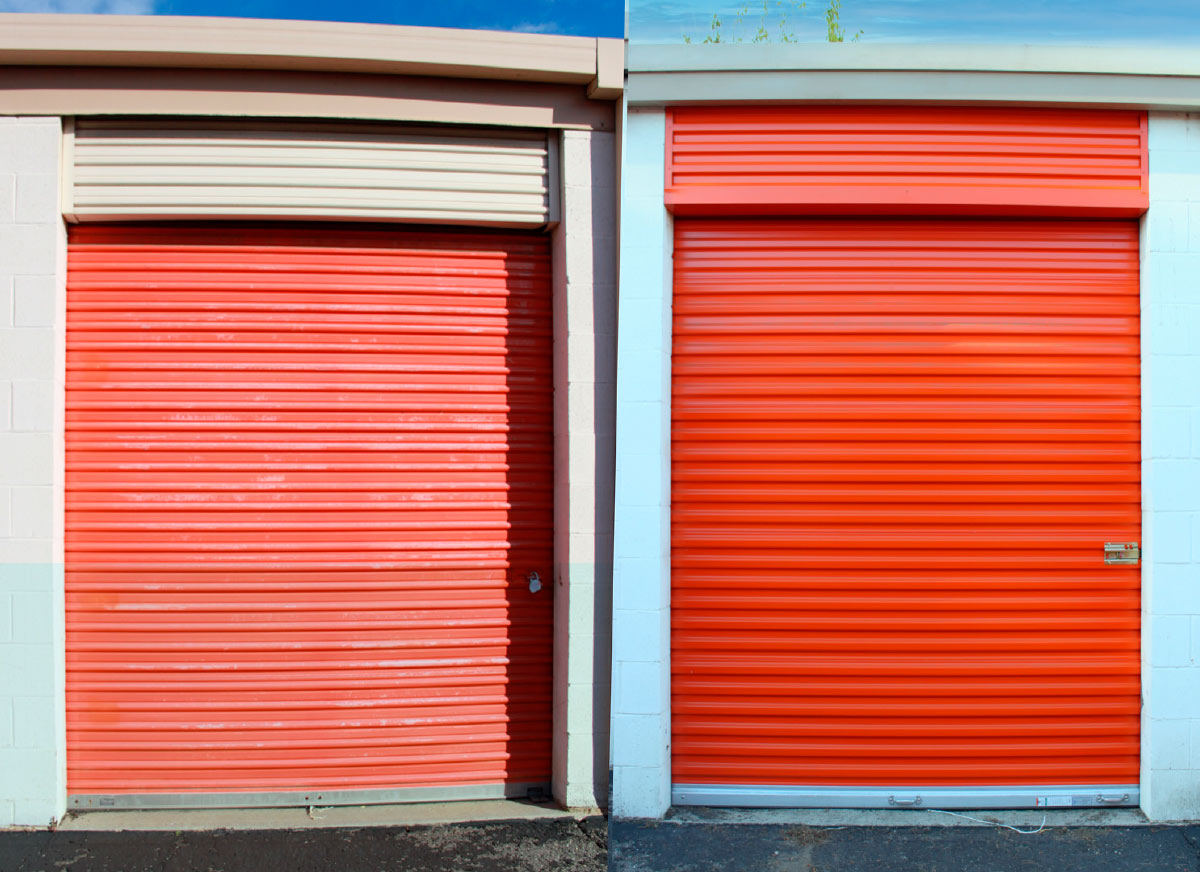
- Door Replacements – Old or dented doors are more than an eyesore—they’re a liability. Replacing aging roll-up doors reduces maintenance costs, enhances curb appeal, and improves tenant satisfaction. Newer models also offer smoother operation, improved weather sealing, and better long-term durability. With a door replacement program, you can get a fast and effortless solution that uses experts to discard the old doors and install the new ones in a single day.
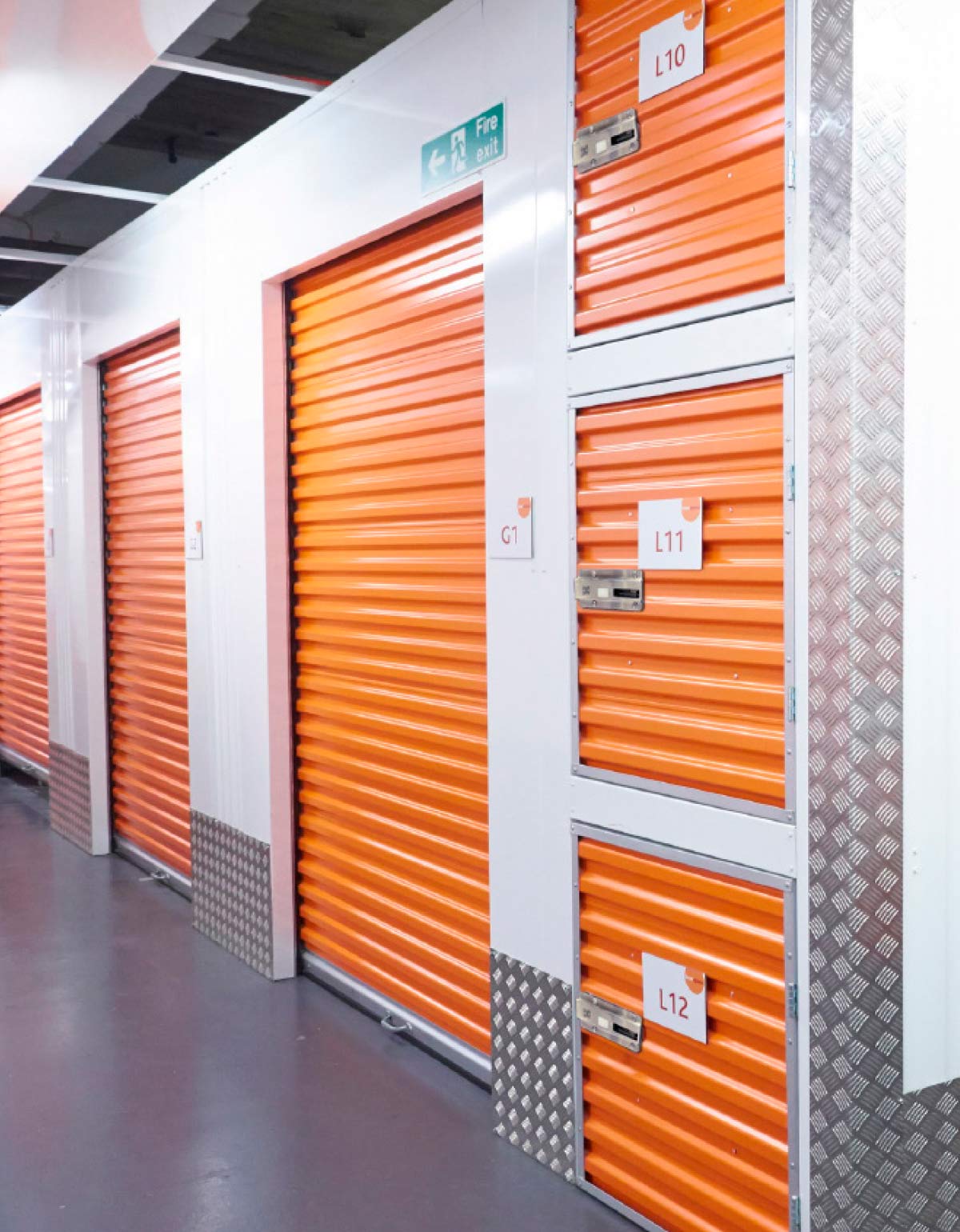
- Hallway Reskins – Fresh hallway paneling creates a cleaner, brighter environment that can help justify higher rental rates. By choosing new panels with long-term durability and minimal maintenance, you can help your facility maintain a modern, professional appearance.
- Unit Remixes – If occupancy is uneven, consider reconfiguring unit sizes to match current market demand. A remix can improve rental yield without expanding your footprint. A well-planned unit remix can improve rental yield and optimize your space–all without expanding your footprint. Adding removable storage units is a great way to accomplish remixes, and these portable solutions are eligible for 100 percent bonus depreciation under the 179 criteria.
- Paving and Asphalt – Smooth drives and proper drainage reduce claims and increase site safety. Paving is one of the most visible aspects of your property and one of the most common sources of tenant complaints when neglected. Regular maintenance and time resurfacing protect your investment and preserve your professional image. With a proactive maintenance program that includes critical elements like paving, you can prevent costly issues and keep your operations running smoothly.
- Painting and Office Remodels – A refreshed office can do wonders for first impressions. Simple upgrades like new paint, lighting, or signage elevate your brand presence, improve customer satisfaction, and make your facility feel more welcoming and well-managed. Again, a proactive maintenance program helps in this area as well to ensure your property remains secure, functional, and inviting.
- Roofing And Building Repairs – With today’s metal roof restoration and coating systems, owners can often extend roof life by 10 to 20 years at a fraction of full replacement cost. By choosing a restoration solution that includes warranties for up to 20 years for new membrane systems, you can create substantial savings versus a full tear-off.
- HVAC And Lighting Upgrades – Upgrading to LED lighting and modern HVAC systems not only enhances tenant comfort, especially in climate-controlled buildings, but also improves energy efficiency. These upgrades can qualify for energy tax credits and utility rebates, providing both operational and financial benefits. By working with a team of experts to perform these upgrades, you’ll have an overall safer and more efficient self-storage facility.
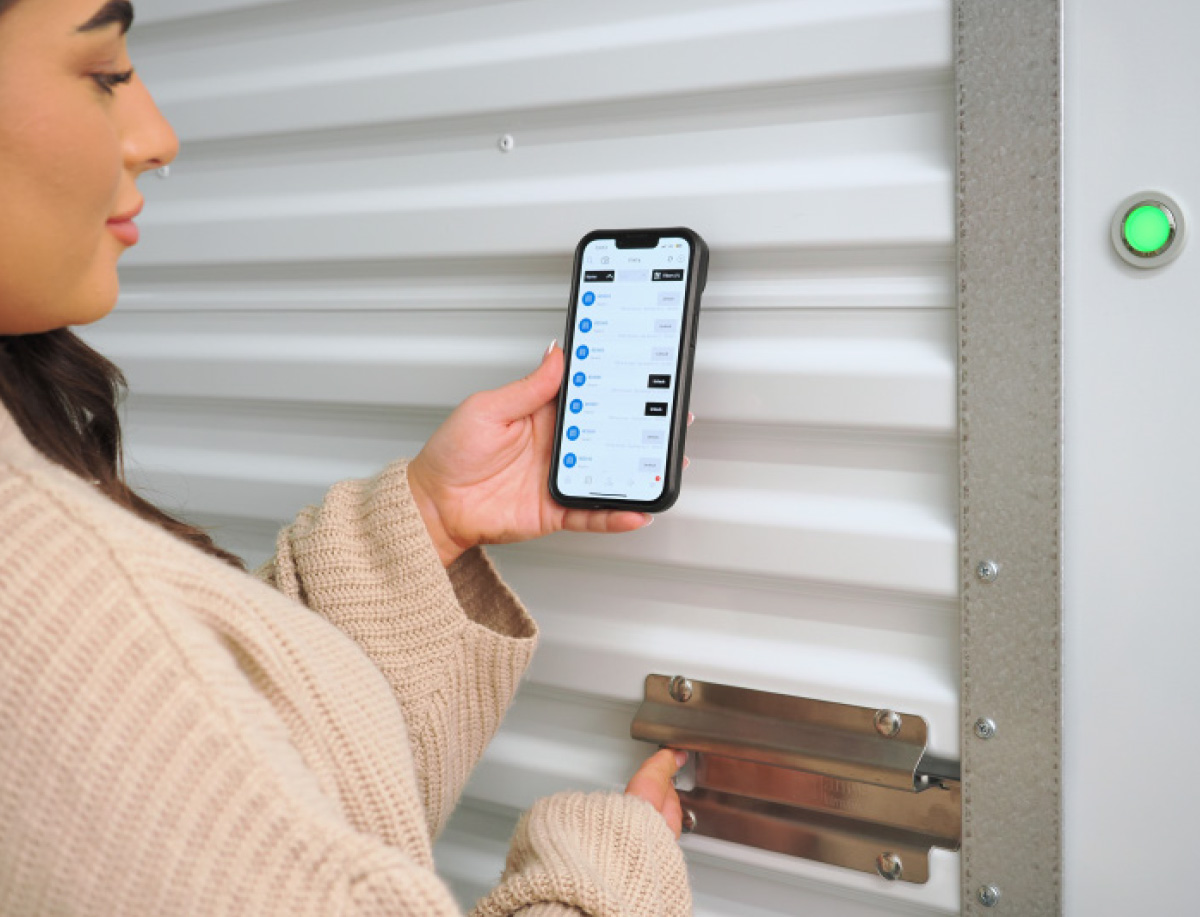
- Smart Security System Upgrades – Security remains one of the top decision factors for tenants. Upgrading access control systems, gates, and surveillance deters theft, improves peace of mind, and can increase occupancy and rental rates. Industry-leading smart-entry systems and unit door smart locks provide integrated smart access, security-grade motion sensing, and mobile app control for tech-forward facilities.