


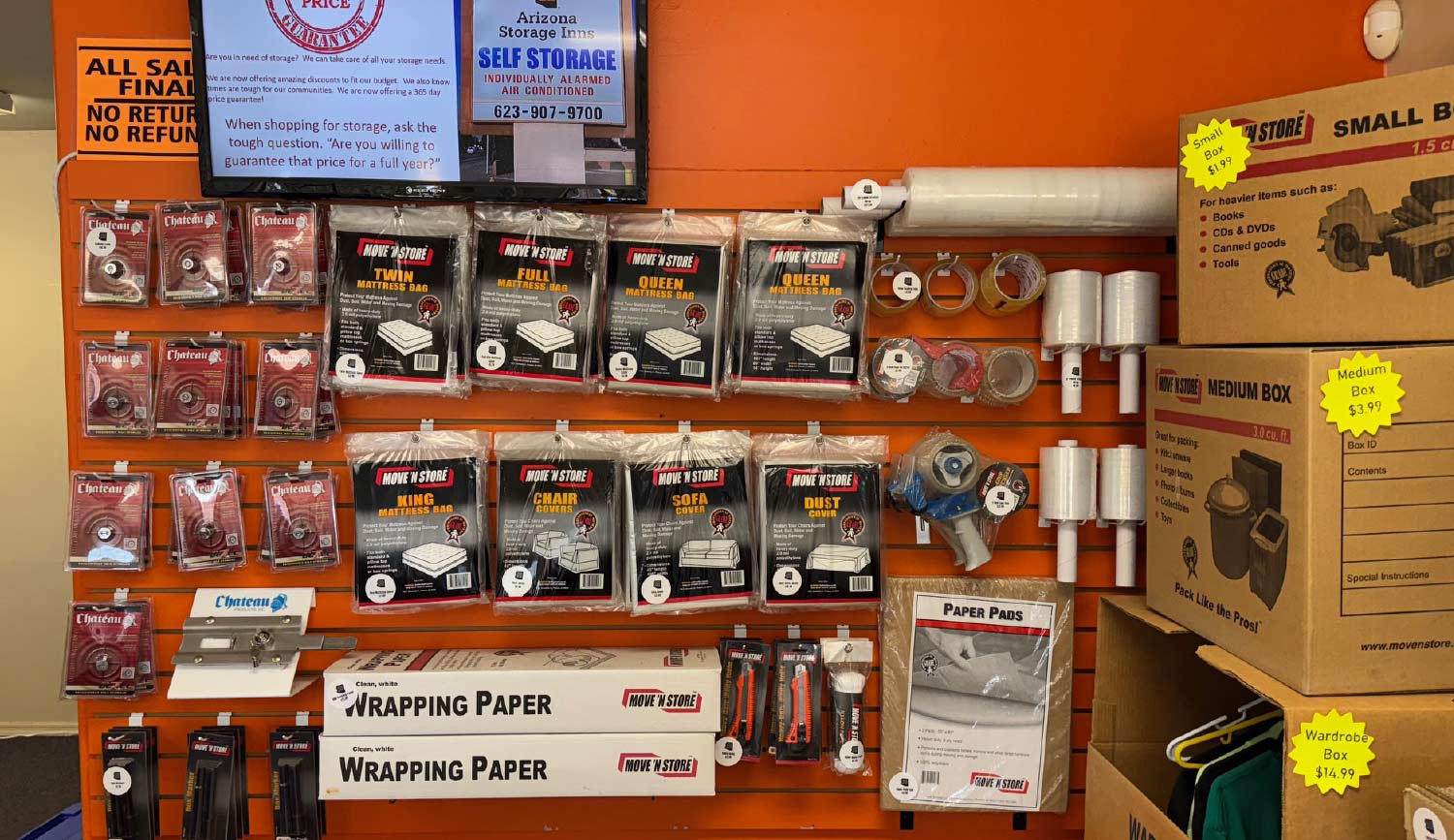
hen tenants rent a self-storage unit, they’re potentially preparing for significant life events, such as moving or traveling abroad. No matter the reason, even if they just simply need extra space to store their personal property, they’ll likely need packing supplies to keep their belongings stored safely and effectively. Items like boxes, bubble wrap, mattress and furniture covers, tape, and locks are essential for a smooth storage experience, amongst other packing items.
The purchase of these products is almost a guarantee, especially for first-time self-storage renters. After all, no one wants to pay for a self-storage unit only to risk exposing their belongings to dust, dirt, mold, and, in some cases, even pests. To avoid the damage caused by improper storage, tenants will certainly be interested in buying products that will help keep their items in prime condition. This makes on-site retail offerings highly convenient for tenants and opportune for facilities seeking an extra source of income.
But convenience aside, is selling packing supplies and other retail products a smart business decision for self-storage businesses? What’s the best way to source these items? How should they be priced to remain competitive yet profitable? Industry specialists interviewed for this article divulge the best practices.
It’s important to consider that quality and durability are essential when selecting products to sell because renters will associate these items with your business. If they fail to meet expectations, it may reflect negatively on the facility. When choosing which products to sell, prioritize reliable, long-lasting options that protect tenants’ belongings effectively. But where can high-quality products be sourced for resale?
The first step in identifying a reliable supplier is to establish a budget. Determine your ideal amount for purchasing inventory and use this as a guideline during your search. Once the budget is defined, research suppliers that align with your budget, offer good quality products, and provide great service. It’s important to inquire about their inventory restocking schedules, how they source their products, and how the delivery process works. Reputable suppliers should be able to provide client references. Positive feedback from other businesses can serve as an indicator of the supplier’s reliability and quality of service.
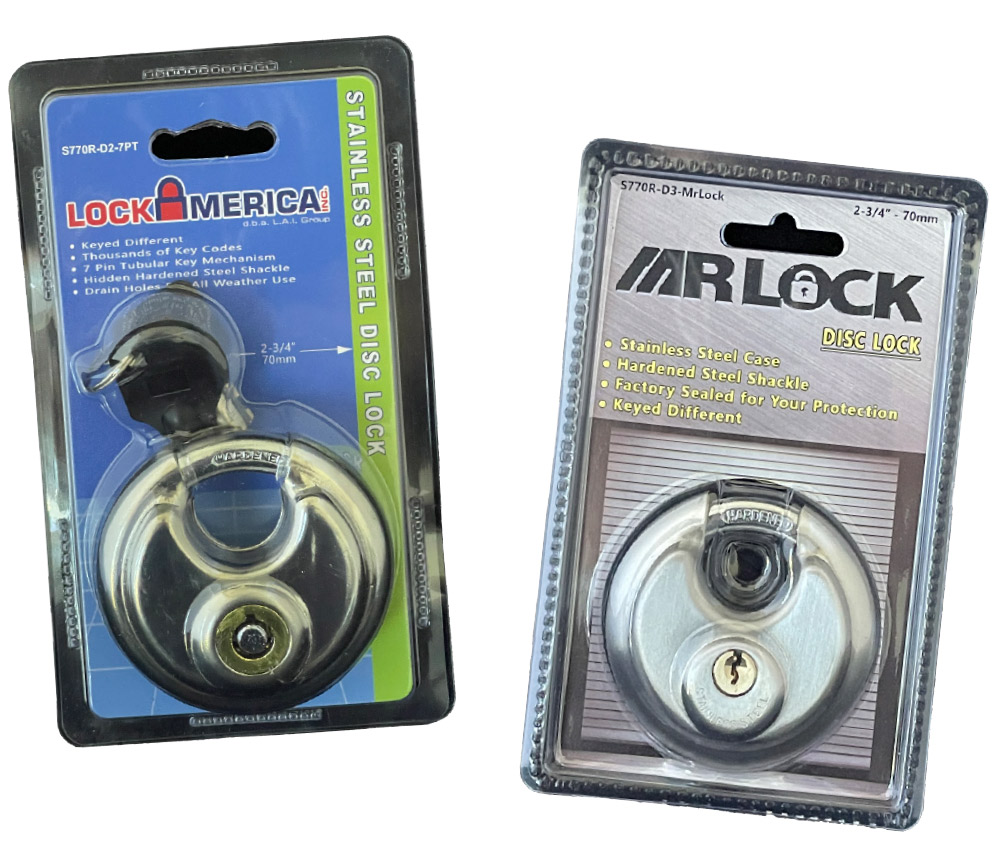
For instance, Lock America, a manufacturer and distributor of locks and security hardware for various industries, emphasized the importance of premium locks. “By offering quality security products to your renters, you establish your preferred level of security at the site,” says Richard Morahan, Lock America’s marketing consultant. “A collection of cheap, renter-chosen locks invites thieves and makes your site look less secure to the security-conscious prospect. If you make it easy for your renters to use quality locks, you will be secure, and you will look secure.”
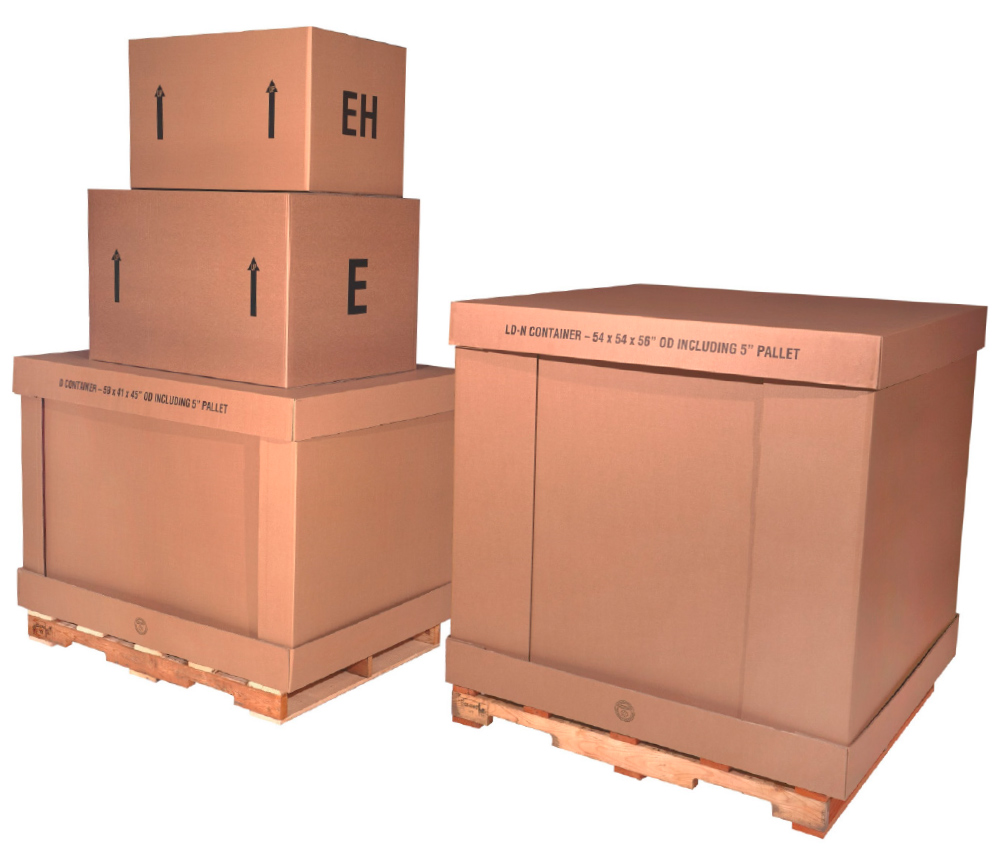
Richard Schwartz, the president of Advantage Box, explained that tenants are “hot leads” for purchasing moving items. “Instead of sending customers elsewhere, self-storage operators can seize this opportunity to secure a complementary sale and generate a secondary revenue stream,” he says.
“In my view, a self-storage operator’s pricing strategy needs to consider three key factors: the cost of goods sold, their value proposition, and their customers’ alternatives,” Schwartz says. “There’s no one-size-fits-all approach to pricing strategies, but the more a customer relies on and trusts their self-storage facility, the more likely they’re to trust the products being sold.”
Moreover, tenants might be willing to pay a higher price for the convenience of purchasing these items in the self-storage facility. “When customers trust a business and already have a relationship with it, they’re more likely to pay for the added convenience of getting everything they need in one place,” adds Schwartz. “This is especially true for self-storage facilities where customers can easily pick up moving and storage supplies while renting their units. It saves them time and effort, making the overall experience smoother and more efficient.”
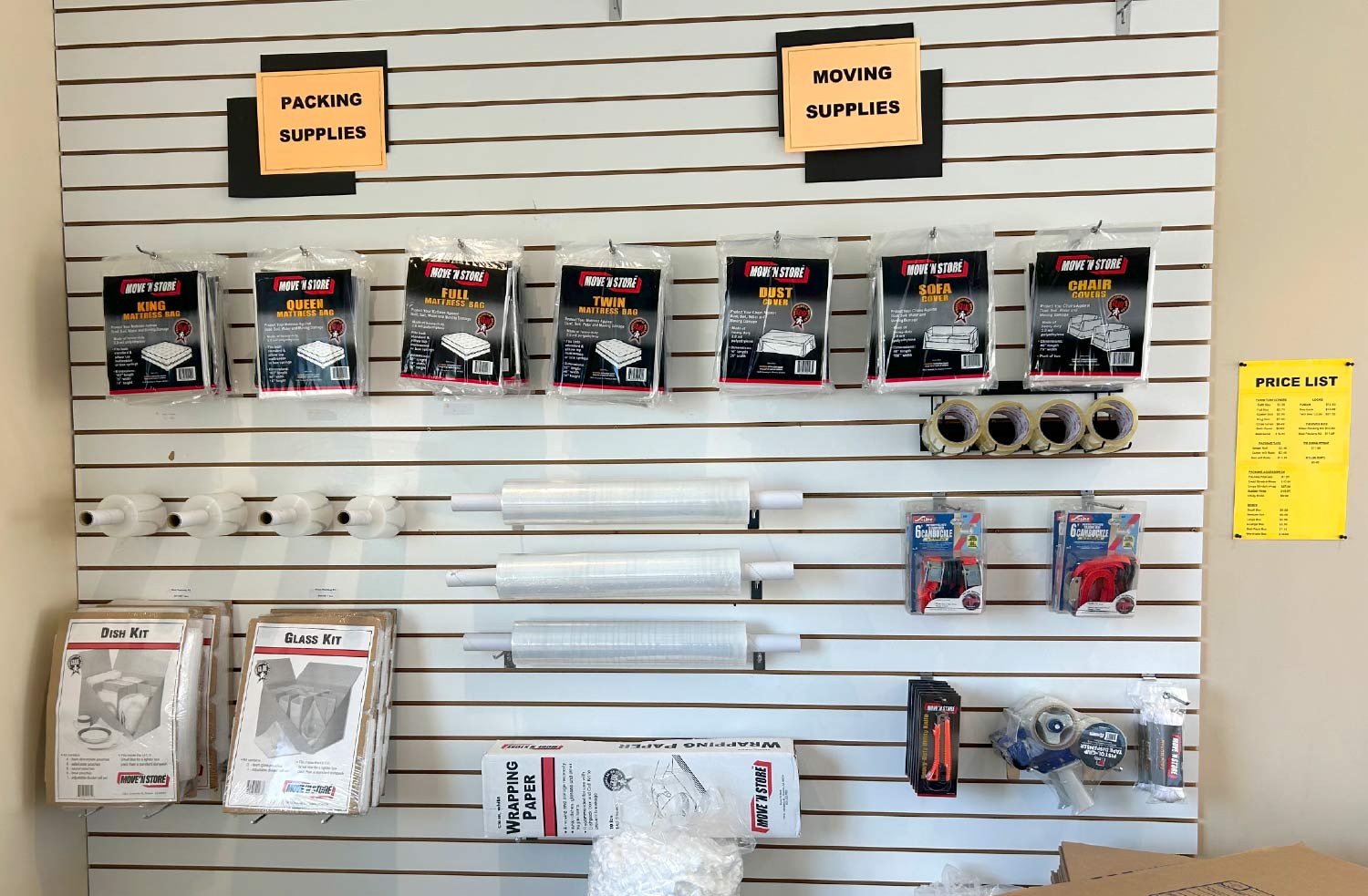
The placement of retail products within the facility is another crucial factor that can influence sales. While some businesses choose to display items in the office, others dedicate a separate showroom for these products. Regardless of the approach, it’s essential that the items are displayed and easily visible to tenants.
“If the facility offers a full showroom with the right product mix for the customer’s needs, why would they go elsewhere for their moving and storage supplies? The right price for a product should reflect all these considerations,” Schwartz says. “When customers see the range of supplies on offer, they’re more likely to make a purchase on the spot, especially if it simplifies their moving process.”
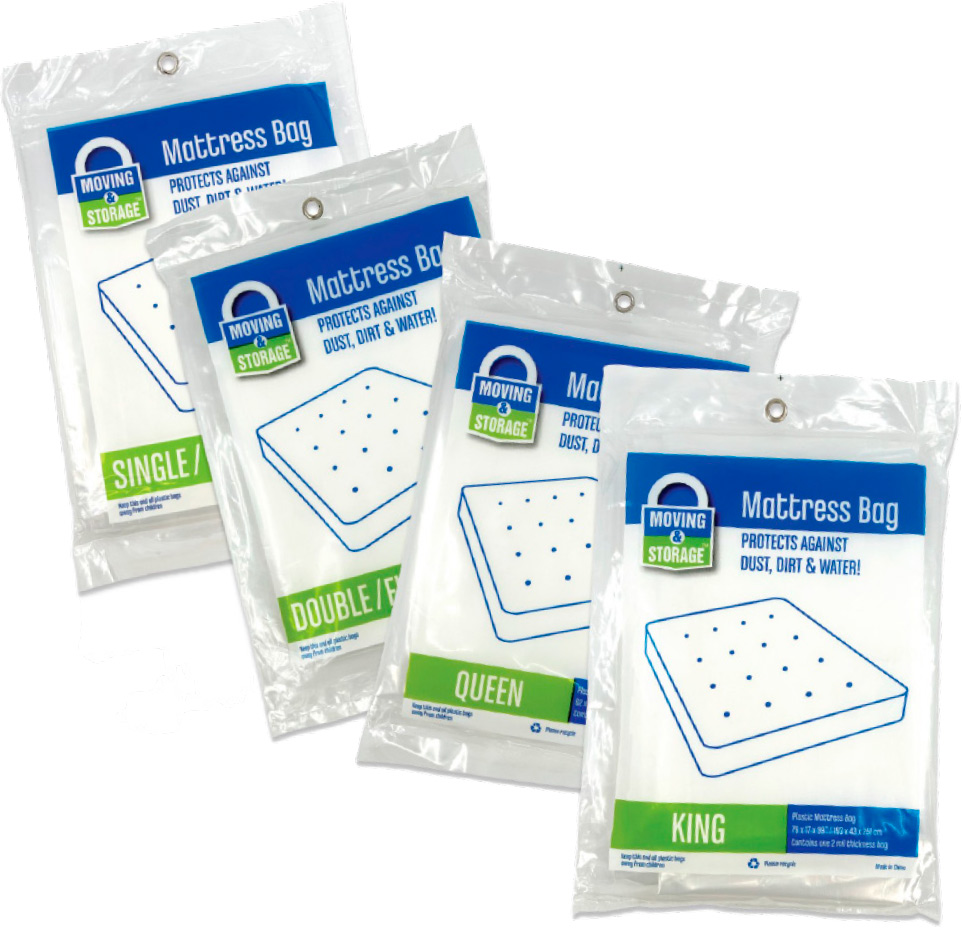
“Utilizing our boxes, which are a little more sturdy than the average box, can help maximize storage space by being able to stack boxes higher,” he says. This attention to detail demonstrates the care self-storage facilities have for their tenants, which can enhance the overall customer experience. “[Selling retail products] allows us to be a one-stop shop and prevent customers from visiting potential competition to purchase these products.”
In addition, selling retail products to the general public can help build connections with potential self-storage renters who purchase packing supplies but have yet to rent a storage unit. “The more you can offer the prospective customer, the more successful you can be in converting them into a customer who rents a storage unit with you,” Cobb says.