


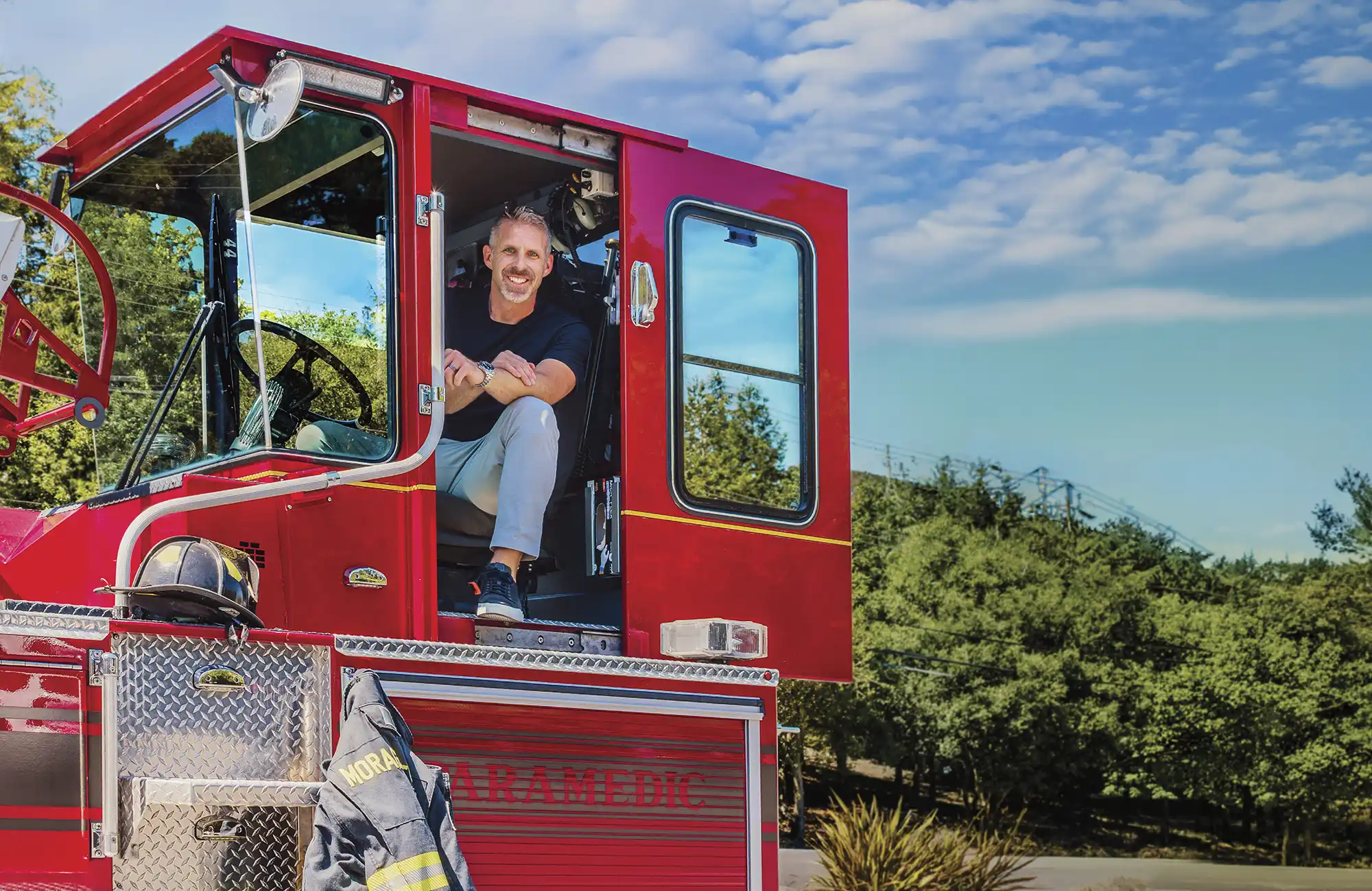

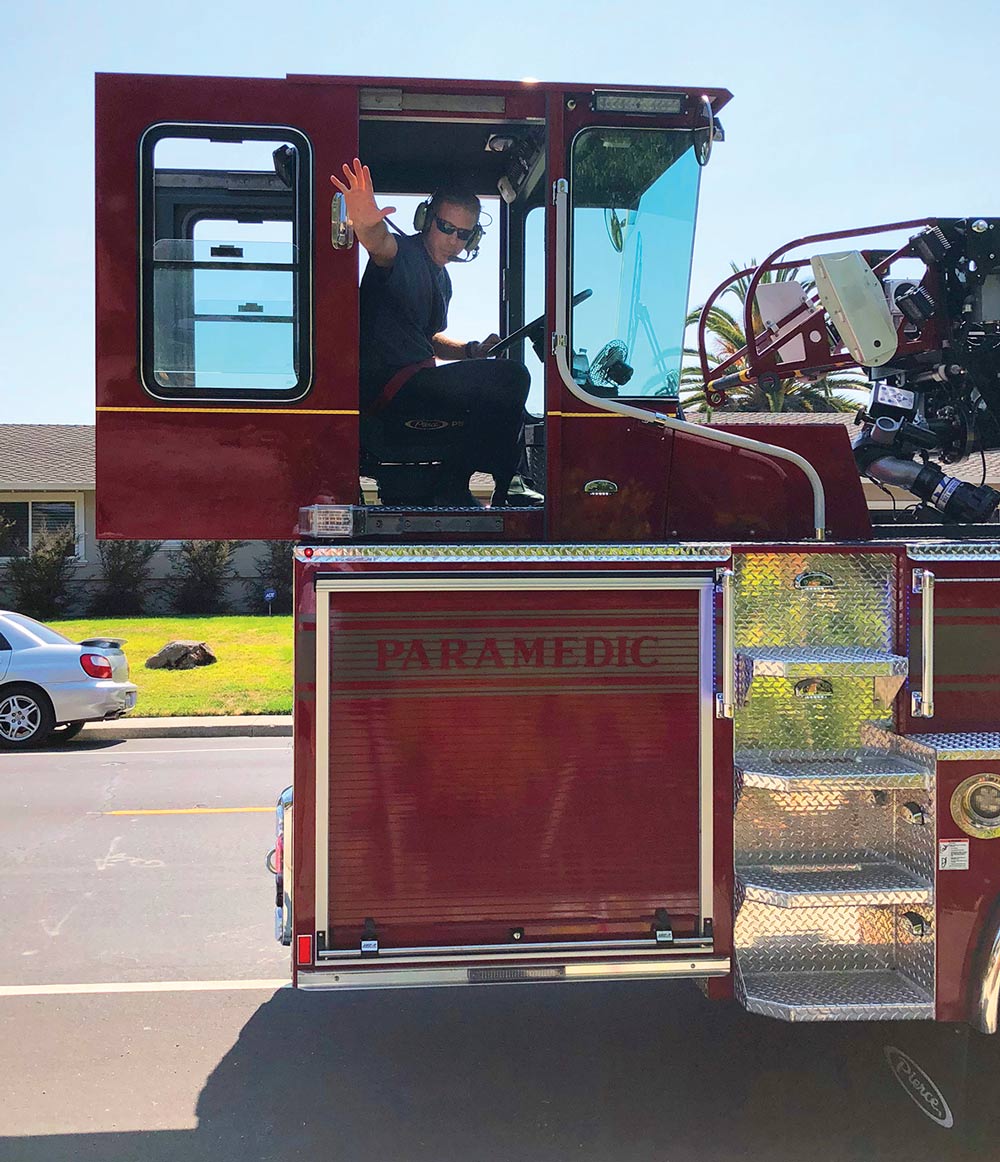
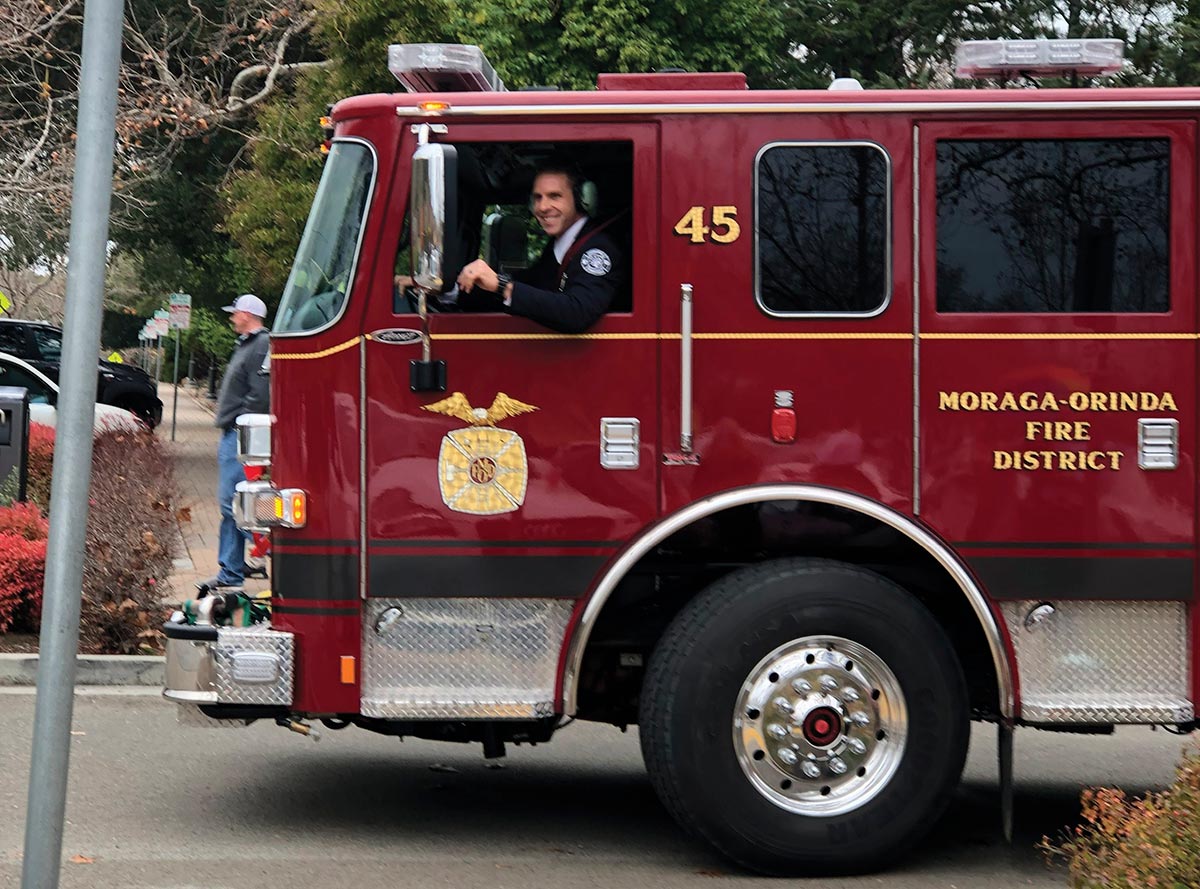
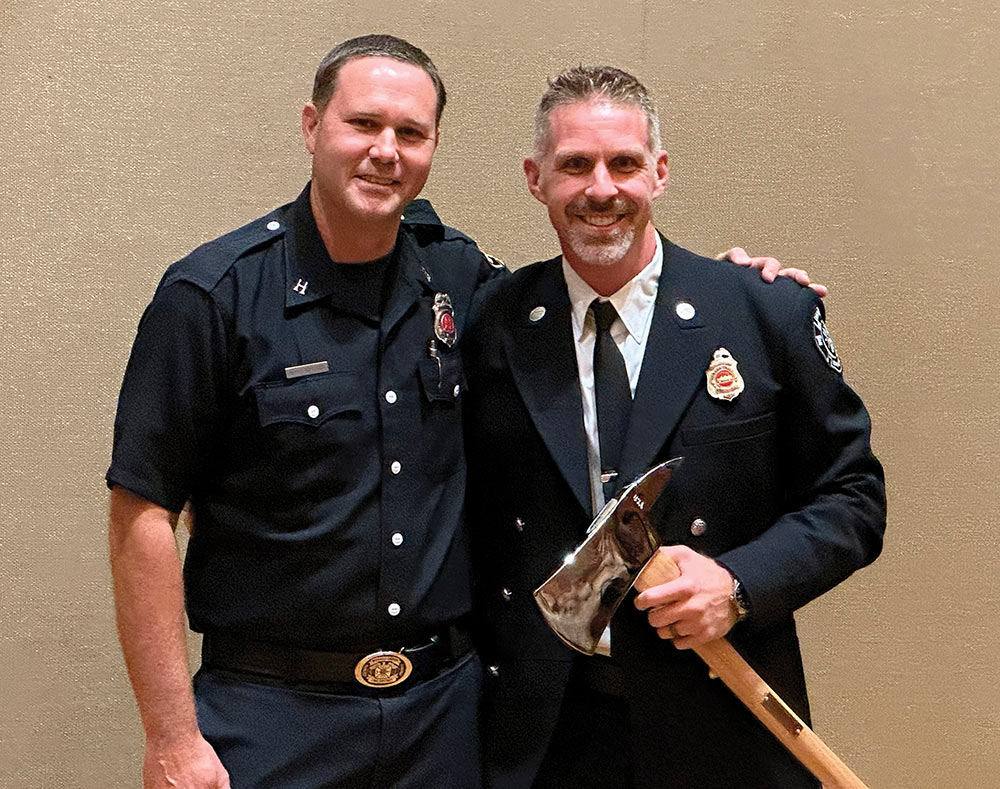
or two decades, Andrew Hess’ job was showing up on somebody’s worst day. He’d built a career as a fireman and paramedic, operating in high-pressure environments where hesitation could make a situation even more challenging. The job was structured, disciplined, and deeply rooted in teamwork—he loved it.
Then, in an instant, it was gone. “I got hurt on the job and wasn’t able to go back,” he says, “so that became the pivoting point where I went into self-storage and residential lending.”
For Hess, it wouldn’t just be a career change but a reshaping of everything he already knew.
Seeing the devastation and loss of life, along with the first responders who ran bravely into the destruction, Hess decided he wanted to take a different path. “That’s when I knew I wanted to join the fire service. I wanted to give back.”
Co-founder of Alpine West Group
“It’s usually not glamorous like it’s portrayed on ‘Chicago Fire’ or ‘9-1-1,’ where you’re scaling skyscrapers and jumping out of helicopters every day,” he says. “One of the stranger calls was a 2 a.m. dispatch to remove a cow that someone hit in the middle of an urban five-lane highway. I say, ‘What are we supposed to do with it?’ and law enforcement suggests just dragging it away. I was like, ‘No, you’re going to need a forklift for this job.’”
After his injury, the decision to get into the self-storage industry wasn’t immediate. For a while, he refused to accept that he wouldn’t return to the fire service. “I didn’t want to believe it, but as things developed, it became apparent that returning wasn’t in the cards,” recalls Hess. “That was a real blow to me.”
It was a period of more than just figuring out a new career path; it meant letting go of the one he had built his identity around. Accepting that it wasn’t going to happen didn’t come all at once. “There’s a point where you realize it’s not temporary anymore,” he says. “That’s when it shifts from, ‘When do I get back?’ to ‘What do I do now?’”
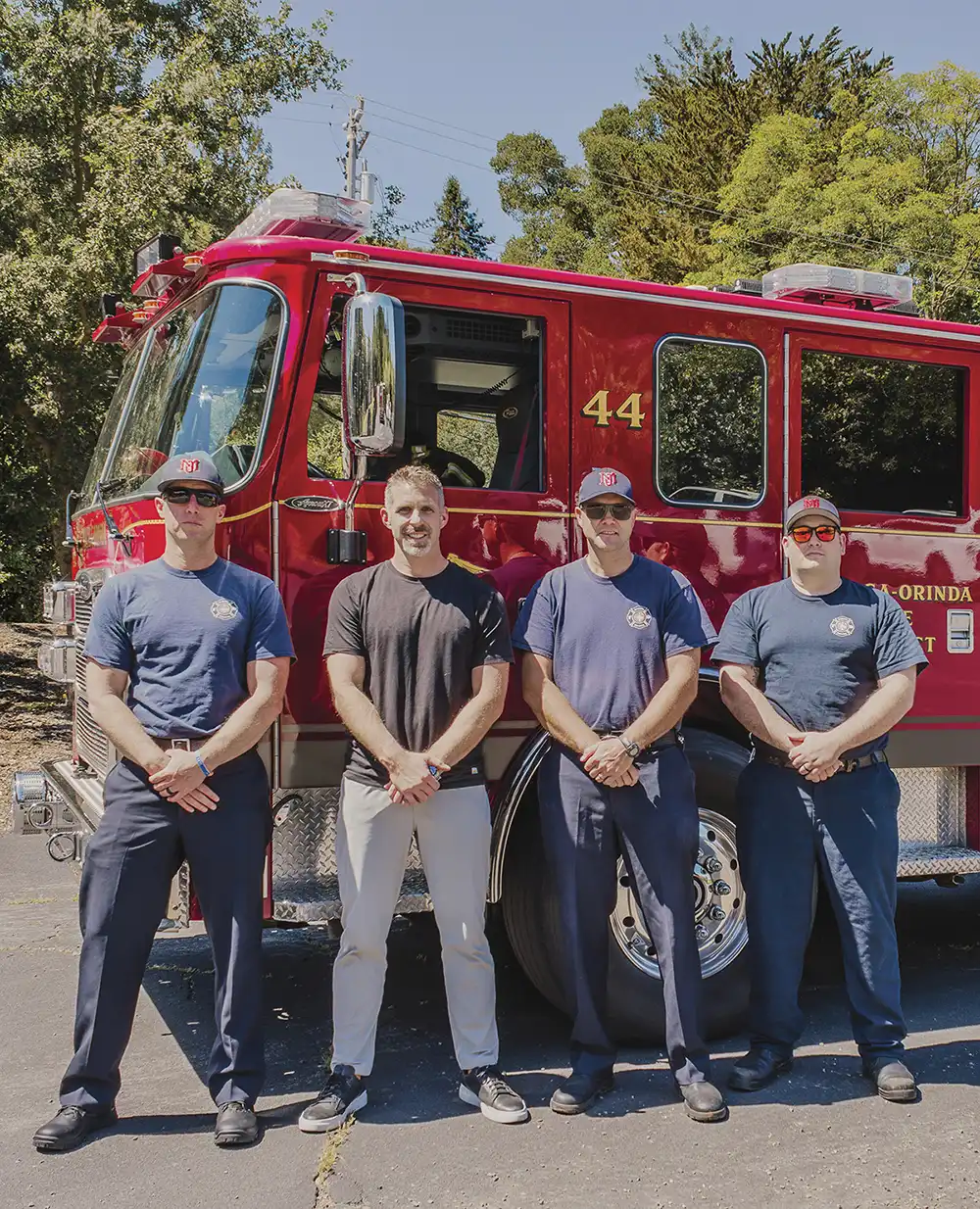
With three kids to take care of, Hess and his wife began plotting the next move that would set them up financially. “We looked at a number of things, but self-storage had the most appeal. There’s a smaller number of variables and lower expenses than other asset classes.”
Hess explains that this was important to him; as a firefighter, his job was to minimize unpredictability and risk. That’s exactly what self-storage offers him: control and simplicity. “Of course, anything can happen with any asset class, but this felt safer. That’s why we got fully onboard with it.”
When making the move to storage and co-founding Alpine West Group, Hess was able to take many of the frameworks of the fire service and apply them to business. He was also grateful to have obtained a degree before donning the turnout gear, which remains on the back of his office chair. “Yeah, that was a good decision,” he says with a smile. “It’s coming in handy 20 years later.”
Hess needed to find partners and get some guidance. “Having a coach, someone you’re accountable to, really helped our ability to execute on that first property,” he says.
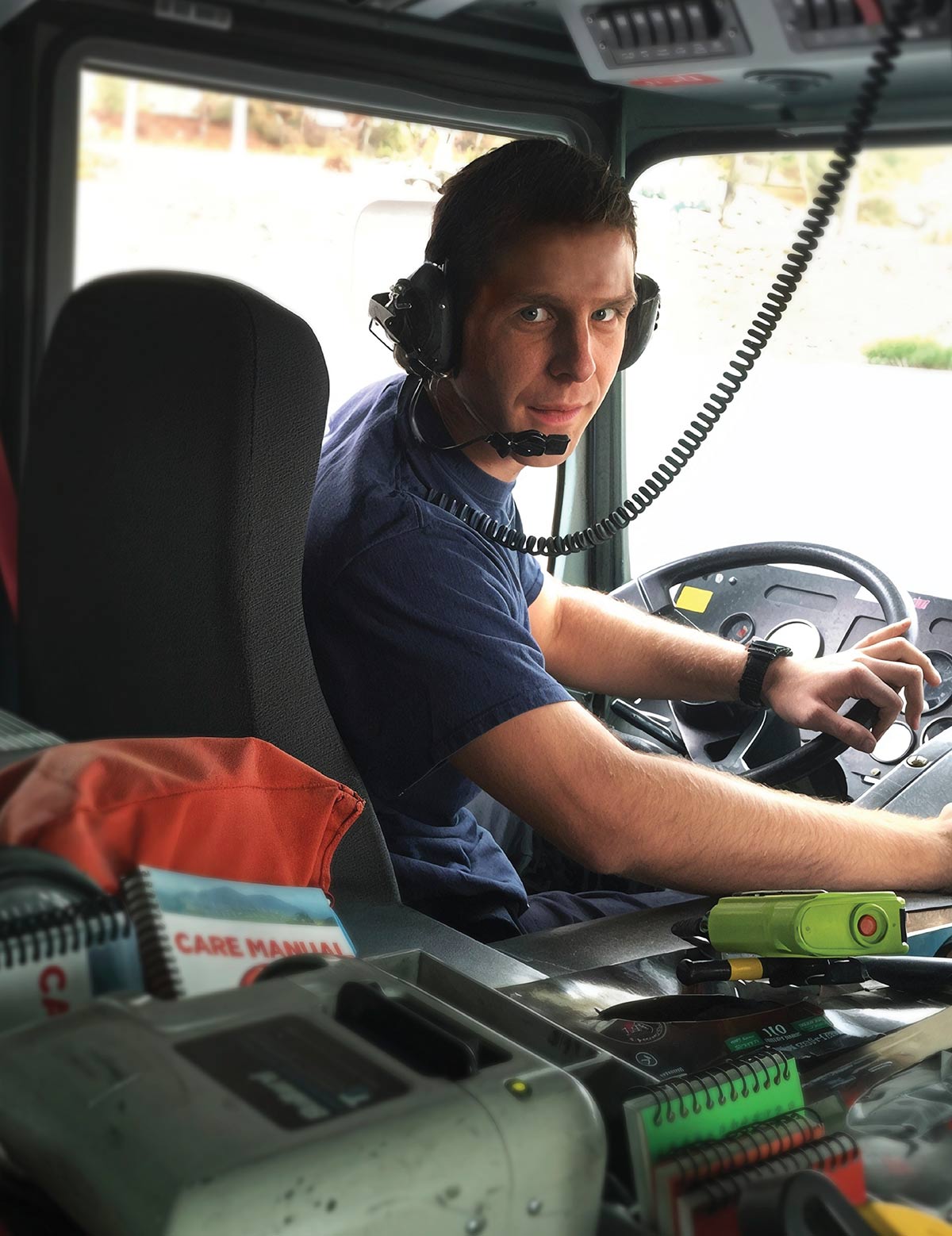
Co-founder of Alpine West Group
Once the first deal was closed, they had something critical: proof of concept. However, for Hess and another frequent collaborator, Cameron Barsanti, that means one to two properties per year. “We want to be deliberate about growth. It’s about sticking to our metrics and not getting caught up trying to make the deal work,” he says.
That discipline comes straight from the fire service. “If you go into a situation and you’re not calm, you’re going to make the problem worse,” says Hess. “You take the facts, look at the situation, and make a decision.”
The same strategy applies to acquisitions. Beyond numbers, his focus is on something less tangible: relationships. “Everyone you talk to has a story,” he says. “Storage owners are no different.”
Two properties are located outside of Hess’ home state of California, in Florida and Washington State. At first, the idea of owning property out of state didn’t sit well, especially coming from such a hands-on background. “I was skeptical of it; it felt like too much distance from the asset.”
“Communication is crucial, and that’s something I inherently learned with the fire service. You’re literally putting people’s lives, including your own teammates’ lives, in jeopardy if you’re not communicating, so I’ve made it a point to bring that into my business deals.”
It also applies to the broader industry. “Storage is unique. There’s a tremendous amount of knowledge, and most people are willing to share it—to communicate their successes and failures.”
That openness helped him get started, and now that shapes how he helps others.
Hess shares how the pension system is changing, forcing people to work longer. In California, that means 57 years old. “Firefighters are some of the hardest-working, most dedicated people out there,” he says. “They’re there on Christmas, New Year’s, birthdays—all the time—so keeping them active until 57 doesn’t sit right with me.”
Unfortunately, Hess says they’re working so hard that they’re often not thinking about a long-term financial strategy. “Their mindset is giving back to the community. That’s what’s on their radar.”
So, he introduces something different, not as a pitch but as an option. “I have conversations with them, especially those starting out. I say, ‘You’re a firefighter and that’s great; I love what you’re doing, but here’s an opportunity to set yourself up later in life. What do you think?’”
Through residential lending and real estate conversations, he shows how existing assets like home equity can be used to build something more. “You have something here you can work with already,” he says.
It’s not about replacing their careers, says Hess, but expanding their options. “I’m not telling them to quit, but rather [to] invest so you’re able to retire comfortably when you want, not at 57 after work has taken a toll on your body.”
Of course, he also talks to them about self-storage—when they’re not asking about it themselves. “They may razz me a little, but that’s how the conversations start. Even helping a few people is enough. That’s a tremendous win.”
Would Hess ever partner with one of his old colleagues, or even one of those younger recruits he’s been talking to? “Absolutely. These are salt-of-the-earth people that you can trust.”
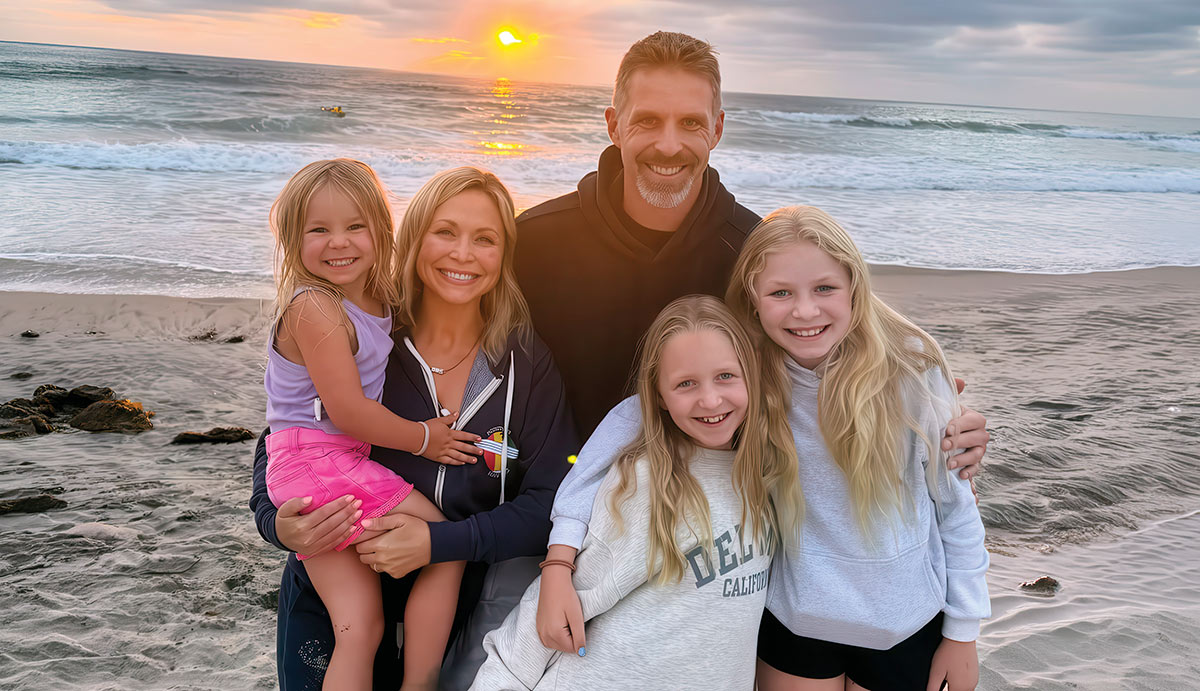
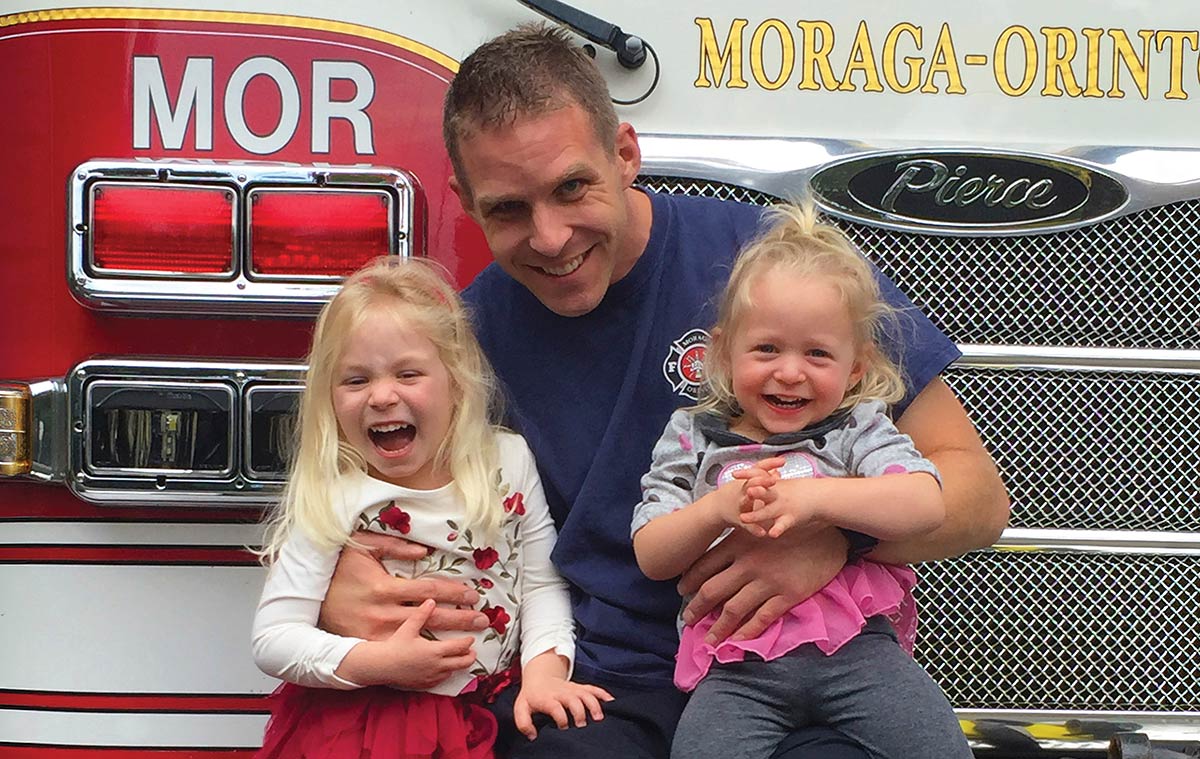
“You don’t get those days again,” he says. “And when you start stacking those weeks and years together, it hits you. My oldest is 12, and it feels like yesterday she was the size of my five-year-old, so this new path has allowed me more freedom. It’s allowed me to spend more time with the kids and pour more into my marriage too.”
Hess makes it clear he’s not looking to build a self-storage empire, as that would take away some of the time he’s regained. “I’m not looking to buy every single property on the face of the planet. What I’m looking for is the right opportunities and the right people. And I want to continue to give back.”
While the shift from fireman to businessman may seem drastic, Hess is still doing the same thing—just without the uniform. He’s assessing risk, working with a team, and making outcomes better for the people counting on him. It’s how he earned trust as a firefighter and how he’s building a reputation in self-storage.
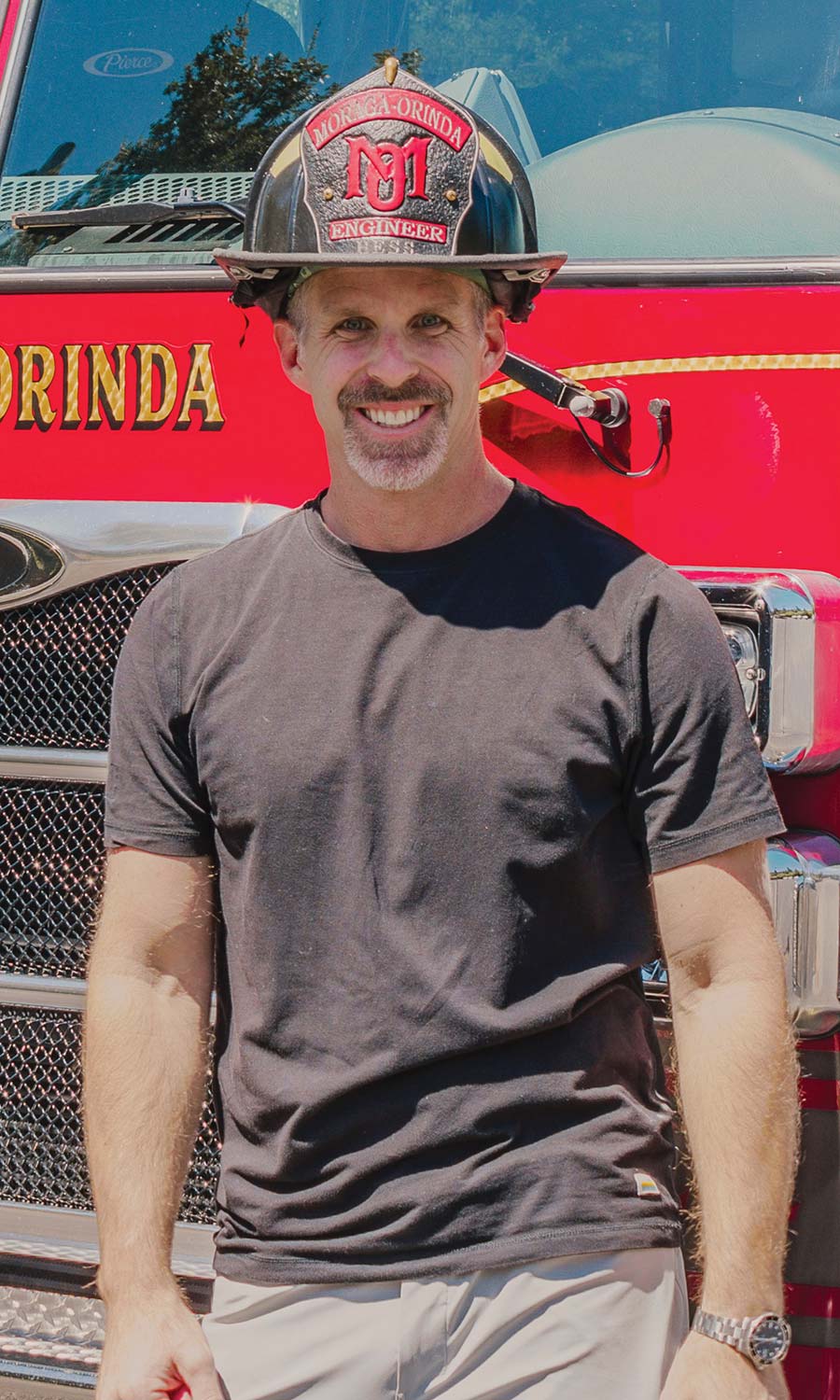
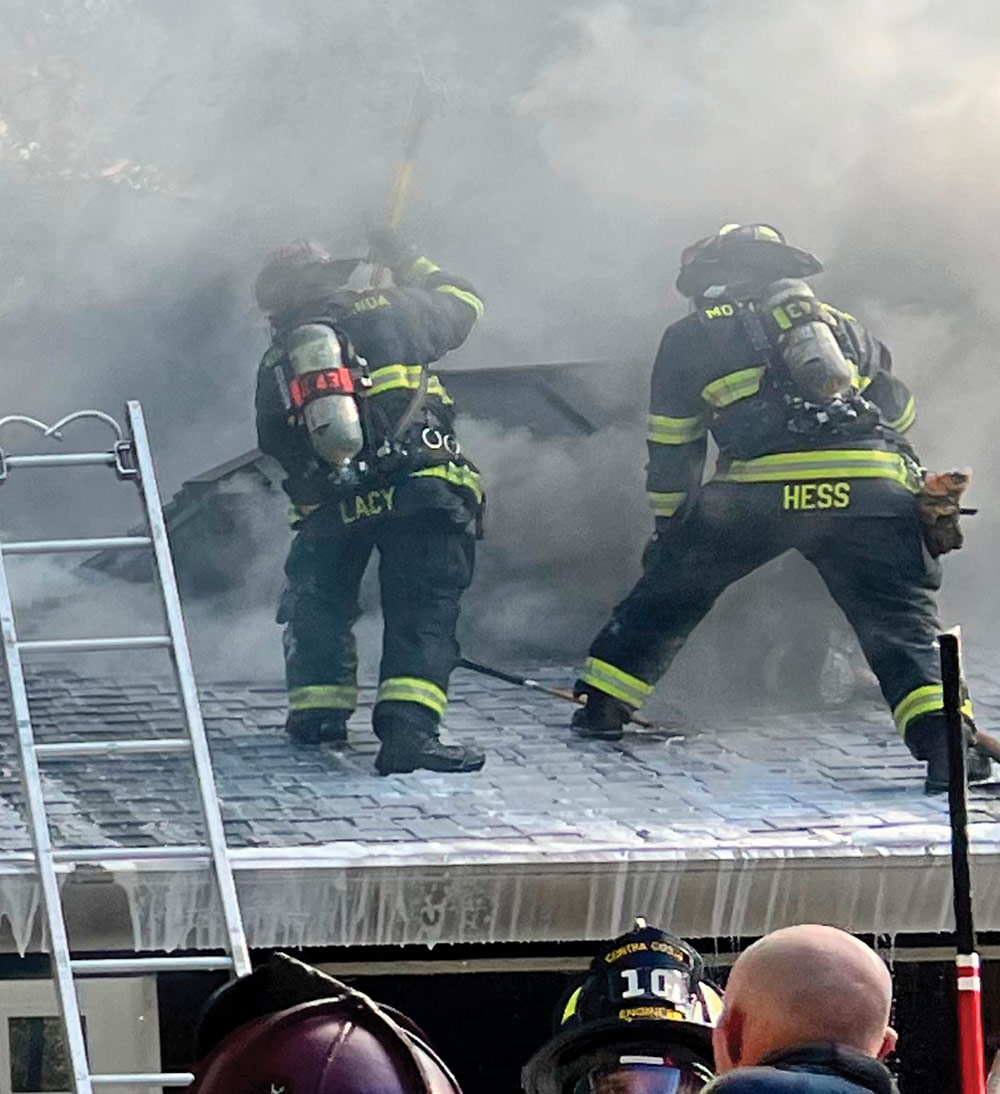
With their maze of corridors, contained spaces, and people storing who knows what in their units, self-storage fires happen. When they do, firefighters will contain them—just not gently. “We’re going to mitigate the problem,” Hess says, “but we’re going to make a mess. We can’t have it rekindle, so we’re going to be hosing down more than just the source of the fire.”
That said, Hess does have some advice on how to make a fire less destructive. “It’s all about prevention and preparation,” he says.
Access is critical.
Being able to get into the facility is critical. “If a firefighting apparatus can’t access the property easily, it makes it that much harder. That’s going to slow the crew down and we’ll likely cause gate damage.”
For new construction, Hess recommends making sure the drive aisles are wide and contacting the local fire department to give them the gate access code. “They can attach the code to your address in dispatch log notes, so if a call to your facility comes in, the firefighters will have the code.”
He also recommends a Knox Box. This is a secure, high-security, fire-department-accessible safe mounted on commercial or residential buildings to hold entry keys or access cards. “Either way, or both ways, it allows firefighters to roll up knowing the gate code or grab an access card. It saves time and prevents forced entry damage during emergencies.”
Construction matters.
Older facilities with wood partitions present greater risk than block construction. “Those walls are much more combustible,” he says. “If you have the opportunity to upgrade the facility, you may want to consider doing that—or you may want to rethink acquiring an older property.”
Keep an eye on tenants.
Hess understands it’s impossible to know what everyone is storing in their units, but there are little things you can do, such as making sure they don’t have access to an electrical source.
Hess explains that you also don’t want to allow people to do certain work out of a unit either. “Just the other day we had someone ask if they could sand, stain, and resell furniture from one of our units, even offered to pay more since they’d be making a mess. The answer has to be no. You’re going to have paints, oils, dust—that’s just asking for problems.”
Build relationships with your local fire department.
“Know where the closest station is and pay them a visit. Shake a couple hands, give them details about your facility … when there’s a relationship, there’s a more vested interest in the property.”