



o matter how tech savvy you may think you are, it’s easy to feel like you’re living in the stone age while speaking with Christopher Taylor, 10 Federal’s chief AI officer and the first person in the industry to hold the title. He’s worked for some of the most cutting-edge companies in the world; now he’s come to self-storage, an industry not typically recognized for its sophistication.
In time, Taylor decided he’d rather be a software consultant and got to work at a small firm in Southern California called Fishbowl Digital. “I was able to work on all sorts of projects there. I built a thermal sniper scope for Sig Sauer, worked on cancer screening devices for Medtronic, and designed software stacks for turbine generators, oil rigs, hospitals, and the Ronald Reagan Library.”
If none of these endeavors ring a bell, you’ll understand the impact Taylor had on all our lives with his next statement. “I was also involved with thermography projects, writing code that powered heat cameras to scan people’s temperatures as they walked into buildings. That was used all over the country during COVID.”
Chief AI Officer at 10 Federal
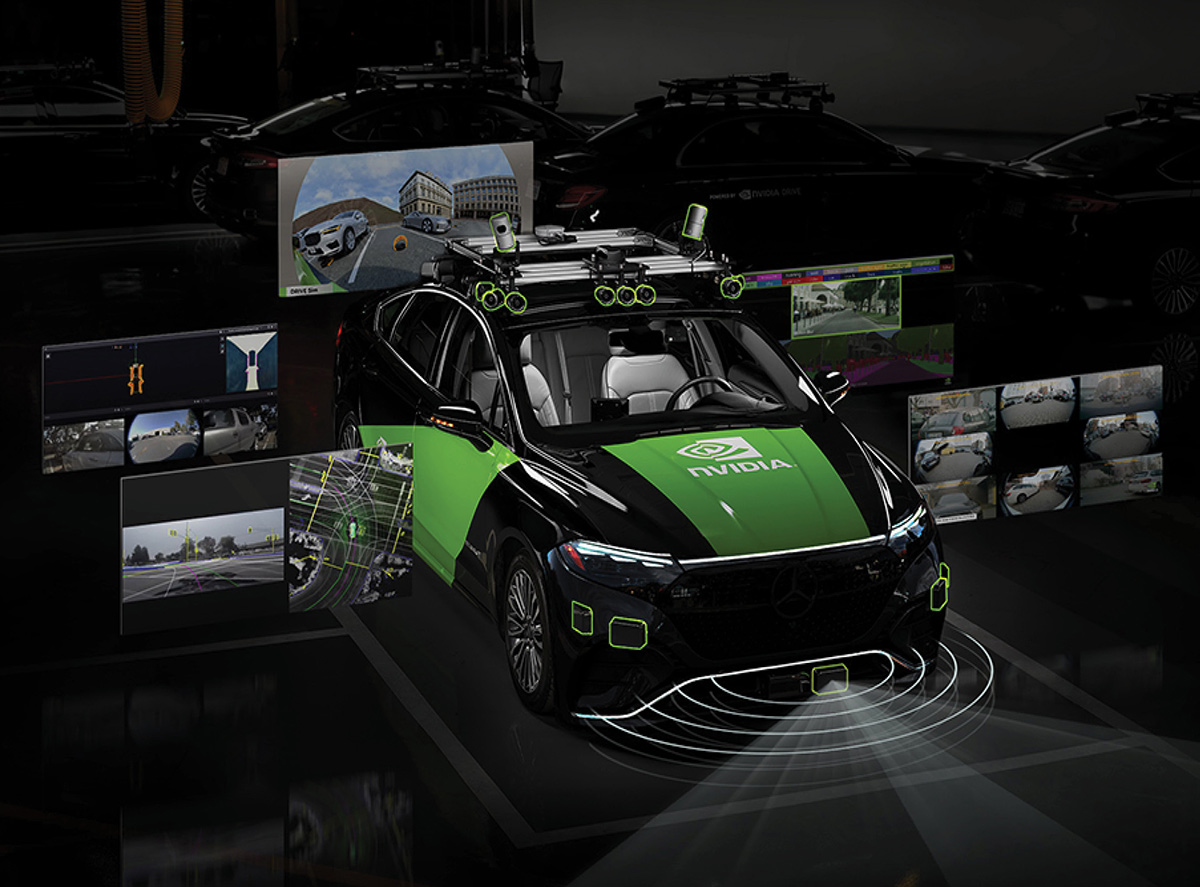
Taylor landed at Nvidia, one of the most influential technology companies in the world, where he joined the autonomous vehicles team, a role that would prove pivotal in shaping him into the engineer he is today. “On my third day, I was handed a project: port a real-time operating system to a new safety chip running inside one of Nvidia’s most advanced processors. Myself and another engineer worked on it for 18 months—three man-years of work. That sounds like a long time, but in automotive that’s fast. However, I thought it could be done quicker.”
Quicker meant AI. That realization hit Taylor when the same project had to be redone on Nvidia’s next-generation automotive chip. “With AI, I completely rebuilt it myself—better, faster, more efficient, and better documented and tested in just three weeks.”
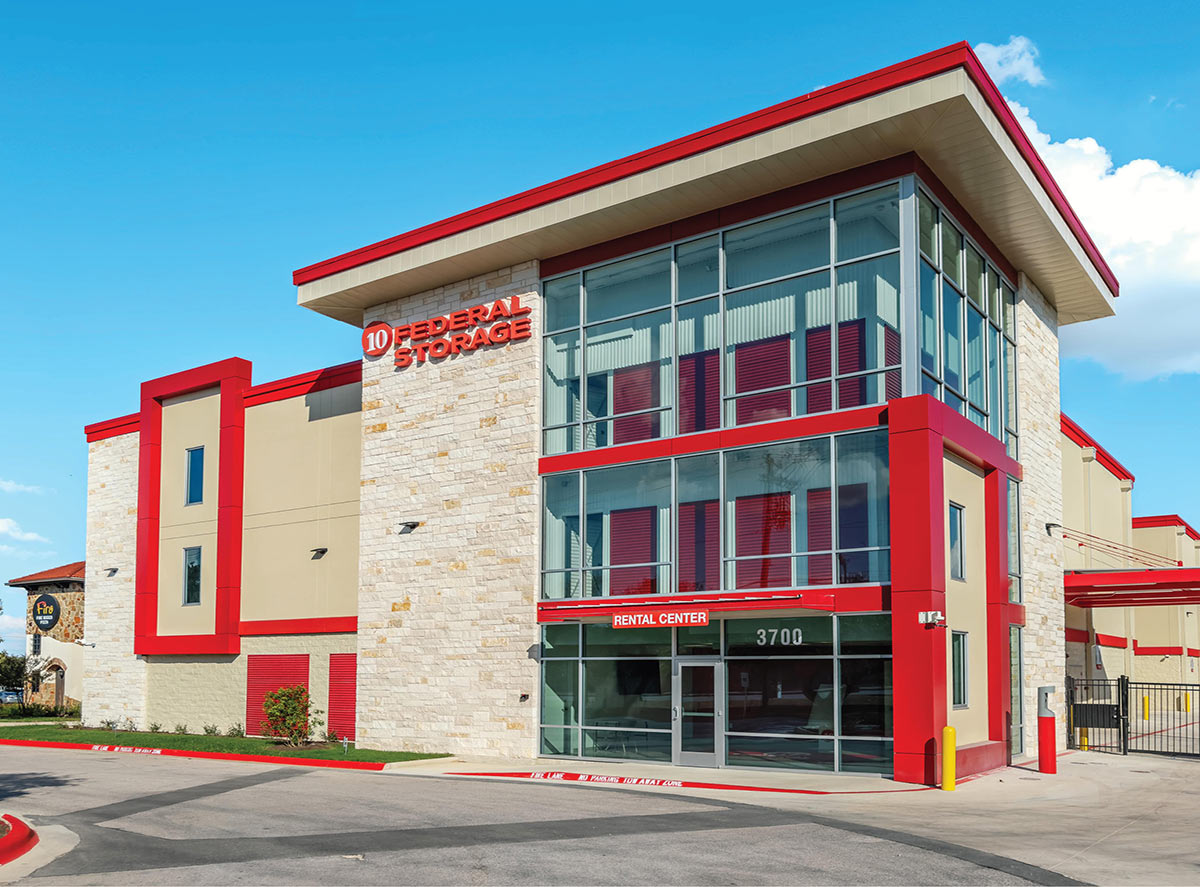
When he told his colleagues he was leaving Nvidia for self-storage, he received a lot of reactions. “Senior engineers asked, ‘Are we talking NAND, SSD, M.2? What kind of storage?’” With a few words, Taylor would have them raise their eyebrows. “No, garage space storage.”
They began to understand when he explained that he saw an opportunity to move into an industry behind in technology and help lead that transformation.
Of course, it’s a big pivot from major tech companies to an industry where AI is still finding its footing. But for Taylor, that’s exactly the point.
“The opportunity here is massive,” says Taylor. “We’re building the foundation of 10 Federal’s future. Using AI, we can simultaneously grow revenue, reduce operating expenses, and ensure that every decision being made has the full picture behind it—operations, finance, infrastructure, everything. AI becomes the connective tissue across the entire company, surfacing insights and ideas that leadership can evaluate and act on. That’s not just efficiency; that’s a competitive advantage that compounds over time.”
Others worry less about hallucinations and more about losing their jobs. “People thought blue-collar jobs would be impacted first, but programmers were among the first affected; we built the systems that can now do our work,” he says. “But we didn’t lose our jobs—we evolved. We became architects instead of just coders.”
AI is not meant to replace anyone, says Taylor, but rather to help them focus on the meaningful parts of their job. “If 75 percent of your work is repetitive, AI can handle that so you can focus on the 25 percent you enjoy. And at a company level, it enables scaling without adding proportional headcount.”
Negative feelings around AI persist, but Taylor says those who are dismissive of the technology should embrace it. “The people who use it best will be the most effective. The only real barrier left is interpersonal communication. That’s still uniquely human, at least for now.”
At some point, spoken language may not even be necessary, and humans may have neural interfaces and communicate differently. “That might not happen in my lifetime, but it’s coming,” says Taylor. “All you have to do is look at the progress made in just the last couple of years. AI can analyze thousands of data points in milliseconds—work that would take entire teams hours. It’s the smartest person in the room on every subject and it’s almost immediate. That kind of capability doesn’t have a ceiling—it can be applied to anything.”
Does that mean humans will eventually be working for AI?
“It depends on your perspective,” says Taylor. “I lean toward the viewpoint of Elon Musk—that AI will create abundance. Labor becomes cheaper, and eventually you could see something like universal basic income because production becomes so efficient.”
It sounds great in theory, but some people really enjoy working; it’s why retirees go back to pick up a few bucks at McDonald’s. “AI doesn’t mean you have to stop working, it’ll just mean you have the option,” says Taylor. “You could keep doing what you enjoy.”
Chief AI Officer at 10 Federal
His passion translates to education. “For the past seven and a half years, I’ve been the head instructional associate at Georgia Institute of Technology for a master’s course in information security. I manage a team of about 28 instructional assistants and oversee cohorts of 800 to 1,000 students.” For Taylor, it’s about staying ahead of the curve and giving others the opportunity to round the corner as well.
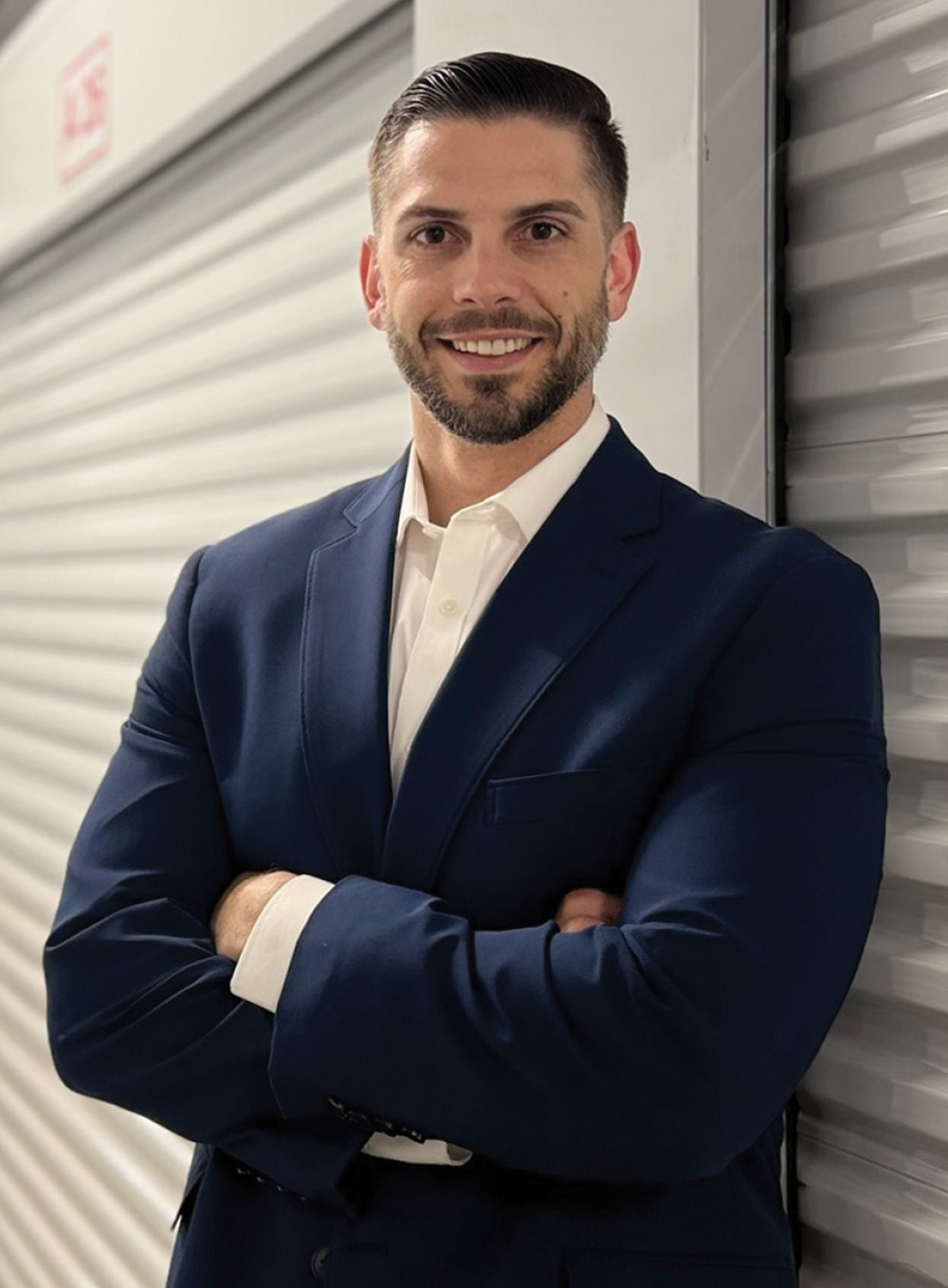
Moving from tech to self-storage was an unexpected transition, but one thing has stood out to Taylor more than anything else: the level of collaboration in self-storage.
“There’s competition, of course, but overall people are open to sharing ideas and working together in this industry,” he says. “That’s very different from the tech industry, which can be much more competitive.”
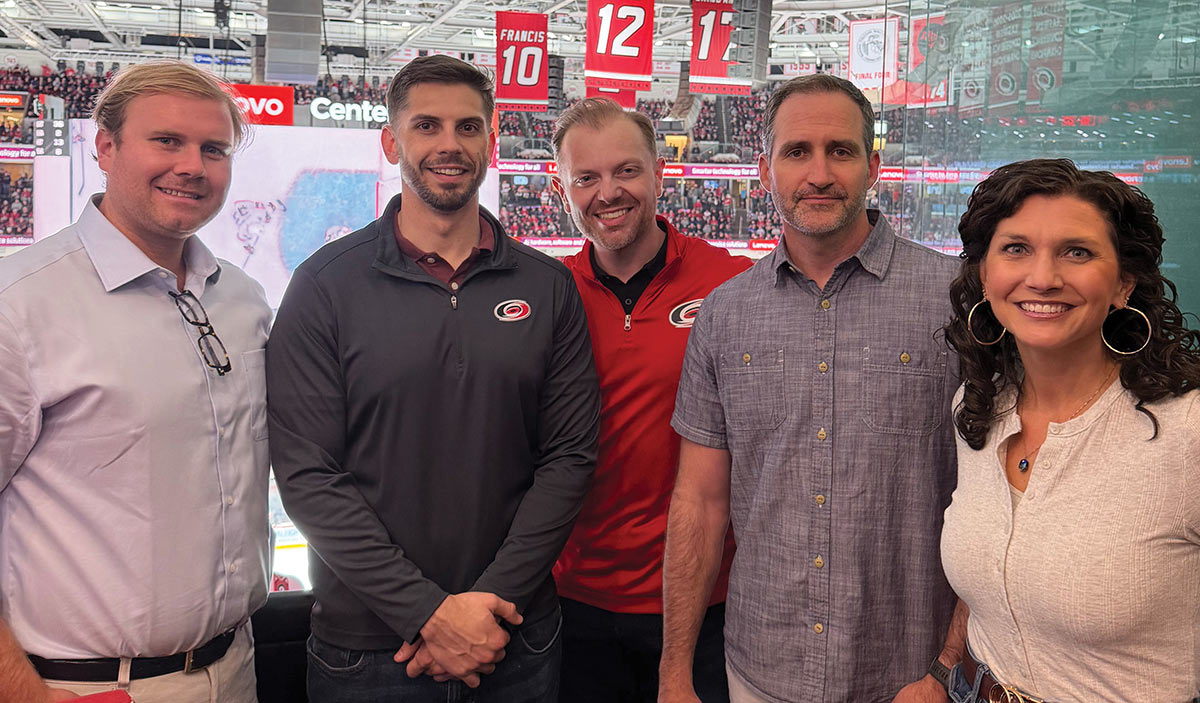
Though he’s only been to a handful of self-storage conferences so far, he says everyone he’s spoken with, from operators to vendors, are willing to have conversations, exchange ideas, and learn from each other. “That’s been refreshing. I’m genuinely curious and always looking to learn—whether it’s about tools, workflows, or strategies—and apply that knowledge to improve 10 Federal and the industry as a whole.”