


Miles
Apart
Most Challenging Islands
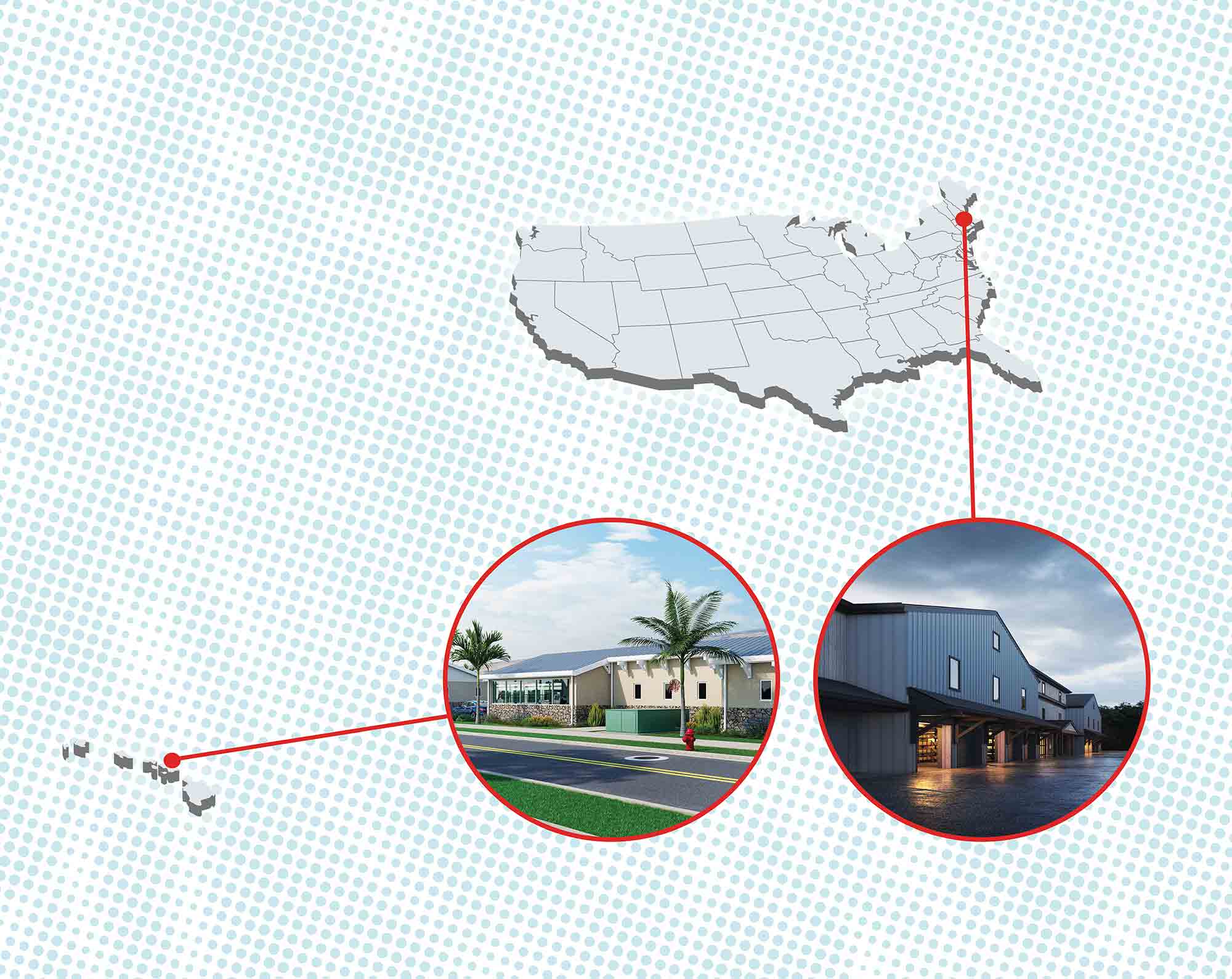
hen DXD Capital broke ground on two self-storage projects in 2024, the optics were striking: one site in Kihei, on the Hawaiian island of Maui, and another on the island of Nantucket in Massachusetts—two islands on opposite sides of the country in the same year and two entirely different logistical universes, thousands of miles apart.
And yet, beneath the surface, these projects had more in common than one might guess. What united them was not just their island setting but the discipline, deep subcontractor relationships, and creative problem-solving that island development demands at every turn.
Nantucket, by contrast, is a small island of nearly 50 square miles sitting 30 miles off the coast of Cape Cod. For most of the year, it’s home to a quiet, year-round population of just 14,500 residents. From May to October, however, that number explodes. The population quadruples, reaching more than 65,000 on peak summer days, as a flood of seasonal residents and visitors transform the isolated island into a bustling, high-density destination.
Both islands are engines of seasonal tourism. Both are geographically isolated. Both require every nail, beam, and roll of insulation to be transported across open water. This logistical constraint is not just a footnote; it is the defining challenge of construction.
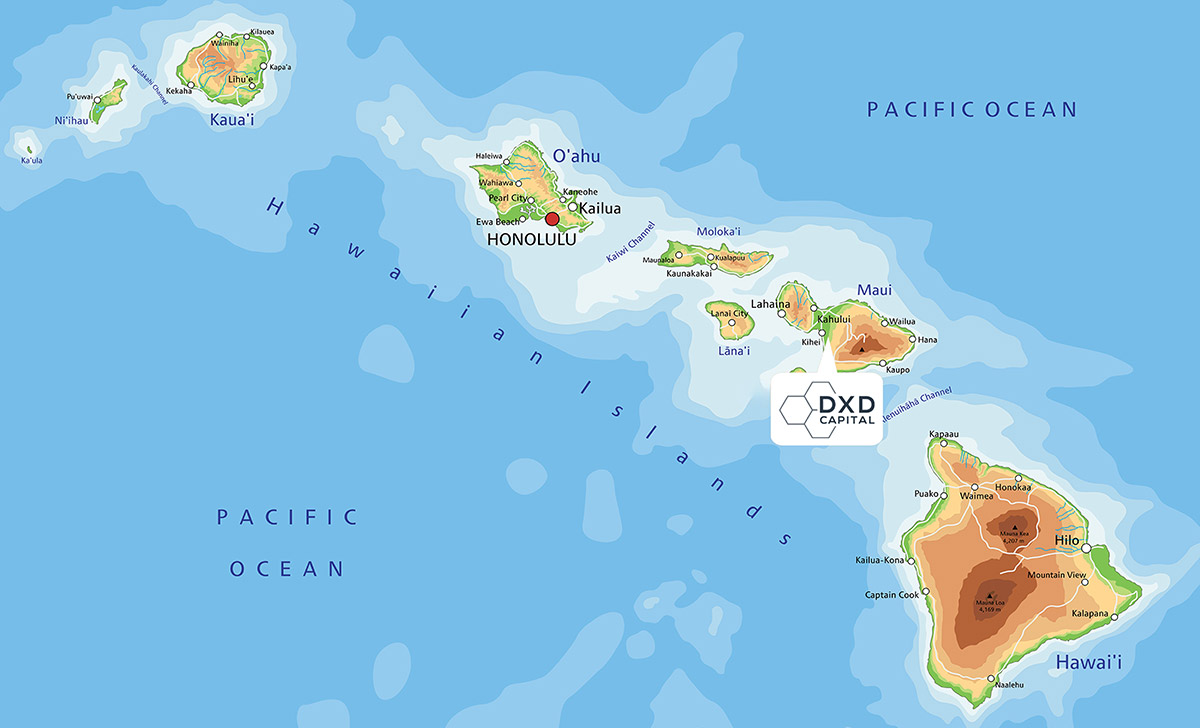
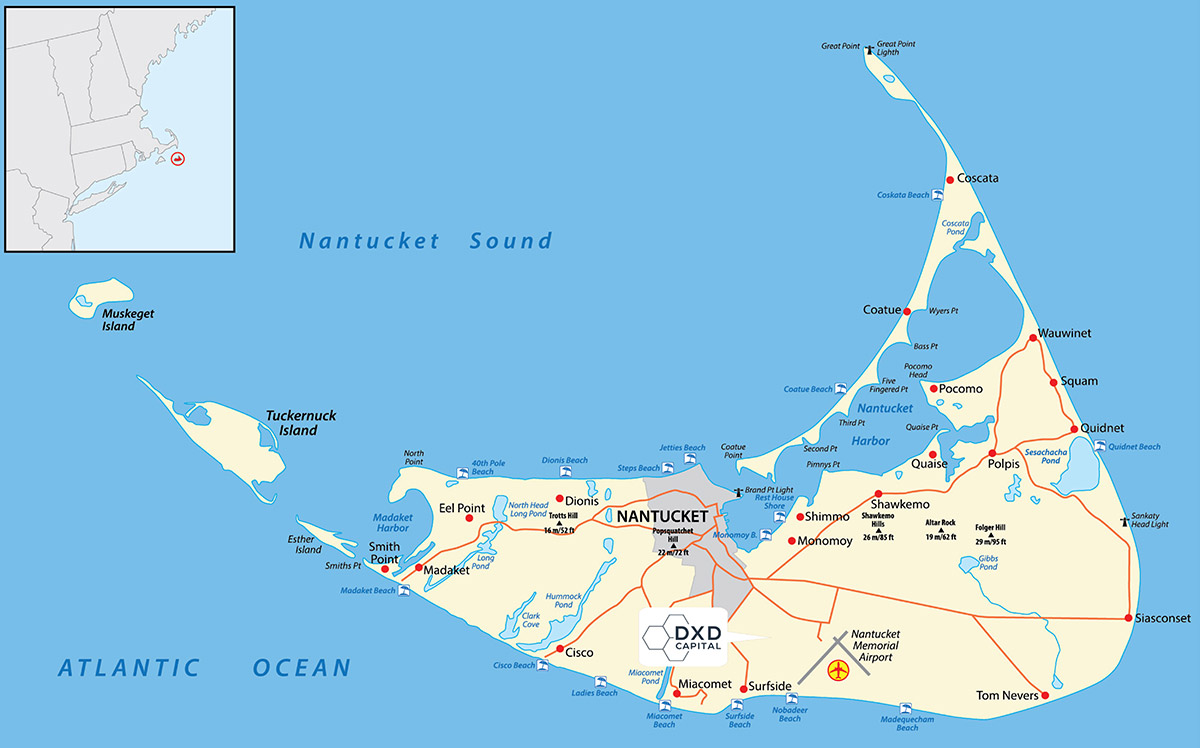
During our initial due diligence, we made it a priority to walk the communities and meet with local contractors. Our primary focus was to understand the rhythms of each island. This meant understanding not only the seasonal ebb and flow of the population but also the deep-seated cultural currents that shape daily life and commerce. That time we spent on the ground, before a single dollar was committed, proved to be one of the most valuable investments we made. The relationships we developed with locally embedded contractors, vendors, and neighbors became foundational to the success of both projects.
Island contractors don’t just build. They manage logistics, anticipate delays, navigate local politics, and serve as the institutional knowledge for a market that can be opaque to outsiders. Finding those partners early and investing in those relationships genuinely set the tone for everything that followed.
Nantucket was the mirror opposite. Due to the astronomical cost of living, where new home builds start at $1,500 per square foot, most of the island’s workforce commutes daily by ferry from Cape Cod. The workday begins with 500 workers boarding a 6:10 a.m. ferry, arriving after 7 a.m., and navigating congested streets to their job sites. With the ferry home departing at 4:35 p.m., the effective workday is 75 percent to 80 percent of a mainland equivalent.
The weather is also a constant factor. Nicknamed the “Grey Lady” for its frequent fog, Nantucket required us to budget over 40 weather days to account for rain, wind, and the rough seas that cancel ferries for days at a time. The system is so challenging that one major off-island contractor found it more efficient and cost-effective to buy two turboprop airplanes and employ full-time pilots to fly his crews in and out each day rather than rely on the ferry service.
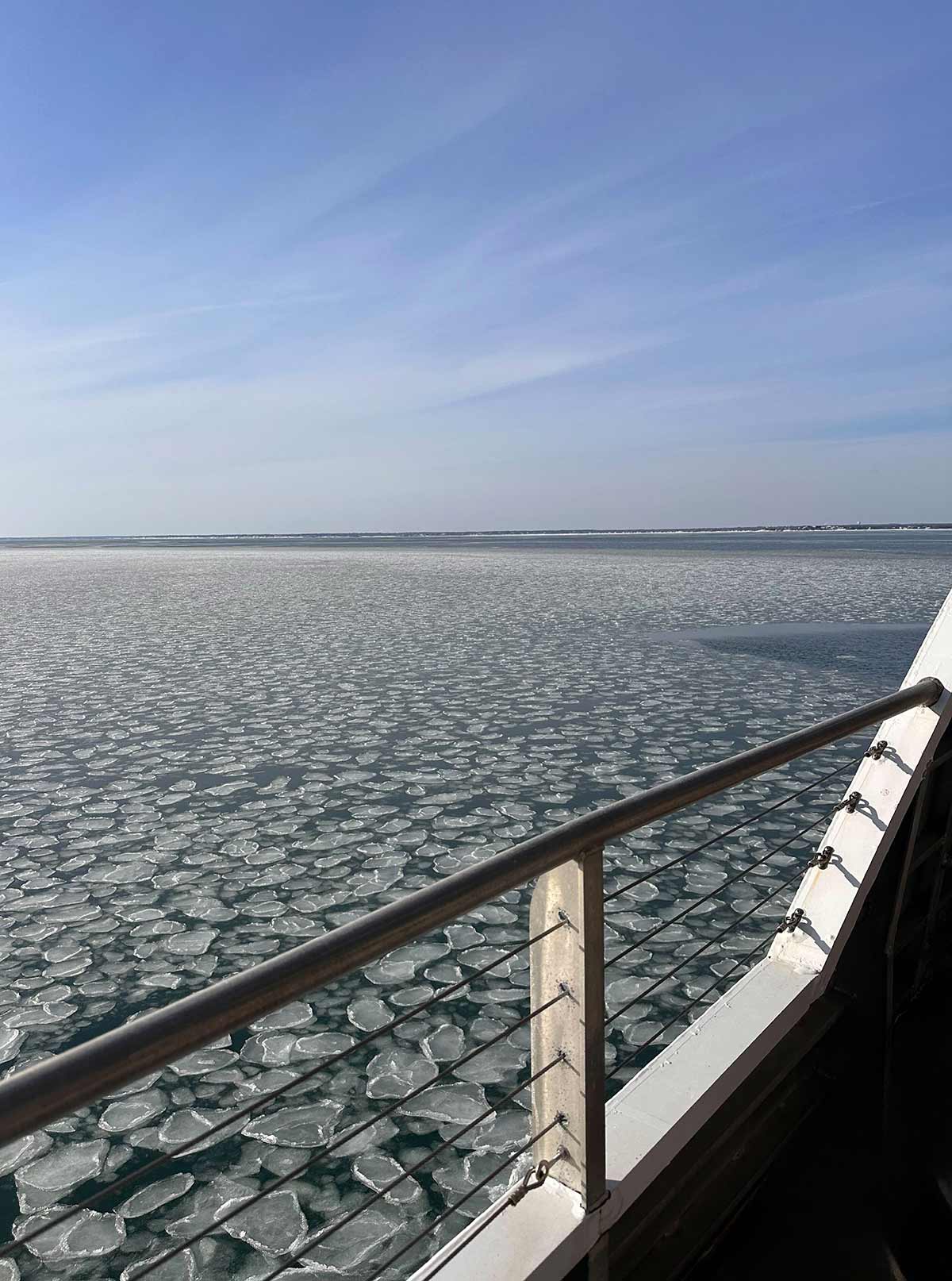
If Kihei was a long-distance challenge, Nantucket was an intricate puzzle of history, regulation, and culture. Nantucket’s regulations forbid cargo ships, making the island’s sole lifeline the Steamship Authority’s fleet of 200-foot-long ferries, which make the two-hour journey carrying a mix of passengers, cars, and a limited number of tractor-trailers. This constraint transforms logistics into a high-stakes reservation game when ferry reservations open in late January each year. Every truckload of steel and every pallet of materials had to compete for a slot alongside tourists and residents. It’s a world away from the ports of Hawaii, where a single cargo ship can deliver 10,000 containers or more in a single trip. For Nantucket, our entire project had to arrive one truckload at a time.
For a personal trip this summer, I logged on at the moment that the year’s ferry reservations opened to the public on January 27th at 8 a.m. sharp and was placed 18,000th in the virtual queue. For a family, that’s an inconvenience. For a construction project, it’s a crisis.
In 2022, UPS famously failed to secure its priority ferry reservations for the summer, nearly crippling the island’s merchants. The message was clear: The ferry is not a convenience; it is the only supply chain.
All our construction freight was routed to their staging facility in Wareham, Mass. When we needed a trailer, we gave them 24- to 48-hours’ notice, and the material arrived at our job site reliably and efficiently. This arrangement wasn’t just a convenience; it was a vital function that made the project’s economics work.
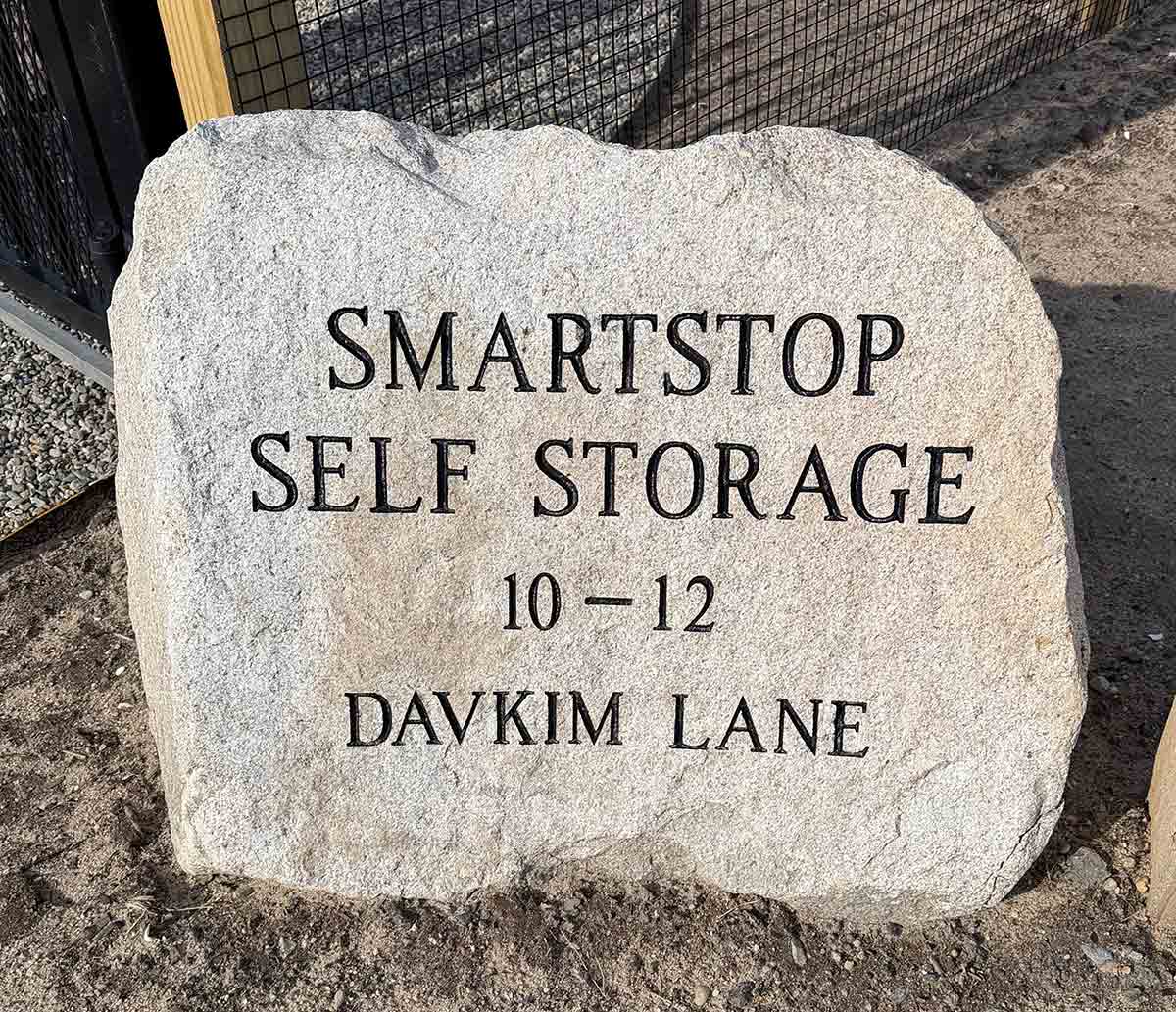
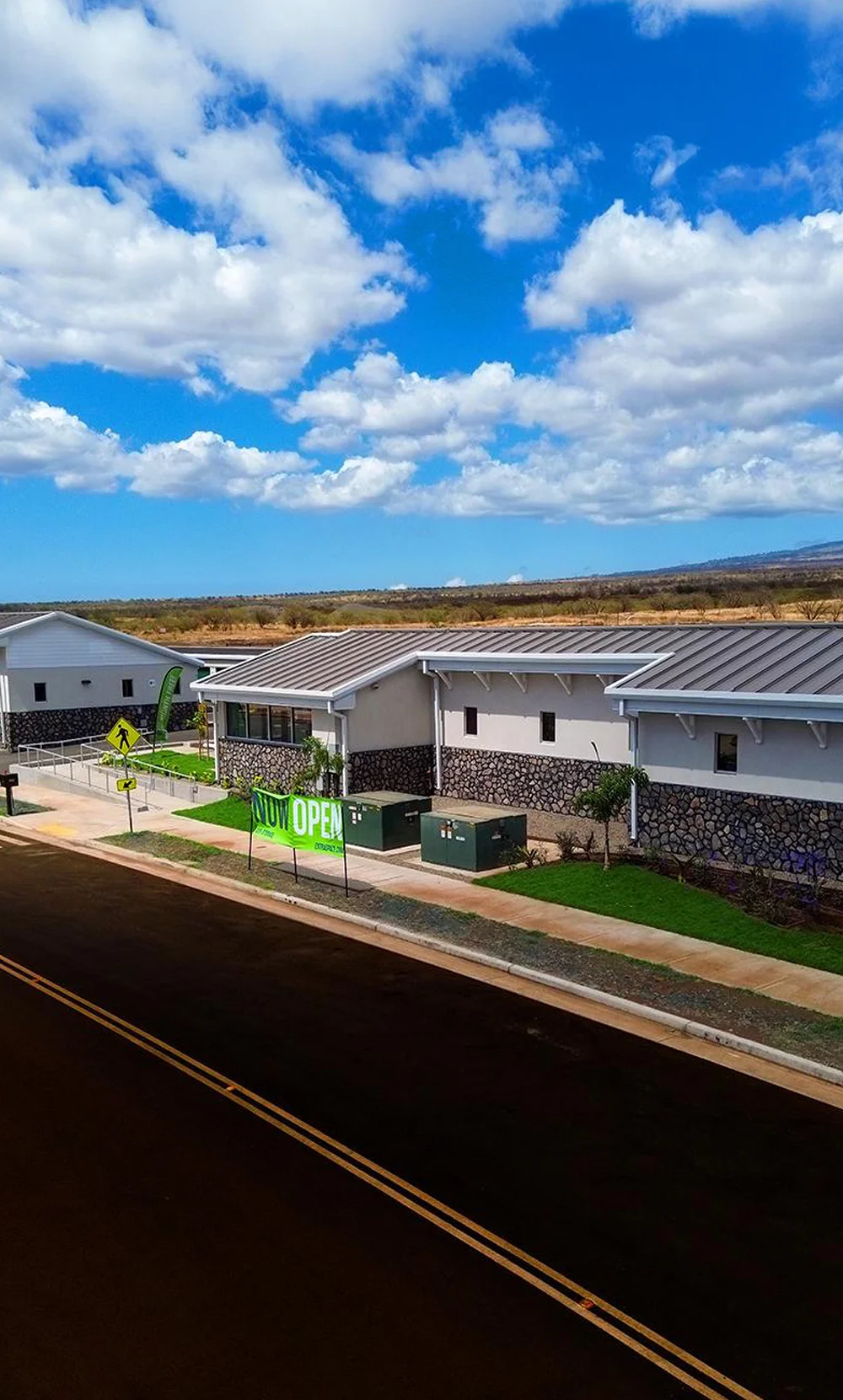
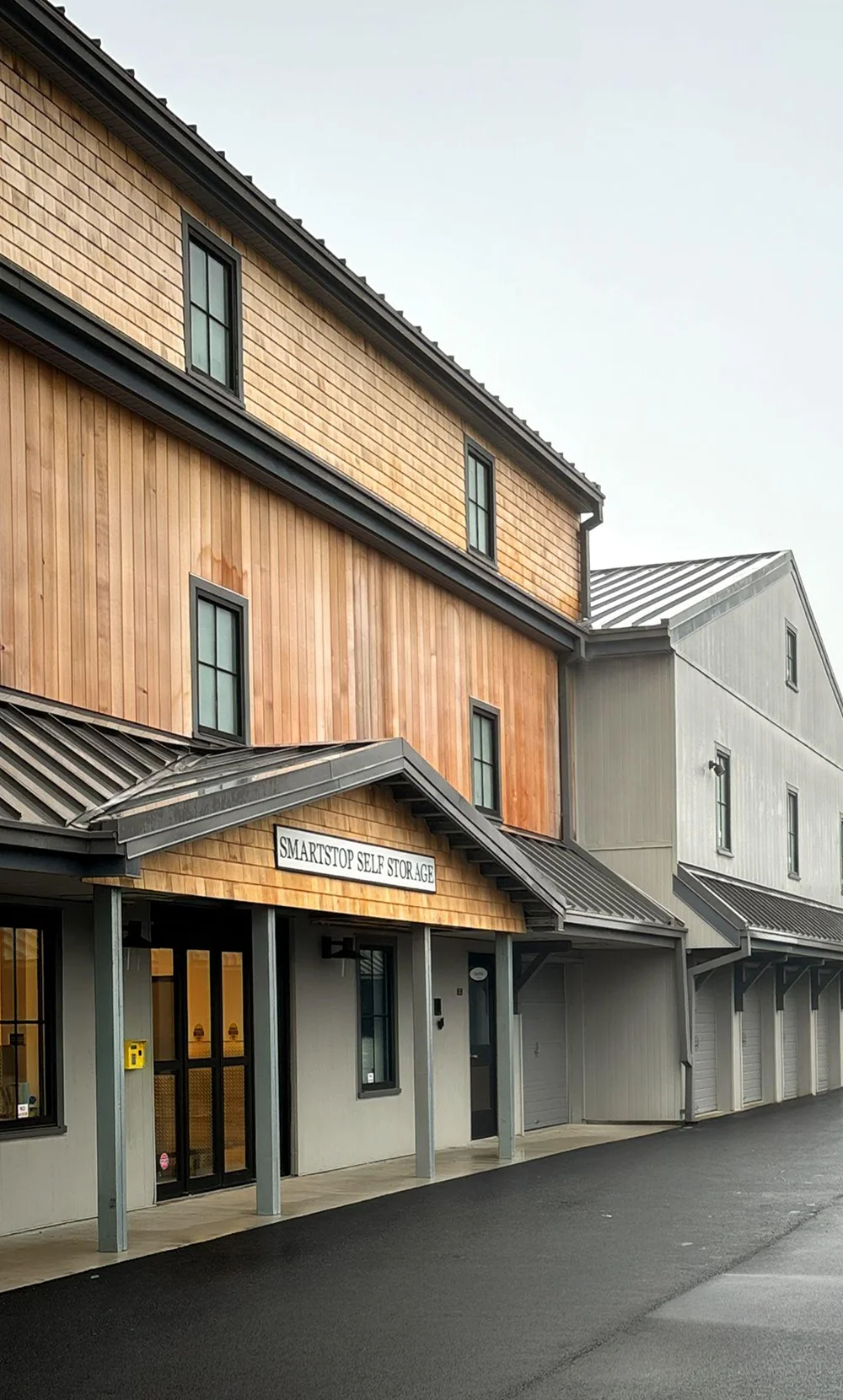
The result is a self-storage facility unlike any other in the country. The building features white cedar shingles, grooved red cedar siding, standing seam metal roofs, and multiple cupolas. It’s a piece of architecture that happens to store things, including a two-story deep basement. This contrasts sharply with the Kihei project, which is pragmatic and grounded, a well-executed, locally appropriate building that does its job without pretense.
- Both required us to understand markets that do not behave like the mainland.
- Both required us to build relationships before we built anything else.
- Both rewarded patience, local knowledge, and humility about what we did not know.
- Both reminded us that the most valuable assets a developer can bring to a difficult market are not capital or construction expertise; they are trust and relationships with the people who already belong to that place.
At DXD Capital, we expect our projects to reflect the markets in which they are built. That philosophy is more than aesthetic. It is operational. It is the reason we walked Nantucket’s cobblestones and Kihei’s shoreline before we ever opened a spreadsheet. The islands told us what they needed. We listened.