


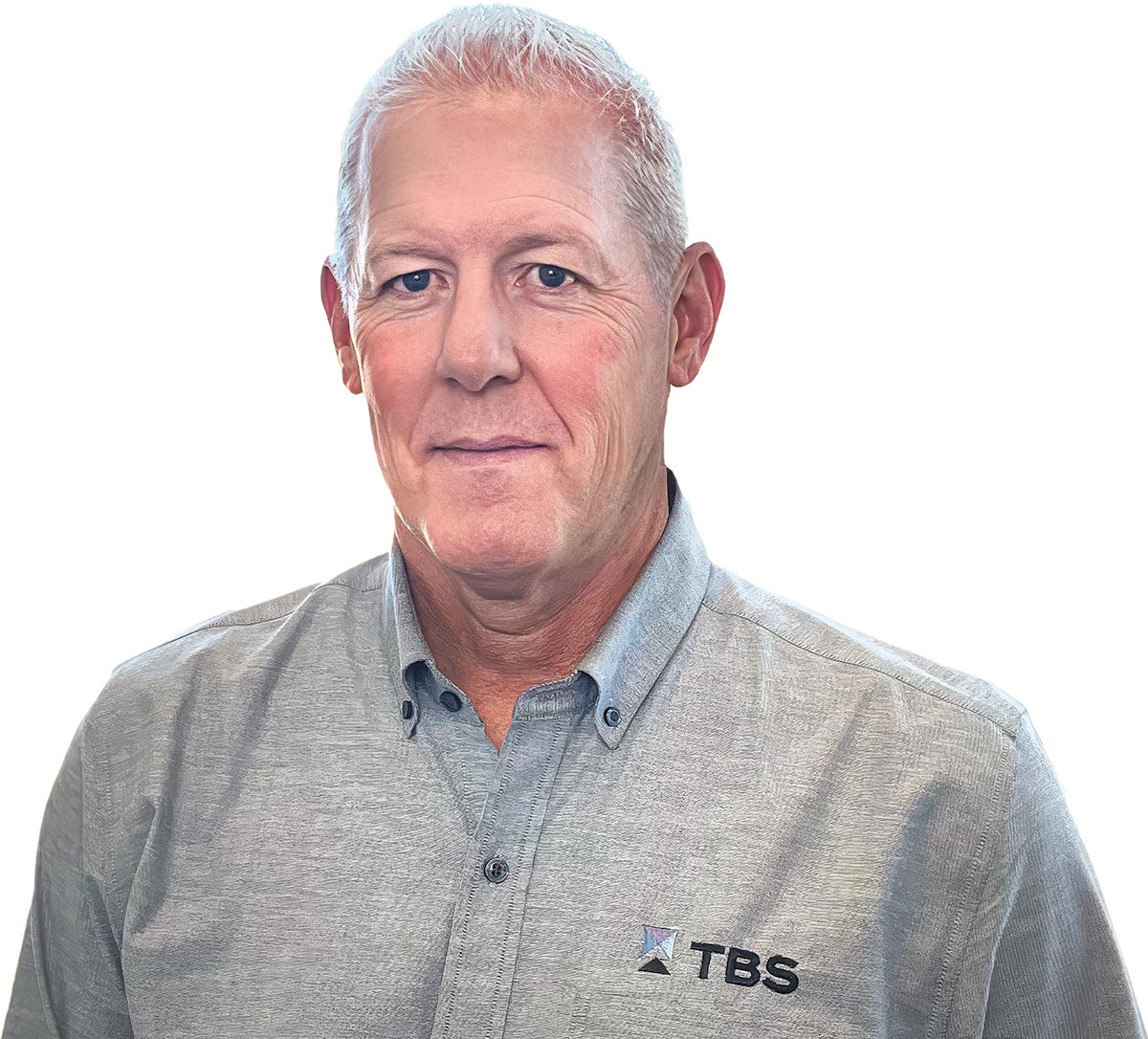
rad Relford’s career didn’t start in self-storage. It began in what could be described as underground storage. For 18 years, he worked for a casket company.
“Not gaskets,” he’s quick to point out. “Caskets.”
Offering that clarification eventually became second nature to Relford. “These days, I have to laugh when someone calls self-storage a niche industry. I can always one-up them with my background.”
At Batesville, Relford changed roles several times, moving between sales, marketing, and logistics. One of those roles took him to Louisiana, where he spent six years. He fell in love with New Orleans, but it wasn’t for the wild nights. “Of course it’s a party city, but by that time I was married, had a young daughter, and was focused on work and earning my MBA.”
Relford earned his master’s degree from the University of New Orleans while enjoying a side of the city that many don’t think about. “There’s the well-known adult side of New Orleans, but there’s also a family side, particularly during Mardi Gras. The city offers different options depending on where you are in life. Mostly, we just enjoyed the food, the people, and the culture.”
The fact that the company is 100 percent employee owned means a lot to Relford. “There’s a higher level of ownership and accountability,” says Relford. “Everyone understands that how we perform directly impacts the value of the company and, ultimately, their retirement wealth. Customers also get more attentive service because everyone is vested in their success.”
Since those early days, Trachte has grown into a diversified organization with close to 400 employees, four locations, and a portfolio of brands serving the self-storage industry and beyond. This includes Trac-Rite, MakoRabco, and Fire Facilities. The latter is a division that’s lesser known to the self-storage community. “We design and manufacture live-fire training towers for firefighters and build spaces for law enforcement to practice tactical training scenarios.”
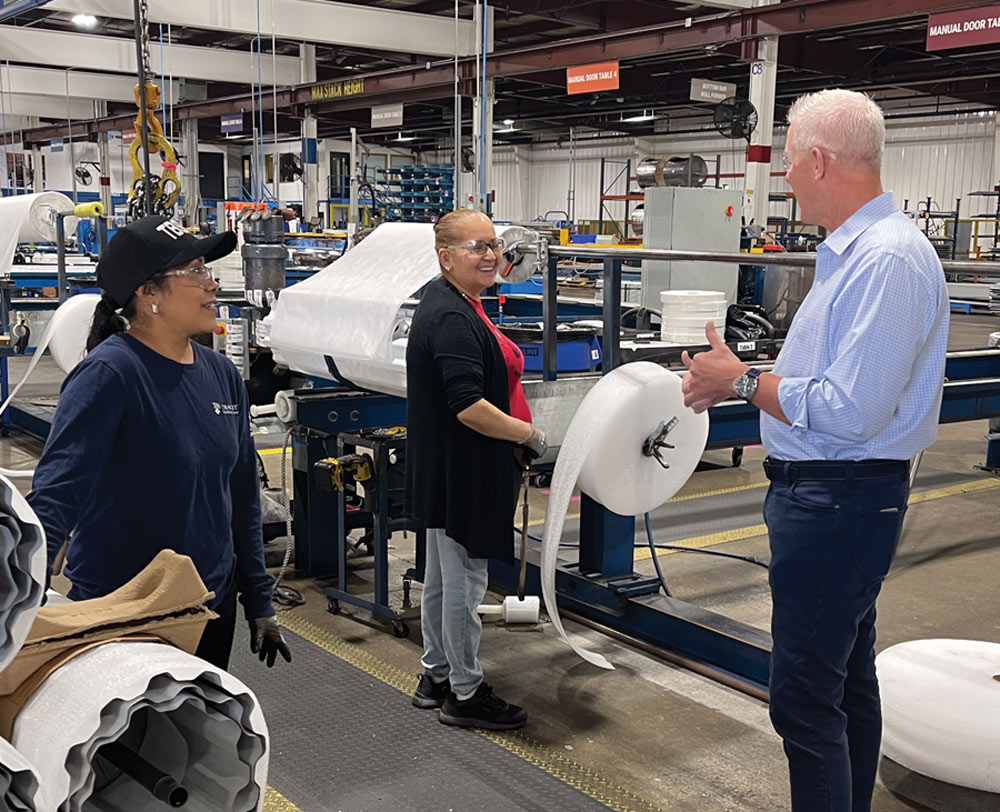

For Relford, the rebrand wasn’t about creating something new so much as clarifying what the company had already become, with each brand maintaining the ability to play to its strengths. Trachte focuses on designing and manufacturing complete building packages, Trac-Rite specializes in doors and hallway systems, MakoRabco brings high-end design and construction expertise, and Fire Facilities assists in the training of first responders.
“When we acquired MakoRabco last year, we never intended to force the brands together,” says Relford. “Each has its own value proposition and customer base. There’s real value in maintaining those distinctions.”
Touching on market dynamics, Relford says, “One thing that’s important to remember is that self-storage remains a very local business. A facility serves customers within a relatively small radius, so new markets will continue to develop, and some existing markets will recover much faster than others.”
And despite the slowdown, TBS is doing well. “As an organization, we’ve got a lot of positive things happening. In the future, there could be opportunities to add additional businesses under the TBS umbrella, but as it stands right now, our primary focus is optimizing our existing businesses.”
He explains that the building package, including doors and hallway systems, represents a significant portion of any self-storage project. “TBS brings together three trusted brands with a comprehensive product and service portfolio, backed by decades of experience. That combination gives owners, developers, and general contractors a partner that can help them build stronger, more efficiently, and with greater confidence.”

“I wouldn’t say it’s changing so much as evolving,” says Relford. “There are just newer categories.” He zeroes in on flex space. “That can be an extremely broad application. You have facilities that may simply be used for luxury vehicles or sports car collections—I like to call them a Garage Mahal. And then you have more operationally oriented facilities serving small businesses, contractors, and other commercial users.”
The operating model changes dramatically with flex space. “Traditional self-storage has always been a great business model because it’s relatively efficient to operate,” he says. “Flex space moves much closer toward the complexity of something like commercial warehousing. If you’re serving business owners and helping support their operations, there are more moving parts.”
Although flex space development is still just a small percentage of the company’s business, interest is growing. “We’re hearing from a lot of customers who are looking to diversify beyond traditional self-storage while still staying within a familiar type of real estate.”
Outside of developing flex space properties, TBS is expanding into pre-engineered metal buildings as well. “There are certain engineering limitations with light-gauge steel,” says Relford. “When projects become greater or require wider spans, pre-engineered metal buildings become a very attractive solution.”
Culturally, it’s just a very different environment from those he’s worked in before and he relishes that. “Being 100 percent employee owned allows everyone to focus on the business and the customers without a lot of red tape. We can also play the long game without placing too much focus on quarterly earnings expectations. Instead, we’re asking ‘What’s the right thing to do for the business?’ That’s something I really value.”
Looking ahead, Relford expects the company to continue evolving alongside the self-storage industry itself. “Whatever comes next, we will be part of it.”
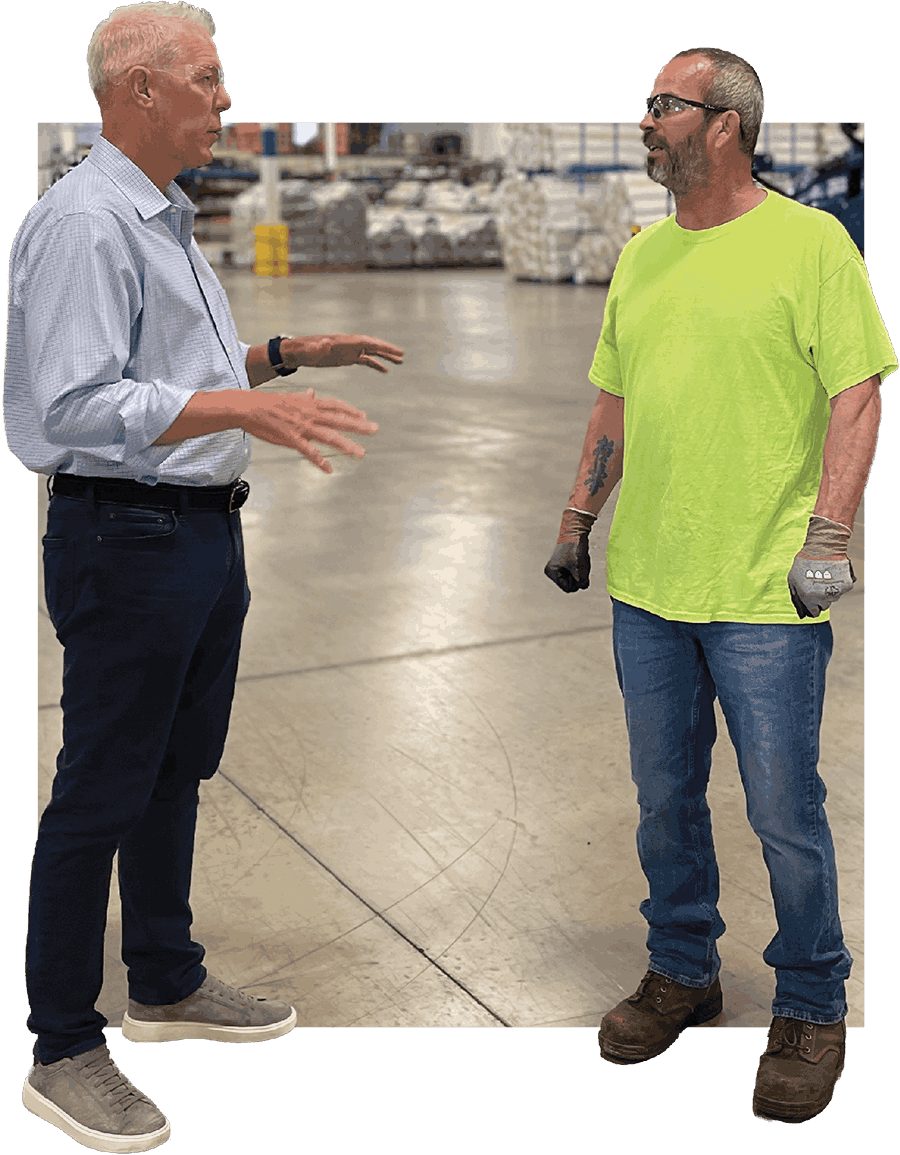
Brad Relford has no intention of retiring anytime soon, but when he does, he expects it will be from TBS. “I want this to be my last and my best stop professionally. I’ve still got time to make certain that’s the case.”
When he ultimately does step away, travel will become a priority; in fact, it already is. “For years our family has prioritized experiences,” he says. “Instead of exchanging gifts during the holidays, we’ll take a trip together. Travel is important because it opens your eyes and exposes you to different cultures. That’s something that’s always been important to me and my wife. And it’s something we’ve passed on to our daughter.”
Travel isn’t the only thing in his plans, however. “When I finally hang it up, I’m going to spend a lot more time with my golf clubs.”