


f you’re new to the self-storage industry, now is both an exciting and challenging time to get started. The U.S. self-storage market was valued at approximately $44 billion in 2024 and is projected to reach $50 billion by 2029, growing at a Compound Annual Growth Rate (CAGR) of 2.44 percent per Mordor Intelligence. This steady growth underscores the resilience and continued demand in the self-storage sector, making it an attractive investment opportunity.
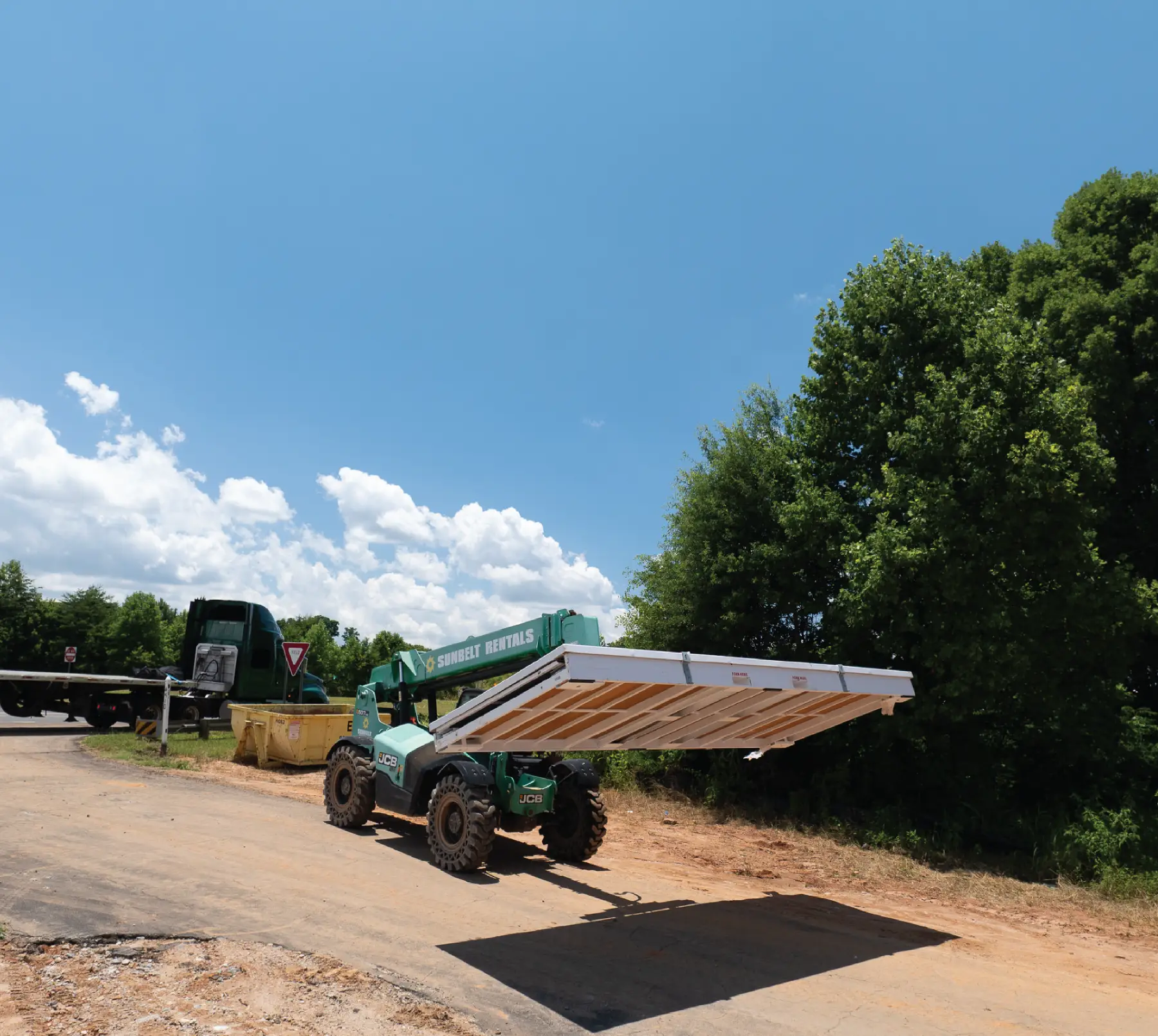
But the truth is, getting started today isn’t easy. Land prices are up, materials are expensive, and traditional construction can drag on for months (or longer). That’s where relocatable self-storage units come in. Relocatable self-storage units are flexible, steel-built storage units designed to be transported and installed quickly without permanent foundations. They offer the look and durability of traditional buildings but with far greater adaptability. Relocatable units are a practical, lower-risk way to break into the market. These units deliver fast: installed in 12 to 14 weeks, with minimal site prep and no concrete foundation needed. You can test demand, grow gradually, and keep costs under control, all while staying nimble.
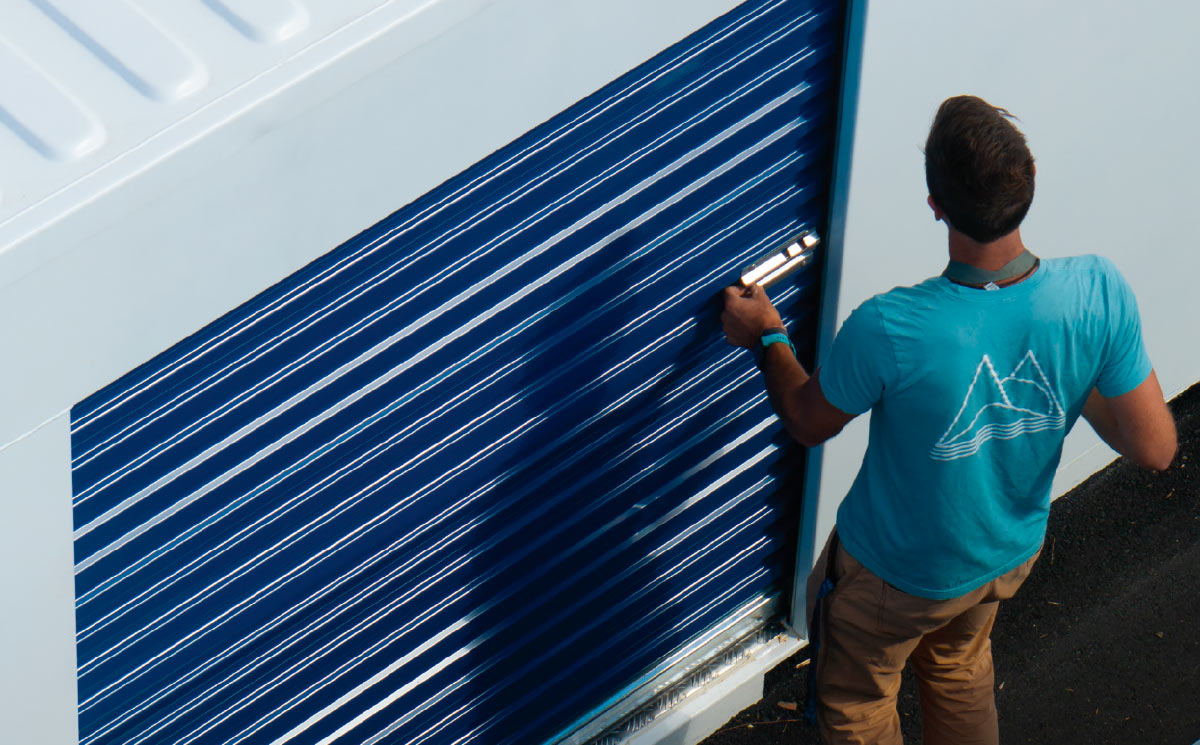
Launching a new facility requires careful planning. Today’s customers have big expectations; they’re looking for clean, secure, weather-resistant units that are easy to access. Features like roll-up doors, customizable sizing, and seamless ground-level entry are no longer optional—they’re essential. With relocatable self-storage units, delivering these features is simple and fast. You get a professional, modern setup that looks and feels permanent, without the upfront risks of traditional construction.
Relocatable self-storage units let you start sooner and smarter. They’re classified as equipment, so you can often skip the long zoning and permitting process. That means fewer delays, less red tape, and lower upfront investment. And because relocatable units are flexible, you can grow as your customer base grows. Start with a few units. Fill them. Then expand when the timing is right. You’re building a facility, but doing it on your own terms. It’s a simple and solid investment.
- Drop-and-go convenience – No foundation or construction crews needed.
- Built to last – Steel construction with weather-resistant finishes.
- Fast delivery and install – Units arrive ready to assemble and lease.
- Customizable layouts – Mix unit sizes to fit your lot.
Here is how it works: Let’s say you find a half-acre lot near a growing neighborhood. Instead of committing to a full-scale, high-cost buildout, you start with 12 relocatable units. They arrive quickly, get installed in a few days, and lease quickly. So, you reinvest the revenue to add more units—no heavy loans, no overbuilding, just steady, manageable growth based on real results.
This kind of phased approach gives you control. You’re not locked into a massive upfront investment or rigid layout. You can test your market, adjust your strategy, and scale at your own pace. It’s a flexible, lower-risk way to turn land into income—and it works.

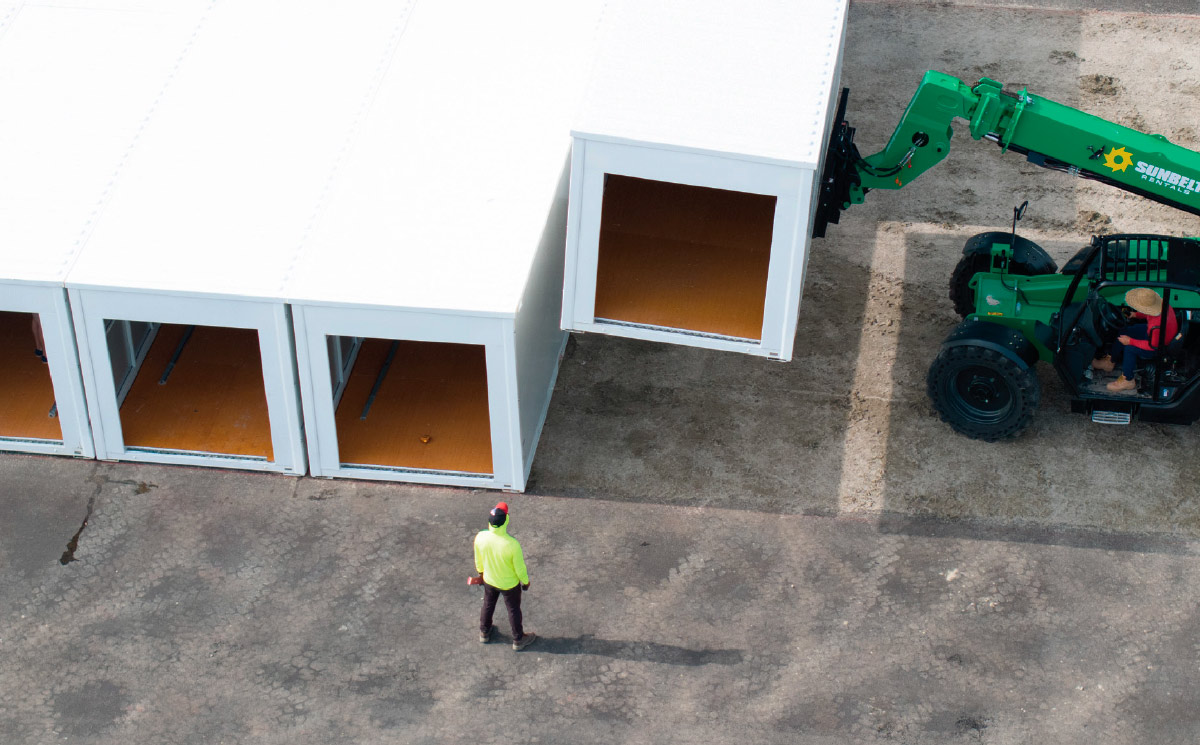
Traditional construction demands large loans and costly site work. Relocatable units cut those expenses by requiring minimal site prep and no concrete slabs, so you start with less capital and less risk.
FASTER TIME TO REVENUE
Relocatable units can be installed and ready to rent in 12 to 14 weeks, which is much faster than building from scratch. That means you start earning sooner, improving your cash flow.
SCALABLE GROWTH
Start with a small number of units and add more as demand grows. This phased approach keeps your investment aligned with real occupancy, reducing financial risk.
FLEXIBILITY
Units can be moved or reconfigured as your needs change, unlike permanent buildings. This agility helps you adapt to shifting markets or site conditions.
SPACE SAVING UNITS
Odd-shaped or unused land becomes valuable space with relocatable units, turning tricky spots into income generators.
FASTER ROI
Relocatable units typically generate rental income quickly, enabling you to recover your initial investment faster than traditional construction, accelerating your path to profitability.
EASIER PERMITTING AND TAX BENEFITS
Often classified as equipment, these units usually face fewer zoning hurdles and may qualify for tax deductions, speeding up setup and lowering costs.
For example, investor Tomas Lenihan launched a hybrid self-storage facility in Pueblo West, Colo., combining 24 large indoor units with 12 relocatable 8-by-20 units on a one-acre boat and RV lot. The result: He saw a full return on his relocatable units in just 2.5 years—a timeline much faster than traditional builds. This faster cash flow helps new investors recoup costs sooner and reinvest with confidence.
With options for sizes, colors, and configurations, you can customize your units to fit your branding and site needs. From order to rental-ready, you’ll be up and running faster than with traditional construction.
Ask yourself:
- Do you have land but want to avoid high construction costs or delays?
- Do you want to test a market before making a major investment?
- Are you looking for faster ROI and lower financial risk?
- Is flexibility important to your business model?
If you answered yes to any of these, relocatable units may be your smartest move. They let you launch quickly, reduce upfront costs, and adapt as your market evolves—all while minimizing risk.
False. They are made of heavy-duty steel, engineered to handle harsh weather, and last for years.
“They’re only for temporary use.”
False. Storage operators use relocatable units long term with excellent results.
“They’re hard to permit.”
False. In many areas, relocatable units are classified as equipment, not buildings. This speeds up permitting and lowers costs.
“They’re not secure.”
False. These units are weather-resistant and lockable, offering security on par with traditional storage.
Relocatable units allow you to adapt to shifting demand, reduce risk, and build at your own pace. By turning available land into revenue without the long timelines or high costs of traditional construction, relocatable self-storage offers a smart, flexible path for new investors. With customizable, durable units and a scalable approach, you can invest confidently and grow as your market evolves.