


elf-storage is the kind of service that will always be in demand. You can tailor it based on what a specific market may need (heated, wine, vehicle, drive-up storage, etc.), but at the end of the day, people always need square footage to store their stuff.
That being said, there are many things that can impact that demand, such as new competitors, seasonal changes, or even a global pandemic. Ancillary services can help you minimize related decreases in revenue; even if things are going well, they can help you maximize profits. But not all of them are created equal, so there are many elements to consider when deciding whether you’re going to embark on this road.
No one exists in a vacuum, so it’s crucial to keep in mind the entire context of your facilities.
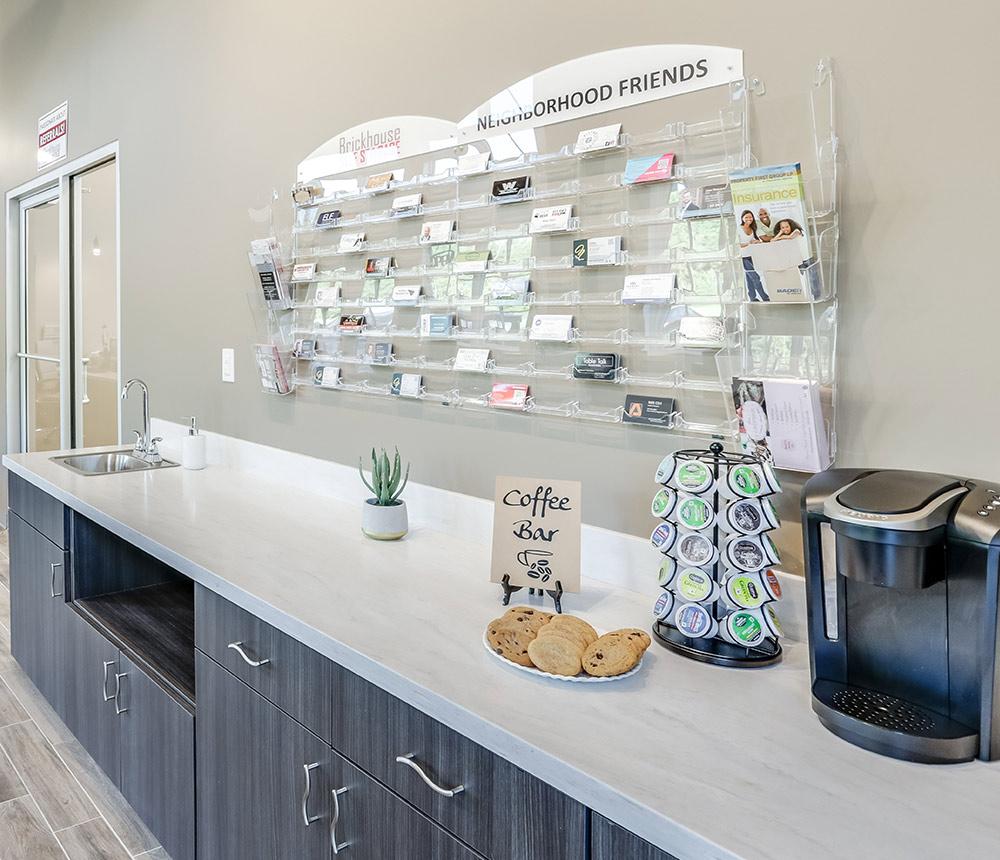
First, how do the services you’re thinking about align with the surrounding area? “In my opinion, every store should be designed for its neighborhood,” says M. Anne Ballard, former president of marketing, training, and developmental services at Universal Storage Group (USG). “Having boxes and supplies, selling insurance, and having a coffee bar should be standard. Those things are good for the community and the store, and they add to the bottom line.
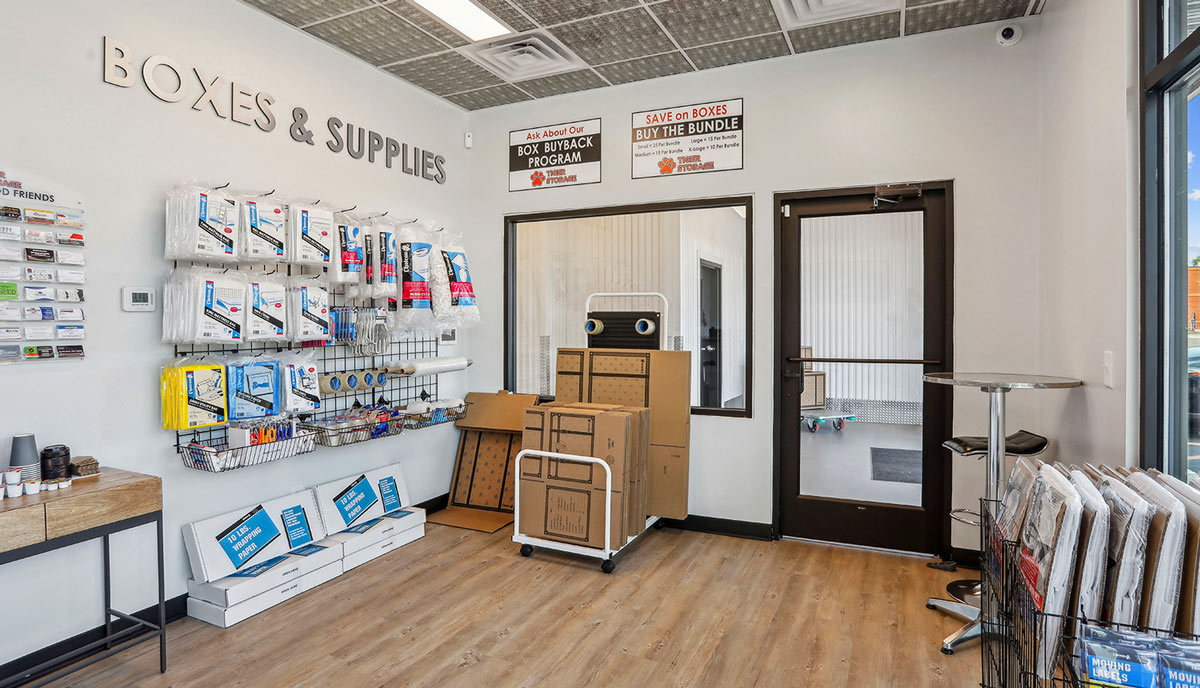
Ballard explains that in addition to the basics, vendors should think about what else would serve their market well. “If you’re in an urban or suburban location, having a showroom with good boxes and packing supplies is critical. And for heaven’s sake, if you’re going to merchandise those things, you can’t just put one dusty old box and say you sell boxes. People are smarter than that. Make sure it’s organized nicely, clean, and well-stocked, and that prices are clearly displayed. Don’t make people have to look for them. Make it easy.”
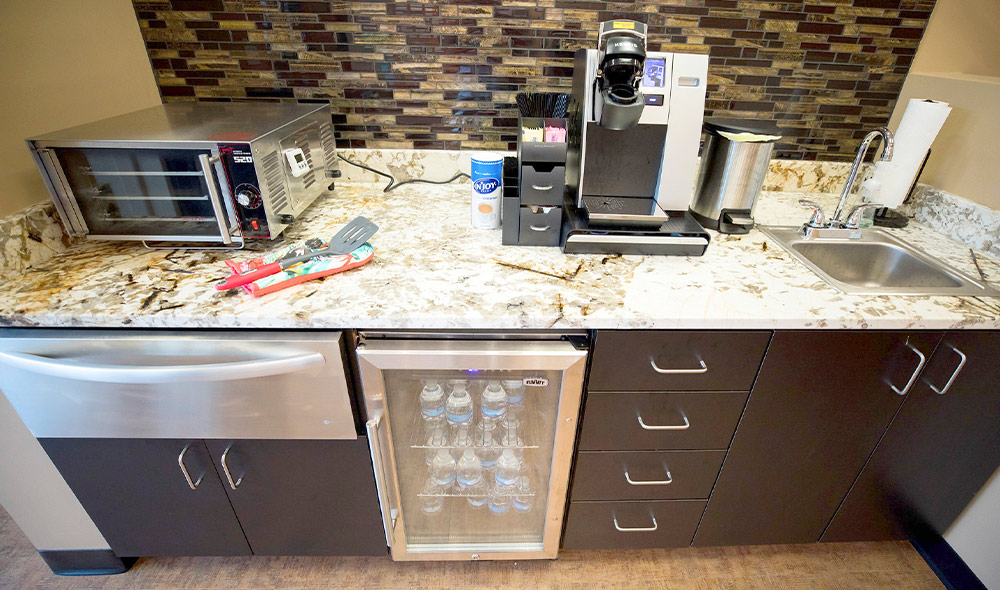
Coffee bar with water bottle cooler and toaster oven for baking cookies
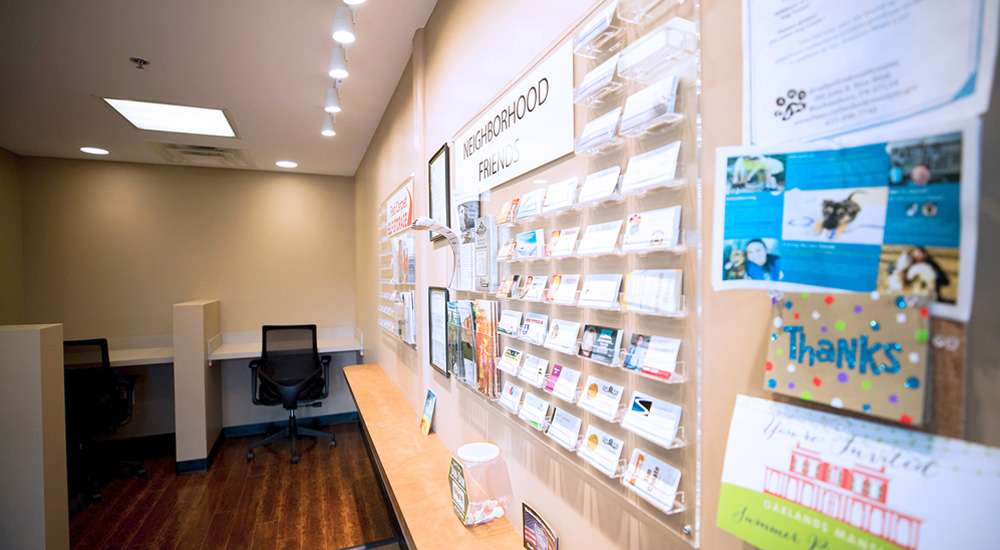
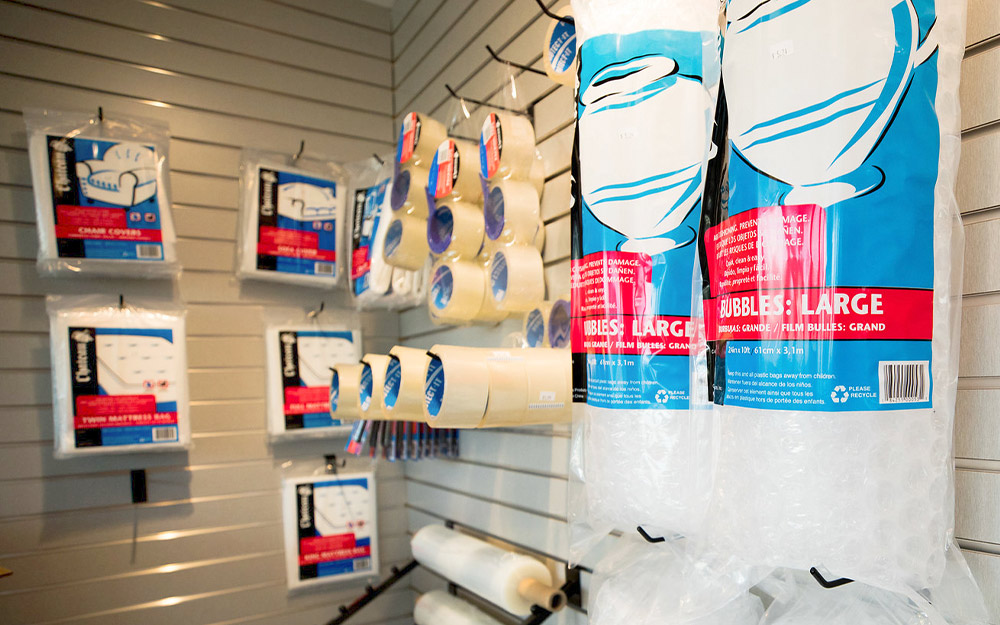
Retail area for selling bubble wrap, furniture and mattress covers, tape, and other supplies
Diane Gibson, president of Cox’s Armored Mini Storage Management, Inc., agrees. “One of the main benefits of ancillary services is to be a one-stop shop,” she says. “You want people to come in and be able to get their boxes, packing materials, instead of having to go elsewhere for anything else.”
Gibson’s learned this firsthand. “We once looked at selling donuts, but we had to get 25 dozen a day from the vendor; and you don’t know how many people are going to come in. You have to ask yourself: Is it going to enhance your business or be more of a pain?”
She also cautions to ensure the services are bespoke. “Some of our facilities are in industrial parks,” Gibson says. “We do things differently there than in facilities surrounded by homes because the demographics are different. You need to know your community and what their specific needs are.”
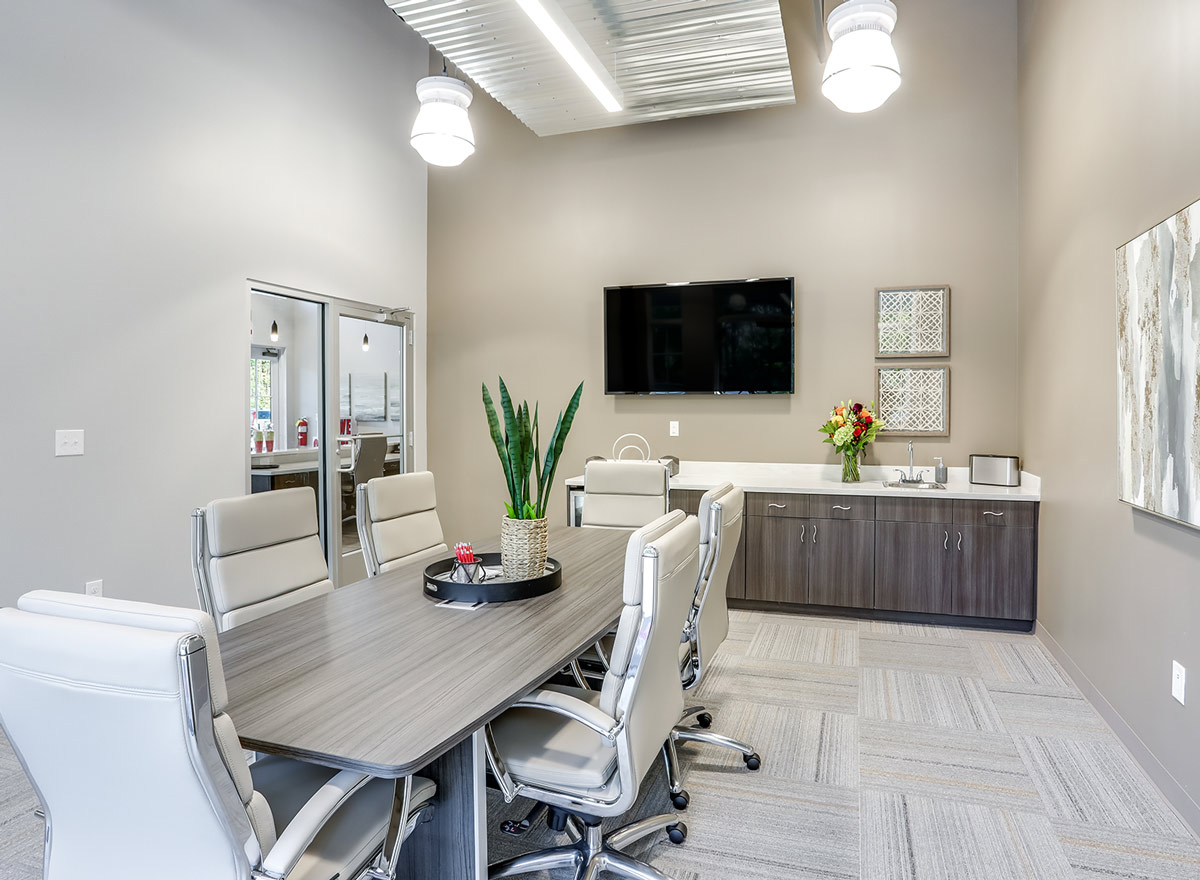
Conference room for tenant use
“When someone walks in the front door and says they need to buy a box, don’t ask them what size they need,” says Ballard. “They don’t know. Ask them what they’ll be packing. A two-bedroom apartment? They’ll need two bundles of medium boxes, six rolls of tape, and a marker to label them. Packing china? Ornaments? You need packing paper. Don’t use newspapers, because your hands will stain black with all that ink. And never let a woman buy extra large boxes without telling them they should only be for Tupperware and bedding. Otherwise, it’ll be hell to move them.”
It seems like a simple enough thing to do, yet it makes a world of a difference to tenants. The more well-rounded the advice, the easier you can make things for them. Ballard also likes to ask her customers for as many details as possible. “I’ll ask what’s the move date, that way I can help them determine how much to pack and bring to their storage unit each day, so that when the movers arrive, everything’s already packed and labeled, so that they can have peace of mind.” She really emphasized the importance of labeling. It’ll save your customers a lot of headaches.
Johnson shares that one of the services at one of USG’s sites is renting out a conference room. “They’ll even order lunches and offer concierge services for events,” she says. “It depends on the site. If you’re a tenant, some of them offer use of the conference room for free, while charging a rental fee for people who aren’t tenants.”

Something else that has become standard in many facilities is providing Amazon lockers. “This isn’t a money maker, but it brings people in,” Johnson adds. “There are services that don’t make you money, but they drive traffic, which can turn into services that do make you money.” Other services Ballard has seen in some facilities include key making and selling greeting cards. They’re still practical and show some originality.
At the end of the day, you want to make money, and customers want expediency and hassle-free services. In the words of Ballard: “Save them money. Save them time. Improve their life.”