


n self-storage, operators love to talk about occupancy. We talk about being full, having strong demand, and celebrating the moment a property finally hits its stabilization mark. A full facility feels like success, and in many ways, it is. But behind every unit that gets rented is a cost, and behind every customer who chooses your facility over the one down the road is a story you need to understand. That story is called customer acquisition cost (CAC), and it is one of the most important metrics in your entire operation. Many owners believe they have a marketing problem, when, in reality, they have an acquisition cost problem. Marketing is an expense, but acquiring a customer is an investment. If you don’t know how much you’re spending to gain that customer, or whether the customer you gained was worth what you spent, you’re trying to build a profitable business without a financial compass.
One of the most common misconceptions is the belief that walk-in customers cost nothing, but walk-ins are never free. People walk in because they saw your signage, found your facility online, viewed your pictures, read your reviews, or heard about you from someone else. Even referrals, which feel organic and costless, are the result of great service, well-trained managers, on-the-ground marketing, and a property that delivers on its promises. Every “free” lead is actually the outcome of prior investment. Understanding that all leads carry a cost—whether visible or not—is essential for understanding CAC.
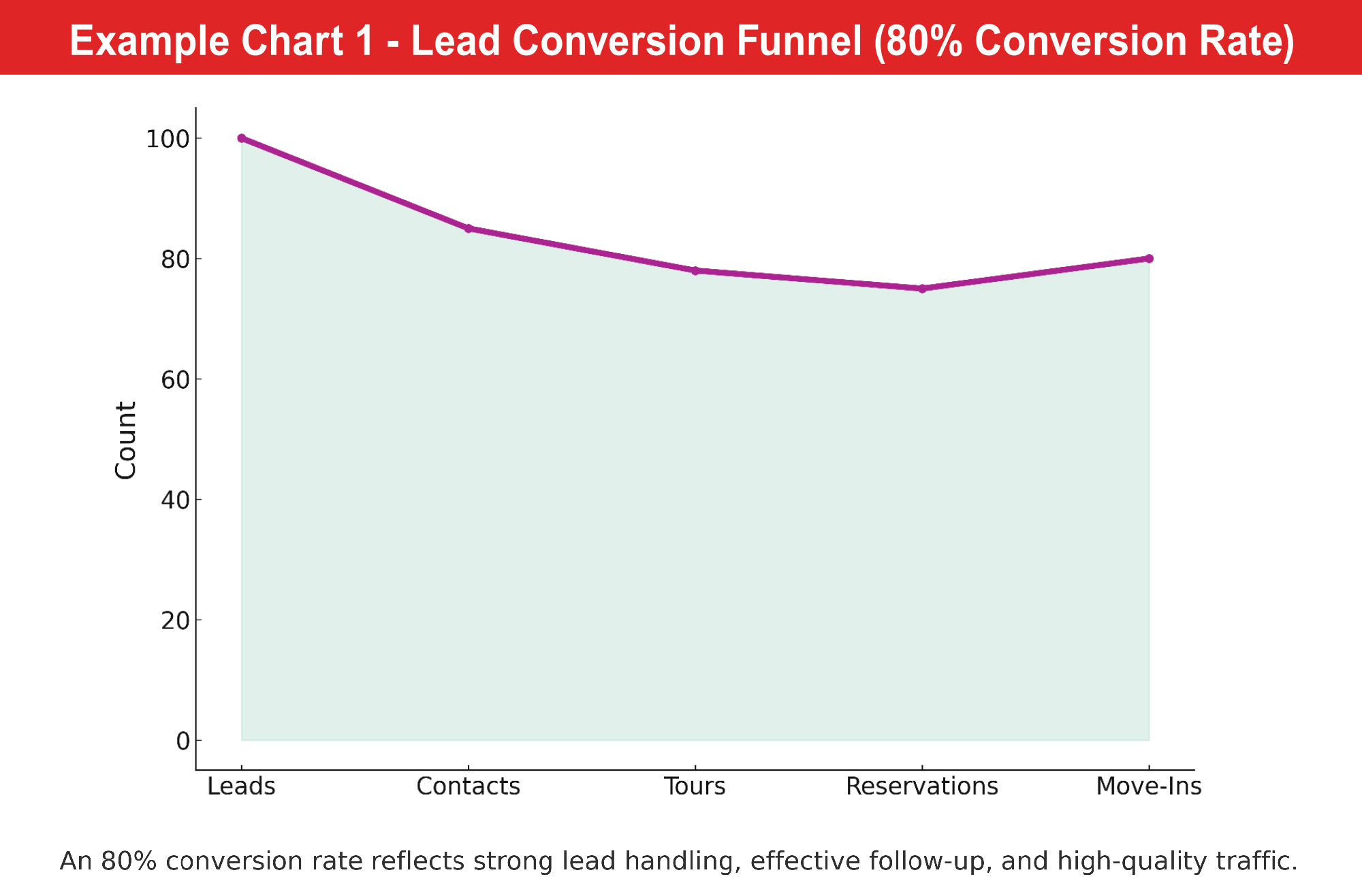
Another key part of improving CAC is making sure owners and managers are aligned on how tracking will happen. Too often, managers are expected to measure results without ever being shown the budget behind the decisions or the goals those dollars are meant to support. When owners share their marketing budgets, priorities, and expectations openly, it creates the space for meaningful conversations about what should be tracked, how it will be tracked, and why it matters. This collaboration not only improves accuracy, but it also empowers managers to take ownership of the results. When the people on the front lines understand the “why” behind the marketing dollars, they become far more invested in capturing the right data and using it to make better decisions.
Another area operators often overlook when evaluating customer acquisition cost is the enormous value of referrals and community-based marketing. At USG, our referral program, which offers a $50 reward to anyone in the community who refers a renter, is consistently one of our lowest costs per lease. Word of mouth, whether it comes from a current tenant, a local business, or simply someone who has had a positive experience with our team, continues to outperform many paid campaigns. This is because “boots-on-the-ground” marketing still matters in self-storage. Being visible, involved, and genuinely connected to your community builds trust long before someone ever needs storage. A tenant referral or positive personal recommendation almost always produces a high-quality renter at a fraction of the cost of digital advertising.
The same is true for Google reviews—one of the most powerful lead generators available. Independent 2025 consumer-behavior studies show that 83 percent of people use Google to check reviews when evaluating local businesses, and 63.6 percent are likely to check Google reviews before ever visiting a business in person (Backlinko, 2025; RedLocalSEO, 2025). These numbers demonstrate that your online reputation is not passive—it is an active driver of lead quality and conversion. When prospective renters see a strong rating and authentic, recent reviews, they gain immediate trust in your operation. In many cases, one great review can produce more qualified leads than an entire paid advertising campaign—and at virtually no cost.
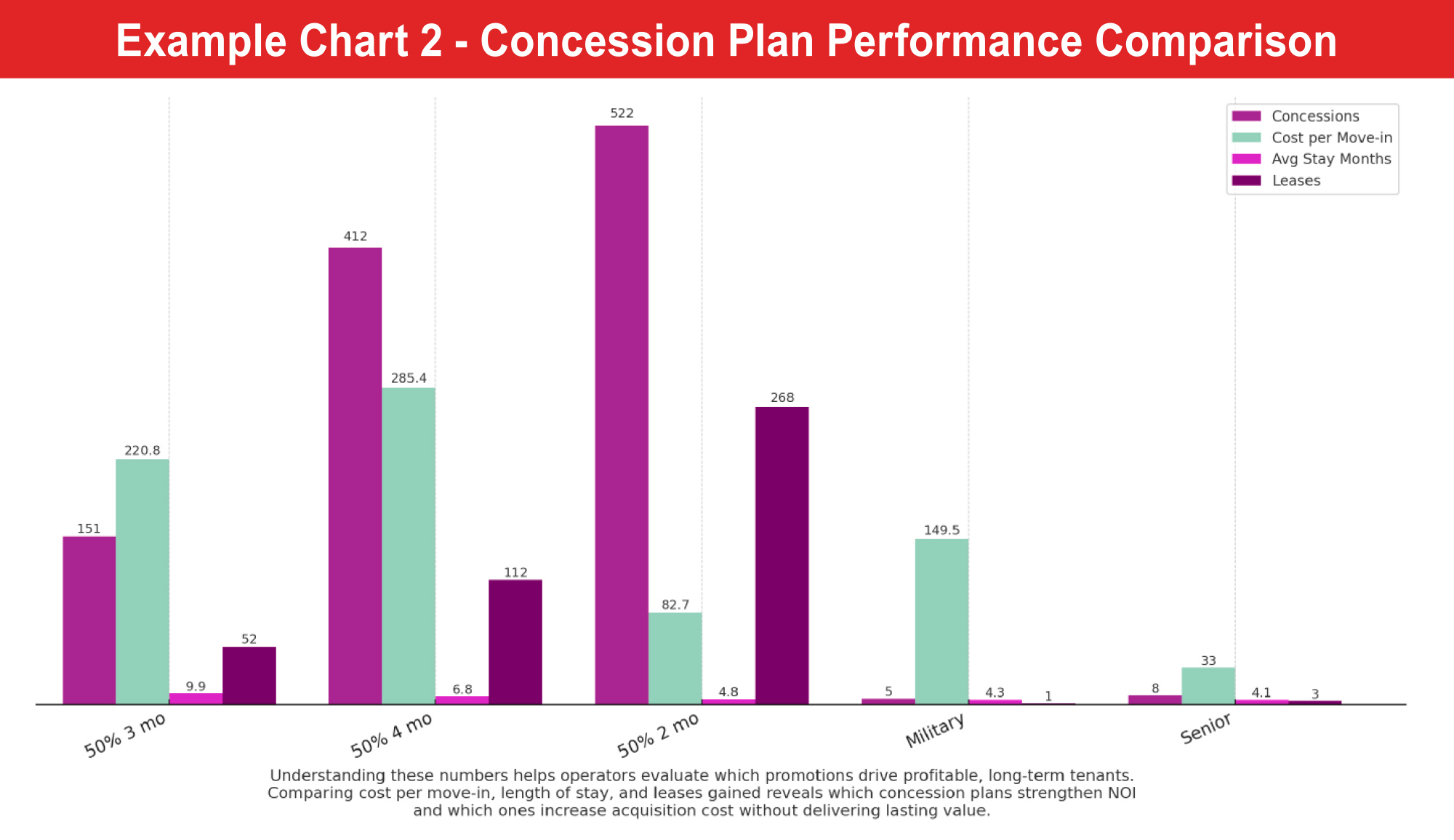
It is completely acceptable—and often necessary—to try new marketing efforts. Self-storage is not a one-size-fits-all industry. What works in Atlanta may not work in rural Tennessee. A strategy that performs well for a climate-controlled facility may flop for a drive-up site in a lake town. The key to testing new marketing is to track it carefully. Run a promotion or campaign, measure how many leads it generates, evaluate how many of those leads convert into rentals, and monitor how long those renters stay. Marketing without measurement is gambling, but marketing with measurement becomes strategic growth.
Understanding CAC is important, but it is only one part of a larger story. Strong operators also monitor lead-to-rental conversion rates, cost per lead, channel-specific performance, missed call rates, cost per appointment set, and the lifetime value (LTV) of each tenant. A $45 lead could be extremely profitable if it converts well and the customer stays long term. Meanwhile, a $10 lead could be a waste of money if it rarely converts or leads to short stays. This is why measuring performance from multiple angles gives a more complete picture of marketing success and operational health.

At Universal Storage Group, we’ve learned that great marketing only works when it is backed by strong training, consistent tracking, and operational excellence. Our most successful stores follow a formula: Track every lead, train managers to convert professionally, test new ideas, and execute consistently based on what the data shows—not what we hope. Marketing alone doesn’t fill a facility. Marketing paired with well-trained people, strategic decision-making, and disciplined follow-up does.
Ultimately, customer acquisition cost is not just a marketing metric—it is a profitability metric, a leadership metric, and a strategic roadmap. Understanding CAC allows owners and managers to grow smarter, not louder. It tells you where your customers come from, how much they cost, which promotions work, which efforts waste money, and which strategies best support your long-term goals. When you understand your CAC, you unlock the ability to make confident, data-driven decisions that strengthen your business month after month.