


ecuring an accurate and competitive construction quote can get derailed by numerous hiccups and overlooked red flags. Some budget-busters could be groundwater issues or even changing restrictions in a municipality. For example, certain areas might require 80 percent brick used in building projects versus metal construction, which could represent a half-million-dollar blow to the bottom line. Your quote might have consisted of a schedule so tight there was no room for weather and material delays or unforeseen issues like not getting a transformer on your property in time to get your Certificate of Occupancy.
Time is money. Scheduling snafus and lack of accountability within a Tetris-field of different subcontractors trying to work together can add up to a big bite of a budget. Having storage-centric, storage-specific stakeholders at the table is of huge benefit in order to compress the schedule for a predictable outcome, meaning rolling doors quicker with your return starting to come in.
This wealth of knowledge helps general contractors ensure that the subcontractor’s pricing scopes properly and that their pricing, relative to the project scope, is competitive.
Before a sub can even bid with TLW Construction, they have to go through a pre-qualification process that includes divulging:
- How many employees they have on staff,
- Total annual dollar volume of revenue,
- How many projects they are currently doing,
- The largest project that they have done, and
- How long they have been in business.
These findings can be disqualifiers or, at a minimum, red flags that signal a contractor to take the time to sit down and dig deeper.
“We require that that they provide us three years of financial statements that our in-house CPA and comptroller can review and try to sniff out any kind of financial concerns with the company,” says Williams. “We look at how they’re doing with accounts payable and receivables. If they are heavily leveraged in terms of business debt, we can learn the why and hows of the way they are managing that. We determine what type of equipment they own or don’t own. This is all before we even begin talking about the project itself.”
When a general contractor is receiving between 120 to 200 different bids on a given project, it is invaluable to gain an advanced sense for how a company is likely to perform.
“We have to filter through project bids, confirm scope and pricing, and assemble budgets based upon all of those factors in the one or two days between when the subs submit a number and we have to give a client a price,” Williams says.
Any advantage is a major gain in accomplishing that task in the most comprehensive way possible.
“The problem is that the margins are so small,” says Williams. “On a typical project, our fee is roughly 6 percent. That also has to cover all of our overhead, so the risk of loss is colossal. If there’s a miscalculation in any respect, we run the risk of a severely damaging project or severely impactful project. Everything has to be studied with real eyeballs.”
Although there is no substitute for an experienced eye, there are tech tools that can help the process.
“We use Procore as our project management and estimating and financial software,” says Williams. “Procore maintains a database of all the subs. Subcontractors will only make it into that active database if they’ve passed our pre-qualification process. This way, when a project comes in it’s very easy for our staff to use Procore to assemble the bid documents and send them to our database. It’s so much more efficient and seamless of a process than 20 or 25 years ago when we had a dedicated plan room in the office where subs could come to look at and bid off the plans. It sounds like dinosaur talk now, but it’s the reality of the evolution of the estimating business.”
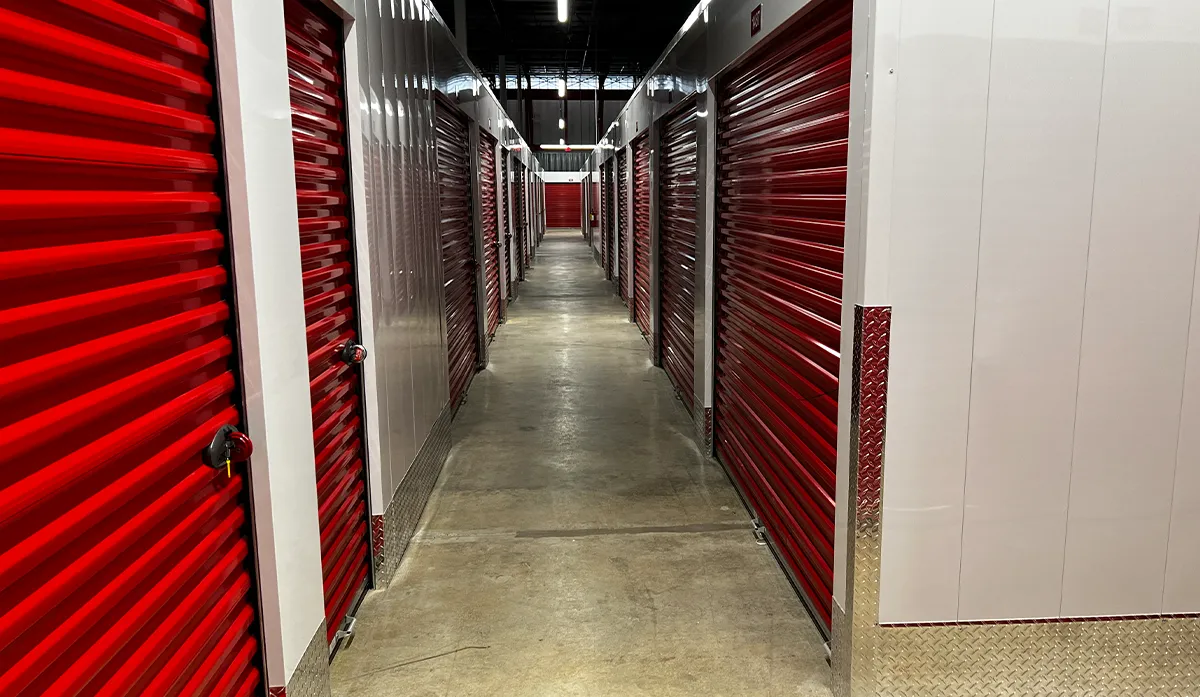
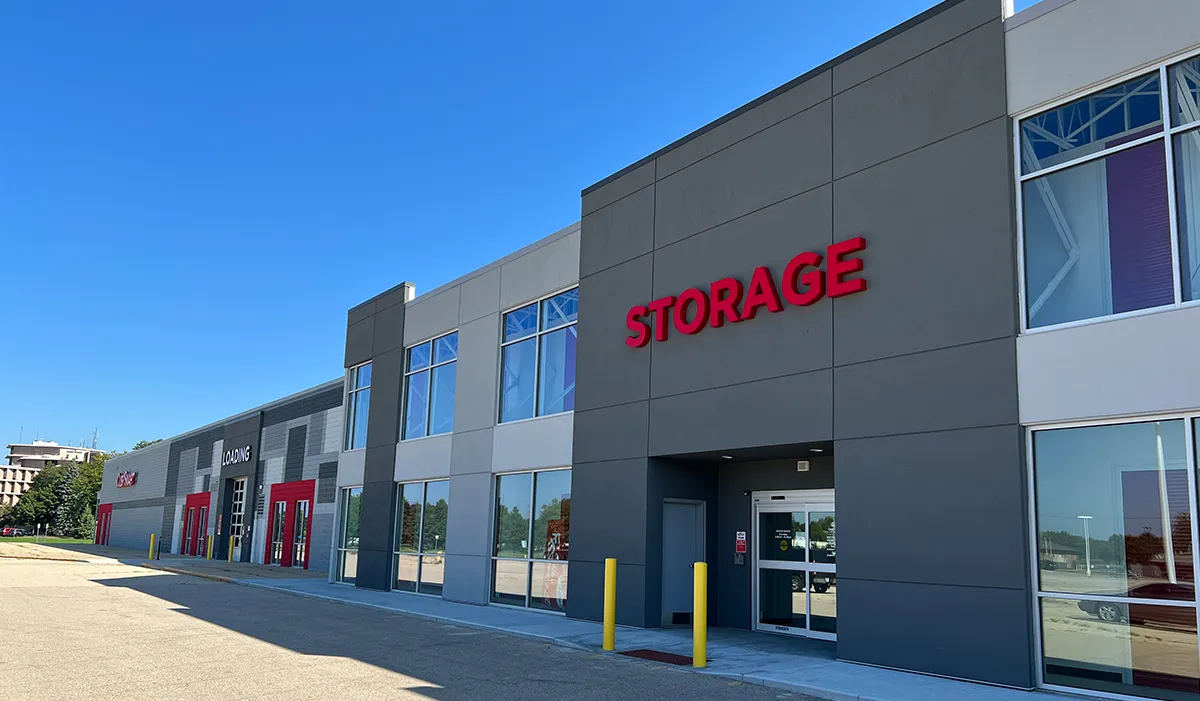
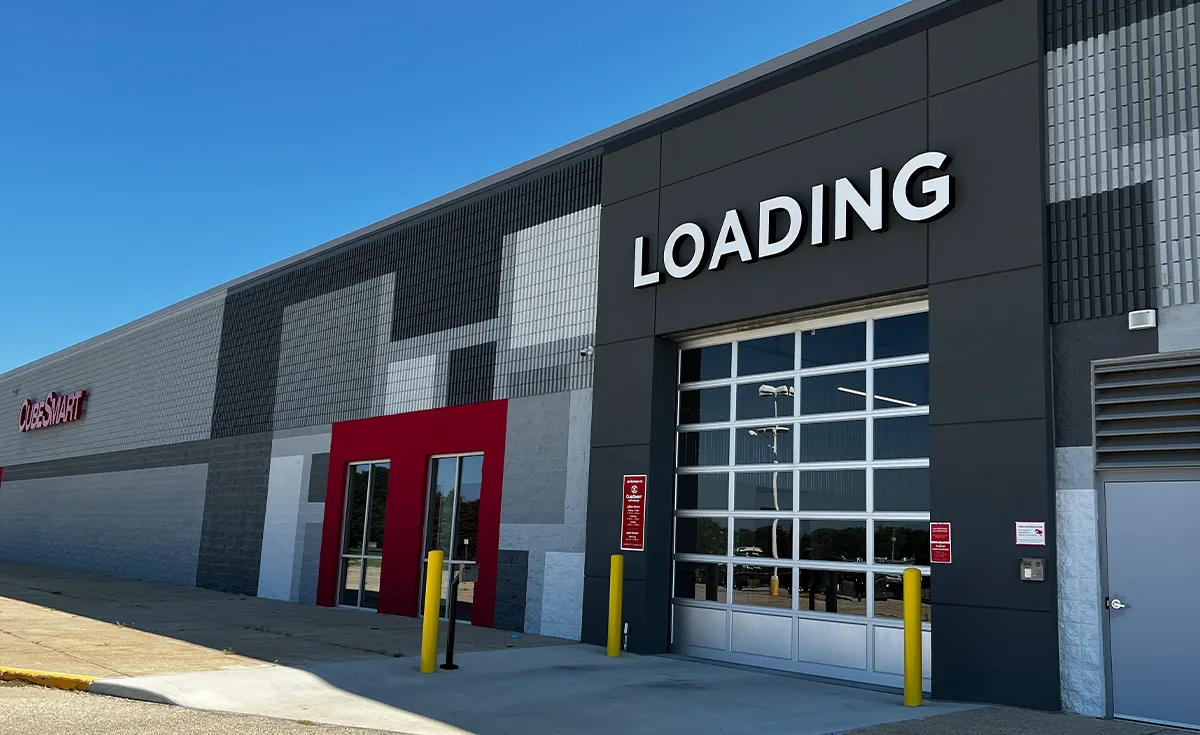
Controlling both the scheduling and the builder’s experience saves time and money.
“We have in-house training and choose crews for repeat jobs based on great customer experience,” Hajewski says. “We have an annual summit where our crews learn what’s new, learn best practices, and give valuable feedback if there’s something they don’t like about our design. It lets us create the best product.”
“When you order a building from us, we provide hassle-free labor,” says Hajewski. “We are going to schedule it, rent the equipment, take care of everything. Another bonus is the vast number of erectors we have working for us. You get a scheduling nightmare when you lock into just one erector versus when you’re working with Trachte, who has lots of crews and we are directing where they go. With so many crews, we can shuffle them around and put the resources where they need to be to stay on schedule. Our crews do this all day long; they’re fast. Our erectors will typically get a building up far quicker than someone who hadn’t put these together before. Another advantage is accountability. If something goes wrong with your installation, just call Trachte. We’ve been around since 1901 and we take care of people. We’ve got a reputation. If you hire a few guys in a truck and have an issue five years down the road, they may or may not be there. Trachte is 100 percent owned by its employees, so we care how your job goes.”
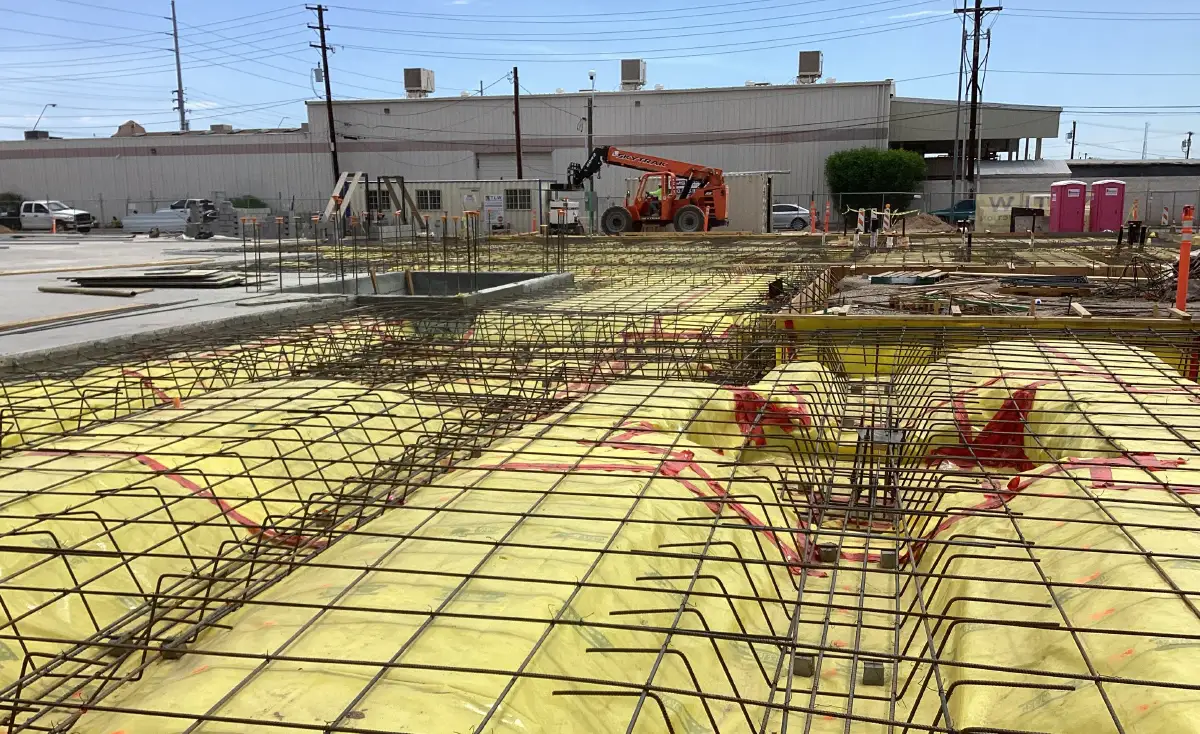
“We have a logistics department helping with on-time deliveries; we have engineering and design, construction, pre-construction—the inside quarterback for our customers managing design schedule, RFIs, talking through scope changes and any financial consequences, project management, field services, accounting and support services,” says Nigel Kreft, vice president of sales for Elevate Structures. “It makes us flexible because we control each step. When our customers are dealing with the same team members over and over, it builds consistency and it builds trust.”
This economy of scale reduces construction quotes while boosting business.
“With our structure, we’re able to hold pricing for a lot longer because our buying power is so much greater,” says Kreft. “If Mr. ABC customer in California has specific requests and builds a lot of buildings, our team doesn’t have to reset from zero every time. Our whole drive is toward a predictable outcome, which means a win for the customer.”
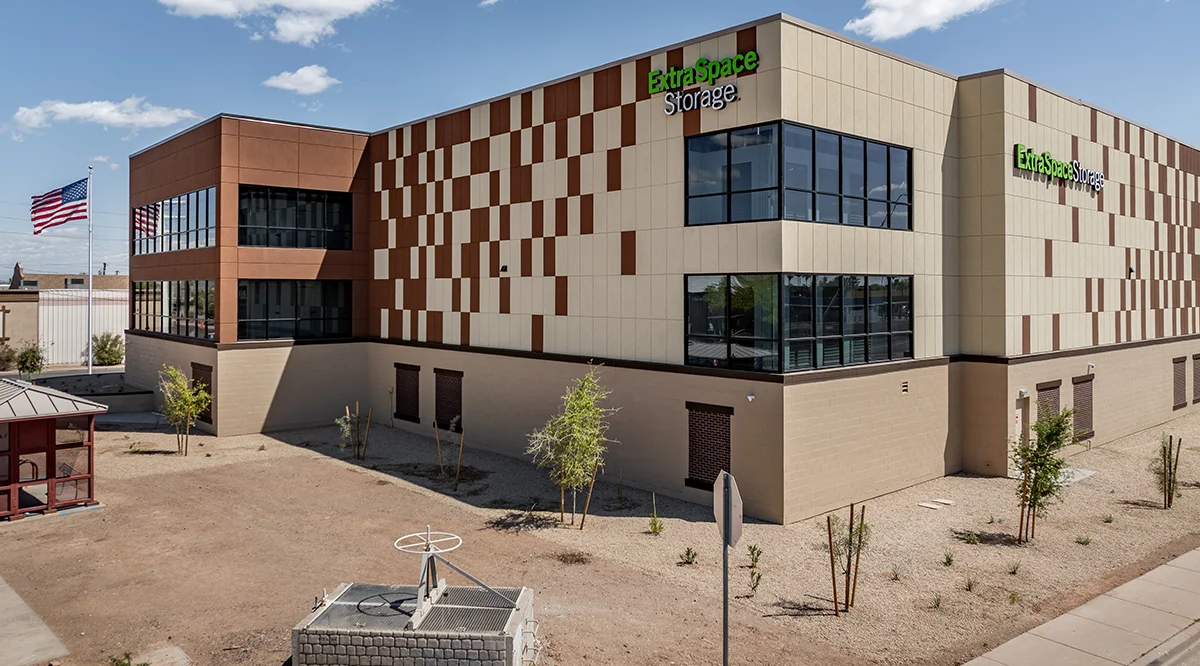

Working with one contractor through the entire process can work best for the project and for the developer.
“The earlier they engage us, we can identify problems we see with the piece of property that they picked from day one and know how to navigate that,” says Bergmann. “Sometimes we’ll receive a set of drawings designed by an architect that wasn’t familiar with self-storage. Their buddy might design office buildings or retail facilities. Often, they just don’t work out from a dollar standpoint and have to be scrapped because of high-end finishes or design elements that run up the cost. We’ve been in business since 1985. We have over 40 years of experience building self-storage. We know designers in the industry that are going to draw a good self-storage project, so we can build a fantastic project for them that fully functions and is within their price point.”
Transparency works both ways.
“We believe in routine meetings and letting the customer know of price increases immediately, when they occur,” says Bergmann. “We share our solution to mitigate that increase. An increase with one trade or one particular scope might be offset by a reduction with another; we always try to counterbalance that. It’s always good that a contractor comes to the table and communicates the problems as soon as they arise with solutions so that the developer can make a quick decision. Problem solving and creativity go hand in hand. At Capco, we do that all the time.”
“I am also a storage owner with three different sites built on old corn fields,” says Hajewski. “The first two we had to take out about two feet of topsoil and replace it with granular free-draining fill, which is engineer-language for ‘gravel.’ For the third, I just did the same thing. We just budgeted for that, and I didn’t have any soil tests done. We ended up finding so much bad organic matter in one section of land, we spent $100,000 over budget removing the bad fill and bringing in other dirt and fill. That was my entire contingency right there. I would have known that had I done a soil test.”
The nitty gritty of the lesson is if you want to have a high level of certainty in your construction quote pricing when building on a new plot, spring for a soil test.
“The biggest thing that’s causing problems right now is people buying sites without geotech reports,” says Ray Good, president at Valston General Construction Contractors. “A lot of sites out there right now just have bad dirt. This is a major factor when it comes to construction quotes and causing budgets to get out of whack. Geotech reports only cost a few thousand dollars compared to spending millions on a piece of property.”
The smart move to make sure you are on solid ground with your storage project is to do your homework with a simple soil test.
“If you are considering buying a big piece of property, it could have rock running through it,” Good says. “The tech will secure boring samples by digging 12 little holes. If an area looks suspicious, we might do a few more bores on a section we think might have issues to solve problems early.”
Bringing in a general contractor to help value engineer a project with an architect and civil engineer from the start can optimize a project’s value by analyzing its components, from materials to design to construction methods, to identify cost-effective alternatives to achieve the end goal on budget.
“If they don’t get us involved from the beginning, and move forward getting plans and civils done first, we have to start over to get it in an acceptable budget,” adds Good. “Discovering bad soil can be devastating. We have a site right now where a civil engineer figured that the topsoil was only 12 inches thick. We arrived and discovered it was four feet. You not only have to take that bad dirt out, you have to bring good dirt in. It’s a domino effect. Three extra feet across the whole site—that’s an unexpected six-figure expense.”
“Our real hook is not only the advantages that Alpha brings as a post-and-beam 10-by-10 system that produces three times faster than older construction methodologies,” says Kreft, “but that we’re vertically integrated all the way inside the steel chain, so we have direct access to the mill for procurement.”
“We haven’t been affected by tariffs at all because almost 100 percent of the steel we’re using is domestic,” says Kreft. “We were able to talk to our domestic mill partners 12 months ago and say, ‘Hey, this is how much we’re going to need in 2025.’ Coming to them with how much we could commit to made them commit to help us push through some of the fluctuations that came in the steel market this year.”
While the market has not been as volatile as a few years ago, nervous consumers are appreciative of one less moving piece in the construction quote process.
“It certainly made our conversations to our customers a lot easier,” says Kreft. “We’ve been very confident, especially with our pricing 120 days out, knowing exactly what that would look like, which is a big benefit to the business.”
“Storage seems like it would just be a big box with garages, but developers of all experience levels quickly learn no two projects are the same, not only from an engineering standpoint but also from a municipality, planning, and environmental standpoint,“ says Christine DeBord, CCO of Janus International. “We just did a case study for a customer with 20-plus years in storage whose build took three-plus years longer than they anticipated because it was right next to a private airfield. To keep the airfield safe, they ended up having to build two stories down, with one floor above surface level.”
Regardless of the type of development, one thing remains important.
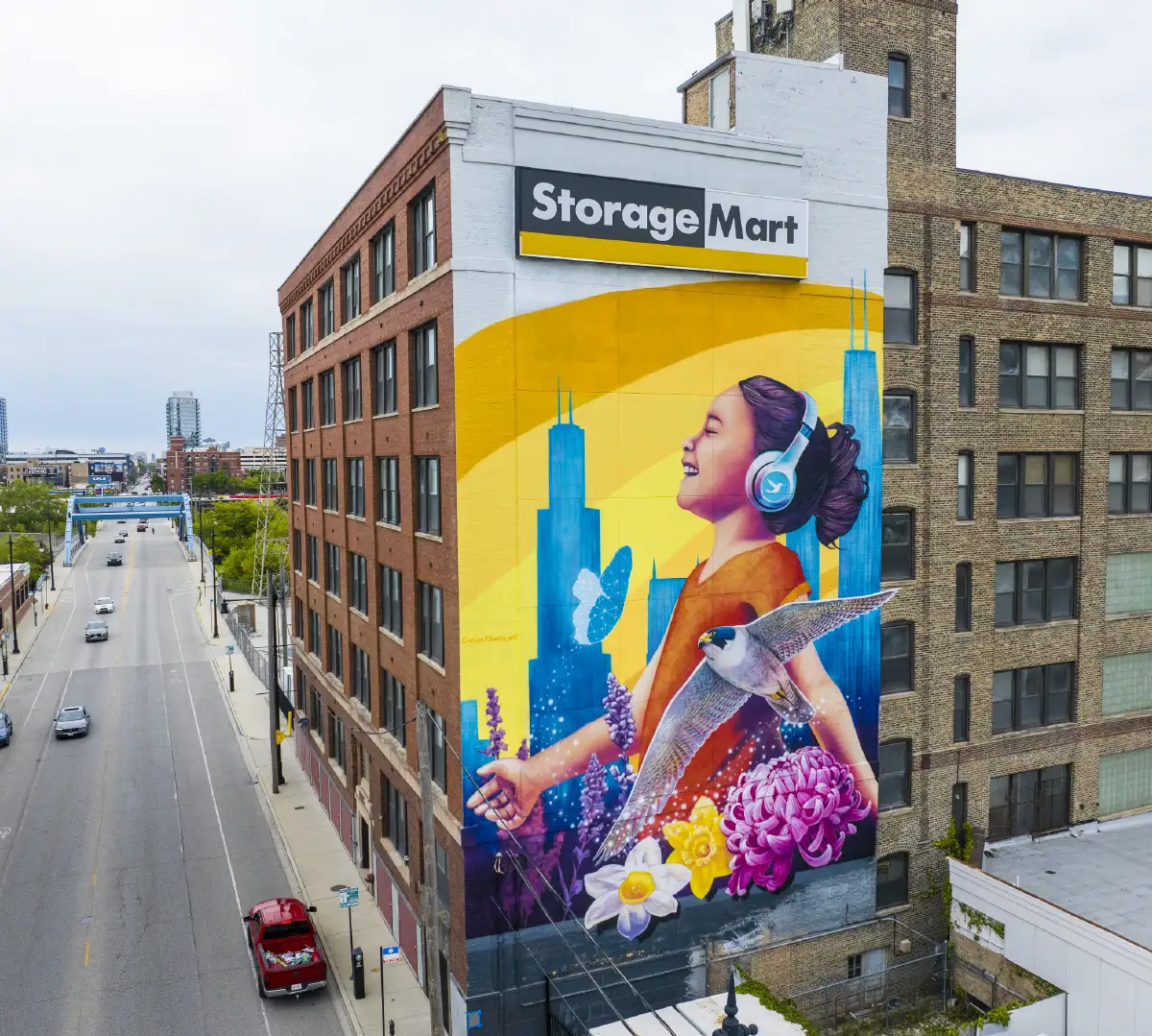
Timing is everything when it comes to big decisions such as planning a new development.
“Before a developer even purchases the land, it’s a good idea to reach out to ask questions and get a sense of whether a conversion, acquisition with expansion, or ground-up development would be the best idea,” says DeBord. “We have in-house project management, but most manufacturers in the industry don’t.”
Comparing your construction quotes apples to apples ensures you understand exactly what’s within the scope of work for each provider.
“People assume that low voltage is part of the electrical scope,” says DeBord. “It’s not unless it’s specifically called out. Those are the kind of things that present surprises near the end of development, and surprises near the end of development are never good. You really want all of your subs streamlined and cohesive so you can open as quickly with construction can be at a quality with which you’re comfortable.”