


nce believed to be a low-tech industry, the self-storage community is now far from it. Self-storage owners and facility managers are adopting digital management systems and software programs designed to help improve daily operations within the facilities. With the help of these programs, operators can ensure that no issue in the facility is overlooked, employees are meeting their goals and deadlines, and tenants are satisfied with the service.
The high demand for this type of technology can be explained by the results it generates, including an increase in profitability, higher rental demand, and an improved workflow. And that’s not all: These programs are much simpler to use when compared to paper records/documents or online spreadsheets that need to be manually updated constantly.
Technology can automate systems that otherwise would’ve caused an increase in the mental workload of self-storage employees. Without that added pressure, these professionals can perform at a much higher rate and focus their attention on additional necessities within the facilities.
To cover how the self-storage industry is evolving regarding technology usage, MSM interviewed representatives from companies that are changing the industry and helping self-storage owners and managers improve their operations. We spoke with NodaFi, Storage Commander, and Tenant Inc. to understand how they’re helping their self-storage clients thrive.
“Fast forward, that was the inception of it. Eventually, we started talking to hundreds, probably thousands, of facility managers, maintenance workers, technicians, janitors, whoever we could talk to within the space,” says Pandl. They discovered that maintenance workers were using paper documents and spreadsheets to track their demands, which was slowing them down. “That was the moment we decided to do something a lot better to solve what we saw as a pretty massive problem,” Pandl added.
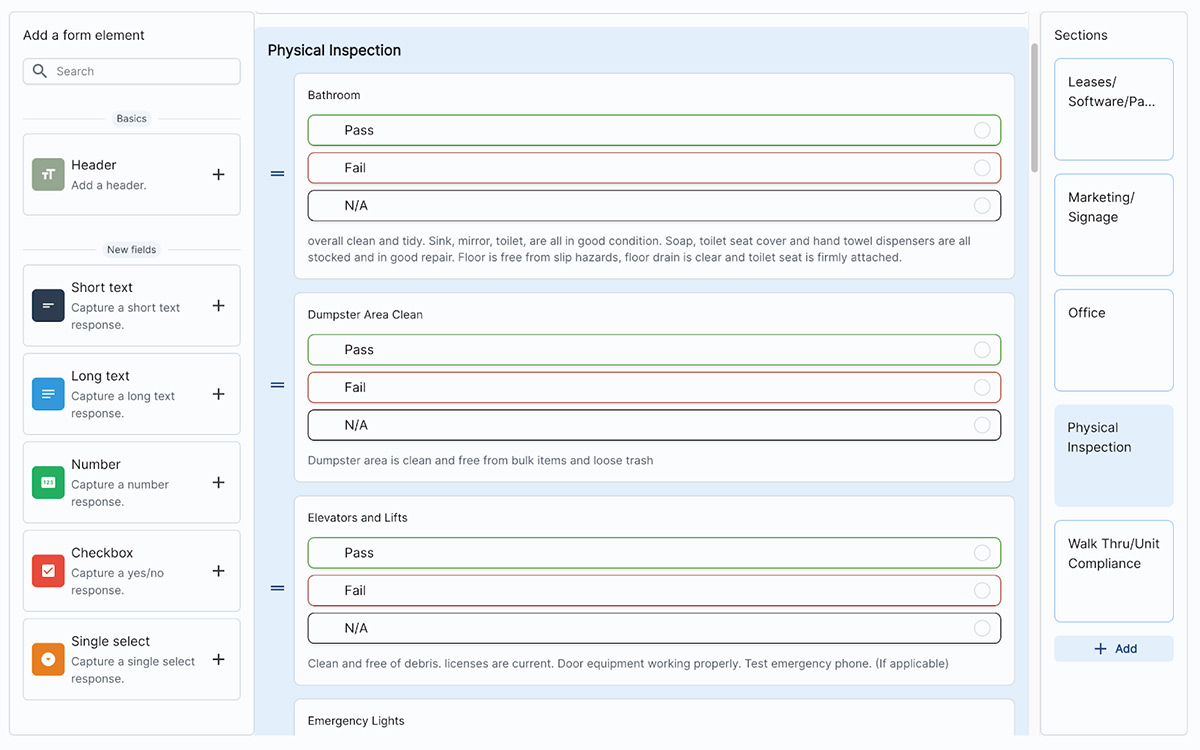
That’s when NodaFi created the Facilities Operations System (FOS). “FOS captures what keeps a facility running, whether that’s a self-storage facility, a hospital, an airport, or a school. It’s a lot more than just the maintenance component, there’s a whole operations layer, as well,” Pandl says.
What’s FOS? It’s a software platform that can help self-storage managers streamline their operations by tracking maintenance tasks, scheduling work orders, improving communication between managers and employees, and organizing documentation within the platform. In addition, it generates data and reports about the company.
According to Pandl, one of the biggest challenges that self-storage managers face (either small, independent owners and managers or large, multifacility chains) is their ever-growing to-do lists, and that’s where FOS can help. “We take that off our client’s plate and put that under an automated system.”
By using FOS, Pandl believes that clients can increase profitability as they improve their operations. However, the platform can also help decrease expenses, such as staffing costs, for example. Since FOS is automated, it can lower the workload of self-storage managers. “Instead of a regional manager overseeing 10 facilities, they can manage 20 or 25,” says Pandl.
NodaFi’s FOS is easy to use and intuitive, but the brand also provides training to its clients. “We arm our clients with the tools that they need to bring to their team so that everybody can get up to speed using things effectively.”
“Over the last year, we’ve been working to bring these five companies together as one under the Storage Commander brand and work on launching our new product, SC Navigator. The most exciting thing for us is that we have a combined industry experience of over 50 years,” says Richard Witka. “We’re really excited about where we’re headed. SC Navigator serves the self-storage industry at a very high level and in a way that we think is going to be a big game changer for the industry.”
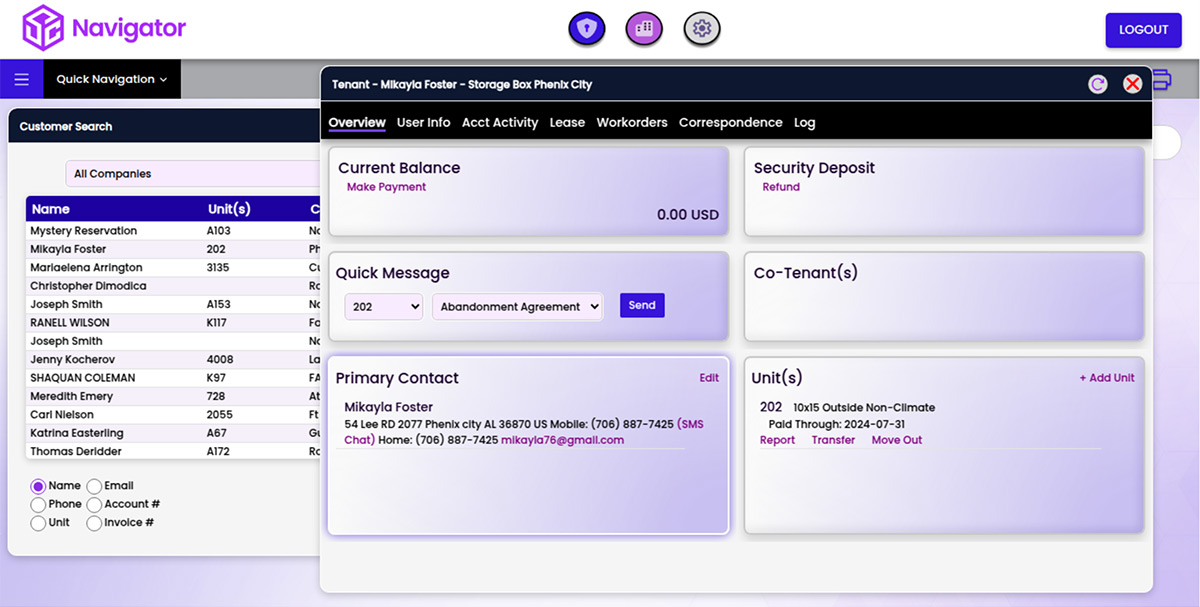
What is SC Navigator? It’s a cloud-based software as a system (SaaS) property management platform designed to reduce manual tasks by automating processes within self-storage facilities. Storage Commander believes that by using SC Navigator, self-storage owners and managers can increase their profitability and improve the efficiency of their facilities, helping them run smoothly.
The program can be used by owners and operators with a single location, as well as those running multifacility companies and businesses. “We built the software so that it can grow with the operator,” says Joel Washburn.
The program can help self-storage managers improve their efficiency by automating administrative and repetitive tasks, such as invoicing. SC Navigator can streamline invoicing with automated rent collection. It’s also possible to open the software on multiple screens at once, so the whole team has access to the data. SC Navigator can run on a PC, smartphone, or tablet. That way, it’s easier to check on work demands and the team’s productivity, even when away from the office.
And what about profitability? “By using SC Navigator, we can reduce expenses on the employee side,” says Witka, who explained that the software does a lot of the repetitive tasks, meaning that employees can work on other areas of the business. Managers and owners can then save on employee costs.
The software can also identify “flight risks,” which are tenants interested in moving out or who aren’t satisfied with the service. It does that by analyzing tenant behavior. “If a tenant hasn’t been on the property in nine months, but then, all of a sudden, they’re there three days in a row, they’re a flight risk,” says Washburn. “The tech can communicate with that tenant and send them a message about how they’re appreciated. We can offer them a 20 percent promotion, just as an appreciation token to try and help raise that occupancy.”
Witka and Washburn say that the software can generate data and reports about the facilities that can help them grow. Storage Commander also offers services such as marketing and tenant insurance to support their clients in that area as well. They share that their goal is to see their clients thriving and growing.
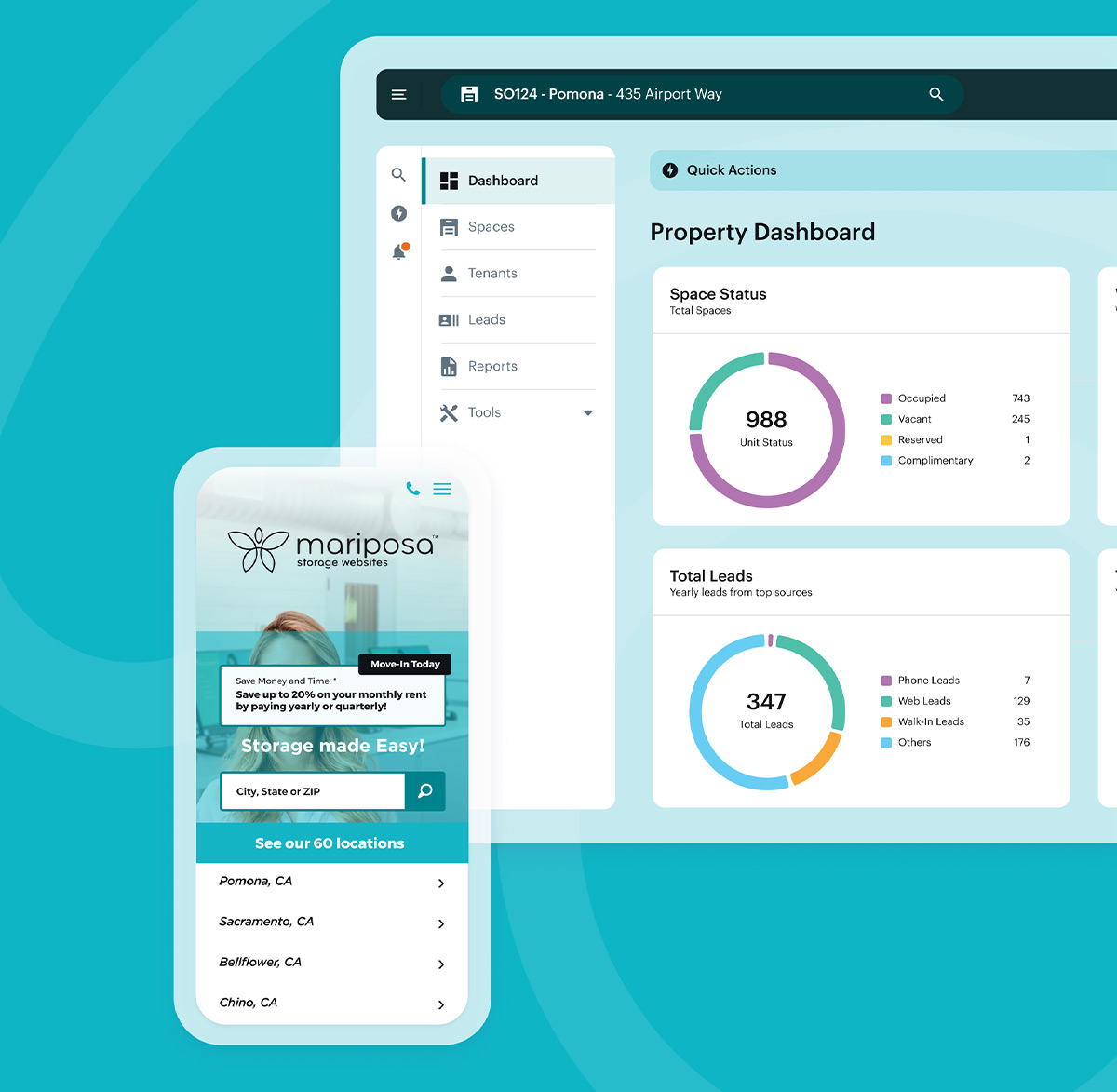
According to Bevan, the self-storage industry is hyper-competitive, especially in recent years, which puts pressure on all operators, regardless of size. The competitive aspect of the industry can affect operators in attracting tenants and running their companies efficiently. In her opinion, this is why it’s so important to leverage technology to help improve business operations.
“Standing out and staying profitable requires sophisticated tools and strategies, and Tenant Inc. addresses this by providing operators with an integrated technology platform designed to enhance competitiveness through improved online presence, advanced property management, significant operational automation, data insights, and a modern tenant experience,” she says.
The Hummingbird software automates processes for self-storage owners and managers, improving their efficiency by taking part of the workload, especially regarding financial and repetitive tasks, off their plates. Bevan explains that the platform is scalable, meaning it can be used by businesses of all sizes. “You’re able to automate texts and emails with one-click payment link for customers, letting them know their payment is due in X number of days.”
Mariposa creates websites adapted to SEO best practices, which makes them rank high on Google searches and increases visibility for the company. In addition, making the process simpler, tenants can reserve or rent their units online and Tenant Inc.’s clients can verify tenants’ identities online.
Tenant Inc. helps its clients increase efficiency and profitability by providing a platform catered to their needs. “Operators that have switched to Tenant Inc. see a 30 percent increase in online rentals, a reduction in delinquencies, and modernizing operations, and switching to Tenant Inc. gives you a future-proof, scalable platform that grows with your business,” says Bevan.
Even though the self-storage industry is becoming more intertwined with technology as time passes, there are still managers and operators who aren’t interested in management software, which is understandable. “Change can be daunting, especially when your current system works, but the biggest thing is always wondering the ‘what-ifs,’ if your operations could be more efficient, your revenue could increase, and you could save hours of work each week,” says Bevan. “We’ve helped operators transition seamlessly hundreds of times without disrupting daily operations.”