


ow much do you love your family? If it happens to be unconditionally, would you still look at them through rose-colored glasses if you constantly had to make business decisions with them? It can be both convenient and practical: You’re all working toward the benefit of the same family unit, you get to spend a lot of time with them, and you can carpool if you live together.
However, there a few elephants in the room to address. Won’t you get tired of spending so much time together? How do you keep vacations and holidays from being overtaken by work talk? And what if the non-family employees start thinking that the family has it easy because, after all, you own the business and you’re all related?
As with anything in life, there are many factors to consider, but the best way to get the scoop is to talk to people who are doing it successfully.
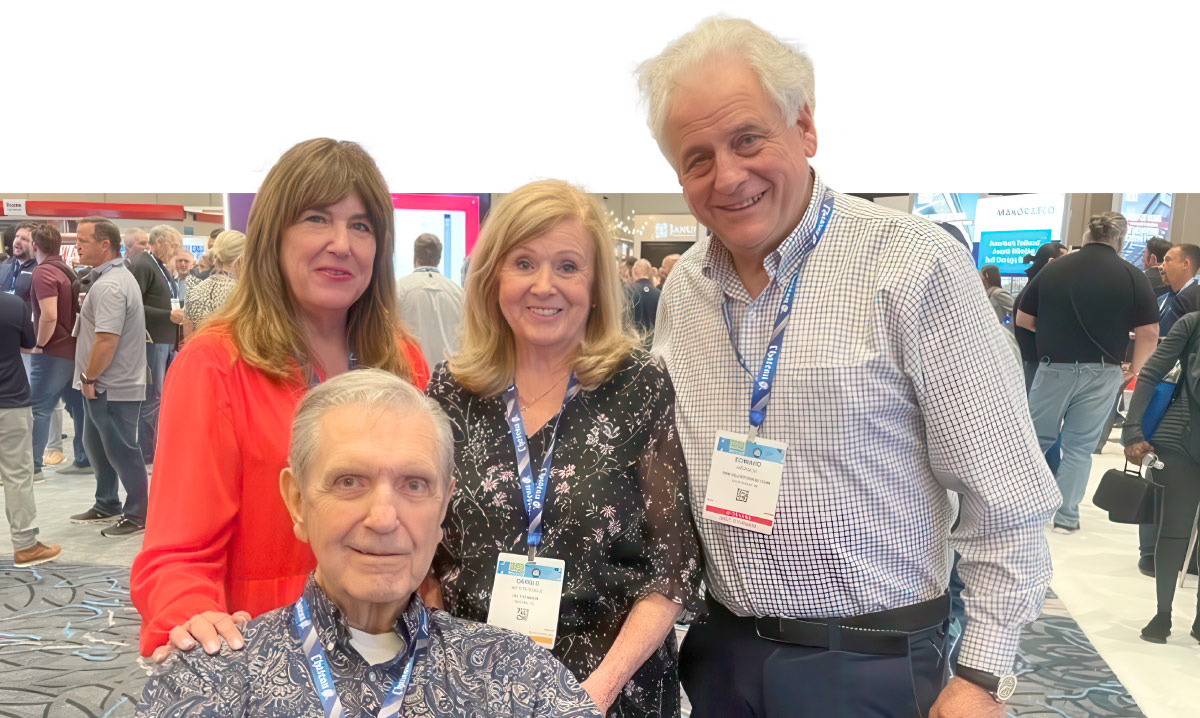
Gordon Burnam eventually wanted to expand that business, and he started by building a facility in the Midwest in 1973, where he also struck up a friendship with a local retired banker. Together, they co-invested to build 14 stores throughout the U.S. “We sold 12 of those, then brought two of my brothers and a sister into the business,” Mike says.
Once the company went public in 1994, it grew to 237 stores; then Public Storage took over. The family rebuilt the company, and everything snowballed like something straight out of a Wall Street movie, with expansions into Canada and the United Kingdom, and eventually the acquisition of Manhattan Mini Storage, which was one of the largest private transactions in the history of the industry.
Cris Burnam’s extraordinary start into the business is paralleled by Michael Clark, founder and owner of Ramona Self-Storage in Southern California. “Around 1983 or ’84, I saw a small advertisement in a San Diego newspaper about seminars Buzz Victor was conducting. I didn’t work in the self-storage industry, but I was intrigued.” At the time, Clark was a casual real estate investor who was always looking for investment opportunities. Once he realized that self-storage was the golden ticket, he decided to go into business with his children. “The challenge for me was to determine which of them was truly interested in the industry and who wanted to work with me,” he says through laughter. “You want to make sure you’re choosing to work with the right family members for the right reasons.”
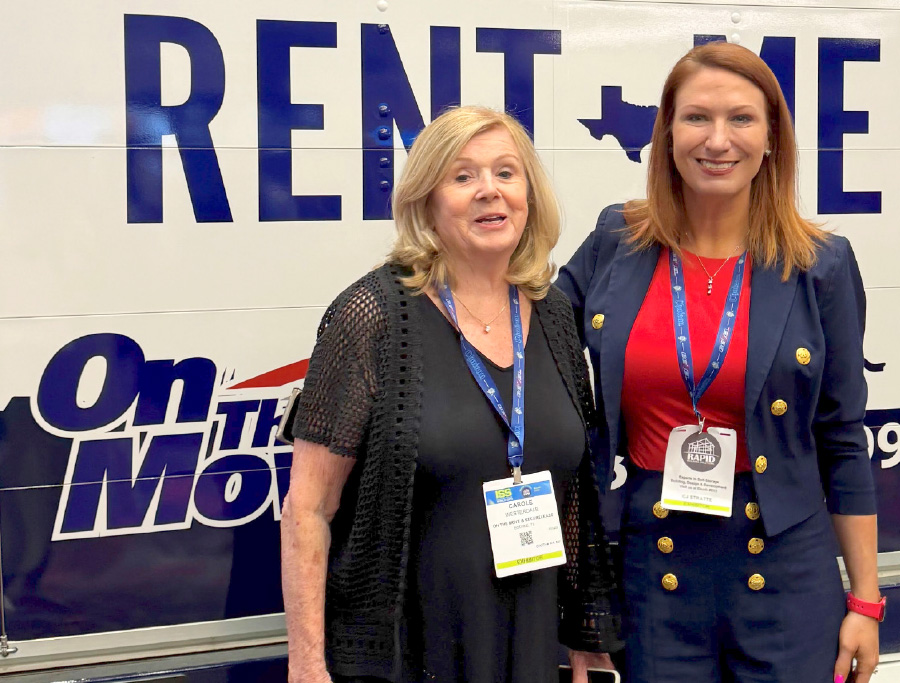
Knowing which family members she wanted to work with was easy for CJ Stratte, president and CEO of On The Move, Inc., the fourth-largest truck rental fleet in the U.S., serving self-storage facilities that offer truck rental services. “My grandfather started his first facility in 1978,” she says. He saw a need for the business model, as well as the supplemental insurance programs to rent out the trucks.
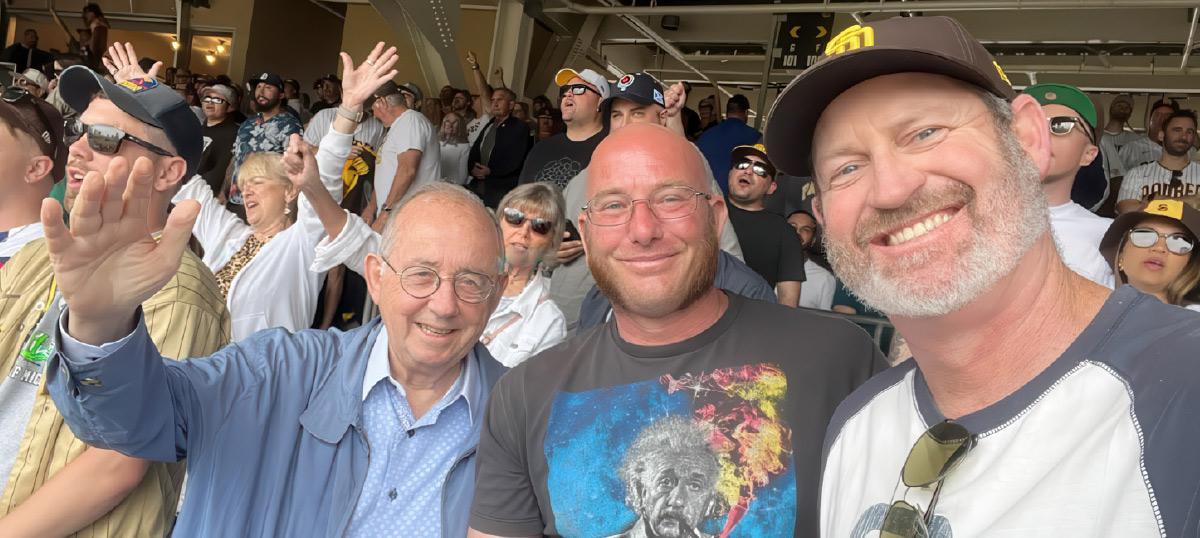
Tarik Williams, president of TLW Construction has also always been close to his family. “My dad started the business in 1983, and as his kids, we’d help clean up the facilities and work together during summers and holidays,” he recalls. Williams went to college for a construction management degree; after graduating in 2001, he partnered with his dad. “We started growing the business together, and my younger brother Devan joined us as an intern.” All three of them have always been invested in seeing the business succeed; Devan Williams worked his way up until he became a partner with his brother, when he and two other new partners bought out their dad.
Speaking of working with dad, Jamie Bennett, a president and founding partner of Sunbird Storage, started working with his father after graduating from college with a history degree and limited employment opportunities. “My father is 88 and still very active in the business,” he says proudly. “His role is more on the investment and oversight side these days, but he started as a real estate developer and got into storage when we moved to Florida in 1982.” It turned out to be a serendipitous event, since he thoroughly enjoys this career path and the wealth of knowledge he’s gained from working together.
Stratte recognizes that her role gave her a shoe in—something she’s aware of even more now that she’s CEO. “When I explain things to my marketing team, I know that sometimes they have to guess what I want; and that’s understandable. Meanwhile, when my mom was CEO, we’d sometimes show up in the same outfits,” she says with a laugh. “She also held me to a higher standard, though, which was nice because it helped me grow.”
Williams also brings up being mindful of the dynamics with employees who aren’t family members. “We never want them to think we’re getting favorable treatment,” he says. “We have other partners who aren’t related to us, and we like to make sure they’re treated the same way. Meetings are an excellent opportunity to do that. Everyone gets a chance to report on their successes, talk about challenges, and are held accountable about areas of responsibilities.”
For his part, Bennett highlights the benefits of being able to talk business whenever the urge to do so arises. “You can embrace the freedom of family. We can work anywhere and mix business and pleasure.” When asked whether he ever tries to avoid talking too much about work on vacation and family gatherings, he’s quick to point out that he doesn’t feel the need to. “It’s ignorant to pretend that you can’t talk about one of your passions in common. I just apologize to others in the room afterwards,” he says.
Mike Burnam, president of StorageMart, agrees. “We do not avoid it! Business is family, and family is business!” He enjoys everything that comes with the lifestyle. “Rarely can anyone say they see their family members every day. How lucky we are to see our children participate and mature into active parts of the company, each doing what they do best.”
Williams emphasizes the importance of knowing when to separate what’s personal from strictly business decisions. “Maintaining open communication is really important,” he says. “That is true in any partnership, but also, don’t let family things trickle into work relationships.”
Stratte points out that sometimes there’s a need to compartmentalize each area of life. “The biggest challenge is that there’s no break,” she says. “All of our conversations have always been related to On The Move, forgetting we have other parts of our lives besides the business. We’ve had family gatherings when we say we’re not going to talk about work at all. Our spouses say they don’t want to talk about it, and the children get very bored. They do not care,” she says through laughter.
No matter the hurdles, Mike Burnam recognizes that at the end of the day, everyone has their own strengths and it’s important to let people be. “As with any family, there are always challenges, but we have been fortunate that each of the family members have fallen into roles where they can run their part of the business in which they have excelled. And even when we have disagreements, every one ends with ‘Let’s go to lunch.’”
Williams stresses the importance of ensuring everyone is on the same page. “There have to be clear lines of delegated responsibilities and areas of decision-making,” he says. “Whatever you as a partnership decide it will look like, it needs to be crystal clear.”
Bennett likes to be mindful of the value everyone brings to the table, regardless of age. “There is a way of doing things that is tried and true; the younger generation needs to respect what has worked, and older generations need to understand that the world is changing and how things are done is going to evolve.”
Clark is also clear on how rich his life is precisely because he gets to work with his family. “They bring me a great deal of joy, because I have been able to share their lifetimes with them,” he says. “I enjoy sharing my weaknesses and strengths with them and learning from their responses. Same with important business decisions.”
Stratte also brings up how fortunate she feels to have worked with her grandad for so long. “I value my relationship with him so much. It was one of my favorite parts of working with him—I got to talk to him every single day. He was my mentor, and we had such a deep relationship and respect for each other.”
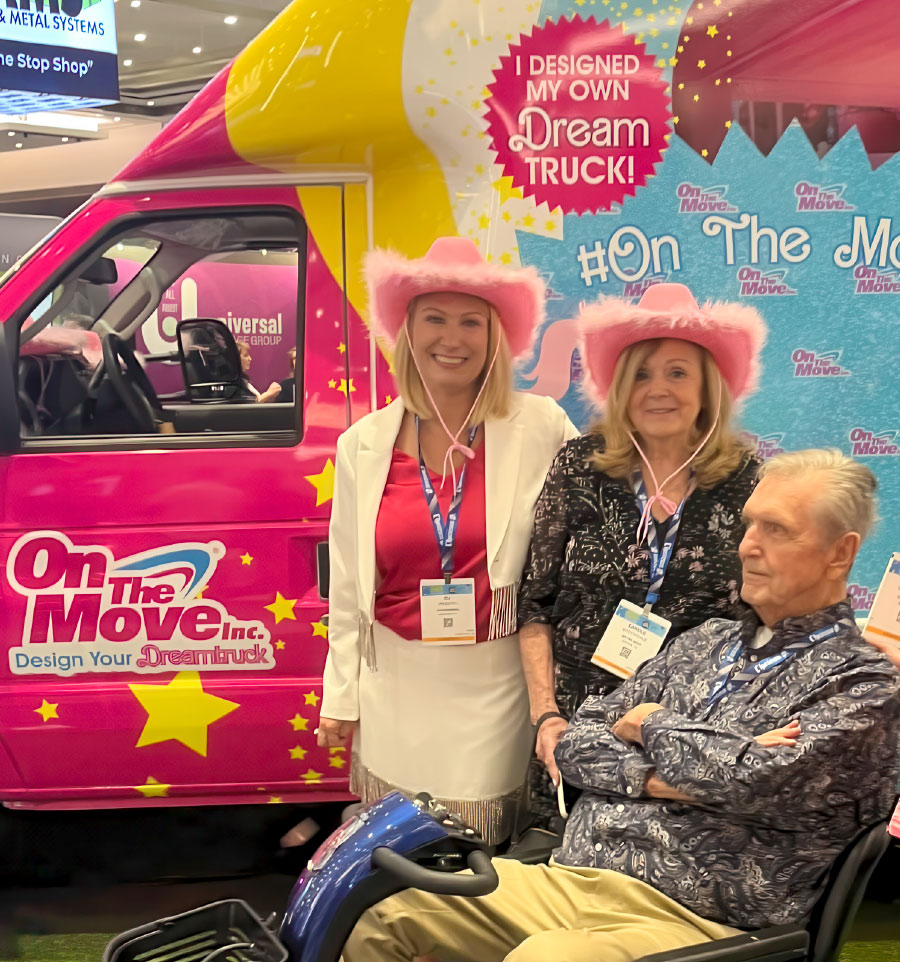
She also shares a touching moment with her grandma at the ISS World Expo this past April. “My grandma has been more of a stay-at-home wife. She never had a need for tech skills, so we’re trying to get her up to date. But we just had her at the trade show, and she actually sold one of the trucks my grandpa designed on the show floor. We didn’t know she had that skill! She’s our hidden gem, and grandpa would’ve been so proud of her! It’s nice to have that connection between them, even after his passing. My heart’s full that we were able to execute his great ideas.”