


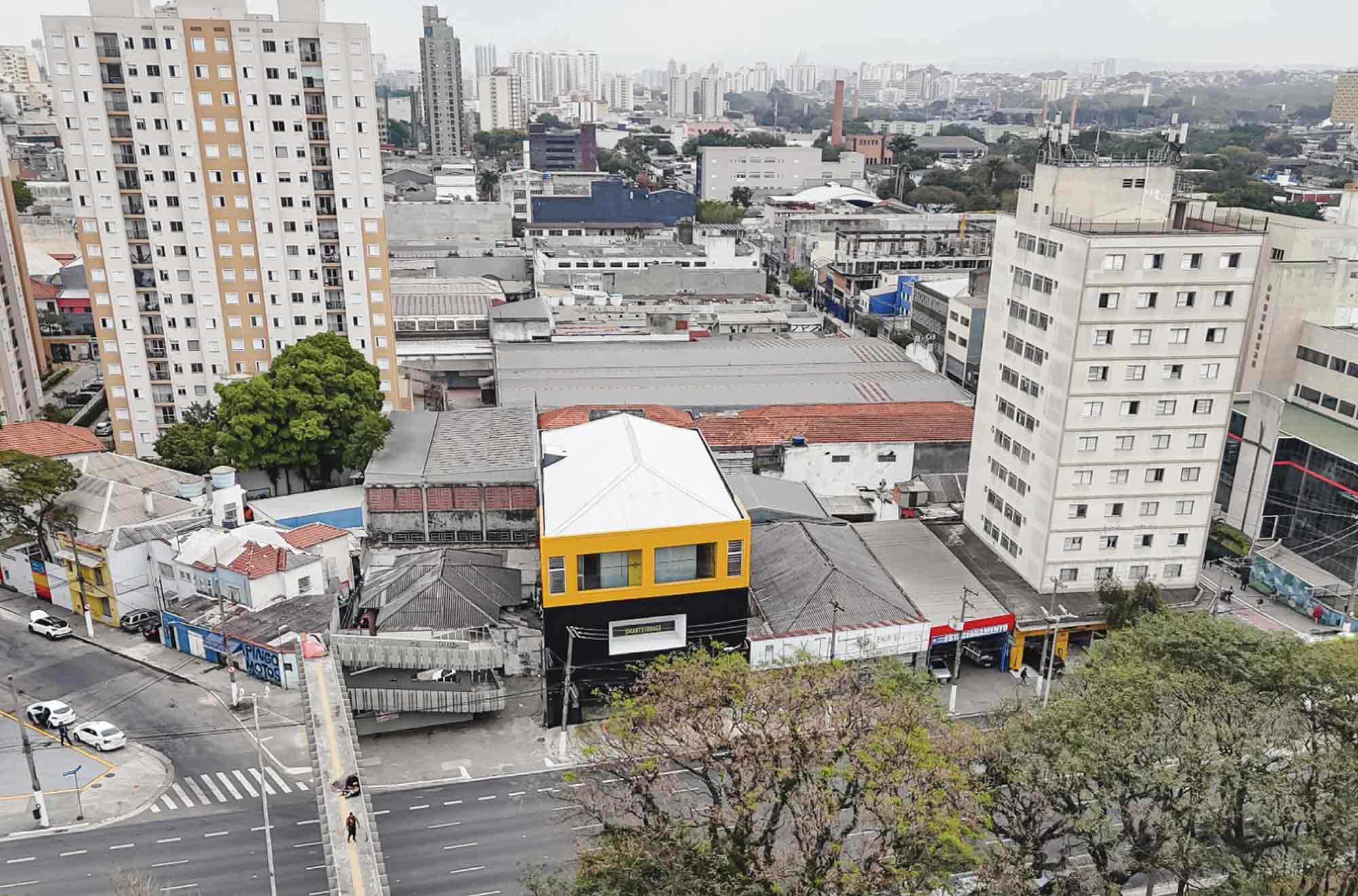
razilian self-storage is moving from an unfamiliar real estate niche toward a recognizable urban solution. The change is visible in São Paulo, where apartment living, neighborhood retail, and last-mile commerce often meet on the same street. For operators looking at Brazil, the important lesson is that growth is real, but it is not uniform. Market education, local demand, and disciplined site selection still matter more than simply adding doors.
The numbers show how quickly the sector is developing. A survey by Brain Inteligência Estratégica and the Brazilian Self Storage Association, known as ASBRASS, counted 383 operating companies and 595 facilities across 110 cities in the first quarter of 2025. Available units had risen from 147,770 in 2021 to 220,901, an increase of 49.5 percent in four years. By the first quarter of 2026, an updated survey counted 244,562 units in 625 facilities across 112 cities, up 10.7 percent year over year. The 2025 survey measured almost 1.93 million square meters of rentable space, roughly 20.8 million square feet.
Those figures describe expansion, but they also reveal concentration.
Forty percent of facilities in the 2025 survey were in São Paulo state, and the Southeast accounted for 55.8 percent of the national total. Average vacancy was 18.6 percent. An operator should resist turning those averages into a national formula. A dense São Paulo neighborhood, an industrial corridor and a midsize interior city have different traffic patterns, housing types, and business needs.
Demand comes from several sources. Smaller homes and frequent moves create residential need, while renovations, family transitions, and temporary assignments produce shorter stays. For businesses, storage can replace a back room, support seasonal inventory, or place products closer to consumers without the commitment of another retail lease. The common element is flexibility: Renters can change the amount of space they rent as circumstances change. In Brazil, however, many potential users do not yet recognize self-storage as the answer to their problem.
Limited public awareness remains one of the market’s largest constraints. A household may first consider moving to a bigger apartment, while a merchant may search for a conventional warehouse. Both can overlook a nearby storage facility because the category is unfamiliar. This affects more than advertising. It lengthens lease-up, makes a clear explanation of access and security essential, and gives referrals unusual importance. The encouraging part is that awareness is cumulative. Every visible facility, satisfactory rental, and recommendation introduces the solution to another circle of renters. As familiarity increases, inquiries and demand follow.
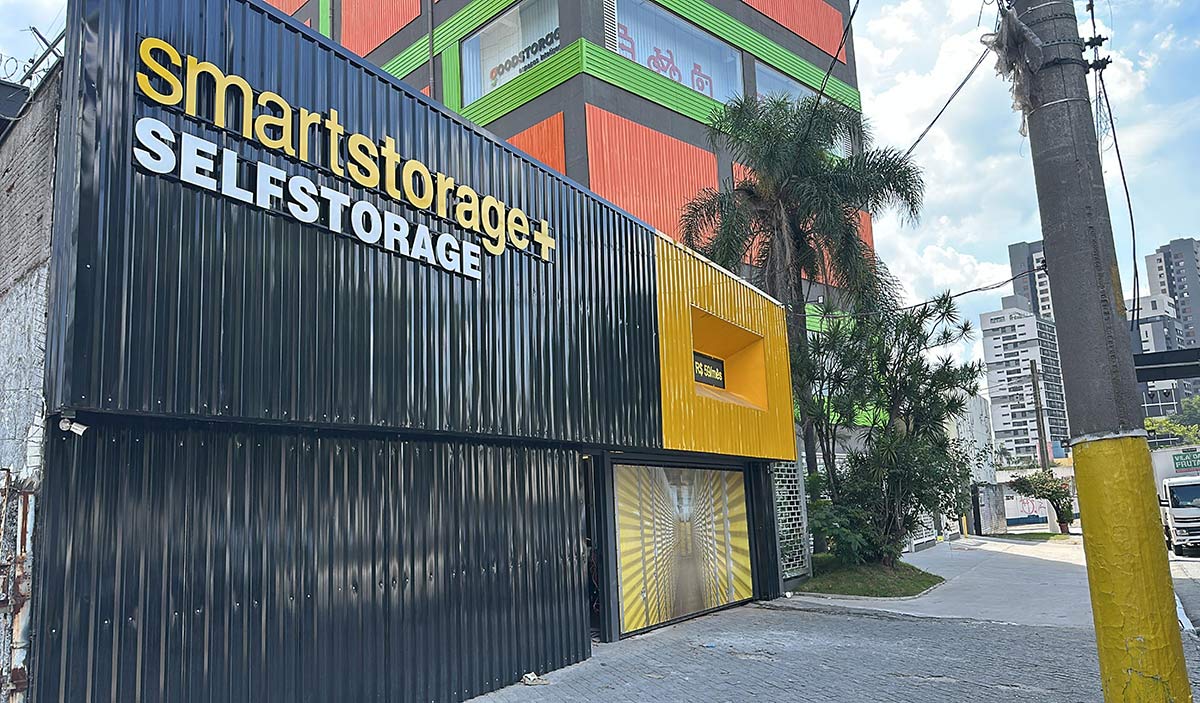
SmartStorage illustrates that mixed approach. Its facilities offer units from about one to 100 square meters for households and businesses. Small spaces may serve apartment residents, while larger ones can support retailers, local businesses, or online sellers. The practical lesson is that unit dimensions cannot be considered alone. Loading access, elevator capacity, corridor width, renter circulation, and the ability to reconfigure partitions determine whether a nominally available unit is genuinely useful. A balanced plan is measured by how the building works after opening, not only by the number of units on a drawing.
The choice of format is also broadening. GoodStorage, an established operator in the São Paulo region, combines conventional self-storage with flexible warehouses and larger urban logistics properties. It reports close to 500,000 square meters of leasable area across those products, so the total is not a measure of self-storage alone. It does show the range of flexible-space demand that a large metropolitan economy can generate.
Existing buildings can offer strong urban locations, but conversion is not simply a matter of installing partitions. Floor loading, ceiling height, fire protection, vehicle access, elevators, circulation, and structural reinforcement can change the economics quickly. A mezzanine may add rentable area, yet its cost and effect on movement must be modeled. SmartStorage has used converted properties in greater São Paulo, where the best lesson has been straightforward: Calculate net rentable area only after the building’s physical and regulatory limits are understood.
Operations then turn a property into a solution. Renters need predictable access, clean common areas, understandable contracts, and confidence that management will respond when something goes wrong. Cameras, access control, and mobile apps can make a facility easier to use, while modular partitions allow the unit mix to evolve. SmartStorage uses round-the-clock camera monitoring, app-based access, and solar power where a property permits it. Technology does not substitute for a visible manager, clear communication, and consistent maintenance.
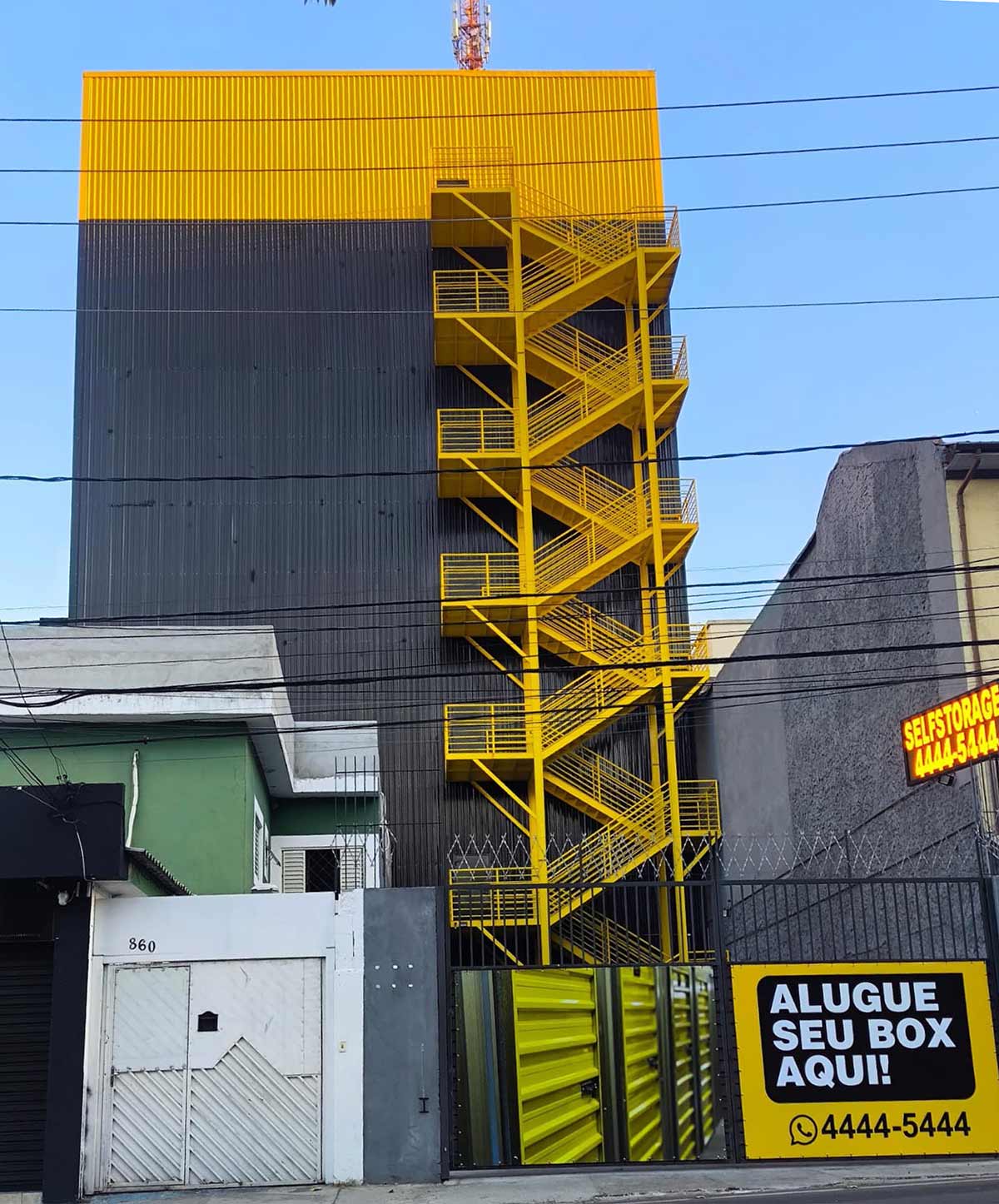
SmartStorage’s experience offers a reference point rather than a national benchmark. The company was founded in 2020; as of September 2026, its network included 13 locations operating or under development, combining company-owned projects with a franchise presence. Completed and planned space exceeded 20,000 square meters, including projects not yet available to rent. Its established facilities have typically reached 85 percent to 90 percent occupancy, although results vary by site and age. A project of approximately 5,000 square meters in the Anhanguera area is planned as its largest facility and reflects the search for sites able to serve both homes and businesses.
Brazil’s company count also points to a fragmented industry. The 383 companies identified in 2025 operated 595 facilities, an average of fewer than two per company. That leaves room for independent owners with close local knowledge, regional groups, and larger platforms. It may also create opportunities for management agreements, acquisitions, and franchising. Franchising can carry operating methods into new cities, but the model does not cure a weak property. The local partner still needs a viable site, sufficient capital, clear standards, and support through the period between construction and stable occupancy.
For investors and operators, the central question is not whether Brazil can add facilities; recent growth has already answered that. The question is where a facility fits within its immediate trade area and how long renters will take to understand it. The strongest projects will connect research with adaptable design, conservative underwriting, and steady local education. In a market where many renters are discovering the category for the first time, trust is an operating asset. A dependable experience creates repeat business, referrals, and a larger market for everyone at a gradual pace.
Brazilian self-storage will probably become more varied as it expands. Some locations will remain primarily residential, others will develop a substantial small-business base, and larger urban-space formats will serve logistics demand that sits beside traditional storage. São Paulo will continue to matter, but growth outside the capital should broaden the industry’s map. The opportunity is substantial because awareness is still developing. Operators who explain the solution well, choose properties carefully, and adapt their unit mix to local evidence can help turn that opportunity into durable demand.