

he self-storage industry offers a range of management strategies, allowing property owners to tailor their approach based on their goals, resources, and desired level of involvement. Whether you choose to self-manage, hire a third-party company for remote management, or engage a third party with on-site management, understanding the nuances of each option is critical to making the right decision for your property. For new owners entering the industry, these choices can feel overwhelming. Knowing what type of management aligns best with your site’s unique needs and your personal goals is essential for long-term success.
For entrepreneurial owners who thrive on active involvement, self-management provides a hands-on approach to running their facilities. This allows owners to control daily operations, interact directly with customers, and oversee financial decisions. However, even highly engaged owners often face challenges such as understanding state laws, keeping operational costs in check, and ensuring compliance with industry regulations. Professional third-party management can alleviate these burdens by leveraging expertise and resources to fill gaps, optimize performance, and support growth.
Choosing between remote or on-site third-party management depends largely on the property’s needs and your level of involvement. Remote management often leverages advanced technology to monitor operations, track finances, and provide customer support without a constant physical presence. This approach can be cost-effective and efficient for owners watching every dollar. On-site management, however, provides a more hands-on approach, with dedicated personnel to manage day-to-day tasks, maintain the property, and ensure consistent customer service. This is particularly beneficial for larger or more complex facilities.
For new owners, it’s common to focus heavily on cutting costs in the beginning. While this is crucial, it’s equally important to prioritize filling your property in a timely manner, keeping expenses under control, following state laws, and obtaining as much professional and accurate education as possible. A slow lease-up phase or missteps in operational management can lead to long-term financial strain, overshadowing any short-term savings.
Third-party management companies often offer valuable services that go beyond operations, such as owner training programs and access to industry expertise. These resources empower owners to remain involved in the business while benefiting from professional guidance. Such training can help you understand your property’s financial performance, navigate operating software, and interpret reports, ensuring you make informed decisions.
This section will explore the key considerations for self-storage management, including the pros and cons of self-management, remote third-party management, and on-site management. It will also emphasize the importance of clear communication, robust training, comprehensive budgeting, and strategic supervision. Whether you’re new to the industry or looking to optimize your existing operations, understanding these options and their implications is crucial to building a thriving self-storage business.
- Delinquency Management – Streamlining the process of handling overdue accounts to reduce losses and maintain consistent cash flow.
- Revenue Management – Implementing dynamic pricing models to optimize rental rates, monitor occupancy by unit type, and adjust rates based on tenant behavior and market trends. This includes regular rate increases, managing online rate strategies, and phasing out discounts to improve profitability.
- Sales, Marketing, and Advertising – Crafting and executing targeted marketing strategies to attract new tenants and retain existing ones.
- Websites and Technology – Collaborating with trusted partners to create intuitive websites, mobile platforms, and apps designed to improve customer convenience and engagement.
- Financial Oversight – Managing profit and loss statements, cash flow analysis, debt servicing, bank reconciliations, and preparing comprehensive financial reports.
- Bill Payment – Handling vendor payments and operational expenses efficiently.
- Human Resources – Hiring, overseeing staffing, payroll, benefits administration, and personnel management.
- Maintenance – Ensuring facilities remain clean, safe, and well-maintained, with proactive scheduling of repairs and upgrades.
- IT Services and Technology Deployment – Implementing cutting-edge software and technology to streamline operations.
- Education and Training – Providing ongoing training for staff to enhance their skills and ensure compliance with best practices.
- Call Centers and Kiosks – Managing customer interactions and offering support through advanced customer service solutions.
- Audits and Compliance – Regularly evaluating operations to ensure adherence to industry standards and internal policies.
- Operating Software and Payment Processing – Managing the deployment of software and systems for efficient operations, including credit card processing.
- Annual Budgeting and Performance Analysis – Preparing budgets, monitoring monthly results, planning for capital expenditures, and maintaining maintenance reserves.
- Special Services – Supporting startups, facility rehabs, and disaster recovery efforts. These special services often involve additional agreements or fees.
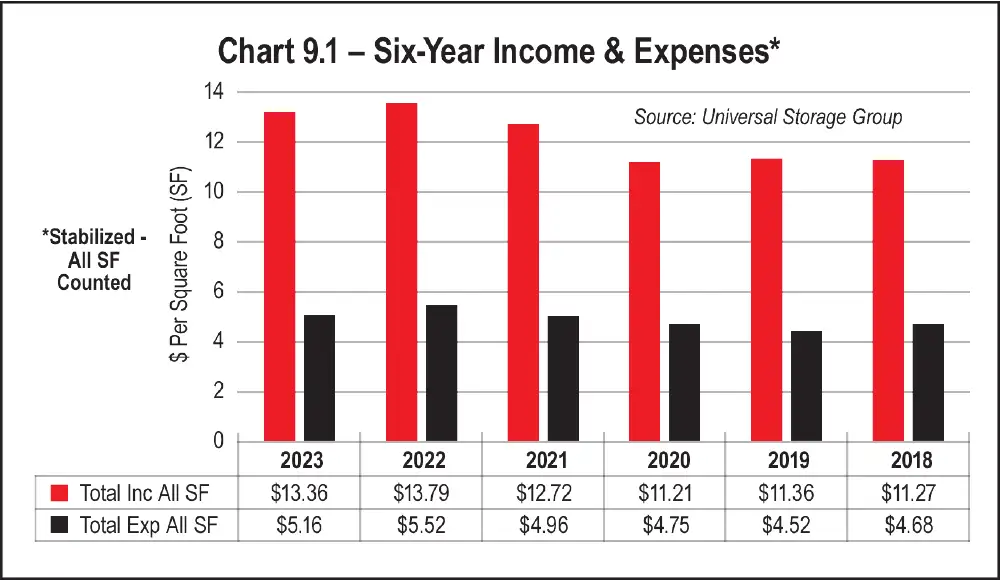
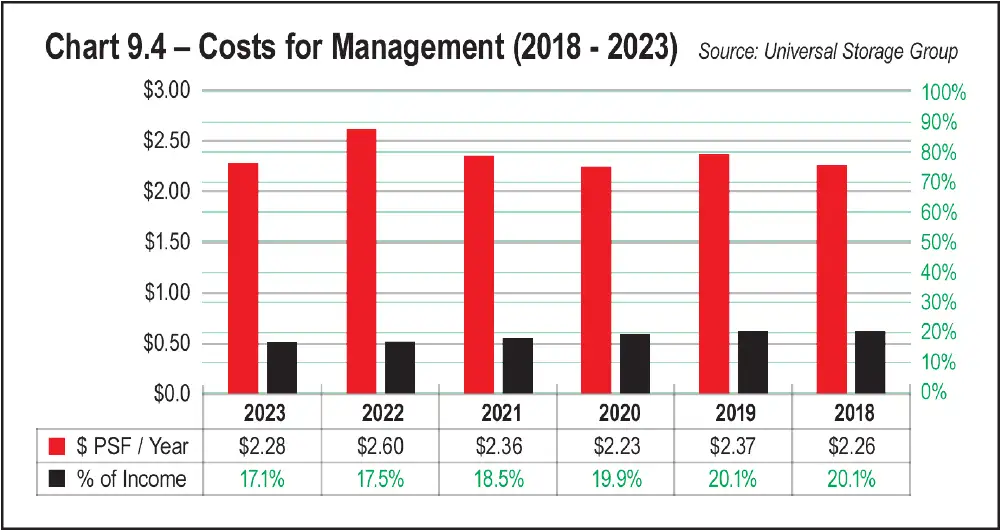
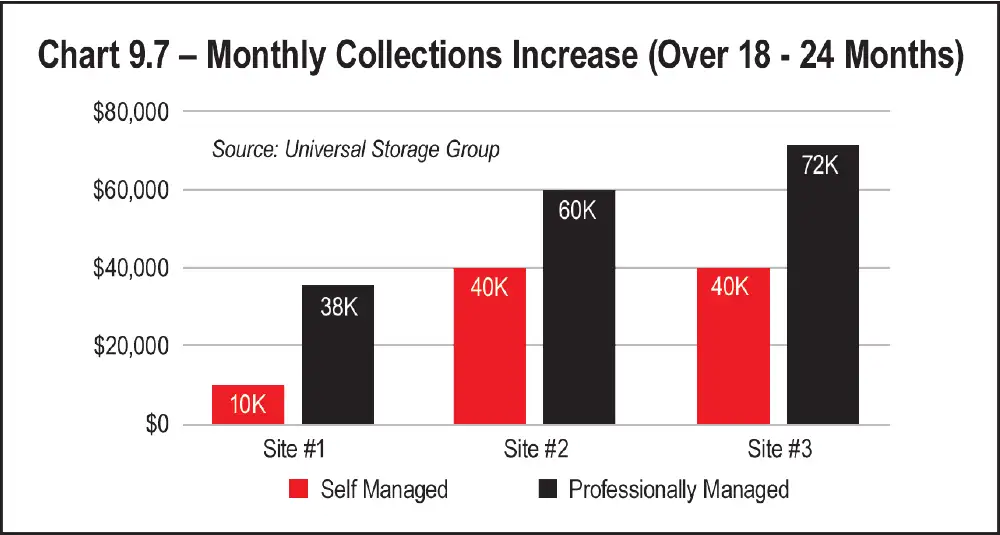
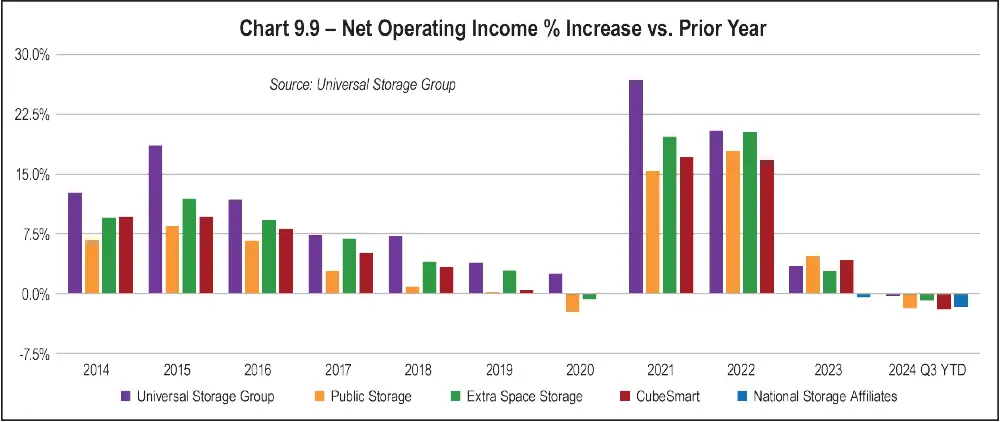
This downward trend reflects the effectiveness of professional management companies in leveraging technology and streamlined processes to maximize income while controlling operational expenses. Owners benefit from a strategic approach that combines expertise, resources, and innovative oversight, ensuring both operational efficiency and profitability.
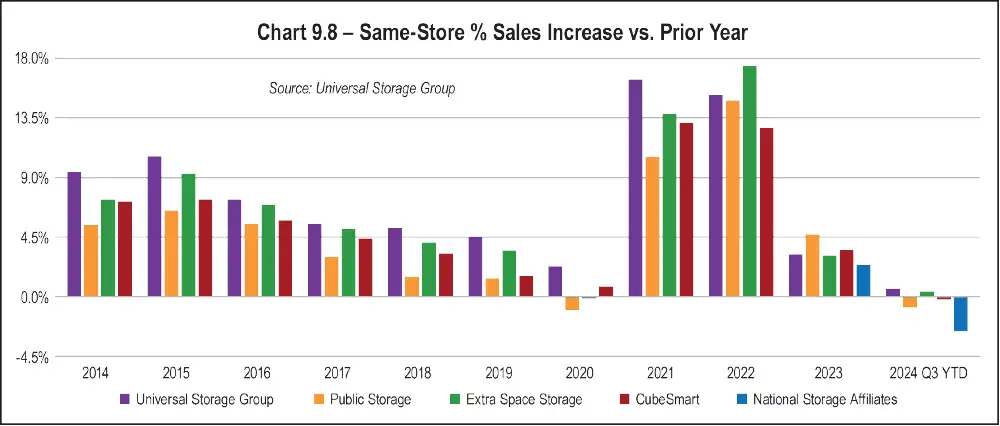
Whether self-managing or partnering with a third-party provider, owners must remain focused on operational excellence and strategic growth to thrive in the ever-changing world of self-storage.
- Minimum Monthly Fees – For facilities in lease-up phases, when occupancy is building, or for smaller locations, management fees typically range between $2,500 to $3,000 per month.
- Percentage-Based Fees – For single-store operations, management fees usually fall around 6 percent of the adjusted gross income per month. These fees are calculated and paid monthly in arrears. For instance, services rendered in January will be reflected in January’s financial statements, which are delivered in February. Payment typically occurs after month-end reconciliations, often around the 10th of the following month.
- Multiple-Store Discounts – For clients managing multiple properties, discounts may apply. In such cases, management fees can drop to as low as 5 percent of gross income.
- Start-Up Fees – Assimilating a new property requires significant upfront effort, including business setup, operating system configuration, accounting preparation (e.g., budgets and projections), and manager training. Start-up fees generally range between $5,000 and $10,000.
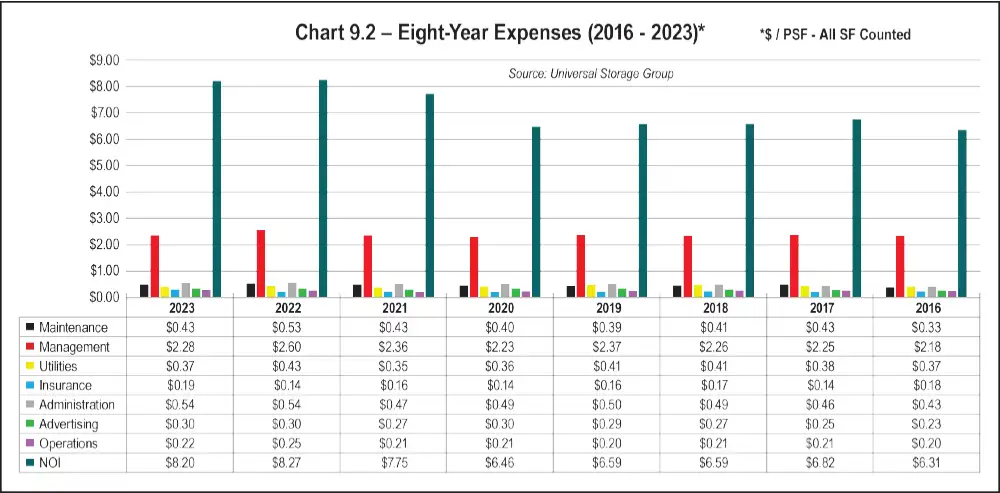
- Advertising Costs – By transitioning from traditional print media to digital marketing channels, operators can reduce advertising expenses while maintaining a community-focused, high-touch marketing presence. Advertising spend is closely tied to digital strategies like pay-per-click (PPC) campaigns, which must be optimized for maximum return. While it’s challenging to compete with Real Estate Investment Trusts (REITs) online, focusing on targeted, smart spending is key.
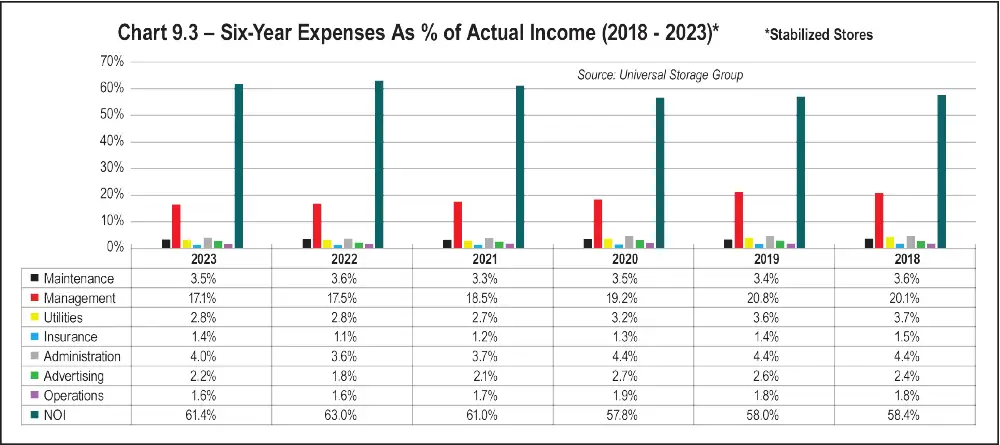
- Expense Trends at Universal Storage Group (USG) – Over the past four years, USG’s expenses as a percentage of income reflect careful cost management.
- 2020: 36.8 percent of income
- 2021: 33.3 percent of income
- 2022: 32.0 percent of income
- 2023: 32.78 percent of income
Advertising costs specifically accounted for 2.2 percent of income in 2023, showcasing the importance of lean, effective marketing strategies.
While REITs may dominate online visibility with larger budgets, independent operators can still thrive by leveraging local expertise, smart marketing, and efficient management practices.
- Bill Payment and Financial Oversight – Management companies handle all store-related expenses, including tax contributions required by law and debt servicing or loan payments as directed by the property owner. Owners may opt to manage tax payments and debt servicing themselves, but they must provide all relevant documentation, including proof of payment and associated records, to the management company. This ensures accurate financial reporting, prevents discrepancies, and supports compliance with budgeting and reconciliation processes.
- Monthly Financial Statements provide a comprehensive overview of a facility’s performance, typically including reconciled bank account statements, budget comparisons to evaluate how actual results align with projections, and year-over-year analyses to track performance trends and identify areas for improvement.
- Annual Budget Preparation is a collaborative process essential for setting income targets, projecting revenue, and estimating monthly expenses categorized for easy tracking. This budget serves as a framework for comparison throughout the year, helping to identify variances and implement necessary adjustments to stay aligned with financial goals.
- Structured Programs – Effective training begins with structured programs that include comprehensive onboarding and extend to ongoing professional development. For instance, Universal Storage Group (USG) utilizes a four-phase training program. Phases One and Two provide a two-week initiation covering operational basics. Phase Three focuses on marketing and social media training to build awareness and engagement; Phase Four trains managers in auction procedures to handle delinquency management effectively.
Ongoing education and recognition are also vital components of a successful training strategy. According to the 2024 LinkedIn Workplace Learning Report, 70 percent of workers believe learning improves their connection to the organization, 80 percent feel it enhances their sense of purpose, and 94 percent say they would stay longer with a company that invests in their careers. Training programs that include awards and recognition further boost morale and retention, fostering a more motivated and capable workforce.
Comprehensive skill development is another critical element of manager training. This includes training in sales techniques for both phone and in-person interactions, marketing strategies that leverage digital platforms and community engagement, and proficiency in reporting and administrative tasks to ensure accuracy and efficiency. Delinquency management is also a focus, with training on effective phone skills for recovering late payments professionally, empathetically, and persuasively. Additionally, managers are trained in technology and software use, including property management systems, and learn the importance of curb appeal and facility auditing to maintain compliance with operational standards.
To further enhance learning and team cohesion, many companies host annual training and recognition events. These events can range from two-day intensive sessions to multiday retreats providing opportunities for skill-building, motivation, and team bonding.
By prioritizing training as an ongoing, multifaceted process, self-storage companies can empower their managers to lead effectively, drive success, and build lasting connections within their teams and communities.
Another significant benefit is improved performance. Managers who are educated and motivated are better equipped to boost occupancy rates, effectively manage delinquencies, and enhance customer satisfaction. These improvements directly contribute to a healthier bottom line, reinforcing the value of investing in comprehensive training programs.
Additionally, training prepares managers for emergency situations by equipping them with the knowledge and tools to handle unexpected challenges. Advanced technologies, such as remote access tools, video doorbells, and cloud-based management systems, enhance their ability to respond quickly to emergencies or operate remotely when necessary, ensuring continuity and security in critical moments.
By focusing on these areas, self-storage operations can harness the full potential of well-trained managers to drive success and maintain resilience in a competitive industry.
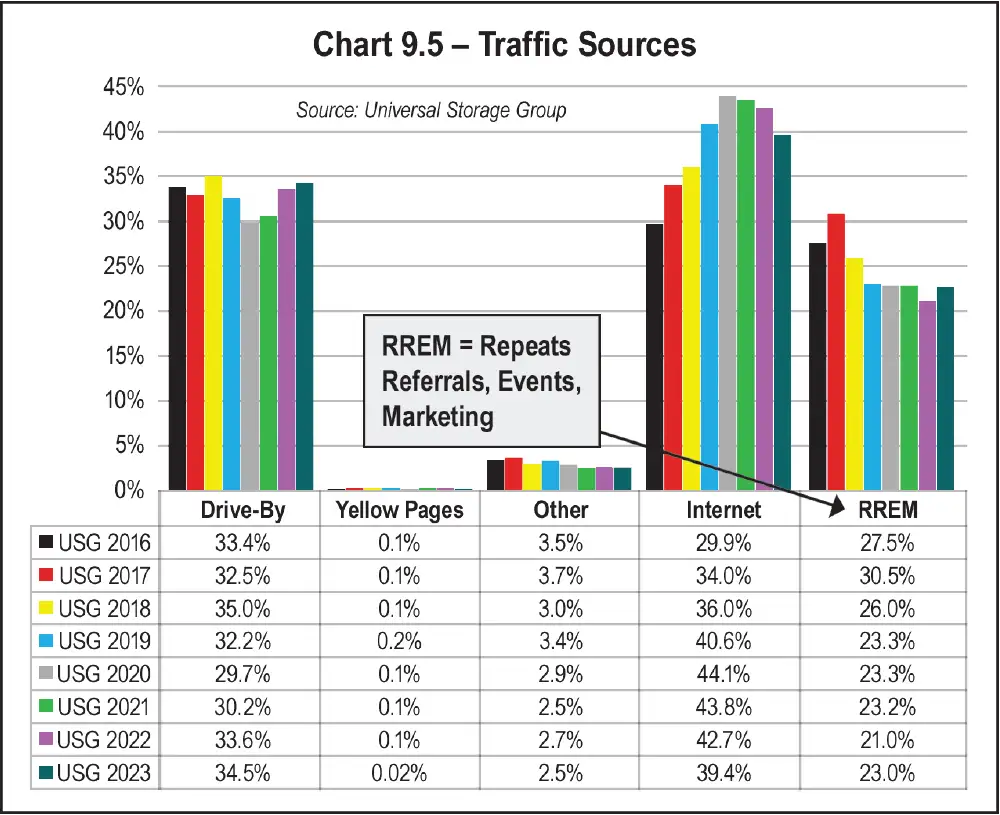
Hiring and training practices are more than operational necessities; they are strategic investments in the success of a self-storage facility. A well-hired and properly trained manager can transform operations, creating a welcoming and efficient environment that attracts and retains customers. By prioritizing comprehensive training and leveraging modern tools, self-storage owners can build strong, resilient teams that drive long-term profitability.
- Billing and Invoicing – Email invoicing for customers is often included as a cost-effective and environmentally friendly solution. However, physical invoicing via traditional mail may come with additional fees, with the costs often passed on to the customer.
- Auctions and Lien Sales – Most management companies handle auctions through online storage auction platforms; they have become the industry standard and are typically included in your management fees. However, any fees charged by the auction platform are typically billed back to the owner.
- Marketing and Branding – Comprehensive marketing plans aimed at maximizing visibility and customer engagement are typically included. However, branding-related updates, such as customized signage, color schemes, or painting, may incur extra charges. If the management company operates sites under their own flagship brand, additional costs like licensing or franchise fees might also apply.
- Pre-Opening and Development Support – Standard services include initial guidance on marketing plans, operational systems, and staff hiring for new sites, as well as “Coming Soon” banners with reservation capabilities and pre-leasing strategies. Additional involvement in site planning and design, such as unit mix optimization, office layout planning, QR code integration to reduce signage costs, custom five-year budgets, furniture procurement, and promotional materials, may result in extra fees.
- Construction Oversight and Rehabilitation – During construction or renovation, low monthly minimum fees are often included to help offset initial expenses while maintaining professional oversight. More comprehensive oversight of construction projects or major rehabilitation work, ensuring projects remain on schedule and meet quality standards, may come at an additional cost.
- Technology Integration – Assistance with integrating operational systems, such as access control and property management software, is typically included. However, custom configurations or additional technology solutions tailored to specific owner needs may involve extra charges.
- Annual and Ongoing Operations – Services such as manager hiring, ongoing training programs, and standardized operations across all sites are usually included to ensure efficiency and consistency. Additional costs may apply for initial training programs for new managers, covering comprehensive onboarding and specialized training sessions. Enhanced services like annual retreats, specialized training events, or team recognition programs designed to motivate and retain staff may also incur extra fees.
By understanding the scope of included services and potential additional costs, self-storage owners can make informed decisions and align their expectations with their management company’s offerings.
Whether the services are included or require additional fees, professional management is a strategic investment in the success of your self-storage business. A clear understanding of what is provided allows owners and management companies to budget effectively and focus on the services that will bring the most value. By collaborating closely with an experienced management team, self-storage owners can achieve operational excellence, streamline processes, and maximize profitability.
- Start-Up Contracts are tailored for new self-storage developments, ensuring the management company oversees all aspects of opening the facility. This includes manager hiring and training, creating and implementing marketing and promotional plans, developing budgets, integrating operational systems such as access control and property management software, and pre-leasing strategies to build occupancy before opening day. These contracts typically cover the pre-opening phase and the first few months of operations, providing a seamless transition to steady operations.
- Due Diligence Contracts are designed for prospective buyers evaluating the purchase of an existing facility. Management companies offering these short-term contracts conduct in-depth analyses of the facility’s financial performance and operational health, identify improvement opportunities or risks, and provide a comprehensive report to guide the buyer’s decision. Fees for these services generally range from $5,000 to $15,000, depending on the property’s size, age, and complexity.
- Feasibility Studies are a crucial step for self-storage owners considering the development of a new facility. These studies provide a comprehensive evaluation of market demand, competition, and other key factors to determine whether a project is viable and financially sound. The cost of a feasibility study generally aligns with that of due diligence contracts, with pricing varying based on the scope of the project and the complexity of the target market. It’s important to understand the distinction between a feasibility study and a market study. While both provide valuable insights, feasibility studies offer a more detailed analysis of overall project viability, which is often required by banks and lenders as part of the financing process. For any owner exploring new opportunities, a thorough feasibility study can lay the groundwork for a successful and profitable development.
- REO and Bank Management Contracts address the specific needs of managing facilities for banks or real estate owned (REO) properties. These contracts often involve higher fees due to the flexibility and unique operational requirements, focusing on maximizing value for lenders while maintaining operational stability.
To accommodate unique circumstances, many management companies offer tailored terms for custom agreements. These could include shorter initial terms with the option to extend after an evaluation period, contracts designed for significant renovations or expansions, or flexible agreements for owners uncertain about long-term management needs. These tailored options often come at a premium due to the added complexity or reduced contract length.
When considering management agreements, it’s crucial to thoroughly review your options, discuss terms with the management company, and ensure the agreement aligns with your specific goals. Whether you’re opening a new facility, acquiring an existing one, or managing a property under unique circumstances, the right management partner can significantly impact your success.
While monthly on-site visits are the industry standard for most management companies, advancements in remote supervision and customized oversight options have introduced greater flexibility. These innovations allow owners to adapt management strategies to meet the unique demands of their properties while balancing cost efficiency.
On-site visits typically include essential tasks such as auditing financial records, daily deposit logs, and operational reports to ensure accuracy and compliance. They also involve thorough site inspections to maintain curb appeal, identify maintenance issues, and assess the property’s overall condition. Monthly performance reviews are another critical aspect, focusing on analyzing income and expense reports to evaluate success and identify areas for improvement.
- Weekly supervision is ideal for owners who require more frequent oversight, such as during lease-up periods or for underperforming properties. Weekly visits involve detailed and consistent monitoring, offering a higher level of involvement to address challenges proactively. However, this option often comes with higher management fees to account for the increased time and travel expenses.
- Quarterly supervision is a cost-effective alternative offered by some management companies. This option reduces on-site presence by scheduling inspections every three months, appealing to owners seeking to minimize expenses. However, the reduced frequency may result in slower response times to potential issues and fewer opportunities for hands-on training with managers, which can impact overall performance.
- Daily oversight through technology provides a modern approach to maintaining control without frequent physical visits. Most management companies perform daily audits of income and deposits remotely, ensuring financial accuracy and security. Managers play a key role in this process by closing, balancing, and depositing funds daily to streamline accounting and reduce risks. Additionally, they use online tools and software to provide real-time reporting to the home office, ensuring continuous oversight and operational efficiency.
These flexible supervision options allow owners to choose the level of involvement that aligns with their property’s needs, operational goals, and budget, ensuring a tailored approach to effective management.
Striking the right balance between hands-on management and remote oversight is essential for ensuring self-storage properties operate efficiently and profitably. By understanding the benefits of tailored supervision and the available options, owners can align their operational goals with their budget, ensuring long-term success.
- Online manager training allows companies to conduct remote sessions where managers and home office staff interact face to face using existing store hardware, such as webcams and audio systems. This approach provides immediate feedback and support while significantly reducing travel costs.
- Instant communication tools such as video conferencing, cloud-based property management software, and remote monitoring systems ensure that home office staff stay connected with on-site managers. These tools allow real-time issue resolution, improving efficiency and responsiveness to operational challenges.
- Automated oversight takes monitoring to the next level with systems for access control, security cameras, and software notifications that track daily operations remotely. These systems can send alerts for unusual access activity, automate tracking of delinquent accounts, and issue payment reminders, ensuring smooth and secure operations without constant physical oversight.
These technological advancements not only reduce costs but also enhance the effectiveness and responsiveness of management practices, offering owners and managers the tools needed to maintain operational excellence.
- Notice requirements are a fundamental element of most agreements, with the standard being a 60-day notice for termination without cause by either party. Some contracts offer greater flexibility with a 30-day notice period. Confirming the notice requirements in your contract and understanding any associated conditions is essential for clarity and preparation.
- Termination for cause is another critical provision included in many contracts. This allows for immediate termination in cases such as a breach of contract or gross mismanagement, typically giving the offending party an opportunity to resolve the issue before termination takes effect. Ensuring these terms are clearly defined and equitable is vital when reviewing the agreement.
- Early termination penalties may also come into play, with some contracts requiring payment of at least 12 months of management fees, even if the termination occurs earlier. Owners must be aware of these potential financial obligations to make informed decisions.
Not all agreements allow for termination without cause; some require a justifiable reason, which can complicate ending the relationship if problems arise. Reviewing this clause carefully can help avoid unexpected challenges down the road.
Finally, access to software and data is a crucial consideration when transitioning to a new management company. Ensuring you are the licensed user of the software will facilitate a seamless conversion to a new system. Retaining ownership of your data and access to the platform is critical for maintaining operational continuity during the transition.
By thoroughly understanding these termination considerations, owners can better safeguard their interests and navigate transitions effectively. Proper preparation and clarity not only ensure a smoother process in the event of termination but also foster a stronger, more transparent relationship between owners and management companies.
Protecting your data is another critical aspect. Ensure the agreement explicitly states that you retain ownership of all operational data and have full access to it upon termination. This provision safeguards against disruptions during the transition to a new management company, preserving the continuity of your operations.
Additionally, confirm the details of the time-to-cure provisions for cause-based termination. These terms should allow fair treatment for both parties by providing reasonable time for the offending party to address and resolve any issues before termination takes effect.
Understanding the conditions for termination is a vital component of any management agreement. By thoroughly reviewing and negotiating these terms upfront, owners can protect their interests and ensure a smooth transition if the partnership ends. Like any important relationship, clarity and preparation are essential to minimizing potential conflicts and safeguarding your self-storage investment.
When evaluating disputes and governance in management agreements, there are several key points to consider. First, dispute resolution clauses should be reviewed to ensure they include clear language about how disputes will be resolved. Common options include mediation, arbitration, or litigation. It is essential to understand where the contract is governed, as this specifies the jurisdiction and laws applicable in case of disputes. Additionally, preferred methods for resolution, such as mediation or arbitration, are often favored due to their efficiency and cost-effectiveness compared to court proceedings.
Second, spending limits and emergency situations must be clearly defined. Management contracts typically outline spending thresholds, specifying what management can spend without the owner’s direct approval. For example, routine expenses may have a predefined limit, such as $1,000. In contrast, emergency expenditures related to repairs or safety concerns might allow for greater flexibility to protect the property and its operations. Clear definitions of what constitutes an emergency and the associated spending caps are crucial for preventing future conflicts.
Lastly, the alignment with business goals is vital. A third-party management company should function as a true operating partner and an extension of the owner’s business. This relationship thrives when the management company has a clear understanding of the owner’s objectives and tailors its approach to achieve or exceed these goals. Owners should explicitly communicate their long-term plans, such as whether the property is intended to generate income or be sold after increasing its value. Exit strategies, such as plans to develop and sell the property within a specific timeframe (e.g., five years), should also be shared to ensure alignment between both parties.
This approach works effectively for several reasons. First, it avoids manager overload by preventing store managers from feeling overwhelmed by directives from multiple “bosses,” which can lead to frustration or disengagement. A unified communication channel ensures that managers receive clear, actionable instructions from a single source—the management company. Second, it streamlines decision-making by filtering all decisions through the management company, which can assess feasibility, communicate effectively, and maintain alignment with operational goals. Lastly, it allows managers to stay focused on their primary responsibilities, such as operating the store and serving customers, without being distracted by conflicting requests or administrative confusion. This structure not only enhances operational efficiency but also contributes to a positive working environment for all involved.
The annual budget is a critical tool for the success of a self-storage business, providing clear targets and a structured approach to financial planning. It outlines agreed-upon objectives for revenue generation, operational costs, and leasing activity, serving as a roadmap for the year. By establishing these targets upfront, the budget eliminates the need for frequent adjustments throughout the year, ensuring focus and consistency.
At Universal Storage Group (USG), the budget preparation process is thorough and begins well in advance, with budgets typically ready by November for the upcoming year. This process involves several key steps to ensure accuracy and alignment. First, budgets are reviewed internally by the area manager, COO, and CEO to ensure they are comprehensive and realistic. Once finalized, the budgets are presented to owners and reviewed in detail. This collaborative approach ensures that owners fully understand and agree with every dollar allocated, fostering transparency and trust. USG avoids vague or undefined categories in its budgets; there are no “miscellaneous” or ambiguous line items. Every expense is clearly accounted for, reflecting a meticulous and professional approach.
An often overlooked but essential step in the budgeting process is sharing the budget with on-site managers. Managers play a pivotal role in controlling expenses, achieving revenue targets, and staying within budgetary limits. Without a clear understanding of the year’s goals, they cannot effectively contribute to the business’ success. Simply instructing managers to “do good this month” or “try hard this year” is insufficient. Providing managers with specific, measurable goals aligns them with the broader strategy and empowers them to perform effectively. A well-communicated budget ensures that everyone is working toward the same objectives, creating a unified and productive team.
Open communication is equally vital in ensuring collaboration. Owners should follow the agreed-upon flow of communication to share ideas, concerns, or objectives with the management company. This approach allows for the seamless relay of both positive observations and areas needing improvement, enabling the management team to craft clear action plans and work with on-site managers to implement necessary changes. A collaborative and communicative relationship ensures a smooth flow of information, resulting in measurable operational improvements and a more successful partnership.
For collaborative owners, third-party management offers a natural partnership. This setup allows you to work closely with the management firm to achieve shared goals while they handle the operational workload, creating a productive and balanced relationship. On the other hand, if you are a micro-manager who prefers to oversee every detail personally, third-party management can be either a challenge or a blessing. While it provides relief from managing multiple operational fronts simultaneously, excessive micromanagement can strain the relationship. Being clear about your needs and expectations from the outset is essential in determining whether third-party management aligns with your approach and goals.
This honesty and objectivity can provide valuable insights, recommend actionable improvements, and give you an unbiased perspective on your operations. Consultants are especially beneficial for owners considering transitioning to third-party management or seeking ways to optimize existing systems. By partnering with a management firm, maintaining open communication, and aligning on goals, you can create a harmonious relationship that maximizes income and minimizes stress. Whether you’re looking for full-service management or simply seeking expert advice, the right level of involvement can lead to measurable improvements and a more successful operation.
Industry involvement is another key factor to consider. A management company that actively participates in state and national self-storage associations demonstrates a commitment to upholding industry standards and fostering professional development. Companies that contribute to the industry by writing articles, offering training, or speaking at national conventions show leadership and dedication to staying ahead of trends and technologies that can directly benefit your business.
Interviewing the company’s current clients provides firsthand insights into their performance and reliability. Speak with owners who operate facilities of similar size or scope and ask about key performance indicators, such as improvements in operations, cost reduction, increased income and occupancy rates, enhanced marketing efforts, and the consistency of reporting. Additionally, inquire about their experiences with communication, responsiveness, and problem-solving. These conversations can reveal how effectively the management company delivers on its promises and handles challenges.
By thoroughly evaluating references, you can make a well-informed decision and choose a management company that aligns with your goals, demonstrates a proven track record, and delivers meaningful results for your self-storage business.
Customization options are another important consideration. If you require specialized formats or reports, it’s crucial to discuss these needs during the negotiation phase. While many self-storage operating systems offer a variety of standard reports, customizations may come with additional fees or increase start-up costs, so clarifying these details upfront is essential.
Lastly, evaluate the accessibility of data provided by the management company. Modern web-based operating systems typically allow owners to access real-time data and generate reports from anywhere, providing transparency and convenience. Confirm whether additional reports or custom data requests are included in the service or if they incur extra costs. By thoroughly reviewing and understanding the sample exhibits, you can ensure the financial tools and reporting align with your needs, fostering a smooth and productive working relationship with your management company.
Emergency procedures should also be clearly outlined in the contract, specifying situations that require immediate notification of the owner and detailing how these communications will occur. These protocols ensure that owners are promptly informed of critical issues affecting their property.
Sample exhibits are more than just attachments; they provide a snapshot of the information and support you can expect from your management company. Reviewing these documents thoroughly, discussing unique reporting needs, and ensuring transparency in access and frequency are essential steps in establishing a productive and collaborative partnership. Clear expectations around reporting will equip you with the insights needed to make informed decisions and keep your self-storage operations running smoothly.
Owner training programs are designed to ensure property owners are well-prepared to engage actively in the management of their facilities. These programs often feature classes and workshops aimed at familiarizing owners with the tools and reports used in daily operations. Training sessions may cover essential topics such as navigating operating software, generating key reports, and identifying critical performance indicators that influence the property’s success. Additionally, owners often receive specialized reporting tailored to highlight specific aspects of their property’s performance. Training ensures that owners can interpret these reports effectively, using the insights to guide their decision-making and strategic planning.
Moreover, training strengthens communication between owners and management companies. A shared understanding of reports and data fosters clearer alignment on goals and expectations, enhancing the partnership. Finally, owner training provides enhanced operational insights, enabling owners to spot trends and potential issues that could impact their bottom line. With this knowledge, owners can implement proactive solutions rather than reactive measures, safeguarding their property’s long-term success.
By investing in owner training, self-storage owners not only gain valuable skills but also establish a stronger, more collaborative relationship with their management team, ensuring the continued growth and profitability of their business.
Owner training is a vital resource for maximizing the value of your self-storage investment. By gaining a clear understanding of the tools, reports, and data that influence your operations, you’ll be better equipped to collaborate effectively with your management company and make well-informed decisions that drive success.
Third-party managers also provide expertise in legal requirements and regulations, helping owners navigate complex compliance issues while reducing liability. They often require customer storage insurance and implement robust standard operating procedures, further protecting owners from risks. Owners gain immediate access to national-level expertise, innovative sources of ancillary income, and a fresh, independent perspective to tackle critical business decisions.
With extensive experience in human resources, legal matters, and property insurance, these companies deliver value in areas that significantly impact profitability and operations. Owners should expect third-party managers to improve property performance through strategies that contribute directly to the bottom line. Beyond operational efficiency, the best management firms bring an owner’s mindset to the table, developing customized strategies aligned with the owner’s business goals. By leveraging these benefits, self-storage owners can achieve sustainable growth, reduced risk, and increased profitability.
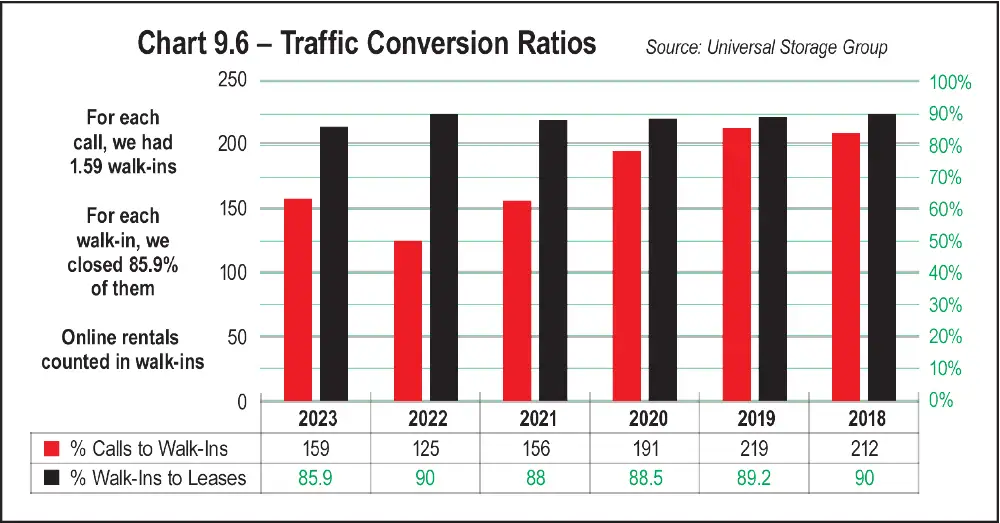
Achieving operational excellence requires daily attention to detail. Tracking calls, walk-ins, and conversion rates while responding promptly to web inquiries can significantly enhance customer acquisition and retention. Consistency through well-defined standard operating procedures ensures exceptional service and convenience, benefiting both owners and tenants.
Whether independently operated or managed by a professional firm, self-storage businesses that prioritize these principles will thrive. By combining customer-centric practices with a focus on operational efficiency, operators can create positive rental experiences, drive growth, and position their properties for long-term success.