

arketing in the self-storage industry has evolved dramatically, transforming into a blend of science, art, and heart. Today’s operators face a rapidly shifting landscape where competition is fierce, customer expectations are higher than ever, and the digital age has created endless opportunities to connect with renters. Whether you’re a seasoned owner, a manager, or brand new to the industry, effective marketing isn’t just a business strategy—it’s a lifeline for building relationships, creating trust, and securing long-term success.
The good news: You don’t need a huge budget or a marketing degree to win. With a thoughtful, proactive approach, every operator can elevate their facility’s visibility, reputation, and occupancy.

But what exactly is marketing, and what is it for? Simply put, marketing is the bridge between your business and your potential customers. It’s how you communicate who you are, what you offer, and why you’re the best choice and value for their storage needs. Marketing helps define your brand, generate awareness, attract leads, and nurture long-term customer relationships. It’s the key to ensuring your facility isn’t just seen but remembered and chosen.
- Awareness – Making sure potential renters know your facility exists and understand your unique offerings.
- Connection – Engaging with your audience in a way that feels organic, personal, and meaningful.
- Credibility – Establishing trust and confidence in your ability to meet their needs.
- Growth – Increasing occupancy, retaining customers, and maximizing revenue.
At its core, self-storage marketing serves two key purposes:
- To ensure that when someone in your area needs storage, your facility is the first one that comes to mind.
- To make your renters feel confident they’ve chosen the best possible solution for their needs.
Remember: Marketing isn’t just a task. It’s an investment in the success of your business and your role in your community.
Digital Marketing
- Websites, SEO, and PPC campaigns
- Social media platforms for engagement and brand visibility
- Email marketing to stay connected with leads and customers
- Physical visits to local businesses
- Partnerships with local businesses and organizations
- Face-to-face interactions to build trust and relationships
- Facility appearance and signage
- Community involvement through events and sponsorships
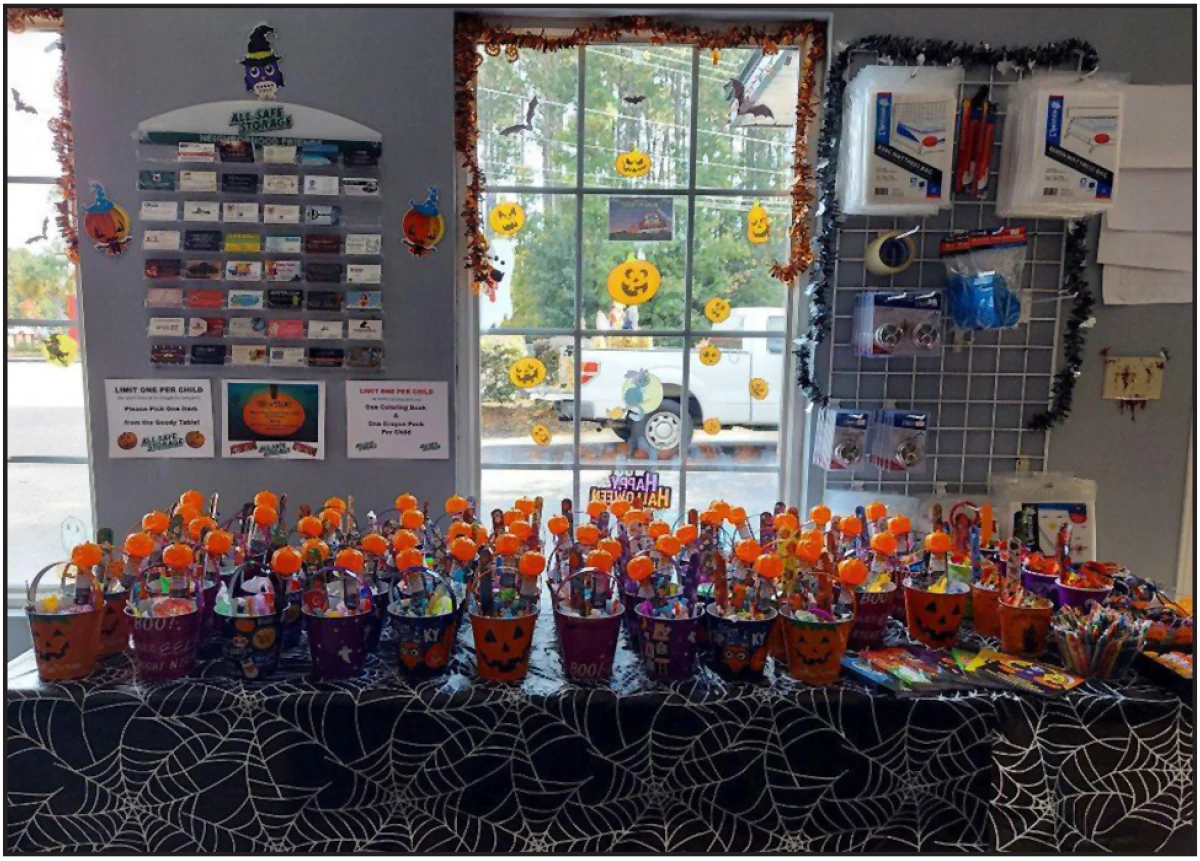
- In-house events that bring the community to your doorstep
- Collaborations with realtors, moving companies, and local businesses
- Reciprocal referral programs, even with competitors, to maximize reach
- Analyzing traffic sources and demographics to refine strategies
- Measuring key performance indicators (KPIs) like Cost Per Lease (CPL) and occupancy trends
- Tailoring campaigns based on insights to optimize results
Each type of marketing works together to form a cohesive, powerful approach to reaching and serving your customers. Whether you’re running a single facility or a portfolio of properties, these strategies will help ensure your success in 2025 and beyond.
By the end of this section, you’ll have the tools, insights, and confidence to elevate your marketing game and your facility’s performance. Let’s dive in!

Your website is your 24/7 salesperson, and it must make a strong first impression. A professional, well-designed website provides functionality, clarity, and visual appeal, guiding visitors effortlessly from inquiry to rental.
Why use a professional? Website designers specializing in self-storage understand industry needs and customer expectations. They’ll ensure your site includes essential features such as:
- Online rentals, reservations, and payments
- Unit availability updates synced with your software
- Professional-grade photos and videos showcasing your facility’s best features
- SEO optimization so your facility ranks high in search engine results
PPC Campaigns
Pay-per-click (PPC) advertising is essential to support your website. A well-structured PPC program ensures your facility appears at the top of search results when potential renters are actively searching for storage. Combine targeted keywords (e.g., “storage near [city]”) with compelling ad copy and a clear call to action to maximize clicks and conversions.
Tip: Consulting with a professional ensures seamless integration with your operational software, optimal SEO, and a competitive PPC strategy.
Social Media
Social media is one of the most versatile tools for engaging your community and expanding your reach. However, success depends on targeting the right platform for your audience.
- Facebook is ideal for engaging with local communities and promoting events. Use it to share customer testimonials, facility updates, and photos of community involvement.
- Instagram is best for visual storytelling, appealing to younger demographics with eye-catching photos and short videos. Post images of your facility, local partnerships, and seasonal promotions.
- TikTok is perfect for fun, relatable videos showcasing your staff, quirky storage tips, or behind-the-scenes glimpses of daily operations.
- LinkedIn is useful for connecting with business professionals, including realtors, moving companies, and local contractors. Highlight features like contractor bays, climate-controlled units, and partnerships.
Tip: Stay authentic. A quick, heartfelt video about your participation in a local charity event can have more impact than a highly polished ad.
Email marketing remains one of the most cost-effective and impactful ways to consistenly and directly connect with your audience. However, its effectiveness hinges on the quality of your email distribution list and the relevance of your content.
Building organic email lists is key. Your email lists should grow naturally from the contacts you’re already making. This includes:
- Current tenants
- Past tenants who may need storage again
- People who inquire about your services
- Contacts you’ve made during physical visits to local businesses and both on-site and off-site events
Avoid purchasing email lists. Purchased email lists might seem like a shortcut, but they often include people outside your target market. These recipients may not know who you are, find your content irrelevant, or even mark your emails as spam. Building your list organically ensures your audience is familiar with your brand and genuinely interested in your services.
Create content tailored to your audience and focus your email campaigns on providing value. Examples include:
- Promotional Emails – Highlight seasonal specials, referral programs, or limited-time discounts.
- Informative Updates – Share stories from events, community involvement, or testimonials from satisfied renters.
- Retention Emails – Send reminders for payments, rental anniversaries, or suggestions for unit upgrades.
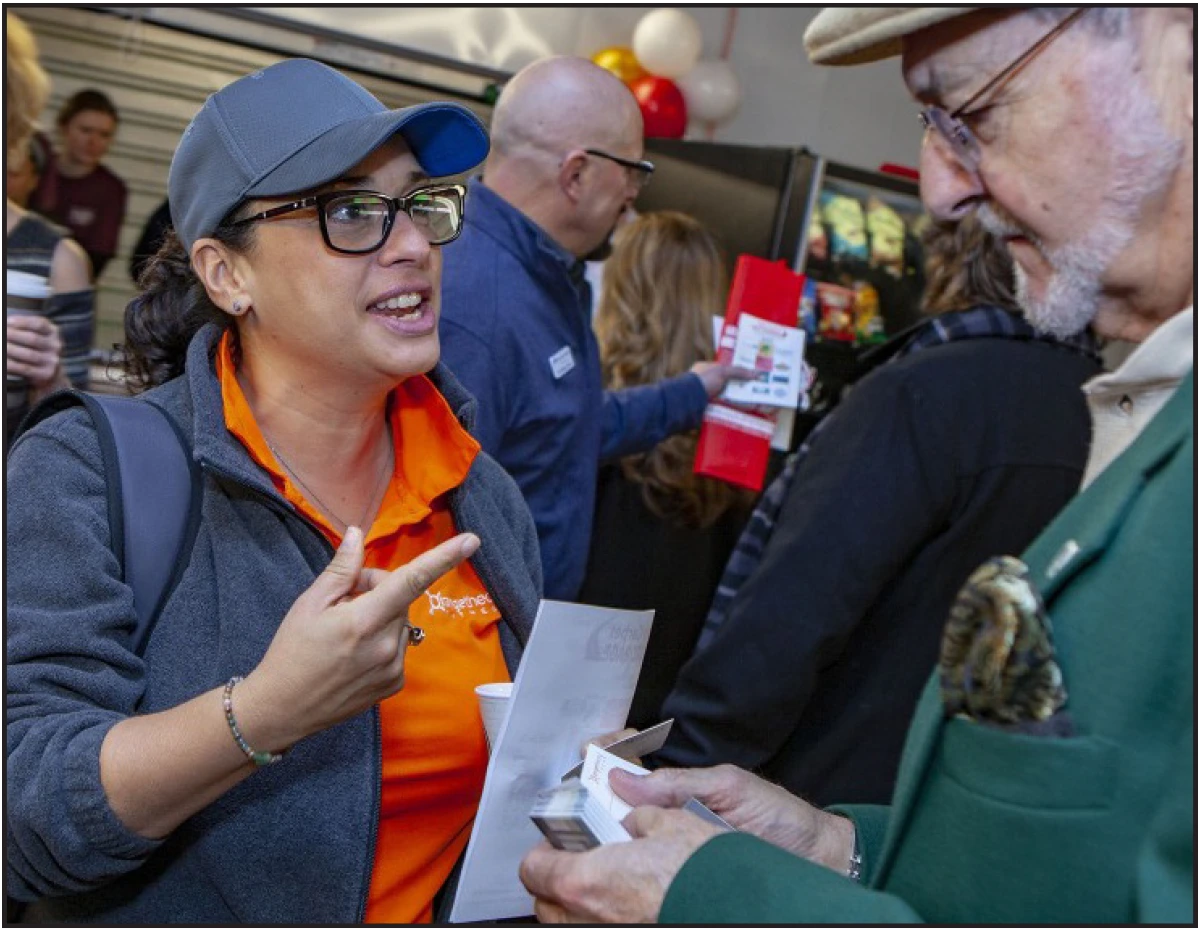
One of the most effective grassroots marketing strategies is physically visiting businesses within your 5- to 10-mile market to introduce yourself and your facility. This direct approach allows you to build personal relationships, establish trust, and invite these businesses to tour your property. Here are some tips for visits:
- Always bring something three dimensional to leave behind, such as branded promotional items, referral cards, or even small snacks with your logo.
- Collect contact information from the person you meet, such as a business card or email, so you can follow up and add them to your email list.
- Tailor your visits to businesses that align with your current unit availability. For example, visit contractors if you have large units available or offices if you have climate-controlled units that could store documents or equipment.
- If stepping out into the community feels overwhelming, start small. Visit one local business a week. Drop off a goodie, introduce yourself, and leave a card. It doesn’t have to be perfect; it just has to be consistent.
On-Site Events
Events are a fantastic way to bring traffic to your facility and create buzz. Here are some proven ideas to inspire you:
- Seasonal Celebrations – Host a pumpkin patch in the fall, an egg hunt for Easter, or photos with Santa in December.
- Charity Fundraisers – Collaborate with local nonprofits to organize events like food drives, pet adoption days, toy drives, or blood drives.
- Small Business Showcases – Invite local entrepreneurs to set up booths at your facility for a community market.
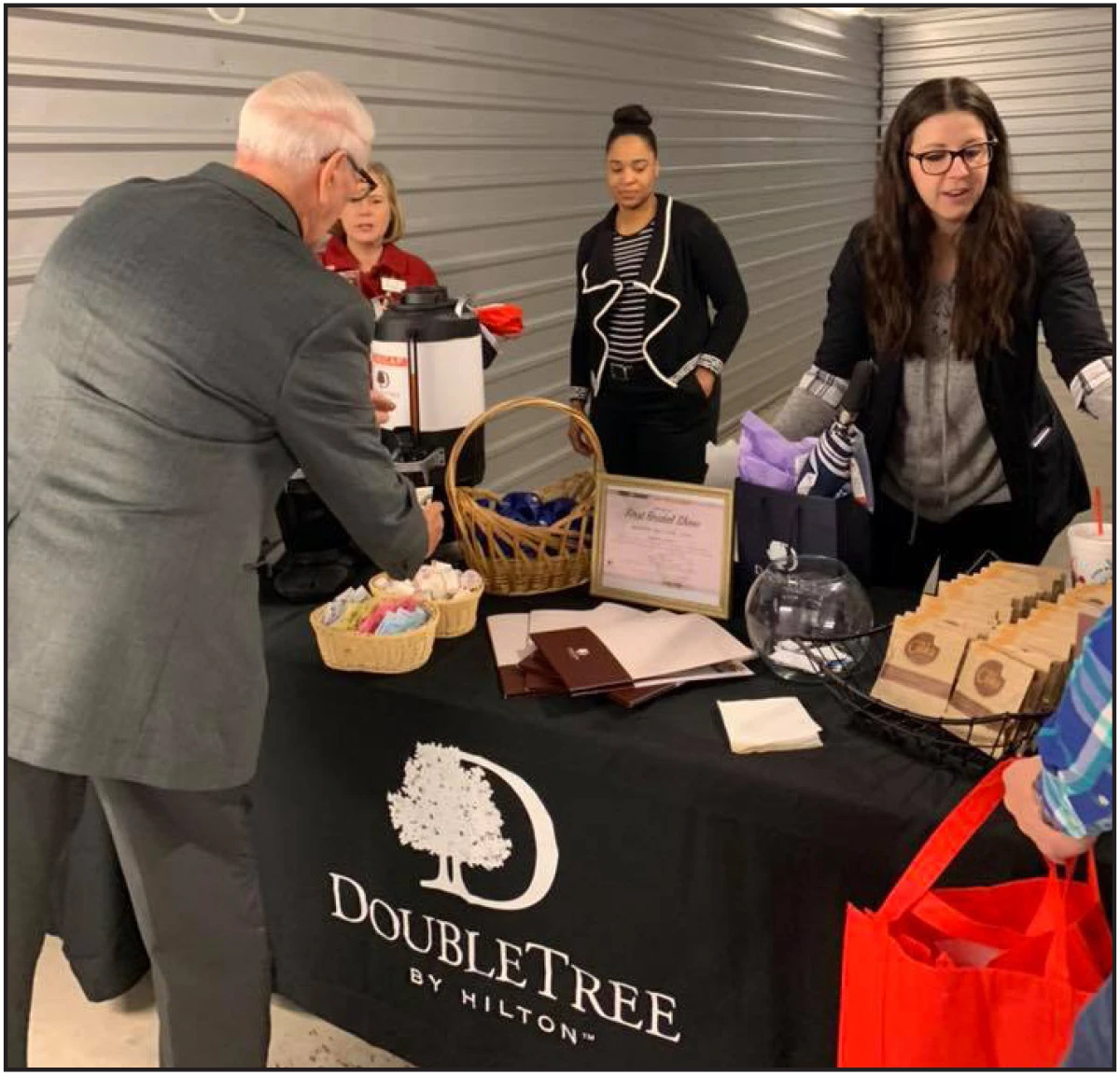
- Networking Mixers – Partner with your chamber of commerce to host business after-hours events.
Here are some tips for hosting successful events:
- Plan – Give yourself at least 90 to 120 days to organize and promote your event.
- Leverage Local Partners – Collaborate with businesses, schools, or nonprofits to share costs and broaden your reach.
- Host Throughout Your Facility – Don’t limit your event to the office. Showcase the cleanliness of your units, highlight unique features like climate control, and guide attendees through the property so they can see what you’re selling.
- Use Door Prizes and Giveaways – Encourage attendees to register for door prizes or giveaways. This not only makes your event more enticing but also helps you collect valuable contact information for ongoing marketing efforts.
For instance, partners like realtors and moving companies should be offered a direct referral fee (cash, not rental credits). This is a clear financial incentive that motivates them to recommend your facility.
As for your competition, maintain friendly relationships with other operators. Refer customers their way when they have what you don’t (and vice versa), creating a mutually beneficial arrangement.
Tip: Make your referral program available to everyone (current customers, businesses, and even casual acquaintances). Keep it simple and easy to track.
- Demographics – Understand who your customers are (e.g., families, students, small businesses) and cater your messaging to their needs.
- Unit Availability – If you have an abundance of a certain unit size, target businesses or individuals most likely to need those units (e.g., contractors for large units and college students for smaller ones).
- KPIs – Metrics like cost per lease (CPL), lead sources, and occupancy trends help refine your marketing strategy and ensure your efforts align with your goals.
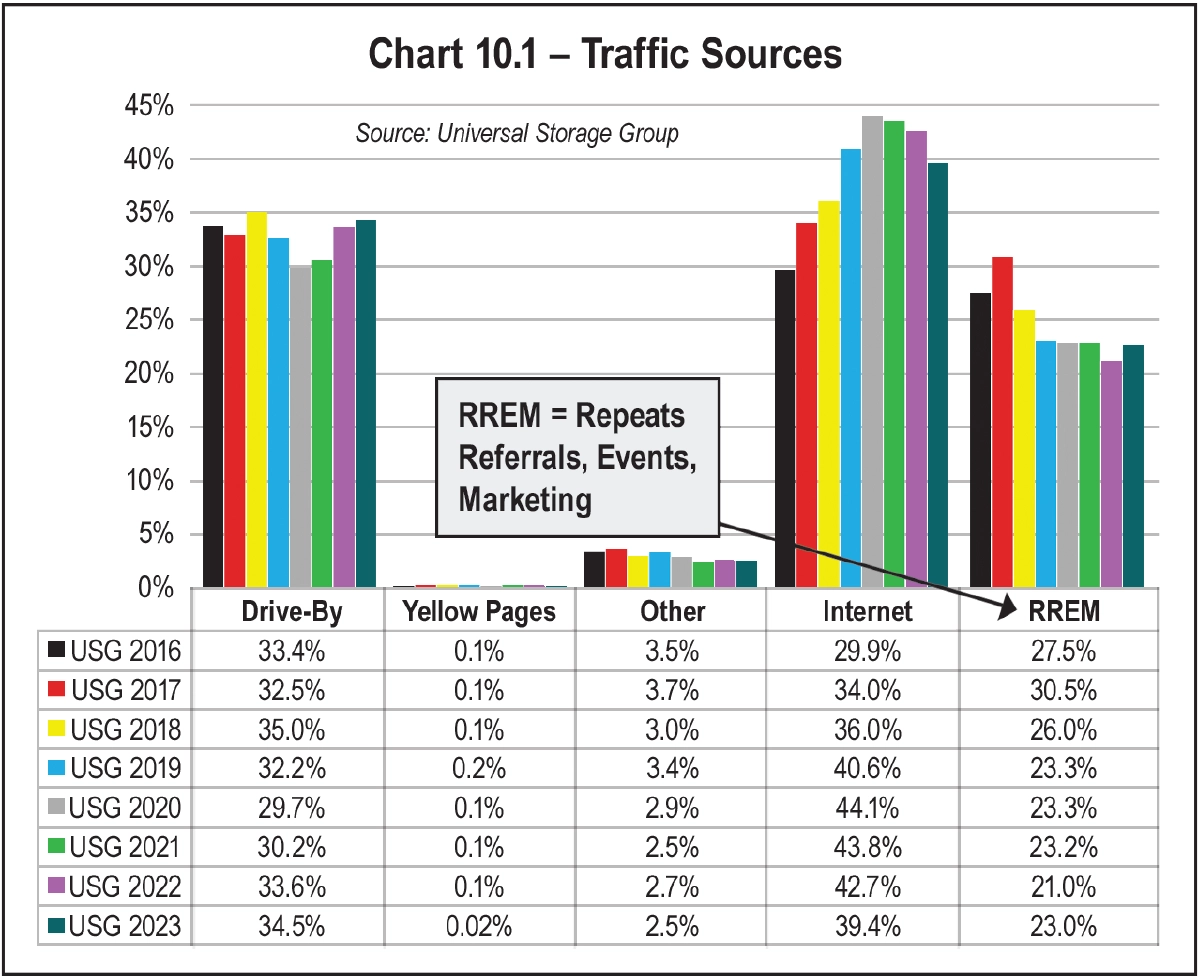
In 2023, analyzing traffic sources highlighted the critical role each marketing activity plays in driving overall results. By understanding the demographics and profiles of our customers, we can fine-tune our marketing budgets annually. This approach helps Universal Storage Group (USG) achieve the lowest possible cost per lease while maximizing the number of new renters, ensuring that every dollar spent is working as effectively as possible.
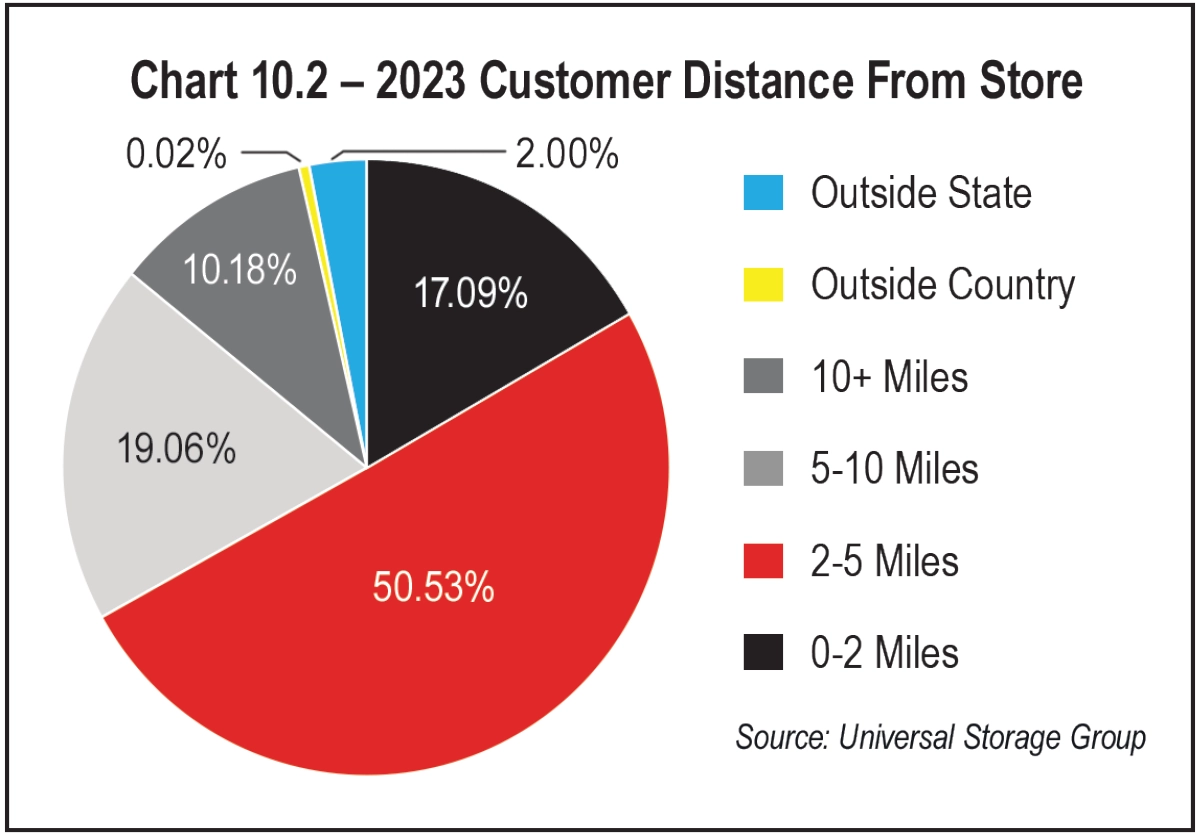
Understanding not just the sources of our traffic and renters but also their specific needs and preferences is essential. Offering specialized products and services, such as conference rooms, contractor bays, incubator offices, or enclosed and covered parking, broadens overall appeal and allows USG to attract customers from a wider geographic area. These unique offerings differentiate facilities and draw in a diverse audience with specific requirements. See Chart 10.2.
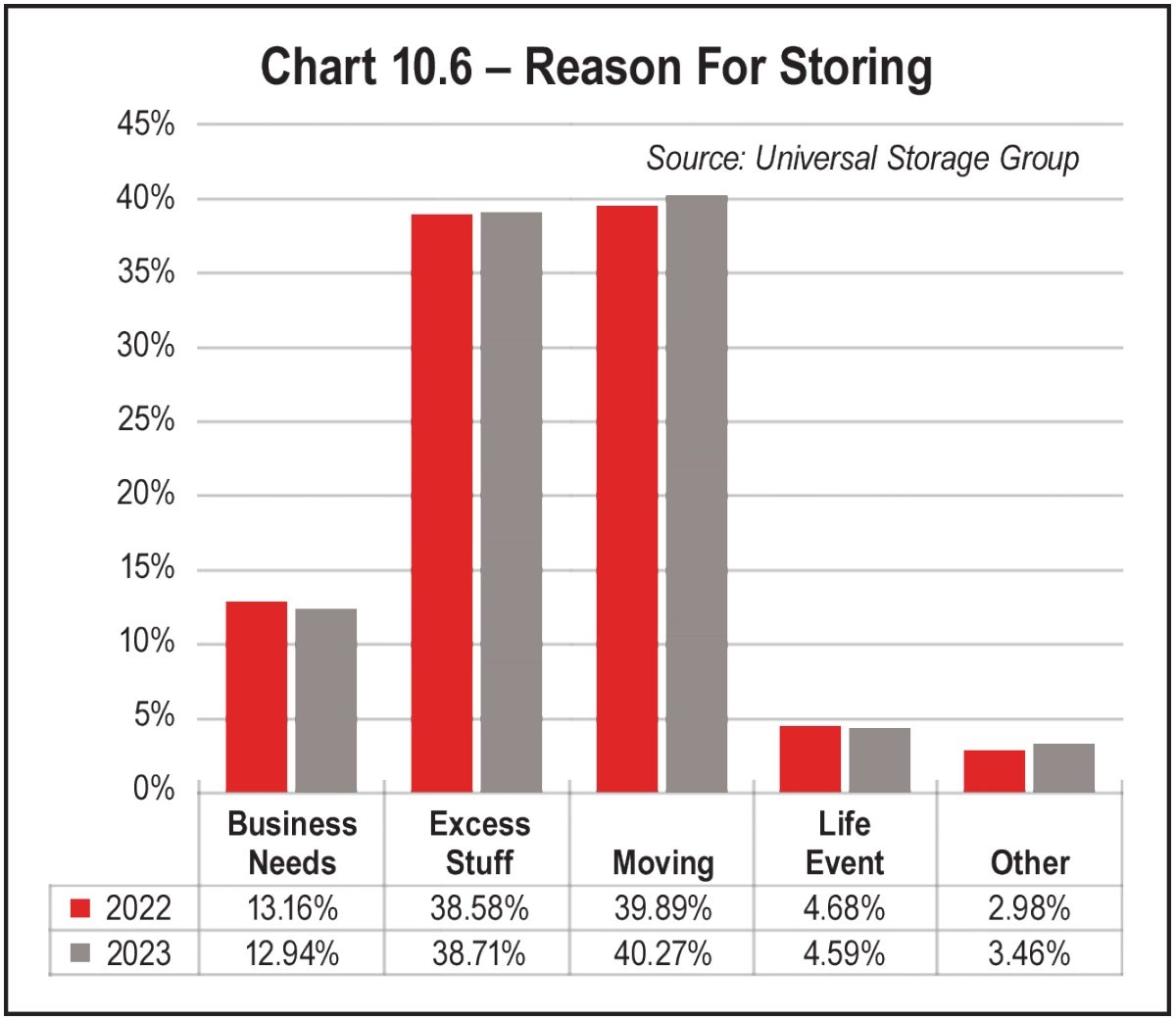
Understanding what your customers store and why they choose your location and services is the foundation of effective marketing. Without this insight, you risk investing time and money into strategies that may not resonate with your target audience or meet their needs. See Chart 10.4.
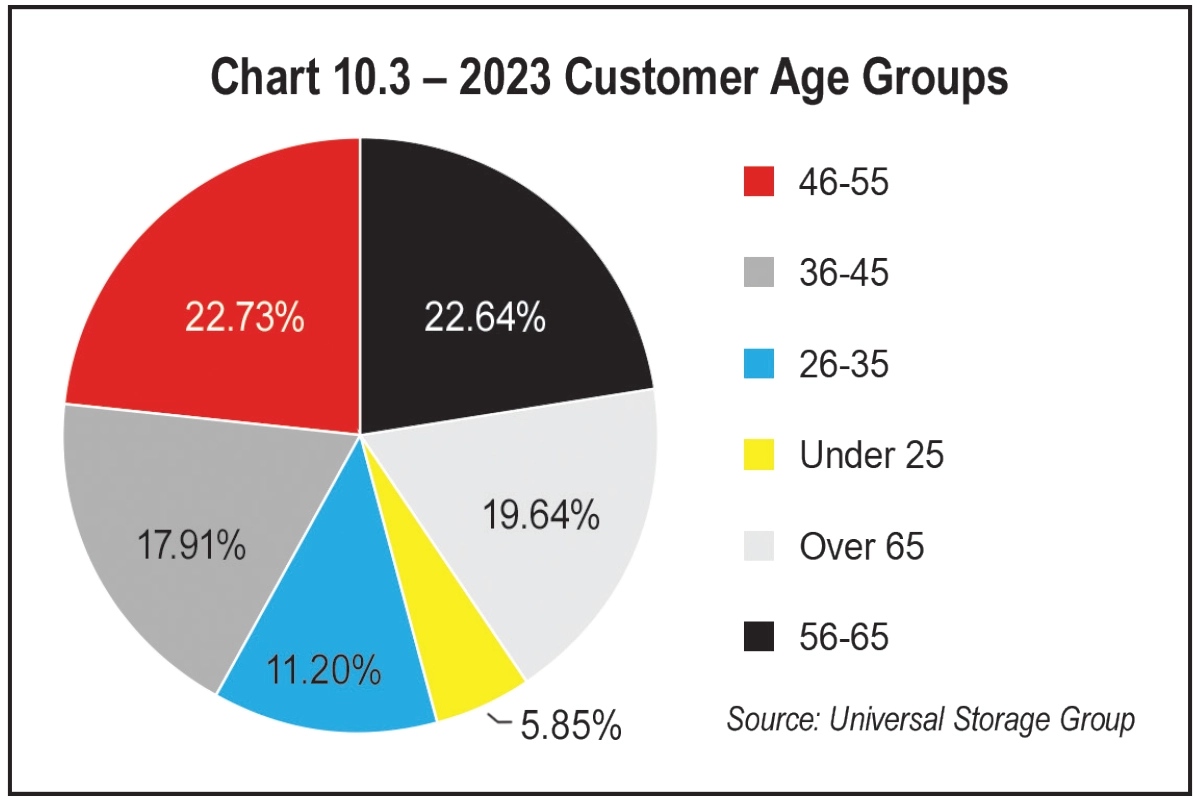
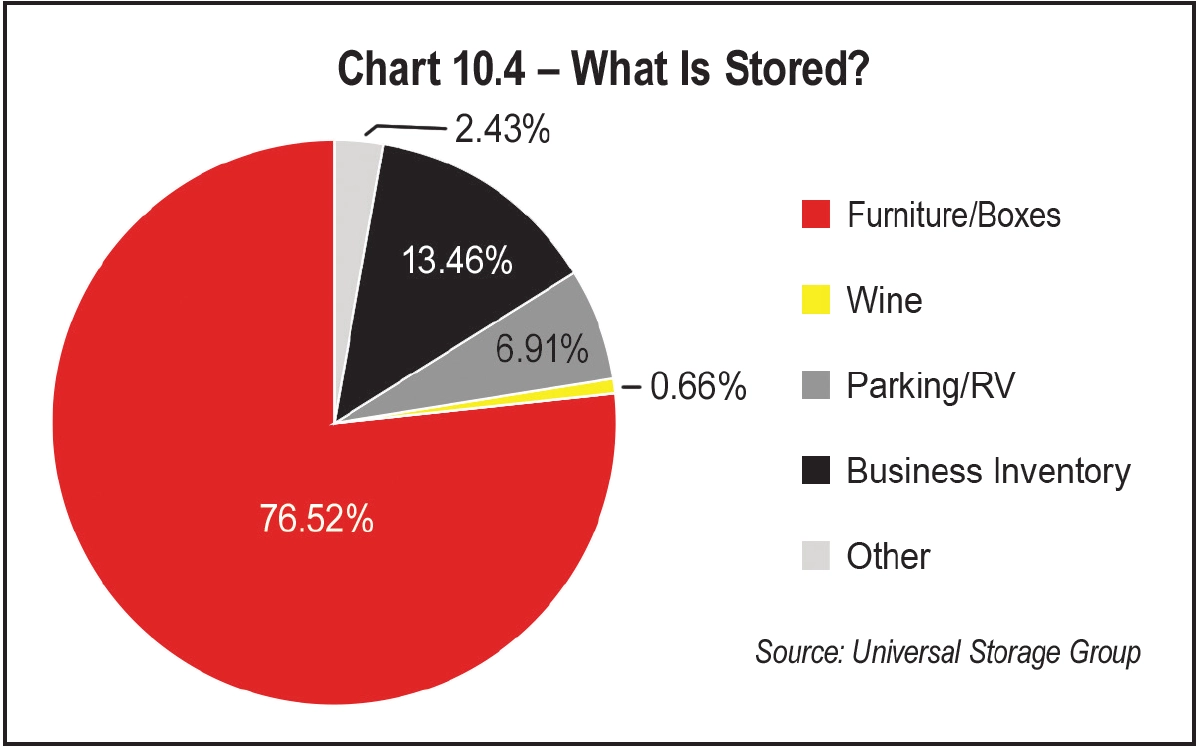
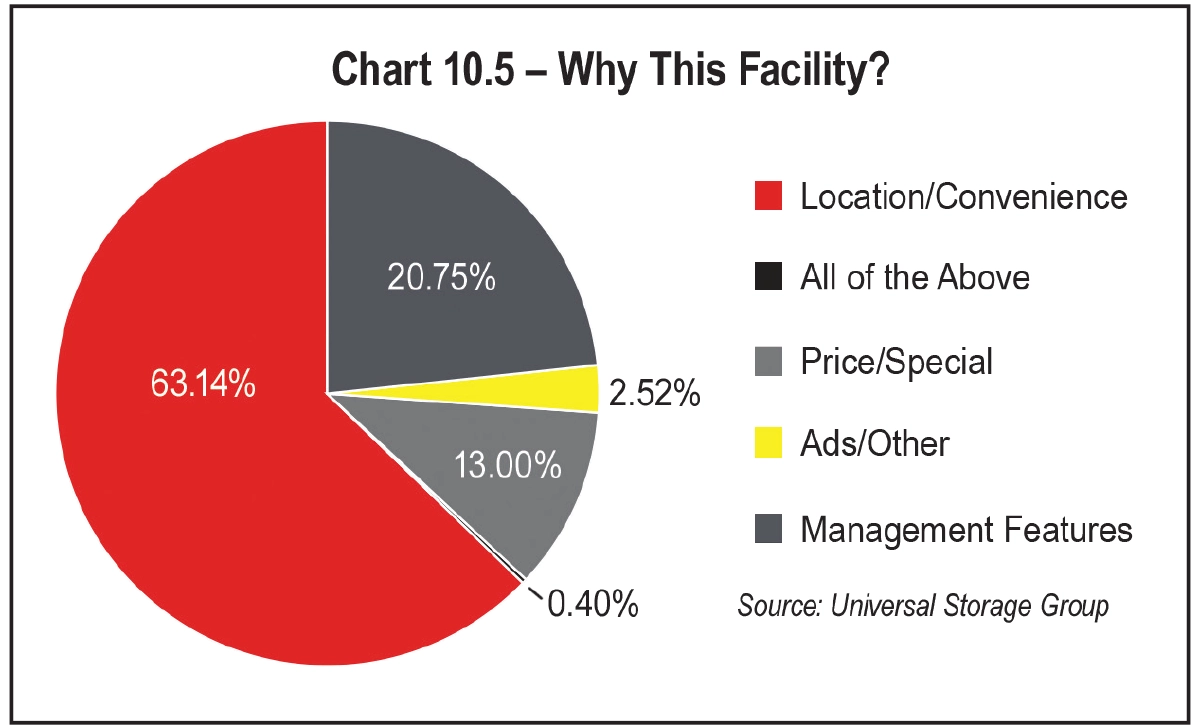
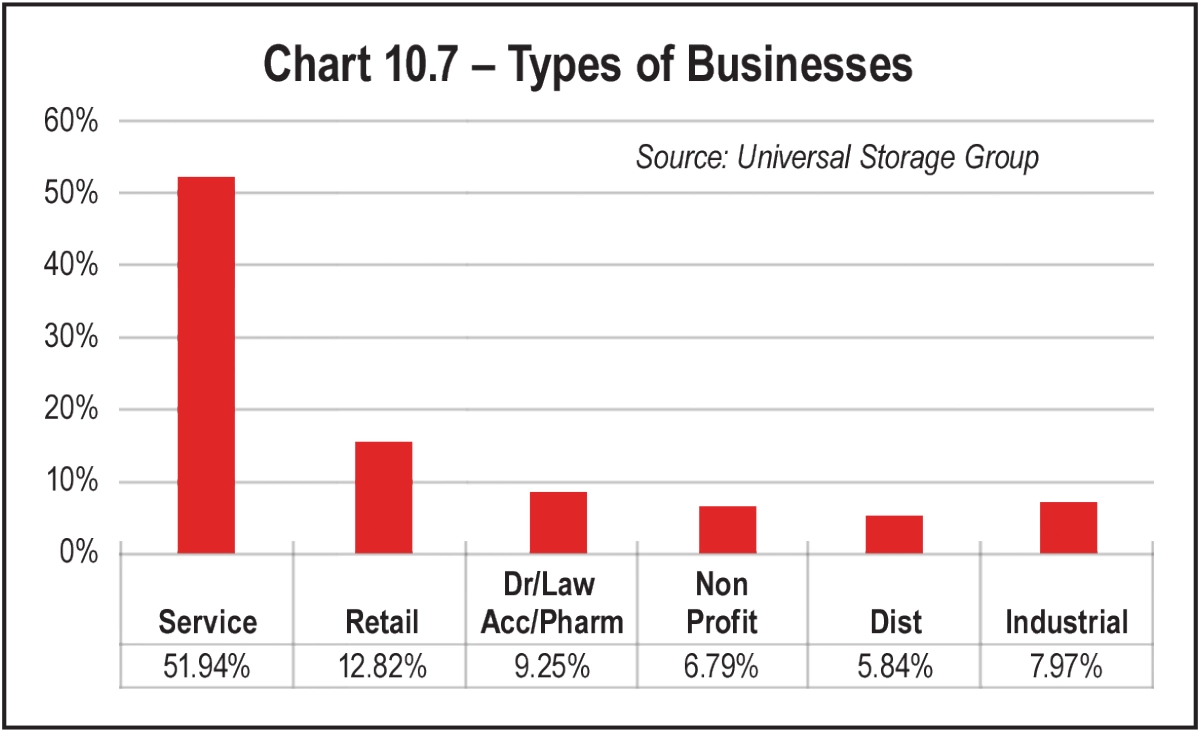
Chart 10.7, Types of Businesses, highlights the critical importance of targeting small businesses and retailers as key markets for storage solutions.
A Unified Approach
The key to successful marketing is consistency. Dedicate time each day to a mix of activities:
- Send a few emails or follow up with recent inquiries.
- Post on social media or respond to comments.
- Visit one or two local businesses, tailoring your outreach to align with your current unit availability.

- Community Involvement – Participate in local events and build relationships with key groups.
- Regular Business Visits – Dedicate two hours per week to visiting local businesses and organizations.
- Follow-ups – After each visit or event, follow up with an email or call to stay connected.
Celebrate your team’s marketing efforts. Share their successes in meetings and offer small rewards for their hard work. A motivated manager can be the face of your facility.
- Climate-controlled units,
- 24/7 access or superior security measures, and/or
- Outstanding customer service.
It’s tempting to lower prices when competition feels fierce, but remember that people choose self-storage based on value, not just cost. Show them why you’re worth it.
Your facility is more than a business—it’s a solution to someone’s problem, a partner in their journey, and a resource they can count on. Share that story boldly, consistently, and with heart.
You have the tools. You have the drive. Now go out there and share your story with the world. The rewards—both personal and professional—will be well worth it!