


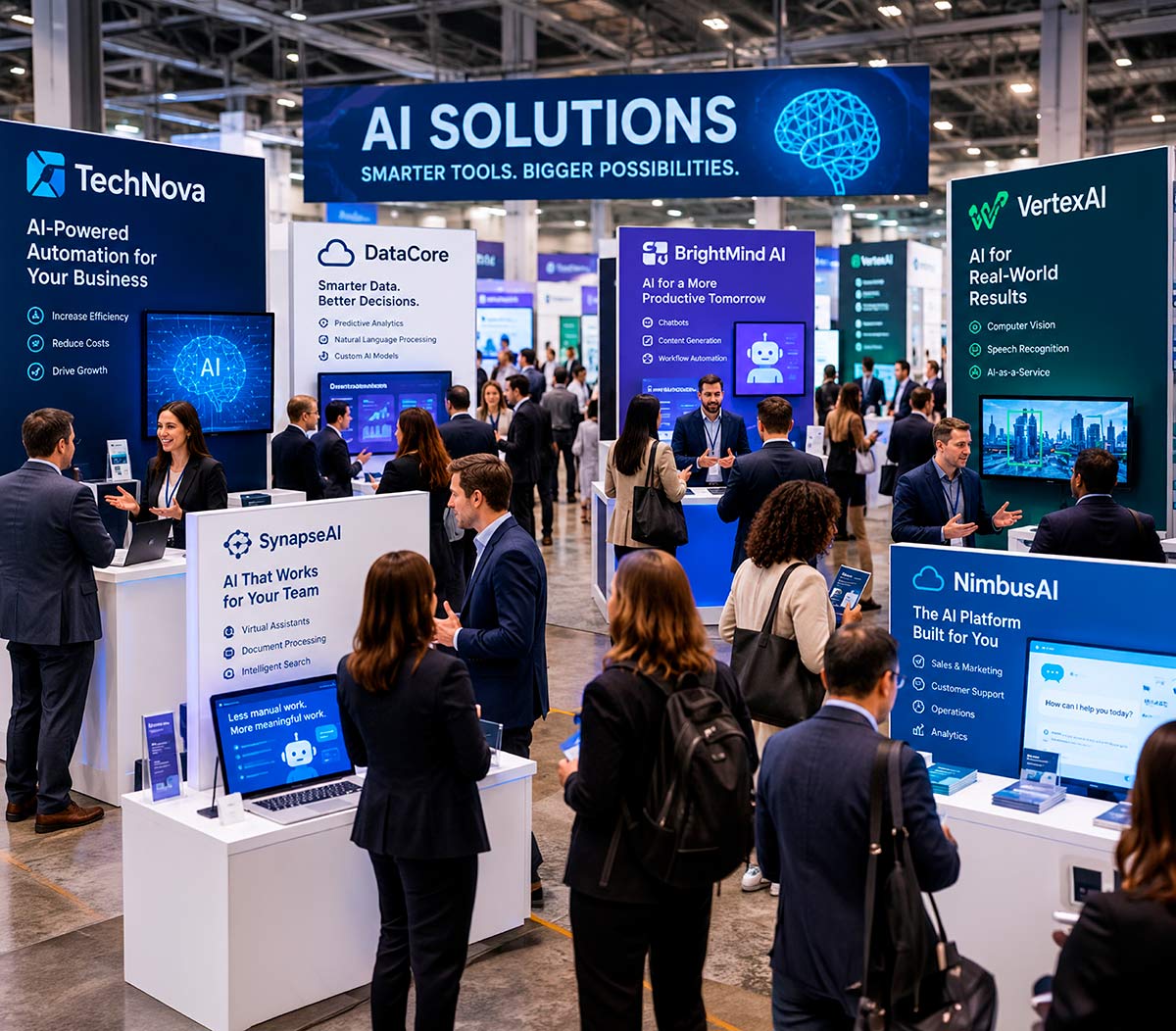
very vendor in self-storage right now has an AI pitch. Some of them are genuinely useful. A lot of them are not. And if you are an operator trying to figure out which is which, the noise level is high enough that it is easy to either dismiss all of it or believe too much of it.
Neither of those responses serves you particularly well. So here is an attempt at a more grounded take on where AI actually stands in self-storage operations today, what is working, what is oversold, and how to tell the difference.
What that means in practice is that the fear of being left behind and the fear of getting burned by a bad product are both reasonable concerns to have simultaneously. You should not ignore AI because some of the vendors are questionable. You also should not sign contracts because someone told you the world would pass you by if you didn’t.
The right posture is somewhere in the middle, which is not the most exciting advice, but it is the accurate one.
At STORE, the most meaningful near-term application has been on the reporting side. Instead of having people spend hours pulling delinquency data, leasing activity, and performance numbers from different systems, we built an internal platform that does the extraction and formats the output. Work that used to require several people now requires a fraction of that. The underlying data is the same. What changed is how long it takes to get from raw numbers to something an owner can use.
Marketing a self-storage facility is not like marketing a consumer product. You are trying to reach a specific person in a specific geography who has a specific need, often right now. Generic AI-generated content, targeted at a general audience, is not the right tool for that. If anything, the self-storage industry has a dual marketing challenge that most sectors do not: You are selling to owners and to consumers at the same time, and each requires a different voice and a different approach. That is a judgment problem, not a volume problem, and AI does not solve judgment problems.
There is also a whole cottage industry around something called AEO, which is pitched as the AI equivalent of search engine optimization. The idea is that you can make your facility more visible in AI-generated responses the same way SEO makes you visible in search results. This is largely not how it works. AI language models are built on the same underlying web content that search engines index. There is no separate lever to pull. Any vendor selling AEO as a distinct service is, with very few exceptions, selling you SEO with a new label on it.
An algorithm that is optimizing purely for revenue extraction will raise rates on good long-term tenants at intervals that feel arbitrary and sometimes are. California has already passed legislation limiting how aggressively operators can raise rates on existing customers, and other states are watching. The operators running black-box pricing systems that nobody inside the company can fully explain are going to have a harder time adapting to that regulatory environment than operators who have kept a human in the loop.
The better use of AI in rate management is as an auditor rather than an autopilot. It can flag when a rate increase might cost you a tenant who has been reliable for two years. It can surface patterns in the data that a human reviewer might miss. But the decision about what to do with that information should stay with a person who is accountable for the relationship with that customer.
What specific decision does this tool improve? How do you measure whether that improvement is happening? Where does it fit into our existing workflow, and what does it change for the people using it? If a vendor cannot answer those questions clearly, that is important information. Features and automation and AI buzzwords are not what you are paying for. Outcomes are what you are paying for, and any tool that cannot tell you what outcome it produces probably does not produce one.
A secondary question worth asking is how much effort it takes to get the tool working. If onboarding takes longer than the time the tool will save you in the first year, the math does not work. A lot of AI products in the market right now are technically impressive and practically burdensome. You want the opposite.
When that capability matures, an operator will be able to ask a question like what is driving the performance gap at this facility compared to last quarter and get an answer that is grounded in actual property data rather than a generic response. That is when the reporting and decision-making applications get genuinely powerful. We are not fully there yet, but it is close enough to be worth understanding now.
In the meantime, the operators who will get the most out of AI are the ones who treat it as infrastructure rather than magic. Use it to handle the mechanical work. Keep humans accountable for the judgment calls. Ask hard questions of vendors and ignore anyone who tells you the tool will run itself. It won’t. But it will make the people running your operation meaningfully better at their jobs when it’s used well, and that is worth quite a lot.