


he self-storage industry is relatively new in Colombia, with the first formal facility opening in 2005. Previously, storage needs were met by traditional warehouse services or informal operations.
Now, the “bodegas,” as the facilities are called in Colombia, have attracted significant attention from both customers and investors, including multinationals eager to invest in the country.
With 15 years of experience in the business, Más Metros offers a combination of self-storage and moving solutions. “It’s one of our most important differentiators. It’s not common for storage companies in Colombia to also offer moving services, but in our case, it complements the value proposition very well,” says the company’s commercial director, Juan Aponte.
Unlike most people in the business worldwide, Aponte didn’t create the company with inspiration from the U.S. market. “The idea of storage came up when I had clients who needed a place to keep their goods. At my father’s house, we had a garage, and that’s where the idea of renting it out occurred to me. That was my first contact with the business, and I realized there was an unmet need for safe storage space.”
Coming from a transportation background, their unique business model allows him to continue his father’s legacy while making his own. “From a very young age, I was involved in the world of transportation and trucks, since my father worked in that field. That environment gave me the foundations to understand logistics, operations, and above all, the importance of providing reliable service to customers.”
In fact, Aponte calls customer service a scarcity in the country’s self-storge sector—a value-add that is not only noticed by customers but also an advantage that keeps them coming back. “[The most common mistakes companies make are] neglecting customer service and not investing in security. Often, the focus is only on infrastructure, but customers value trust and support more.”
Their marketing efforts consist mostly of word-of-mouth and digital marketing. “About 50 percent of new customers come through referrals, which speaks a lot about our service experience. The rest comes from digital advertising, mainly social media and Google,” he says. “Word of mouth remains very powerful, but also investment in digital channels, especially Google and social media, [has been generating a lot of interest, as it is] where we can showcase real cases and client testimonials.”
Another smart marketing effort that he mentions as having been making an impact in the business was Más Metros’ partnership with real estate agencies and developers to offer storage as added value for their clients, especially due to the downsizing in square footage of new builds. “We’ve started forming partnerships with developers and real estate agencies,” says Aponte. “It’s a way to offer comprehensive solutions to families who are moving or buying homes.”
Increasing penetration rates is a big part of the business in Colombia. “Many customers are still unaware that storage units are a flexible, safe, and accessible solution,” he says. “It’s necessary to show that they’re not only useful during moves but also for organizing spaces, businesses, and personal projects.”
As for their average customer profile, Aponte says, “Most are individual users, although the corporate segment has been growing strongly, especially for records, inventories, and temporary storage. The most frequent profiles are families and young professionals who need extra space. We’ve also seen growth in the business segment, especially small companies that use storage units as office extensions or warehouses.”
According to Aponte, the market has managed to “consolidate itself in major cities like Bogotá, Medellín, and Cali, but it’s still underdeveloped in smaller towns and mid-sized cities, where there is great growth potential,” he says, making sure to highlight the potential of other cities. “There’s great potential in cities like Villavicencio, Ibagué, or Pasto. However, the main focus is still on the major capitals, where the market is already better known.”
Eduardo Baena, the manager of Rentabox, shares his beliefs. “In Colombia, mini-storage facilities exist only in five or six major cities, and that is because they belong to a company operating at the national level. The rest are run by local operators. There is great potential to set up facilities in mid-sized cities, but the mini-storage model is expanding timidly.”
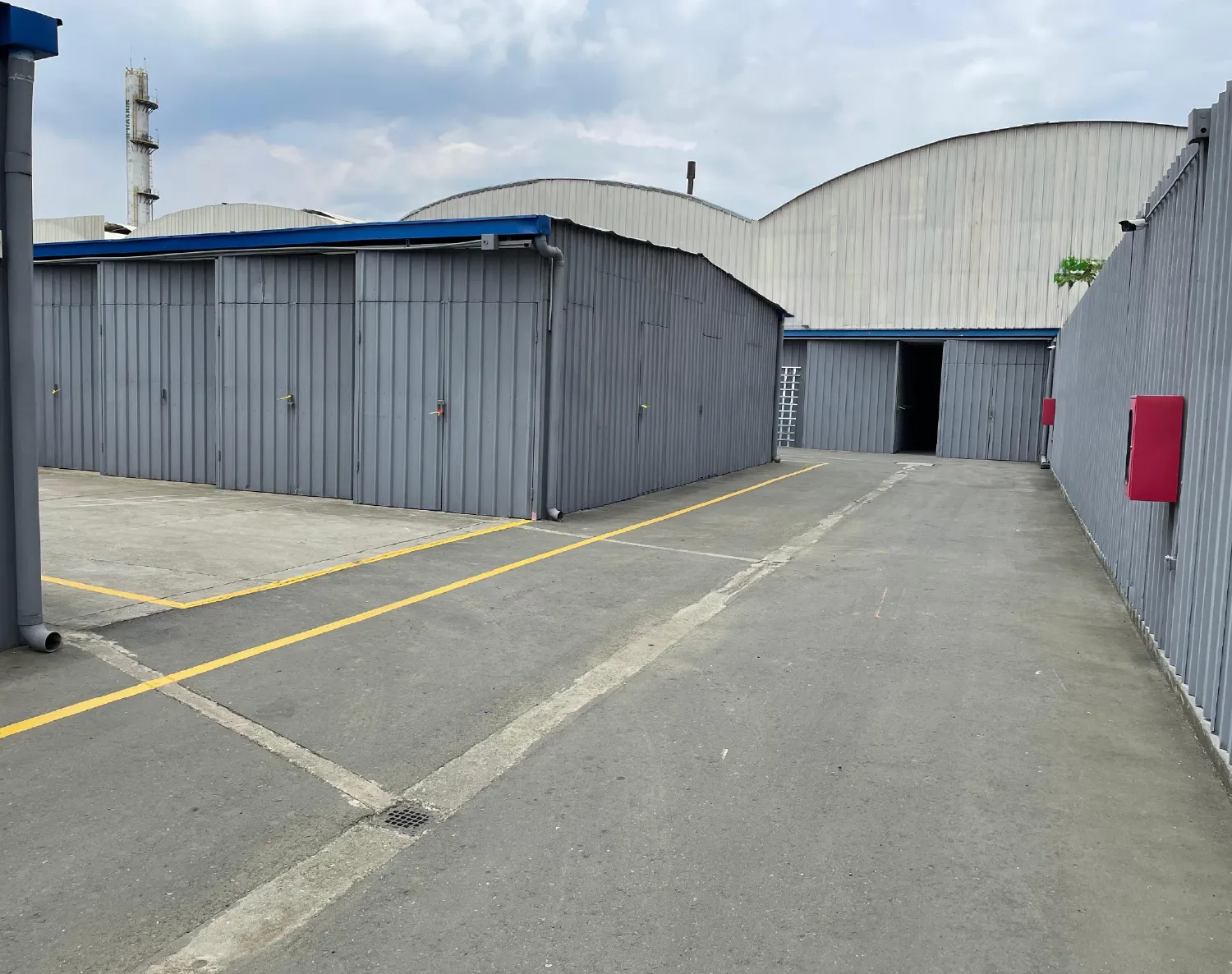
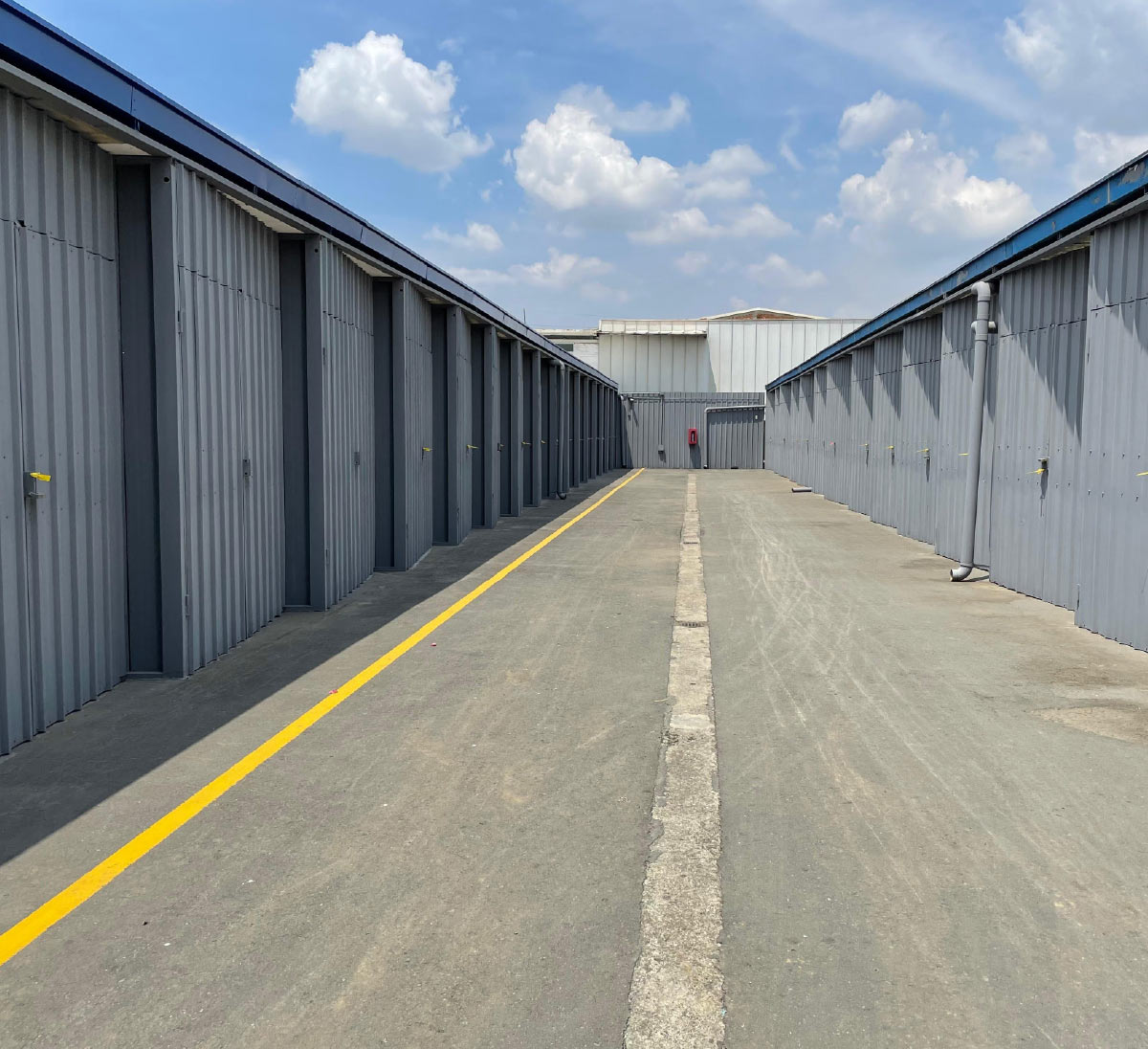
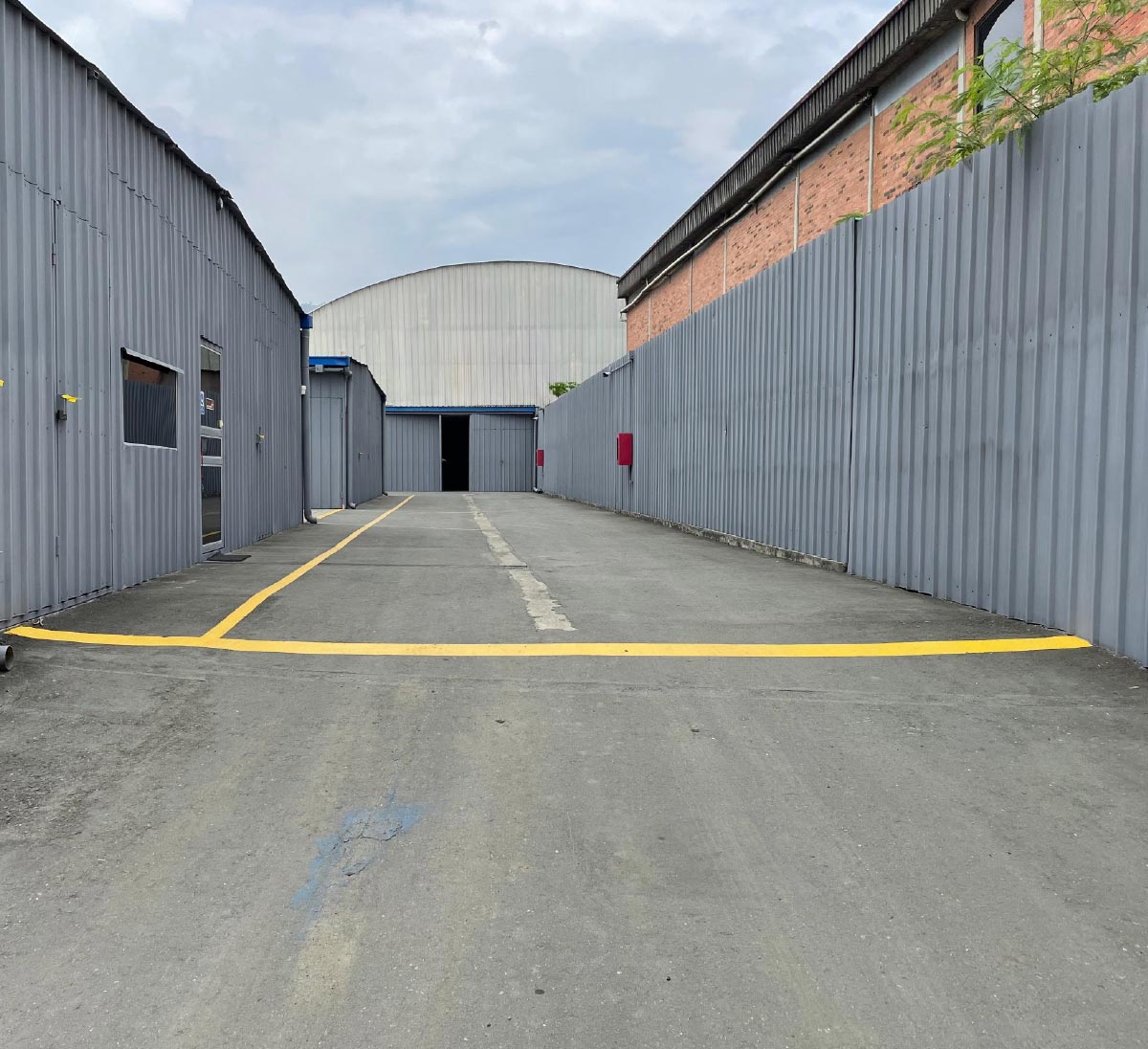
Rentabox’s business model is quite unique in the country, according to Baena. “We initially focused on serving small importing companies by offering container-type mini-storage units, that is, metal storage units built with the dimensions of import containers: 40 and 20 feet,” he states. “During the pandemic, we expanded the market to individuals, with 10- and 5-foot units.”
“All our mini-storage units are outdoors and located on the ground floor, and the 40- and 20-foot ones face internal roads six meters wide that occupy 50 percent of our total area. I believe we are the only storage facility in Colombia with internal roads for customer service,” says Baena.
Like in many other countries, the COVID-19 pandemic completely changed the industry, as the company’s occupancy rate rose to above 100 percent. “In our case, the pandemic triggered our occupancy rate, even above 100 percent. Student apartments closed, small businesses that couldn’t withstand the crisis, restaurants closed due to lack of customers … a long list of new clients,” Baena says.
Another factor driving business forward is the decrease in apartment sizes. “Every day businesses make it easier for consumers to acquire products,” he says, “and every day apartments have less space, so mini-storage units will increasingly become necessary to store what doesn’t fit at home.”
Due to their business model, their customer base is mostly made up of businesses. “There is abundant demand from both types of clients [commercial and residential], but we place more emphasis on serving corporate clients. Their contracts tend to be long term and their payment habits healthier,” Baena states. “In our case, the predominant profile is small and medium-sized businesses first, and individuals second. Large companies use other types of facilities.”
Due to the low penetration rate, a part of their marketing efforts is spent teaching clients about the industry. “We take advantage of every contact we have with a potential client to teach them about the mini-storage model, explain the different types of services, etc., in such a way that the client becomes a multiplier of the system within their network,” says Baena.