


Self-Storage Successful
ike many people in the industry, most successful owners of specialty storage facilities got into their niche without plans to do so. Life has presented them with unique opportunities, and they had the curiosity to find out where this path would lead them.
Each of the specialty storage options described in this article showcases the myriad of ways humans learn to protect what they find most valuable, so let’s find out how all these stories started.
Then Gardes had an idea that would change the course of his career. “I had a friend who had made a fortune in storage, so I told our principals that we should try it,” he says, admitting that he didn’t know anything about the industry at the time. He figured that joining the Self Storage Association (SSA) was a good place to start.
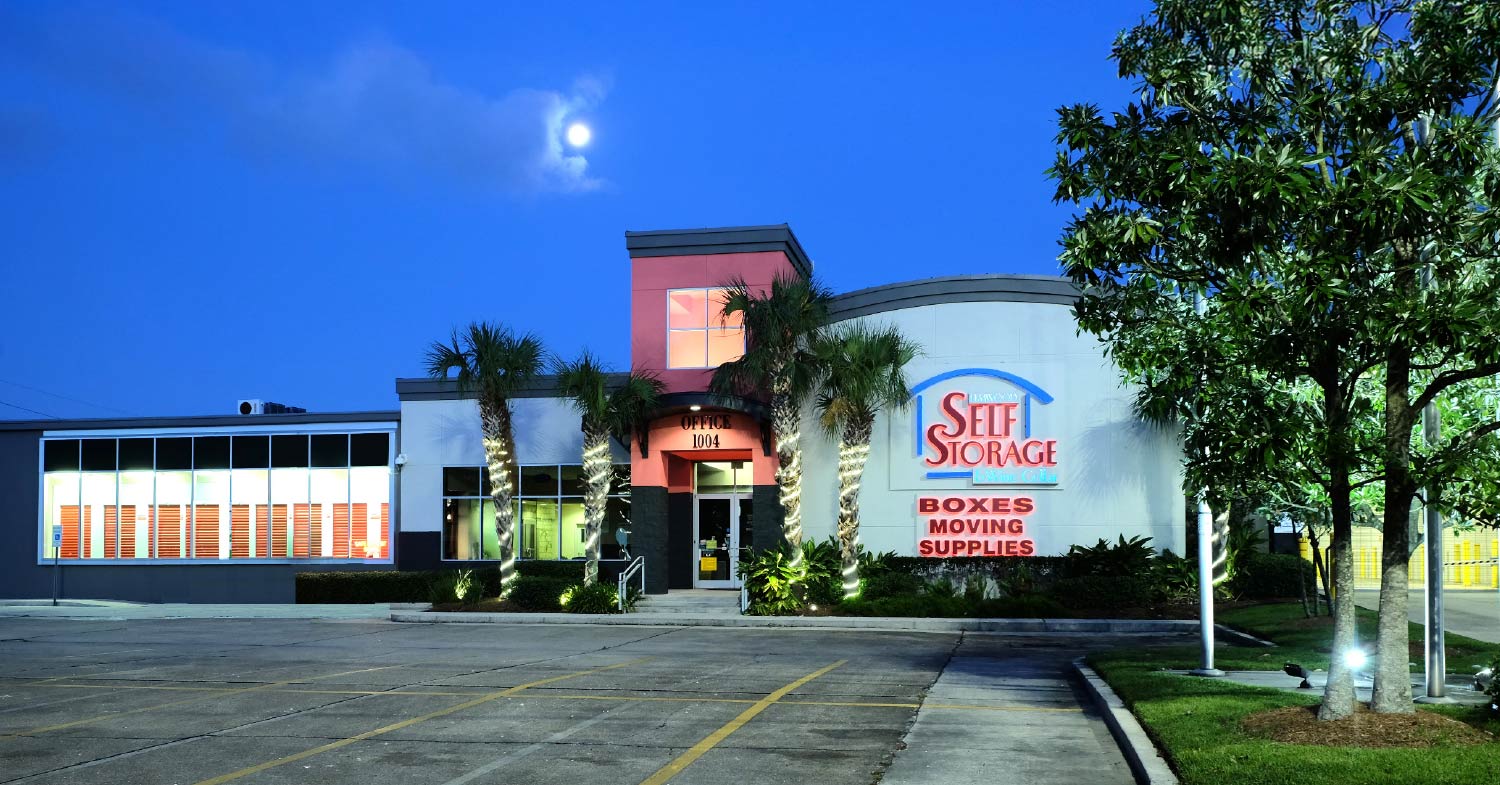
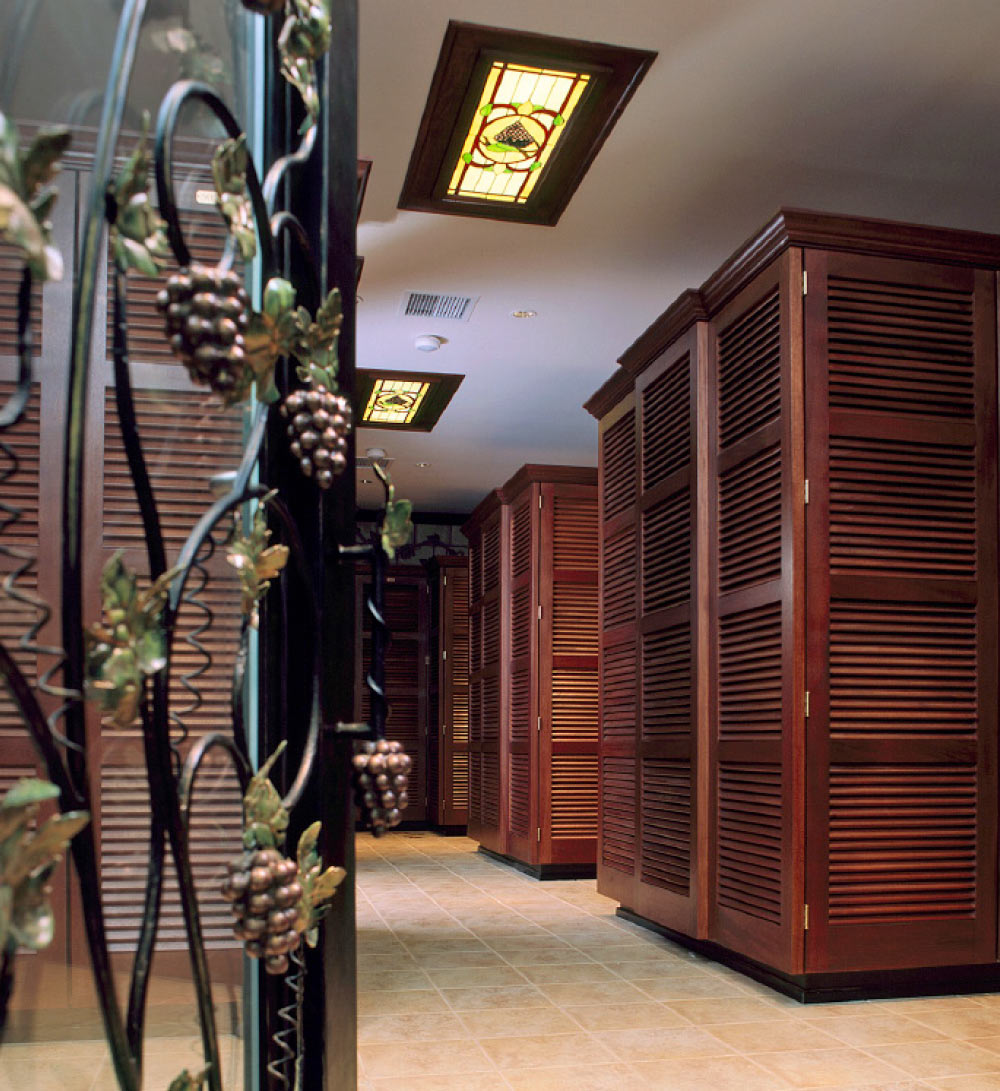
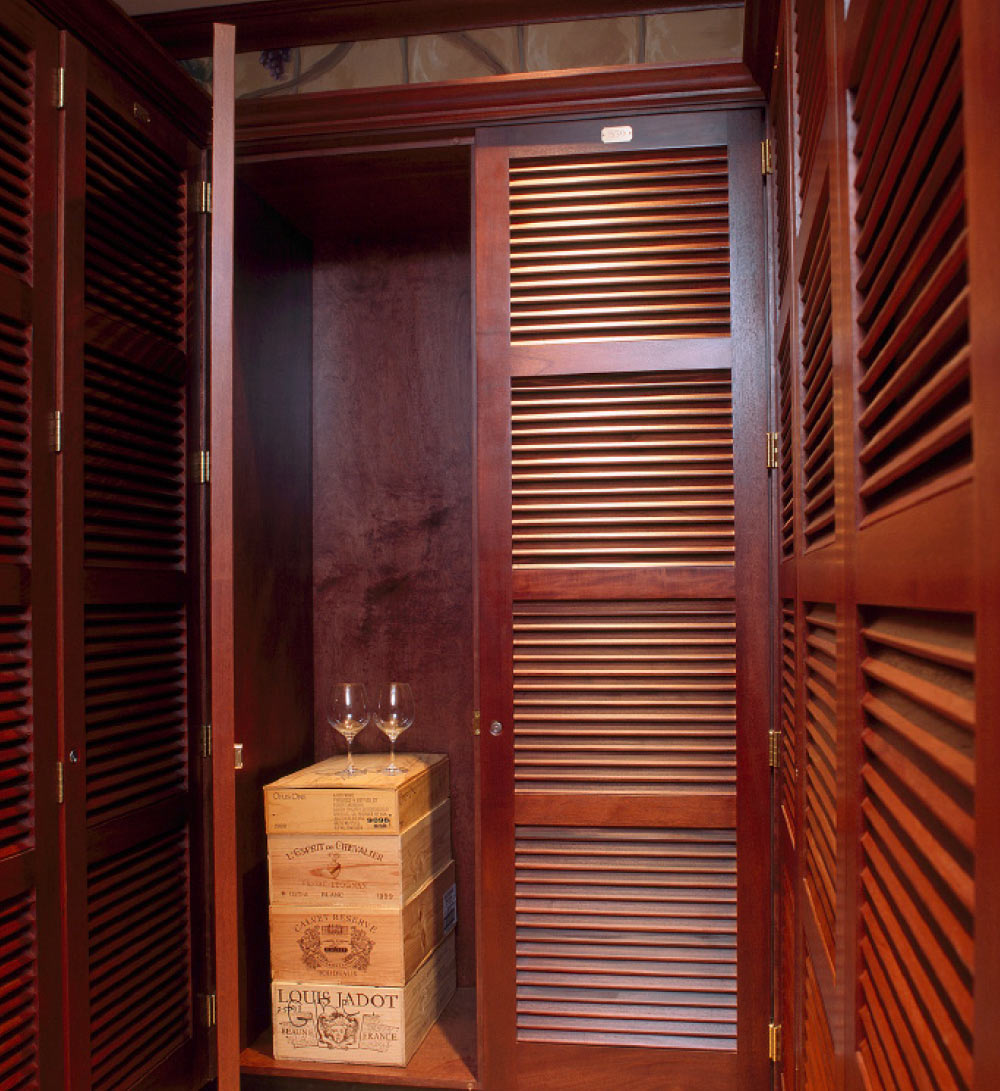
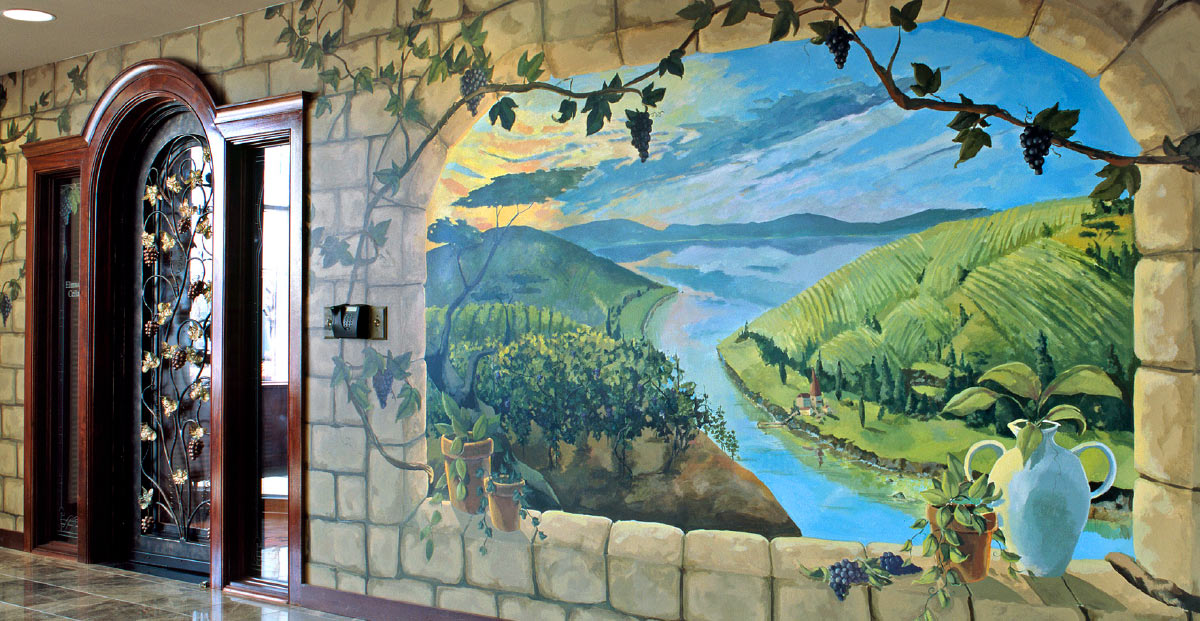
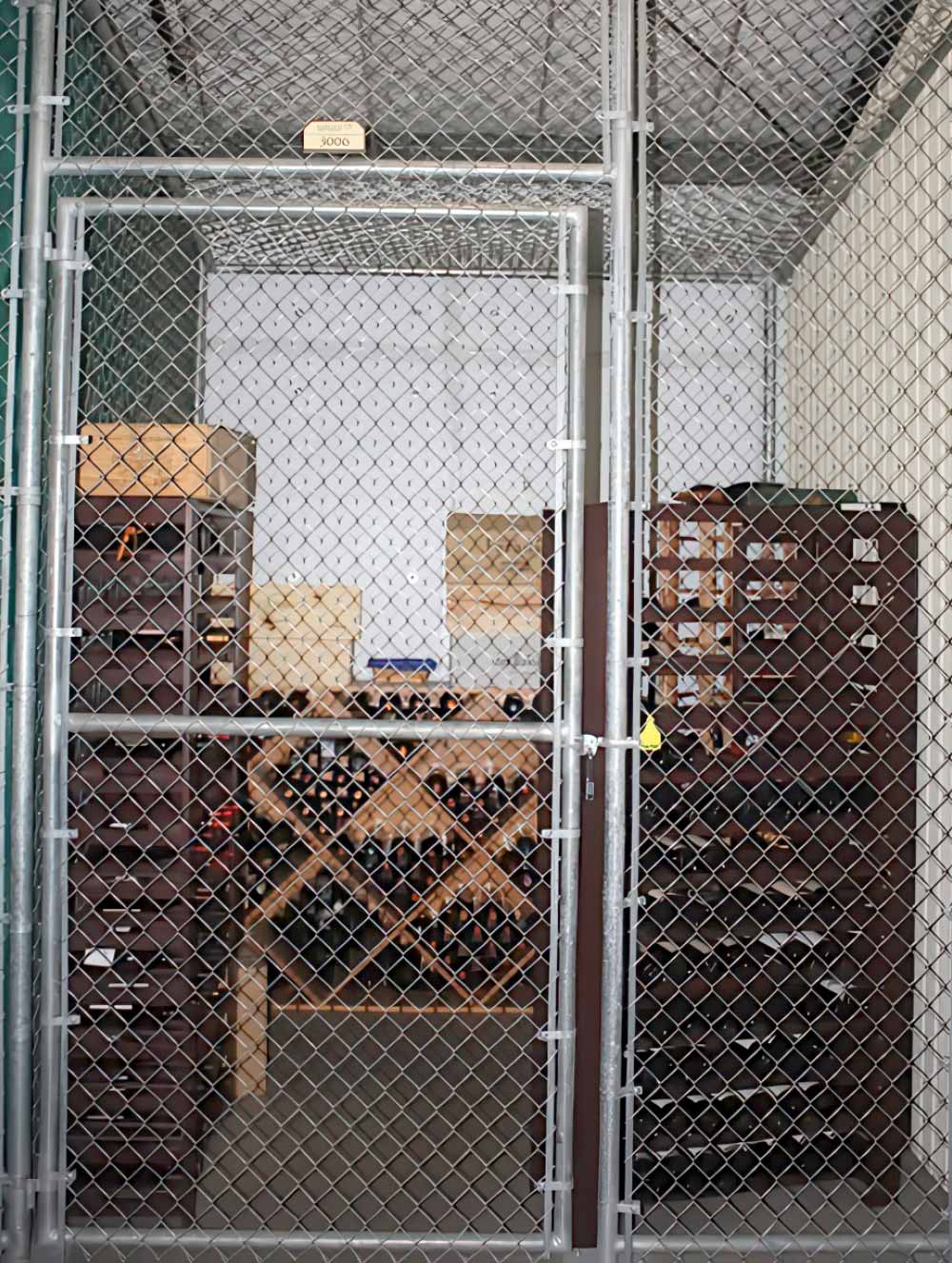
With Ballard’s help, Gardes managed to get his self-storage facility off the ground. Then came his next best idea. “We’re in New Orleans. This is a party town,” he says, “so I thought we may as well add a wine cellar.” That’s how Elmwood Self Storage and Wine Cellar was born. It has reliable gas generators that ensure the wine is kept at optimal temperatures, even during a natural disaster like hurricane Katrina. The power never went down during that storm, which is why Elmwood has customers from all over the country. They even have their own private entrance into the building. “It’s very high security,” says Gardes. “We have 150 security cameras, and there are multiple keypads to get in.”
Elmwood also ensures that wines are stored in optimal conditions. “We keep the cellar at 56 degrees, with 70 percent relative humidity at all times,” he says. They also record the temperature every minute of every day; if a potential buyer wants to verify the storage conditions, they can request a printout of the controlled climate the very minute they walk in the door.
The business model has proven to be successful beyond Gardes’ wildest dreams. However, he emphasizes that the reason wine cellars have worked so well for him is because of the facility’s geographical location. He wouldn’t advise going into wine storage on a site that makes no sense.

She explains that it’s crucial to get all elements of storage right to attract wine enthusiasts. “We offer 24/7 access to their lockers. We have good HVAC with four condensing and AC units and backups. Security is ironclad. You have to get through the gates, then through the doors, then to your own lock. It’s private, safe, and clean, and we make sure to keep the temperature at around 57 degrees, with 70 percent to 72 percent humidity.”
Wetzel adds that collectors treat wine like art. It’s something that is meaningful and personal to them. “I’ve met collectors who catalog their bottles like a museum curator. They want to ensure that humidity levels never dip. Different vintage wines require different types of insurance. These bottles are investments. They create memories; they can be a status symbol even. Clients aren’t just storing wine. We’re here to protect their most prized possessions.”

This goes back to identifying opportunities within a community. Wetzel and Vail Ranch’s employees weren’t the only ones using the postal station. The entire town had a need for closer personal mailboxes, shipping services, postage, and Amazon returns. They started drawing in visitors who weren’t in the market for self-storage, and Vail Ranch was top of mind when a need arose. “It was a good way to provide something the community needed, as well as to diversify our revenue and keep busy,” she says.