

Redevelopment
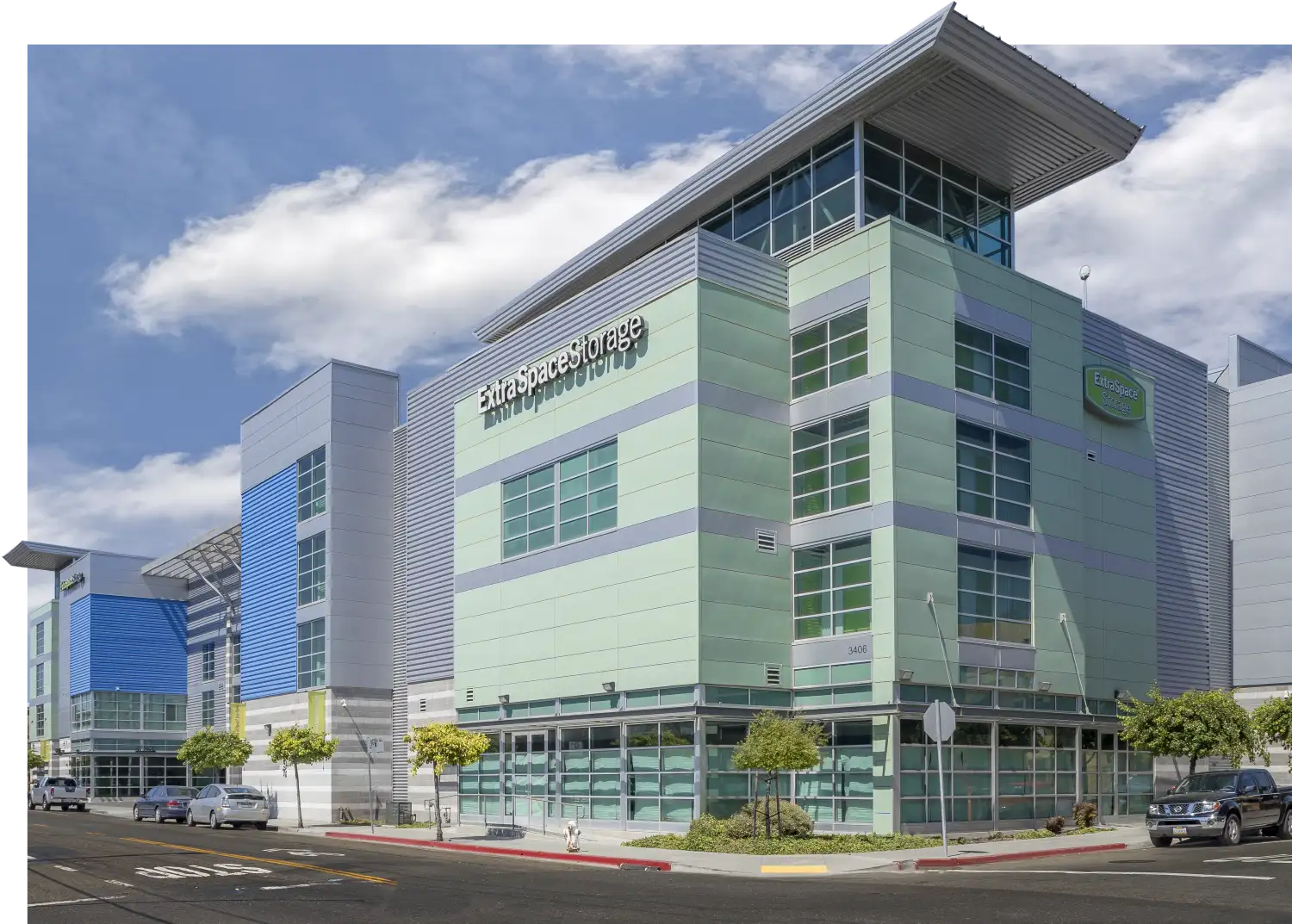
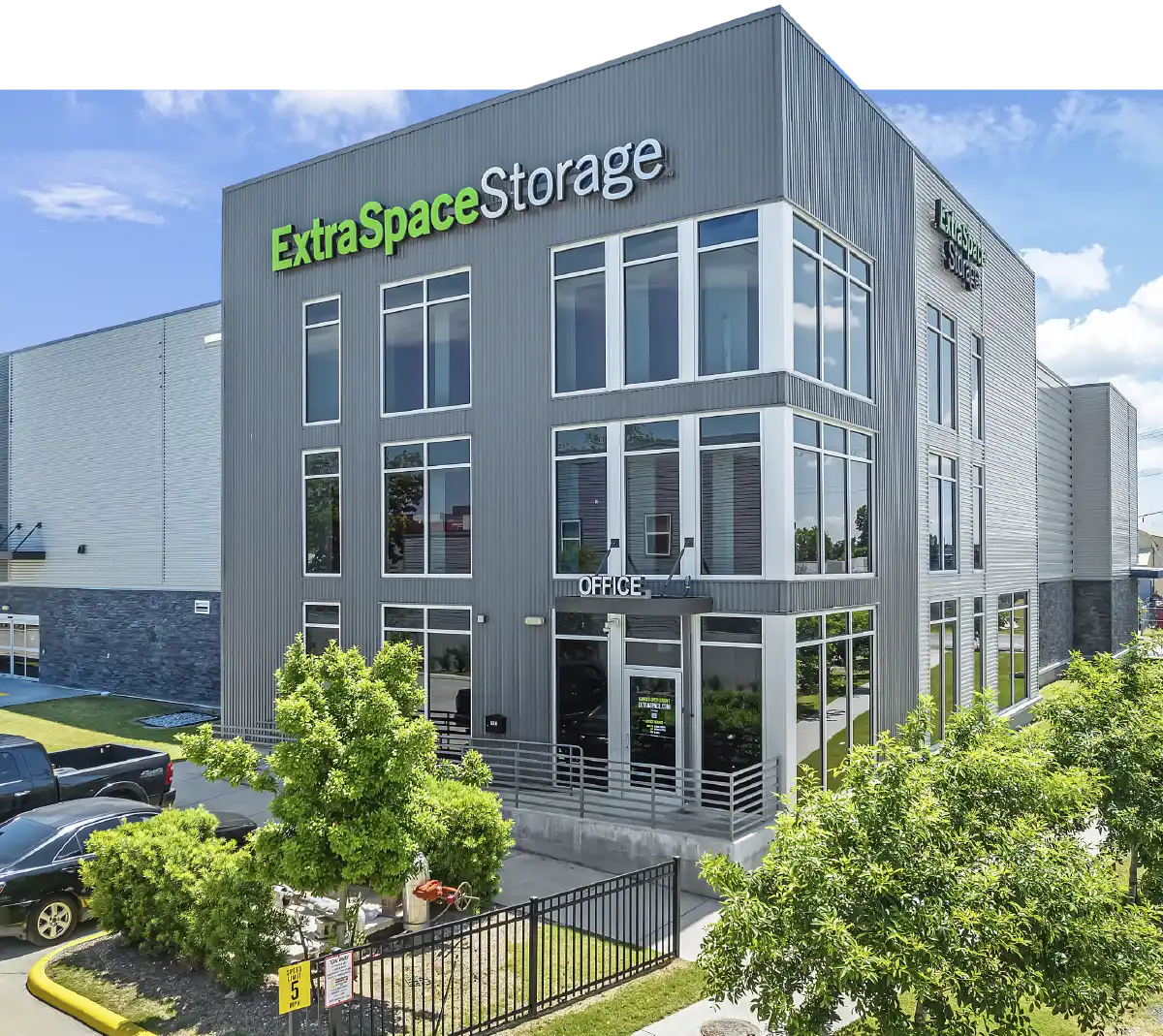
hen someone pictures storage in their mind, they might be imagining a small, rural, drive-up property. They could picture a downtown, multistory, climate-controlled building, or maybe a property that was once a big box store but has transformed into storage units. There’s a wide range of ways storage can look. In fact, if you look at the thousands of self-storage properties across the U.S., no two look identical. Creating beautiful properties that fulfill the needs of the company, the customer, and the community where they are built is a creative challenge.
Rob Burns, Extra Space Storage’s director of design, and the design team he leads at Extra Space Storage is known industry-wide for tackling that challenge. The team currently focuses on redeveloping properties, transforming them into modern, attractive, and highly functional self-storage facilities. This year, Burns is celebrating 25 years of creating self-storage designs for Extra Space Storage. This quarter-century of work has given him a unique perspective on the industry.
“I have been the lead design voice at Extra Space Storage for over 25 years now,” says Burns. “When I started as a construction manager in 1999, the projects I worked on weren’t always the most visually appealing, but they set the groundwork for future innovations to come. Over the years, I began to see the potential for something more—storage facilities that weren’t just practical but also aesthetically pleasing.”
JJ Van Komen, Extra Space Storage’s vice president of facility operations says, “Typically, self-storage buildings can be very plain and utilitarian, but Rob’s designs break that mold by integrating sleek, modern elements and ensuring that every project has its own distinctive character. He carefully balances functionality and aesthetics, making certain that each facility stands out while meeting the practical needs of both owners and users.”
Burns believes that self-storage should be an attractive real estate asset class. The goal is to create secure, conveniently located, and customer-oriented spaces where valued possessions can be stored and accessed with ease by individuals and businesses alike. Every new redevelopment project is designed in-house, from the site plan and unit mix layout to the office and building elevations. His work is often critical in getting a project approved.
“Rob has an incredible ability to win over the hearts and minds of city planning commissions and neighborhood groups,” says Zack Dickens, Extra Space Storage’s executive vice president and CIO. “His designs, with their beauty and stylistic façades, often made the difference in securing project approvals and pushing them across the finish line.”
Back in the day, the story would follow a familiar pattern: Extra Space would present a new project for approval at neighborhood hearings, only to face opposition from city representatives and various local groups. In the early days, self-storage was often stigmatized and regarded as an unwanted asset class. The “not in my backyard” mentality was frequently voiced during these hearings.
“At even the slightest sign of resistance, we knew it was time to showcase Rob’s stunning renderings and images of recently completed projects. More often than not, this would win people over, helping them see the potential of a well-designed storage facility. We have Rob to thank for that,” Dickens adds.
“Rob [has] had more impact on the design of storage than anyone I’ve known in the industry,” says David Decker, a self-storage industry veteran.
Self-storage has evolved a lot in the past 25 years, and it continues to evolve with Burns as a key voice in the look and feel of storage.
“It’s been incredible to see these ideas take shape, winning design awards, and setting new industry standards. But what I’m extremely proud of is walking into Extra Space headquarters and seeing so many of my designs framed on the walls. It’s a constant reminder of the importance of innovation and the lasting influence creativity can have on a company,” says Burns.

Once a property is selected, Burns’ team begins the design process by creating initial renderings. These designs undergo an internal committee review, ensuring they align with the company’s vision and business objectives. Once approved, the design team collaborates with an architectural vendor who refines the conceptual designs into code-compliant, construction-ready documents. The architect also works closely with city officials to navigate the permit approval process, public hearings, and regulatory requirements.
When all approvals are in place, Extra Space partners with a construction company to bring the project to life. From breaking ground to the final touches, the team remains actively involved, ensuring the finished facility meets the company’s high standards for quality, security, and customer convenience.
“I’ve always believed that design matters, even in an industry like self-storage,” says Burns. “When a building catches your eye as you drive by, it doesn’t just change how people perceive the facility, it changes how they perceive the brand. That mindset led to a complete transformation in how we design our properties, focusing on curb appeal, modern architecture, and customer-friendly spaces. This shift not only elevated our company’s image but also helped drive growth and public recognition.”
Through careful selection, thoughtful design, and seamless execution, Extra Space continues to elevate the self-storage experience, delivering modern, well-located, and purpose-driven spaces that meet the evolving needs of customers.

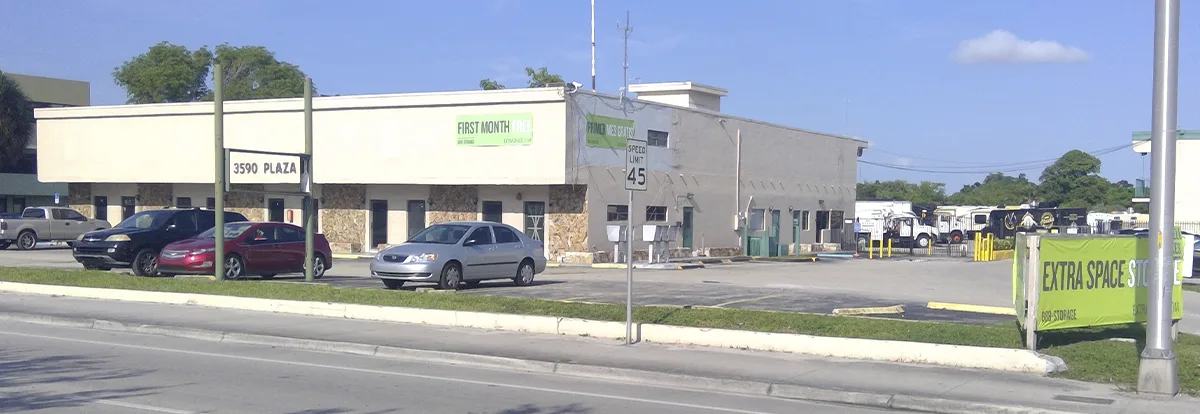
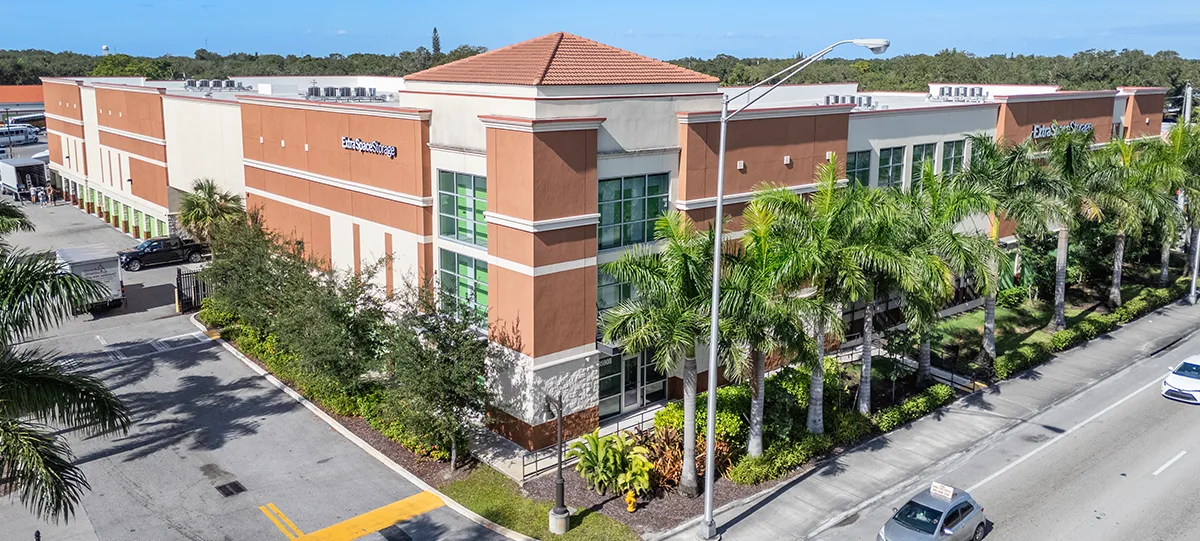
This property was originally constructed in 1993, but in recent years, several of the storage buildings started experiencing settling issues. In 2018, Extra Space acquired the property from a joint venture partner with plans to redevelop the site in three phases. Phase one focused on renovation of the main office building with full exterior façade renovation and conversion of the remaining space on the first floor from office to storage. Phase two demolished the existing buildings to construct a new three-story “L” shaped building adjacent to State Road 7. Phase three finished the redevelopment with a newly designed RV lot and other final site touches.
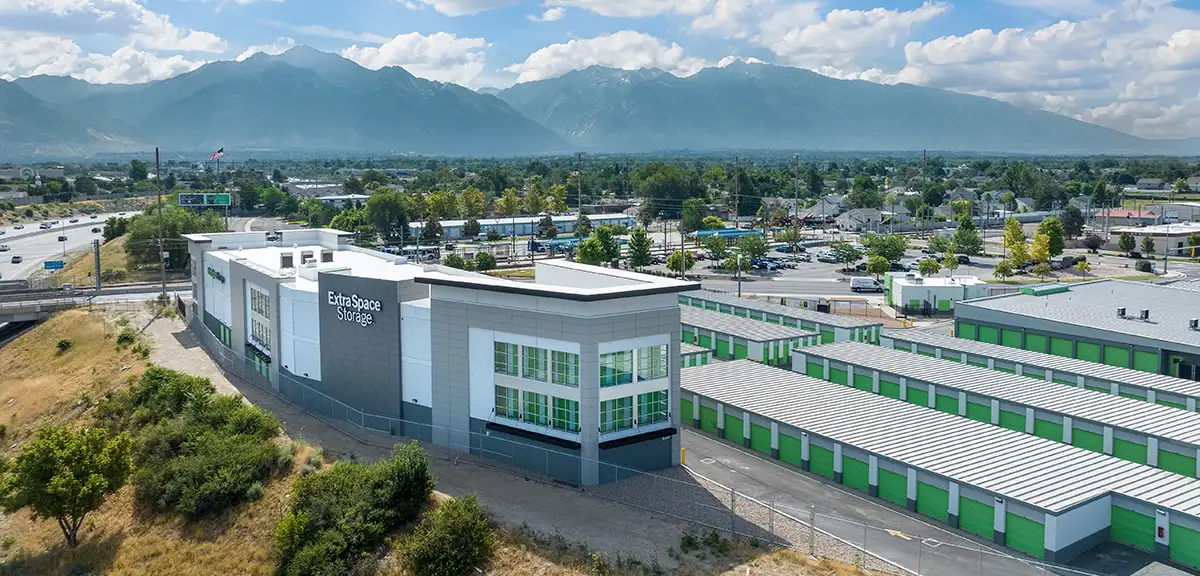
Another example is Extra Space’s Murray, Utah, property. This site was originally acquired in 2010, the site saw its first major expansion in 2016.
Fast forward to present, and the latest expansion required the dismantling of six buildings adjacent to I-215 on the northern perimeter. In their place now stands a modern three-story structure that houses 230 climate-controlled units and accounts for an added 23,184 NRSF.
“Projects of these magnitudes are never completed alone,” says Burns. “Their success is a testament to the collaboration and dedication of countless individuals, including our design and redevelopment teams, field team members, contractors, consultants, and the cities we work with. Each new expansion provides a promising new chapter for each location.”