


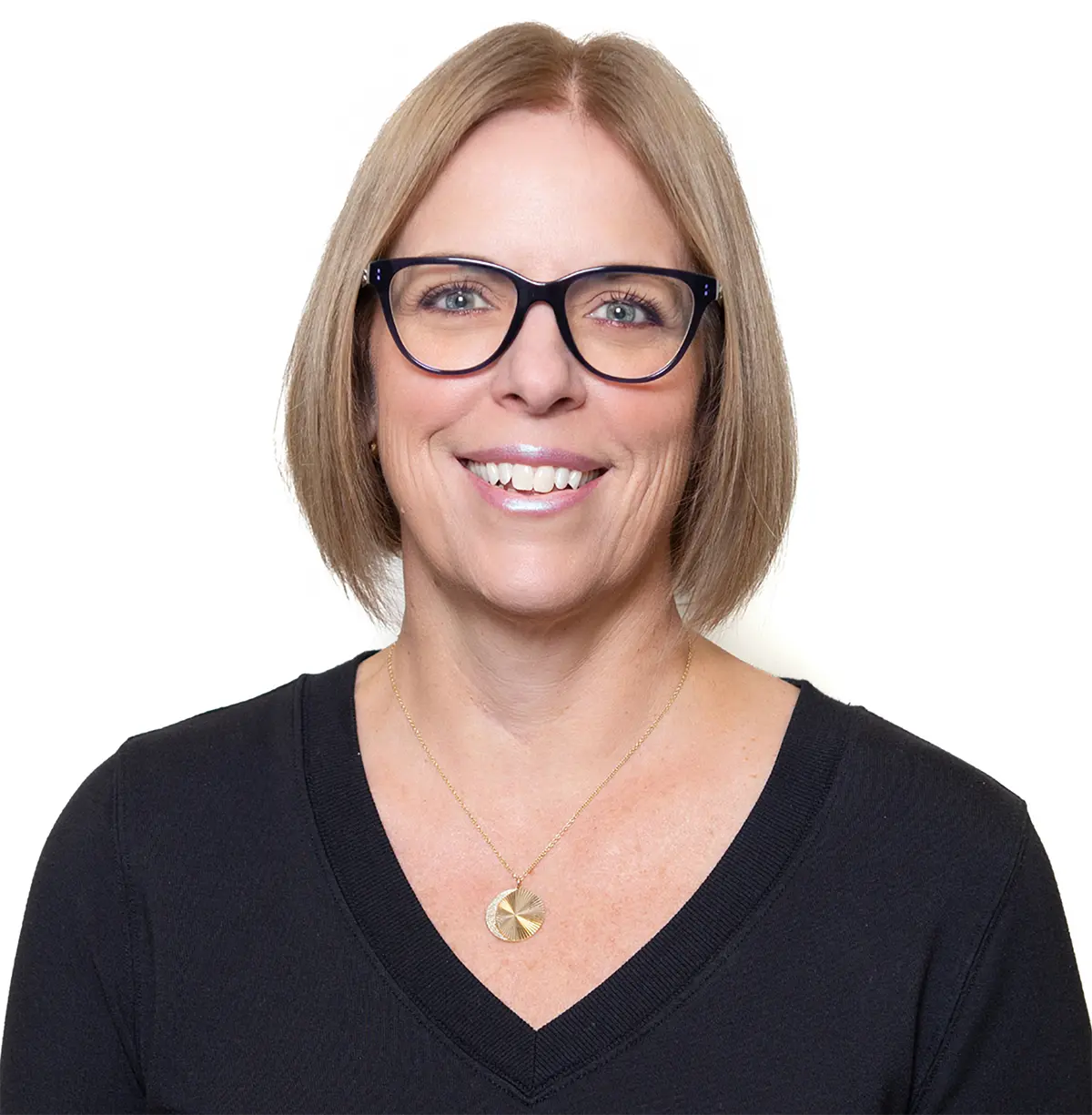
all is in the air, pumpkin spice is in your coffee, and we continue with our Women In Self-Storage series. This month we’re featuring Maureen A. Lee, president and COO of Xercor Insurance Services, which offers coverage of tenants’ possessions kept in self-storage facilities. Get ready to be inspired by the lessons she’s learned.

She originally planned to go to law school right after college, but the universe managed to save her from that madness when she found out she was pregnant.
“I then decided to do something else that would align better with these new circumstances,” she recalls. This is how she ended going back to college to become a teacher.
While studying to be a teacher, it still didn’t feel like the right fit. One of her professors, who worked at the Hudson Institute, a think tank and policy research organization, helped her get an internship that later turned into a full-time job as a project manager. Eventually, she moved to Sagamore Institute, another think tank.
In 2005, she landed a job as an executive assistant to Bob Bader, founder of Bader Company. She has remained in the industry since then, eventually exclusively focusing on self-storage.
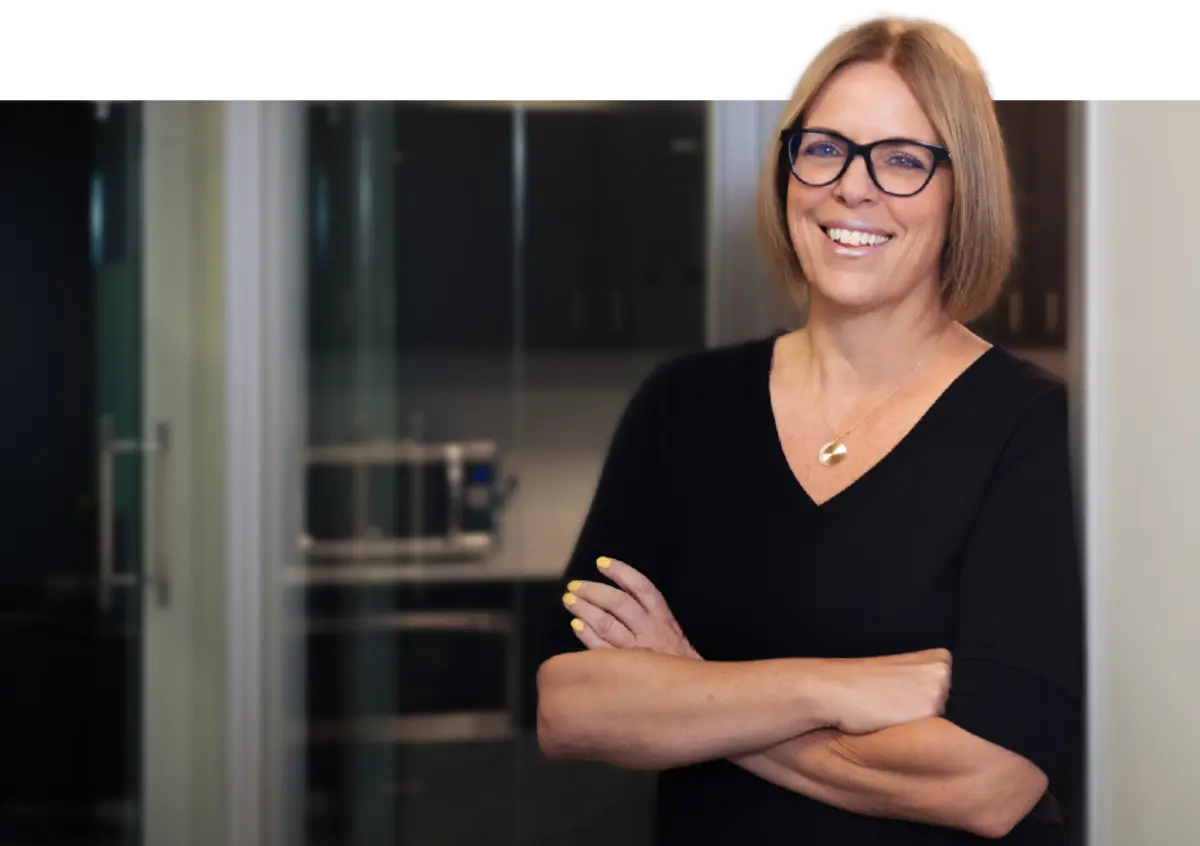
“Operators tend to be very high-level, big-picture thinkers; I sometimes have to step in and remind them that there are steps and processes, and that we have to make sure that whatever they’re proposing is viable. I’m always trying to make sure that they understand all the compliance needs and that they’re executing the insurance the best way. It’s important to us to do it right,” she adds.
Afterward, Lee started Xercor from scratch. “When I left Bader in 2015, I didn’t know what I was going to do next. I was approached by some operators to create Xercor (back then it had a different name). I was up for it and spent from March 2015 through the end of 2016 getting office space, working with an underwriter, and getting everything up and running. We opened our doors in 2017. This is my biggest success so far in the insurance industry.”
“When I was younger, I worked all the time. I thought everything had to be done right then and there. If someone filed a complaint, I would get upset at the people who may have let something fall through the cracks. And I don’t know if this has more to do with experience or with age, but now I realize that we’re all in the weeds. Maybe an adjustor had been working with 50 claims that week and they were trying to do their best.”
She also talks about the importance of work-life balance. “I’ve learned that staying at the office until 9 p.m. isn’t going to solve anything. In fact, sometimes it’s better to let something sit and percolate so that you can adequately figure things out then address it in the most effective way. And you know what? Sometimes when problems arise, it’s a blessing in disguise. Maybe you were doing something wrong, or maybe there was a better way of doing things. So now I see them as lessons learned.”
This philosophy has worked well at Xercor. “My favorite thing about my job are the people,” she says. “We have a really good team here. They work hard. They care about their jobs. Everyone feels comfortable to say what they want to say.”
Lee also stresses the importance of always putting family first. “Work is work, obviously. You have to put food on the table. But the most important thing is family. I always tell the team that life happens, and that when it does, sometimes work has to be set aside.”
To that end, she likes to provide them with flexibility when it comes to their schedules. At Xercor, work is hybrid, as they’ve noticed they work best when they collaborate and are in a room together. But if someone needs to switch around a work-from-home day to accommodate childcare or the like, they can do so.
She also reminds us of the importance of staying true to your values. “There are going to be difficult choices; challenges will come your way. But you need to stay true to yourself and your beliefs. If it doesn’t feel right, speak up or pivot. Maybe the repercussions aren’t what you wanted, but they may be the best thing that happened to you because you did the right thing.”
Lee reminds us to be mindful of the life lessons she previously mentioned. “Don’t regret decisions. Learn from them. Even if you wish you could go back and change things, or things could’ve been handled differently, just take the lesson. Inevitably, something similar will come up again and you can apply what you’ve learned.”
Ultimately, Lee likes to keep things in perspective. “I don’t sweat the small stuff anymore.”
At the end of the day, things always have a way of sorting themselves out.
There are so many things Lee loves about the industry. The biggest one is the entrepreneurial spirit. She sees this especially in businesses that are family-run: When the older generations pass the torch to the younger ones, the new ones aren’t afraid to change things as they see fit.
“I also think it’s one of the best industries to be in,” she says. “It’s relatively small in terms of people, but even within competitors, people are still friends and are willing to share insights.”